
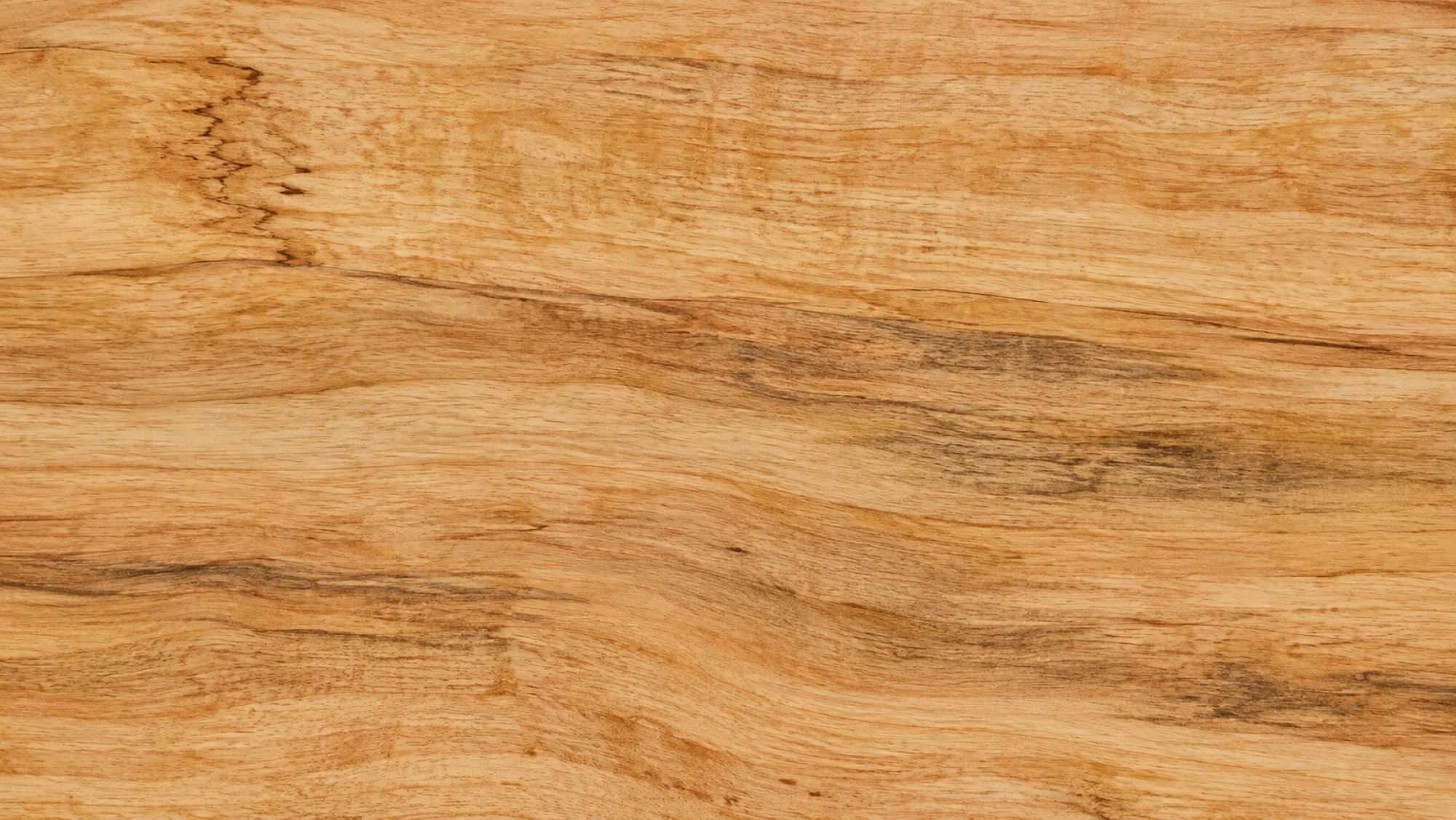
Arizona Ash
Scientific name: Fraxinus velutina
Overview
Arizona Ash, also called Velvet Ash, is a southwestern North American member of the olive family. It occurs naturally in canyons and near intermittent streams and is also planted as a shade tree. The velvet name refers to the fine hairs often present on young shoots and leaf parts, rather than to the surface of the wood.
It is not a major standardized lumber species, but local accounts record use of its wood for handles and other utility purposes. For woodworking, its most likely availability is through regional milling or tree removal. Verified identity and individual board quality are more useful than assuming the properties of a better-known eastern ash.
Quick Facts
- Common Name: Arizona Ash
- Alternate Common Names: Velvet Ash, Desert Ash
- Scientific Name: Fraxinus velutina
- Region: North American Woods — Southwestern United States and northern Mexico
- Family: Oleaceae
- Tree Size: Typically 20–50 ft (6–15 m) tall; trunk form and diameter vary with site and cultivation
- Average Dried Weight: Reliable species-specific dried-weight figure not established
- Janka Hardness: Reliable species-specific Janka figure not established
- Color: Light sapwood; heartwood color varies and is not diagnostic
- Grain: Distinct growth rings; grain direction varies around branches and forks
- Texture: Ring-porous with a visibly open grain
Identification Characteristics
Arizona Ash is ring-porous, with visible growth rings and larger vessels concentrated in the earlywood. Inspect a freshly prepared end-grain surface rather than relying on the color of an old or finished face. The open grain helps distinguish ash from finer-textured woods, but it does not identify this species by itself.
Useful source-tree characters include opposite compound leaves, paddle-shaped winged fruits and young shoots that can feel velvety. Leaf hairiness varies, so retain several photographs and a reliable identification record. Record cultivar names separately when the source is a planted landscape tree.
Key identification traits include:
- Ring-porous end grain
- Distinct annual growth rings
- Open-grained appearance on sawn surfaces
- Opposite compound leaves on the source tree
- Often hairy young twigs and leaflet undersides
- Documented southwestern origin or planting history


Working Properties
Start unfamiliar Arizona Ash stock with a trial cut and a moisture check. In landscape salvage, forks, old pruning wounds and branch attachments can restrict usable material even when the outer stem looks sound. Lay out small components to avoid defects rather than trying to preserve maximum board width at any cost.
Use sharp tools, support the work securely and change cutting direction when the grain reverses. Because dependable species-specific machining and drying data are limited, test bending, fastener holding and finish absorption on representative offcuts. Successful work with one board should not be generalized to every tree.
- Inspect urban salvage for metal and old wounds
- Separate sound straight sections from forked stock
- Dry with even support and monitor checking
- Check thick pieces through the drying process
- Use light final cuts around changing grain
- Test joint strength before loading components
- Try the complete finish schedule on an offcut
- Allow seasonal movement in solid-wood assemblies
Safety Note
Wood dust can irritate the skin, eyes and respiratory tract. Use effective dust extraction, eye protection and suitable respiratory protection when machining or sanding. Inspect salvaged material for embedded metal, cracks and decay before cutting, and assess dead standing trees professionally before removal.
Common Uses

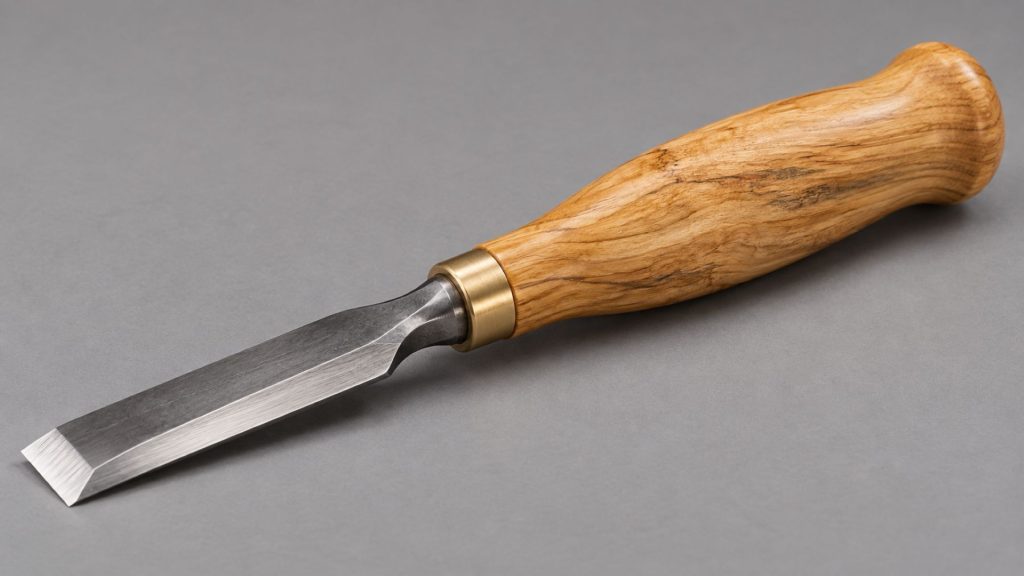
Local documentation records Arizona Ash wood being used for tool handles and wagon-related utility work. These uses establish a history of practical utilization, but they do not provide a strength grade or a guarantee that every salvaged blank is suitable for a heavily stressed handle.
Small interior objects, trial turnings and educational specimens are sensible ways to assess sound recovered material. A maker considering a larger furniture project should first confirm the available quantity, drying quality and suitability of the actual boards.
- Locally documented tool handles
- Historically recorded wagon-related utility work
- Small interior projects from tested salvage
- Trial turned objects from sound blanks
- Documented regional wood collections
- Wood identification and anatomy specimens
Sustainability & Notes
Native Arizona Ash helps define streamside woodland in an otherwise dry region. Procurement should respect those habitats and the ownership and management conditions governing tree removal. Recovering wood from a necessary landscape removal is different from taking a living native tree solely for a small specimen.
Velvet Ash is susceptible to emerald ash borer. Keep provenance and processing records, and follow current local requirements before transporting ash material. The tree’s ability to tolerate heat or drought does not establish the decay resistance of its lumber.
Comparative Notes & Related Species
Related Guides
- Ash Species Guide
- Understanding Wood Strength: What Makes Wood Strong?
- Drying & Acclimating Exotic Woods
- Wood Movement and Seasonal Expansion Explained
- Best Woods for Wood Turning
Compare Wood Properties
See how this species ranks in density and hardness using our Wood Density & Janka Hardness Chart. You can also explore Hardest Woods, Softest Woods, and Most Dense Woods for quick comparisons.
Collector Notes
Keep source-tree photographs showing leaves, twigs, bark and overall habit. If the tree was cultivated, record the planting locality and any known cultivar rather than treating the location as proof of native origin.
Prepare transverse, radial and tangential faces, and record any measured density with its moisture condition. An accurately labeled sample is valuable precisely because Arizona Ash is less familiar in the lumber trade; filling gaps with White Ash measurements would reduce that value.
Share Your Photos of This Species
Do you have lumber, wood samples, tree photographs, woodworking projects, furniture, carvings, turnings, musical instruments, or other items made from this species?
Exotic Woods of the World welcomes photographs from woodworkers, collectors, sawyers, researchers, and wood enthusiasts around the world. Selected submissions may be featured on this page and throughout our website to help document and showcase real-world examples of this species.
When submitting photos, please include the common name, scientific name (if known), a brief description, and any information you would like us to share with the image.
Wood Sample Collection
This species is part of an ongoing effort to document and preserve wood samples from around the world.
Learn more about contributing to the collection:
Resources
Authoritative botanical and forestry references used in compiling information about this species include:
• USDA Forest Service – Wood Handbook: Wood as an Engineering Material
https://www.fpl.fs.usda.gov/products/publications/
• The Wood Database – Global reference for wood identification, physical properties, and woodworking characteristics
https://www.wood-database.com/
• Royal Botanic Gardens, Kew – Plants of the World Online – Botanical taxonomy and species distribution database
https://powo.science.kew.org/
• International Union for Conservation of Nature (IUCN Red List) – Global conservation status assessments
https://www.iucnredlist.org/
• Convention on International Trade in Endangered Species (CITES) – International trade regulations for protected plant species
https://cites.org/
Additional forestry publications, academic research papers, and regional timber studies may also be referenced where available.
Love This Species?
Enjoy learning about this wood species?
Help support the continued growth of Exotic Woods of the World by participating in our Adopt a Species program. Your support helps fund species research, educational content, photography, videos, and future conservation awareness initiatives.
Support Forest Conservation
This species is part of the growing Exotic Woods of the World reference archive, dedicated to documenting and preserving knowledge of the world’s wood species.
Through the Adopt a Species program, visitors can help support ongoing species research, educational content, photography, video production, and future conservation awareness initiatives.
Contributions help fund the continued expansion of this archive while promoting sustainable forestry education and the long-term appreciation of the world’s forests.
Interested in supporting this species? Visit our Adopt a Species and Conservation Partners pages to learn more.
Availability & Where to Buy
Exotic hardwood availability can vary significantly depending on region, sustainability regulations, and supplier inventory.
As this archive grows, recommended suppliers and specialty wood retailers will be listed here to help woodworkers locate responsibly sourced material.
Lumber Suppliers:
Availability varies — see the Where to Buy Exotic Woods page for current sources.
Related Tools & Products:
Availability varies — see the Where to Buy Exotic Woods page for current sources.
Share This Wood Species
Stay Connected
Follow the latest species additions, educational resources, videos, conservation initiatives, and major project milestones through our Site Updates archive.
The Site Updates archive provides a permanent record of new content, library growth, and future developments across Exotic Woods of the World.