
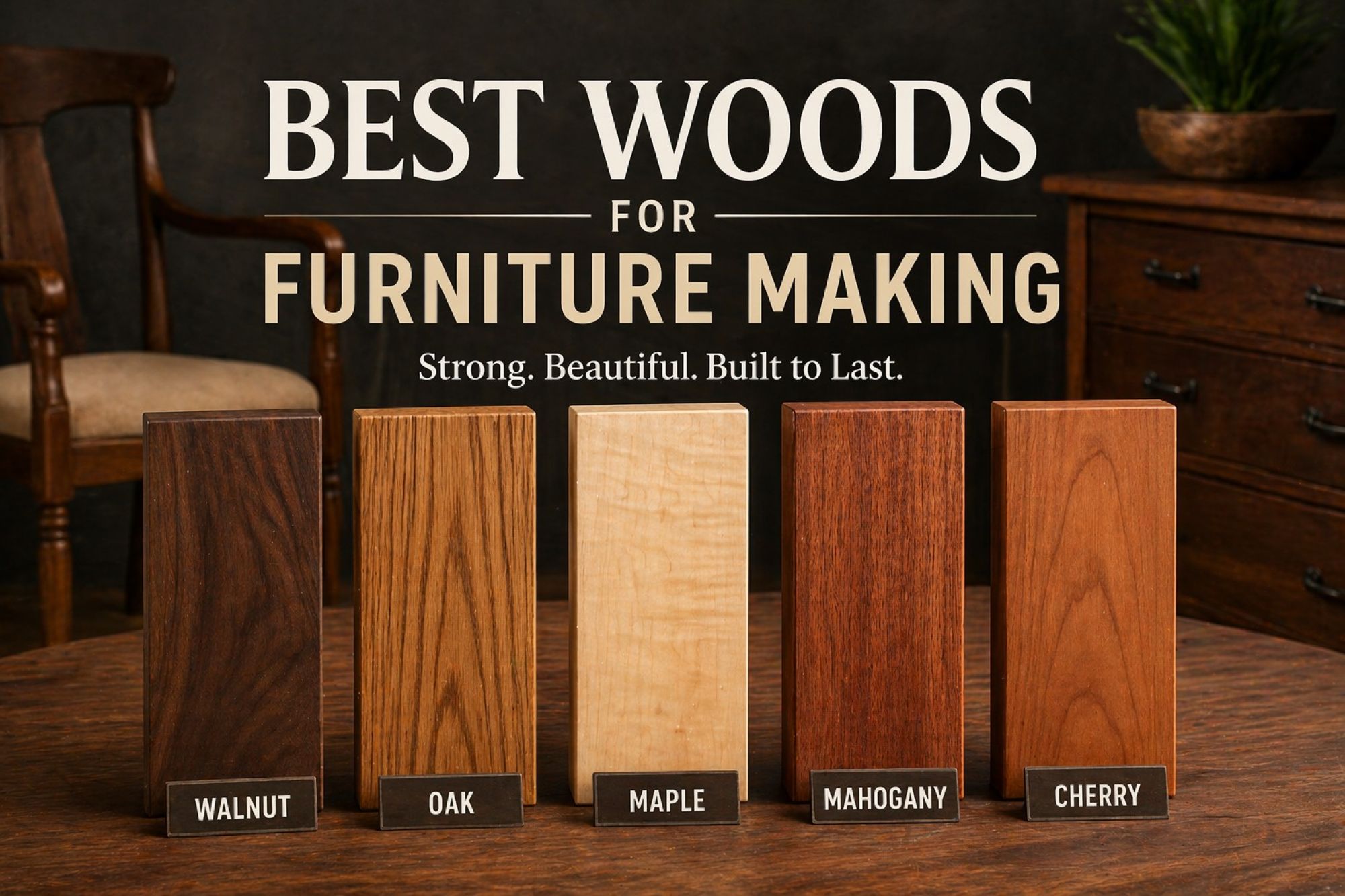
Best Woods for Furniture Making
Choosing the right wood is one of the most important decisions in furniture making. The species you select affects durability, workability, appearance, and long-term performance.
Some woods are prized for strength and stability, while others are selected for their grain, color, and finishing qualities. Understanding these differences helps ensure your furniture not only looks good, but lasts for generations.
What Makes a Wood Good for Furniture
The best furniture woods typically share several key characteristics:
- Strength and durability for long-term use
- Stability to resist warping and movement
- Workability for cutting, shaping, and joining
- Grain and appearance for visual appeal
- Finishing qualities for achieving a smooth surface
Balancing these factors is essential when selecting a species.
Walnut

Walnut is one of the most sought-after furniture woods.
- Rich, dark color with attractive grain
- Excellent workability
- Stable and durable
Commonly used for high-end furniture, cabinetry, and decorative pieces.
Oak (White Oak and Red Oak)

Oak is a strong and widely used hardwood.
- High strength and durability
- Prominent grain pattern
- Readily available
White oak offers better moisture resistance, while red oak is easier to work.
Hard Maple
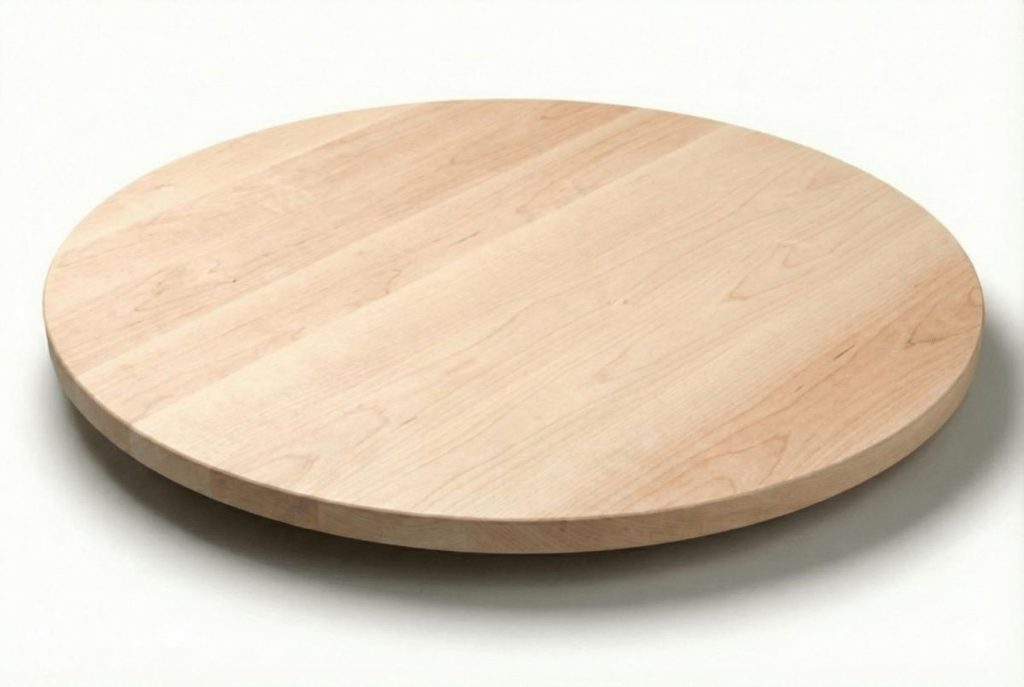
Maple is valued for its clean appearance and strength.
- Fine, uniform grain
- High hardness and durability
- Excellent for painted or modern designs
Mahogany (African Mahogany and Honduran Mahogany)
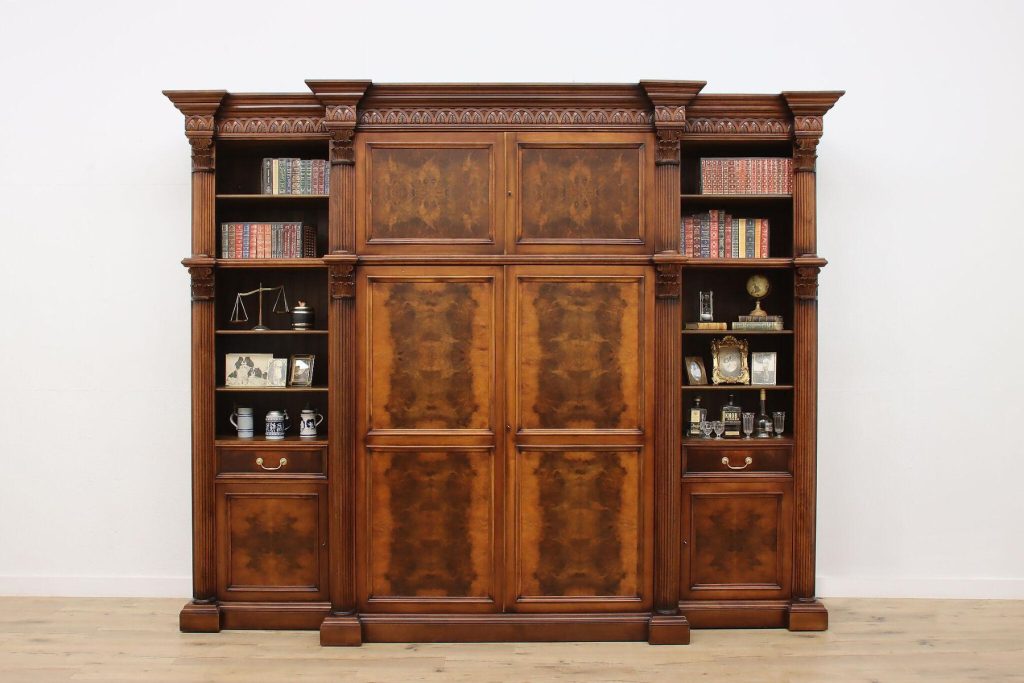
Mahogany has long been associated with fine furniture.
- Smooth grain and consistent texture
- Easy to work and finish
- Classic reddish-brown color
Used in traditional and high-end furniture designs.
American Cherry
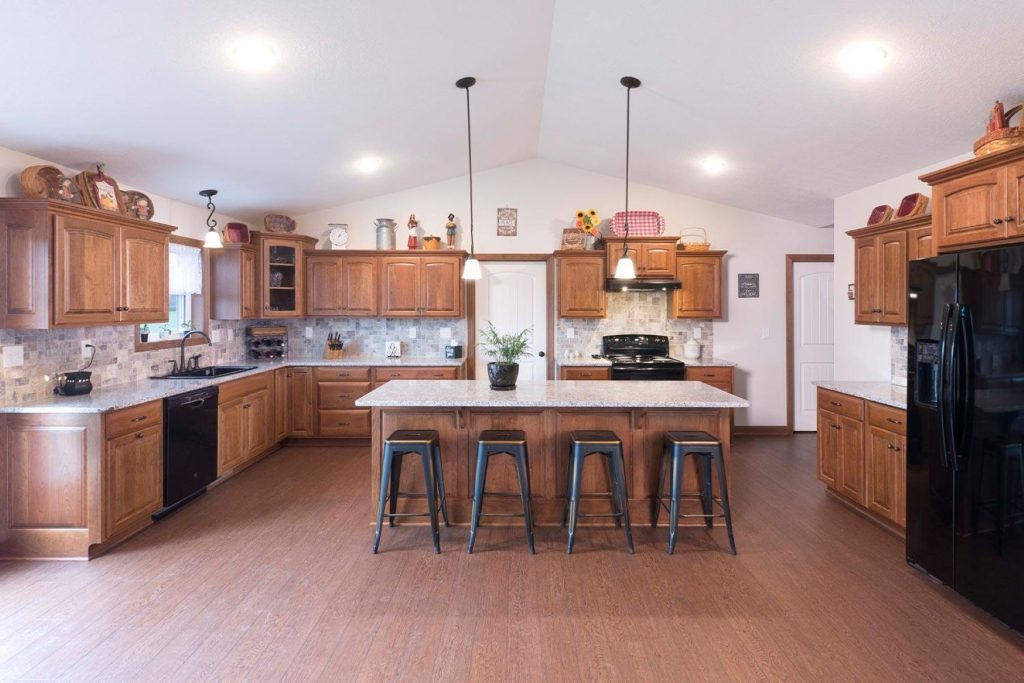
Cherry is known for its warmth and aging characteristics.
- Smooth grain and fine texture
- Darkens over time with exposure to light
- Easy to work and finish
Ideal for furniture where appearance is a priority.
Factors to Consider When Choosing Wood
Selecting the right wood depends on the specific project:
- Function (load-bearing vs decorative)
- Environment (indoor humidity and conditions)
- Budget and availability
- Desired appearance and finish
Different projects may require different priorities.
Hardwood vs Softwood for Furniture
While most fine furniture is made from hardwoods, some softwoods can be used in certain applications.
Softwoods: lighter, easier to work, often used for structural or hidden components
Hardwoods: stronger, more durable, better for long-term furniture
Sourcing Materials (Where to Buy)
When selecting wood for furniture, quality and sourcing are critical.
Look for suppliers that offer:
- Properly dried lumber
- Consistent grading and quality
- Reliable species identification
You can explore recommended suppliers on our Where to Buy Exotic Woods page to find quality material for your projects.
Compare Wood Properties
See how different species rank in density and hardness using our Wood Density & Janka Hardness Chart. You can also explore Hardest Woods, Softest Woods, and Most Dense Woods for quick comparisons.
Related Guides
Density & Hardness Explained (Janka Scale Guide)
Moisture Content & Long-Term Stability
Finishing Oils vs Polyurethane on Exotic Species
Final Thoughts
The best wood for furniture making depends on your goals, whether that’s durability, ease of work, or visual impact.
Species like walnut and mahogany offer premium appearance, while oak and maple provide strength and reliability.
Choosing the right wood ensures your furniture will perform well and stand the test of time.