

Best Woods for Outdoor Use (Rot Resistance Guide)
Choosing the right wood for outdoor use is critical for long-term durability. Exposure to moisture, sunlight, and temperature changes can quickly degrade unsuitable species.
Some woods naturally resist decay, insects, and weathering, making them ideal for outdoor applications without chemical treatment.
This guide covers the best woods for outdoor use based on natural rot resistance, durability, and real-world performance.
What Makes Wood Suitable for Outdoor Use
Not all wood performs the same outdoors. The best species share several key characteristics:
- Natural oils and extractives that resist moisture and insects
- High density, which slows water absorption
- Tight grain structure, reducing movement and decay
Woods lacking these traits will require treatment or will deteriorate quickly.
Best Woods for Outdoor Use
Teak

Teak is widely considered the gold standard for outdoor wood.
- Extremely high natural oil content
- Exceptional resistance to rot and insects
- Minimal movement with moisture changes
Teak performs well even without finish, developing a silver-gray patina over time.
Ipe (Brazilian Walnut)

Ipe is one of the densest and most durable hardwoods available.
- Extremely high density
- Outstanding rot resistance
- Long lifespan in exterior conditions
Often used for decking, boardwalks, and heavy-duty outdoor structures.
Cedar (Western Red Cedar)

Cedar is a lightweight softwood with excellent natural durability.
- Naturally resistant to decay and insects
- Stable and easy to work with
- Common for fences, siding, and outdoor furniture
Redwood

Redwood combines beauty with durability.
- Good natural rot resistance
- Attractive color and grain
- Moderate stability outdoors
White Oak
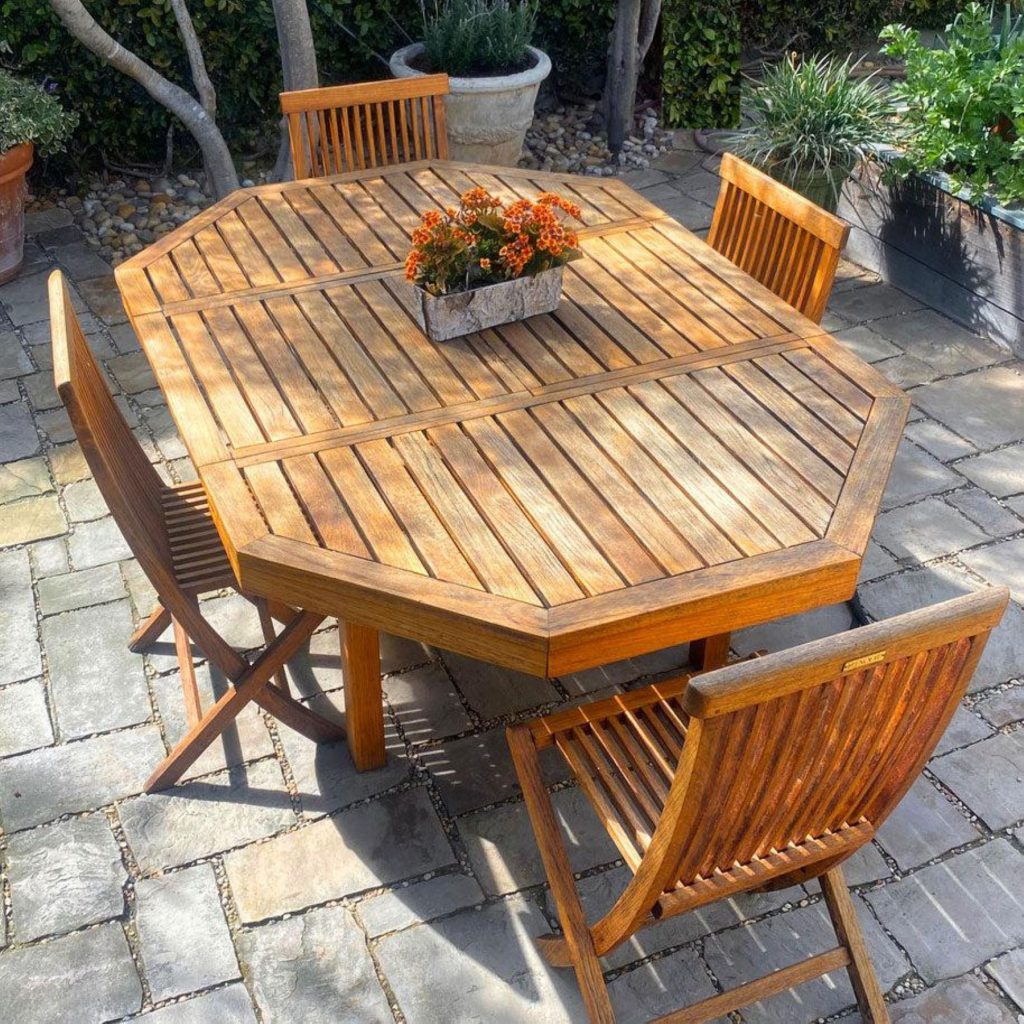
White oak is a domestic hardwood known for its durability.
- Closed cellular structure (tyloses) limits water penetration
- Good rot resistance
- Historically used in shipbuilding
Woods to Avoid Outdoors
Some species perform poorly when exposed to the elements:
These woods lack natural resistance and are prone to rot and warping unless heavily treated.
Natural vs Treated Wood
Outdoor wood can be:
- Naturally durable (teak, ipe, cedar)
- Pressure-treated (chemically enhanced durability)
Natural hardwoods are often preferred for longevity and aesthetics, while treated wood is more cost-effective.
Maintenance and Longevity
Even the best outdoor woods benefit from proper care:
- Periodic cleaning
- Optional oiling to maintain color
- Allowing proper drainage and airflow
Without maintenance, most woods will weather to a gray tone but can still remain structurally sound.
Sourcing Materials (Where to Buy)
When selecting outdoor wood, quality and sourcing matter.
Look for suppliers that offer:
- Properly dried lumber
- Verified species (especially for tropical hardwoods)
- Sustainable sourcing practices
You can explore recommended suppliers on our Where to Buy Exotic Woods page for trusted sources.
Compare Wood Properties
See how different species rank in density and hardness using our Wood Density & Janka Hardness Chart. You can also explore Hardest Woods, Softest Woods, and Most Dense Woods for quick comparisons.
Related Guides
Density & Hardness Explained (Janka Scale Guide)
Moisture Content & Long-Term Stability
Finishing Oils vs Polyurethane on Exotic Species
Final Thoughts
The best wood for outdoor use depends on your priorities—whether that’s maximum durability, ease of workability, or cost.
Species like teak and ipe offer unmatched longevity, while cedar and redwood provide a balance of performance and usability.
Choosing the right wood from the start ensures your outdoor projects will last for decades.