

Caribbean White Cedar
Scientific name: Tabebuia heterophylla
Overview
Caribbean White Cedar is a light- to medium-density hardwood native to the Caribbean islands. Despite its common name, it is not a true cedar but a member of the Tabebuia genus. The wood is valued regionally for its workability, stability, and moderate durability.
Historically, it has been used in boatbuilding, interior construction, and utility woodworking across island communities. Its lighter weight and relatively straight grain provide contrast within the Caribbean hardwood category, which includes many dense and heavy species.
Quick Facts
- Common Name: Caribbean White Cedar
- Scientific Name: Tabebuia heterophylla
- Region: Caribbean & West Indies Hardwoods
- Tree Size: 50–80 ft tall, 1–3 ft trunk diameter
- Average Dried Weight: 31 lbs/ft³ (500 kg/m³)
- Janka Hardness: 580 lbf
- Color: Pale yellow to light brown
- Grain: Straight to slightly interlocked
- Texture: Fine to medium
Identification Characteristics
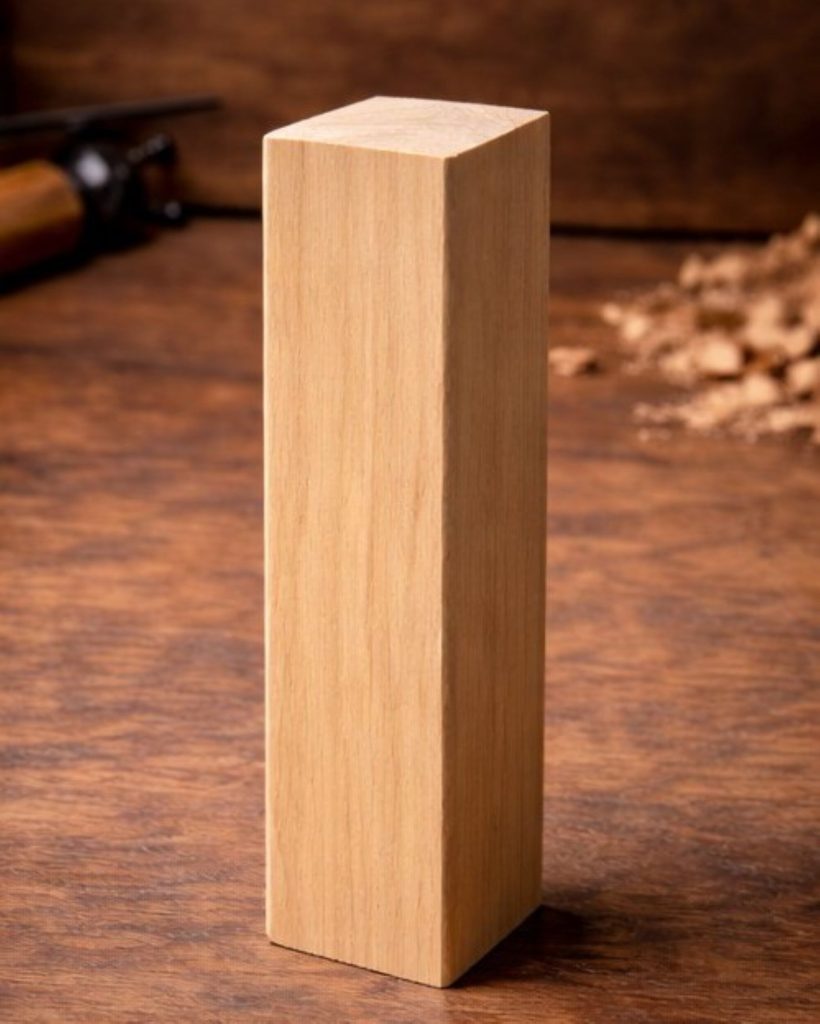
Heartwood ranges from pale yellow-brown to light tan, sometimes deepening slightly with age. Grain is generally straight and uniform. Texture is fine to medium, and the wood feels noticeably lighter compared to most Caribbean hardwoods.
Key identification traits include:
- Light tan to pale brown coloration
- Straight, consistent grain
- Moderate to light weight
- Smooth surface when finished
- Minimal figure

Working Properties
Caribbean White Cedar machines easily with standard tooling.
- Cuts cleanly
- Sands smoothly
- Glues well
- Takes finish evenly
- Stable when properly dried
Because of its moderate density, it performs well in interior applications and lighter structural uses.
Safety Note
Standard hardwood dust precautions recommended. No unusual toxicity concerns reported for properly dried material.
Common Uses
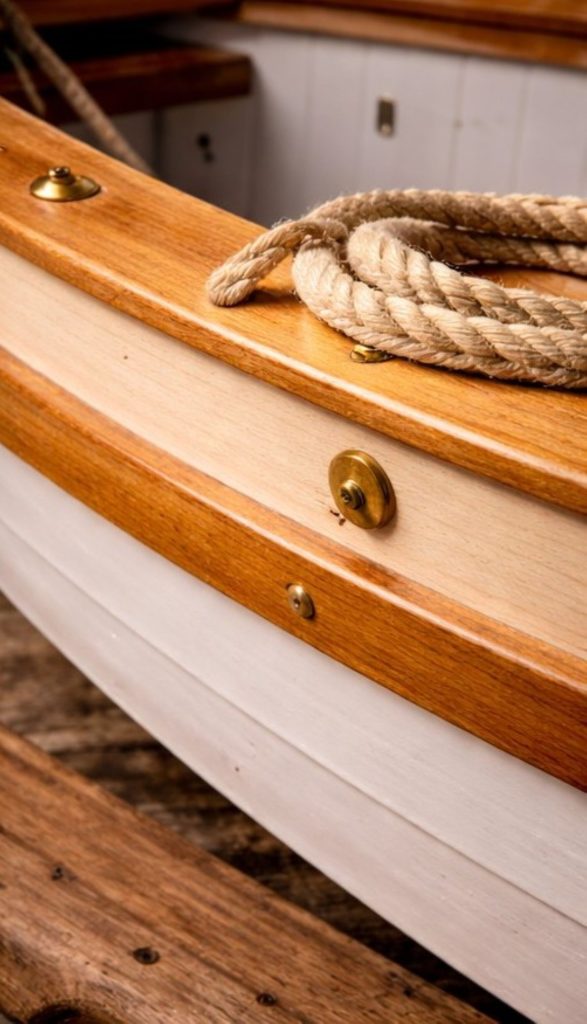
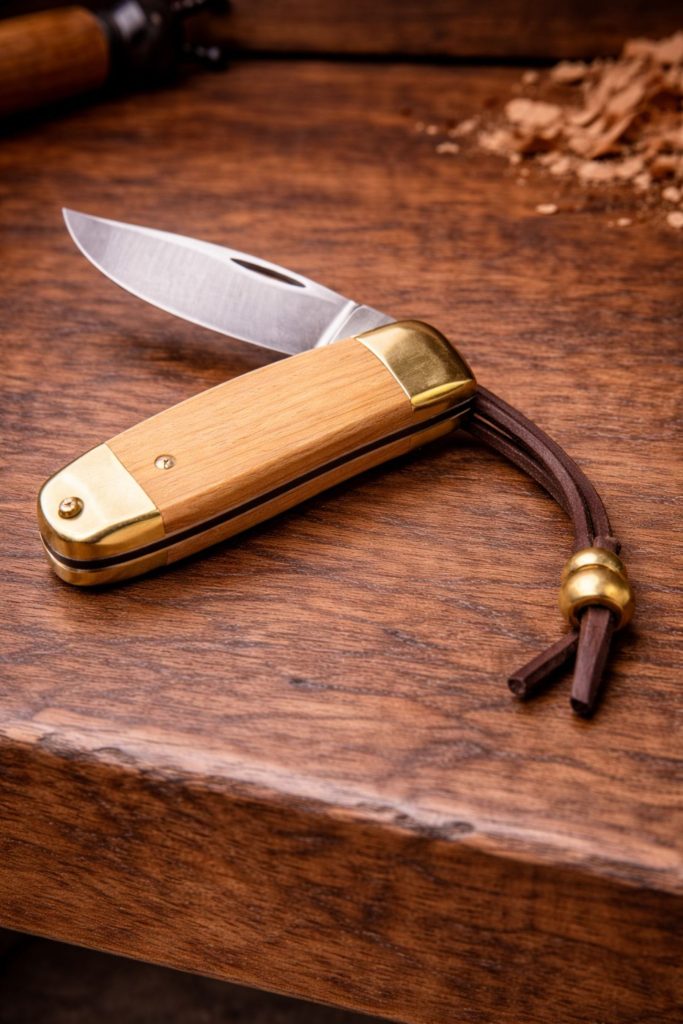
Caribbean White Cedar common uses including:
- Boat components
- Interior trim
- Cabinet parts
- Light furniture
- Utility woodworking
- Small craft items
Sustainability & Notes
Caribbean White Cedar is typically harvested locally rather than exported in large commercial volumes. It plays an important role in regional woodworking traditions but is not widely available internationally.
Availability is generally limited to smaller stock sizes outside the Caribbean.
Comparative Notes & Related Species
West Indian Mahogany – Heavier and more decorative.
West Indian Satinwood – Denser and brighter in tone.
Lancewood – Heavier and more shock resistant.
Related Guides
Cedar Species Guide
Compare cedar species from around the world, including differences in appearance, durability, workability, natural resistance, and common woodworking uses.
Density & Hardness Explained (Janka Scale Guide)
Places Caribbean White Cedar in the lower-density tropical range.
Building a Documented Wood Collection
Important for documenting region-specific hardwoods.
Compare Wood Properties
See how this species ranks in density and hardness using our Wood Density & Janka Hardness Chart. You can also explore Hardest Woods, Softest Woods, and Most Dense Woods for quick comparisons.
Collector Notes
Caribbean White Cedar is most commonly encountered in smaller dimensional stock rather than large furniture-grade boards. When cataloging, note the lighter coloration, straight grain, and documented Caribbean origin. Because it contrasts strongly with heavier regional species, it adds balance to a structured Caribbean hardwood collection.
Share Your Photos of This Species
Do you have lumber, wood samples, tree photographs, woodworking projects, furniture, carvings, turnings, musical instruments, or other items made from this species?
Exotic Woods of the World welcomes photographs from woodworkers, collectors, sawyers, researchers, and wood enthusiasts around the world. Selected submissions may be featured on this page and throughout our website to help document and showcase real-world examples of this species.
When submitting photos, please include the common name, scientific name (if known), a brief description, and any information you would like us to share with the image.
Wood Sample Collection
This species is part of an ongoing effort to document and preserve wood samples from around the world.
Learn more about contributing to the collection:
Resources
Authoritative botanical and forestry references used in compiling information about this species include:
• USDA Forest Service – Wood Handbook: Wood as an Engineering Material
https://www.fpl.fs.usda.gov/products/publications/
• The Wood Database – Global reference for wood identification, physical properties, and woodworking characteristics
https://www.wood-database.com/
• Royal Botanic Gardens, Kew – Plants of the World Online – Botanical taxonomy and species distribution database
https://powo.science.kew.org/
• International Union for Conservation of Nature (IUCN Red List) – Global conservation status assessments
https://www.iucnredlist.org/
• Convention on International Trade in Endangered Species (CITES) – International trade regulations for protected plant species
https://cites.org/
Additional forestry publications, academic research papers, and regional timber studies may also be referenced where available.
Love This Species?
Enjoy learning about this wood species?
Help support the continued growth of Exotic Woods of the World by participating in our Adopt a Species program. Your support helps fund species research, educational content, photography, videos, and future conservation awareness initiatives.
Support Forest Conservation
This species is part of the growing Exotic Woods of the World reference archive, dedicated to documenting and preserving knowledge of the world’s wood species.
Through the Adopt a Species program, visitors can help support ongoing species research, educational content, photography, video production, and future conservation awareness initiatives.
Contributions help fund the continued expansion of this archive while promoting sustainable forestry education and the long-term appreciation of the world’s forests.
Interested in supporting this species? Visit our Adopt a Species and Conservation Partners pages to learn more.
Availability & Where to Buy
Exotic hardwood availability can vary significantly depending on region, sustainability regulations, and supplier inventory.
As this archive grows, recommended suppliers and specialty wood retailers will be listed here to help woodworkers locate responsibly sourced material.
Lumber Suppliers:
Availability varies — see the Where to Buy Exotic Woods page for current sources.
Related Tools & Products:
• Woodworking: The Complete Step-by-Step Manual for learning woodworking techniques, joinery, finishing, and step-by-step projects
https://amzn.to/4v1EYSZ
• Woodworking Apron for Men with 9 Tool Pockets for keeping tools organized and protecting clothing during woodworking, carving, turning, and shop work
https://amzn.to/43SZ9rt
• XFasten Double-Sided Woodworking Tape (3-Pack) for securing templates, workpieces, and patterns during routing, CNC work, edge banding, and other woodworking tasks
https://amzn.to/4xK5yTj
Share This Wood Species
Stay Updated on Rare and Exotic Woods
If you found this species useful, the Exotic Woods of the World newsletter highlights newly documented hardwood species, identification insights, and collector notes as the archive continues to expand.
New issues are published once per month.
Join woodworkers, collectors, and enthusiasts exploring hardwood species from around the world.
Built on over 25 years of experience in the exotic hardwood industry.