
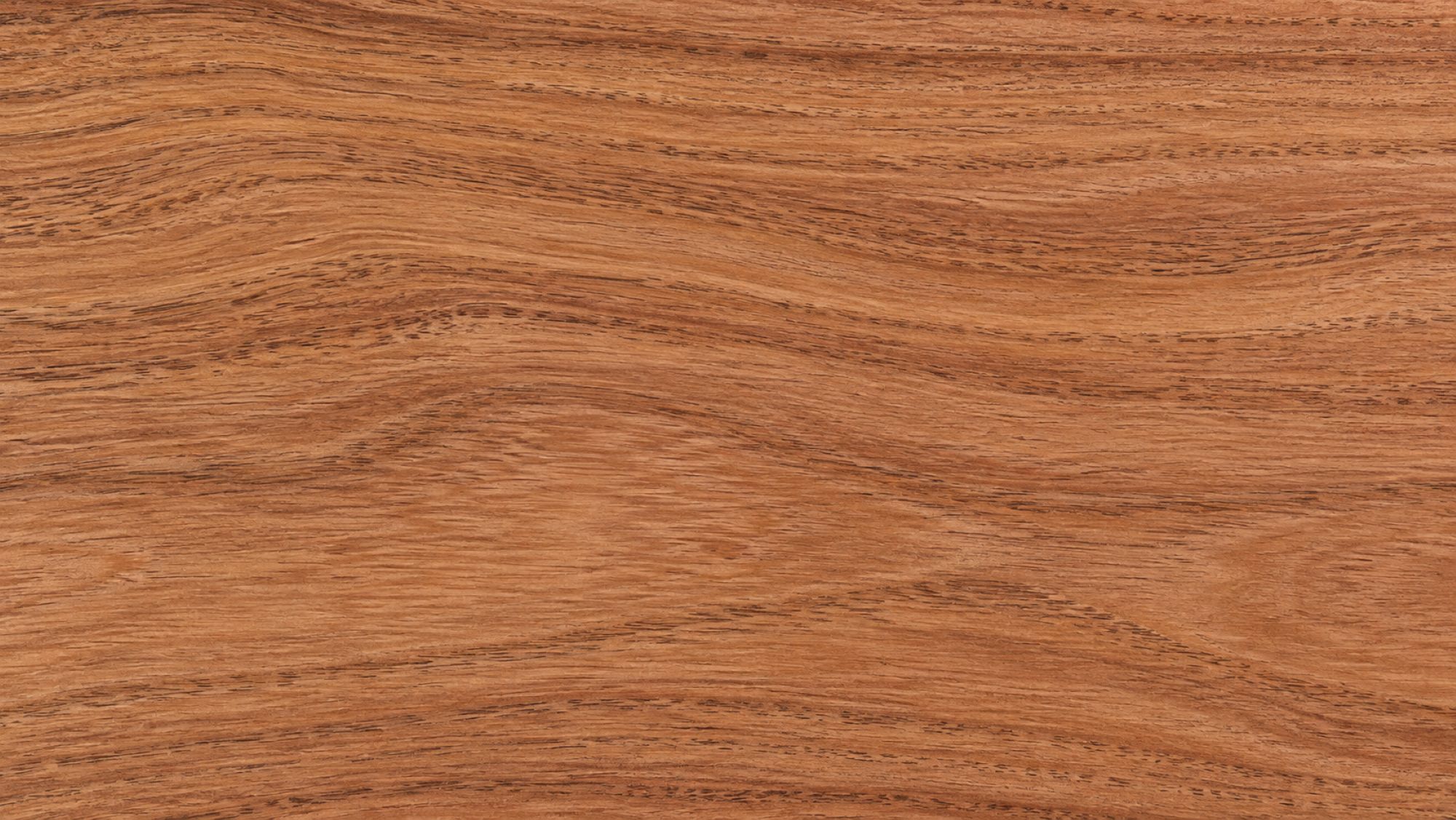
Cedar Elm
Scientific name: Ulmus crassifolia
Overview
Cedar Elm is a true elm native to the south-central United States and northeastern Mexico. It occupies a wide range of sites, from moist river soils to dry limestone hills, and is also planted for shade. Despite its name, it is botanically unrelated to the conifers commonly sold as cedar.
The wood is a hard elm with interlocked fibers and useful toughness. Southern elm lumber may be mixed and marketed as rock elm, so that label alone does not identify the species as either Cedar Elm or Rock Elm. A known local tree can offer a more dependable reference sample than a board bearing only a broad trade name.
Quick Facts
- Common Name: Cedar Elm
- Alternate Common Names: Basket elm; southern rock elm; red elm (regional name)
- Scientific Name: Ulmus crassifolia
- Region: North American Woods — south-central United States, especially Texas and neighboring states, extending into northeastern Mexico
- Family: Ulmaceae
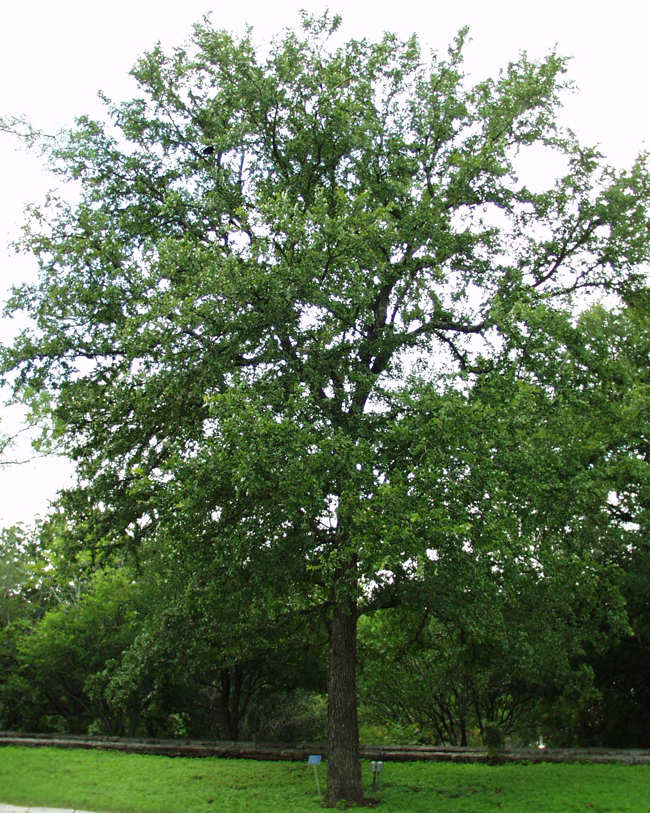
- Tree Size: Often 65–100 ft (20–30 m) tall, with large trunks 3–5 ft (1–1.5 m) in diameter; trees on dry sites may be much smaller
- Average Dried Weight: Approximately 41 lb/ft³ (655 kg/m³)
- Janka Hardness: Approximately 1,320 lbf (5,870 N)
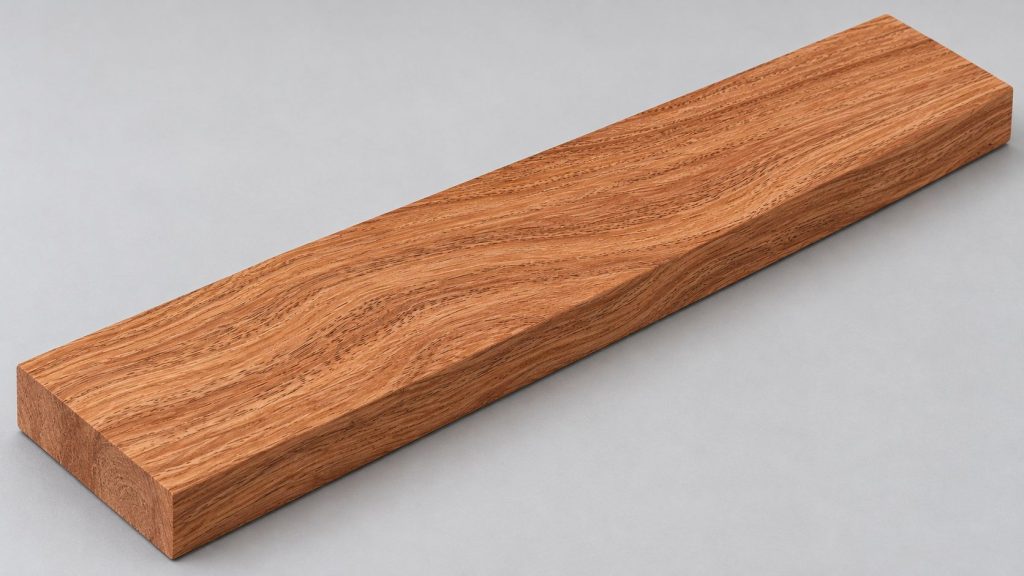
- Color: Light to medium reddish-brown heartwood with paler sapwood
- Grain: Usually interlocked
- Texture: Coarse and uneven
Identification Characteristics
Look for ring-porous end grain and the wavy latewood vessel patterns associated with elm. Brown to reddish heartwood and interlocked grain support the description but are not unique to Cedar Elm. Examine several growth rings on a clean cross section rather than a single weathered edge.
For tree-derived samples, the small leaves and late-season flowering can provide useful supporting evidence. Cedar Elm is among the native elms that flower in autumn, whereas many familiar elms flower in spring. Confirm the full combination of botanical traits and location before assigning the wood an exact species name.
Key identification traits include:
- Ring-porous structure with conspicuous growth rings
- Wavy arrangement of small latewood pores
- Interlocked grain and coarse texture
- Brown or reddish heartwood beside lighter sapwood
- Small leaves and autumn flowering useful in tree identification
Working Properties
Grain reversal can leave torn or fuzzy patches during planing, especially on faces that expose interlocked fibers. Try a finely set plane, scraper, or controlled abrasive method on a spare section before surfacing a wide show face. Keep tools sharp and check the result under raking light.
Drying and moisture conditioning deserve particular attention before making panels or tightly fitted parts. Rough-size with allowance, allow movement to reveal itself, and then bring stable stock to final dimensions. Test the complete finish, including any pore filler, so the coarse texture remains an intentional part of the result.
- Use light finishing cuts to manage reversing grain
- Predrill near board ends and in dense sections
- Check for checks, distortion, and uneven moisture
- Use movement-friendly attachments for wide tops
- Test filler and topcoat on both heartwood and sapwood
Safety Note
Elm dust can irritate the eyes, skin, and respiratory tract, and sensitization has been reported. Use effective dust extraction, eye protection, and suitable respiratory protection during machining and sanding. Inspect salvaged stock for embedded metal and unsound wood before cutting.
Common Uses
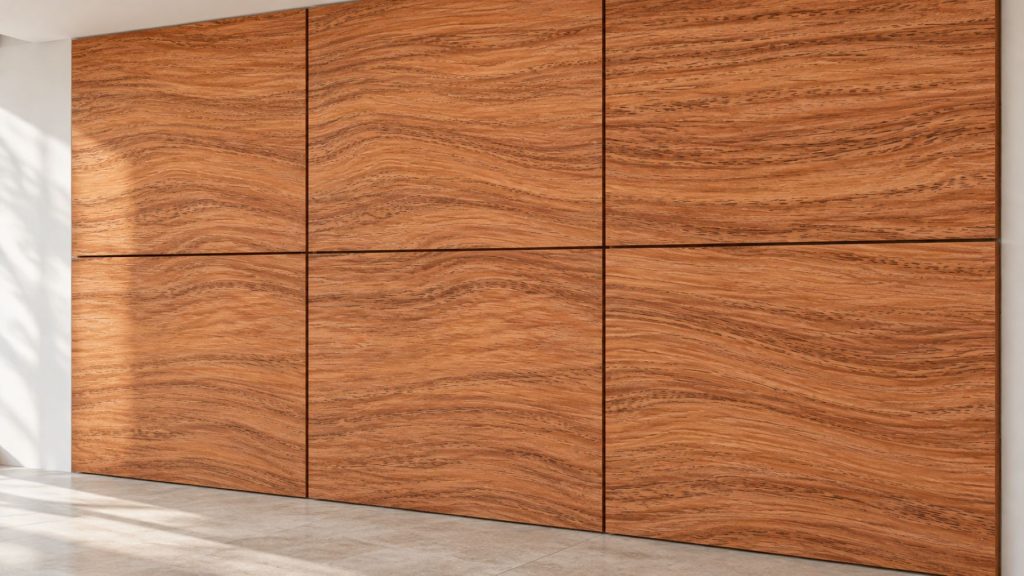
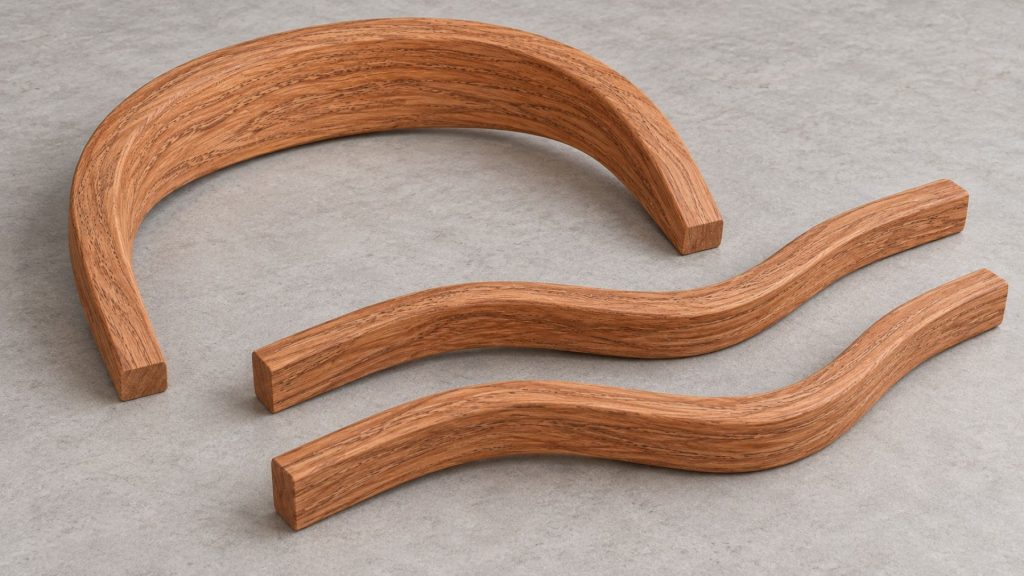
Cedar Elm can be used for furniture, bent components, utility woodworking, and decorative work when suitable stock is available. Locally salvaged material may yield distinctive boards or turning blanks even when it is absent from regular lumberyard inventories.
Select sound pieces for the intended load and grain orientation. The wood’s resistance to splitting should not be mistaken for decay resistance: untreated Cedar Elm is best kept in protected conditions. Its common name does not give it the outdoor durability or aroma associated with some cedars.
- Furniture and protected interior components
- Bent parts from selected clear stock
- Decorative panels and veneer
- Turnings and small crafted objects
- Utility products from locally available lumber
Sustainability & Notes
Cedar Elm is an important regional tree in both natural landscapes and urban plantings. It can be affected by Dutch elm disease, so removed material should be managed with attention to local pest and transport guidance rather than moved casually between areas.
Urban salvage can put existing material to use, but inspect the log and boards for embedded metal, decay, and cracks. Retain a record of the removal location and identification, and distinguish an exact species record from a commercial mixed-elm description.
Comparative Notes & Related Species
Related Guides
- Elm Species Guide
- Best Woods for Wood Turning
- Moisture Content & Long Term Stability
- Finishing Oils vs Polyurethane on Exotic Species
- Building a Documented Wood Collection
Compare Wood Properties
See how this species ranks in density and hardness using our Wood Density & Janka Hardness Chart. You can also explore Hardest Woods, Softest Woods, and Most Dense Woods for quick comparisons.
Collector Notes
Document the tree’s location and the botanical features used for identification. Include leaf and bark photographs where possible, and note autumn flowering if it was observed. Do not use the regional name red elm without the scientific name, since it can also refer to Slippery Elm.
Compare a prepared sample with verified Rock Elm and softer elms, recording moisture and sample dimensions when assessing weight. Preserve both a clean cross section and an unfinished face; coatings can alter the apparent color and obscure small anatomical details.
Share Your Photos of This Species
Do you have lumber, wood samples, tree photographs, woodworking projects, furniture, carvings, turnings, musical instruments, or other items made from this species?
Exotic Woods of the World welcomes photographs from woodworkers, collectors, sawyers, researchers, and wood enthusiasts around the world. Selected submissions may be featured on this page and throughout our website to help document and showcase real-world examples of this species.
When submitting photos, please include the common name, scientific name (if known), a brief description, and any information you would like us to share with the image.
Wood Sample Collection
This species is part of an ongoing effort to document and preserve wood samples from around the world.
Learn more about contributing to the collection:
Resources
Authoritative botanical and forestry references used in compiling information about this species include:
• USDA Forest Service – Wood Handbook: Wood as an Engineering Material
https://www.fpl.fs.usda.gov/products/publications/
• The Wood Database – Global reference for wood identification, physical properties, and woodworking characteristics
https://www.wood-database.com/
• Royal Botanic Gardens, Kew – Plants of the World Online – Botanical taxonomy and species distribution database
https://powo.science.kew.org/
• International Union for Conservation of Nature (IUCN Red List) – Global conservation status assessments
https://www.iucnredlist.org/
• Convention on International Trade in Endangered Species (CITES) – International trade regulations for protected plant species
https://cites.org/
Additional forestry publications, academic research papers, and regional timber studies may also be referenced where available.
Love This Species?
Enjoy learning about this wood species?
Help support the continued growth of Exotic Woods of the World by participating in our Adopt a Species program. Your support helps fund species research, educational content, photography, videos, and future conservation awareness initiatives.
Support Forest Conservation
This species is part of the growing Exotic Woods of the World reference archive, dedicated to documenting and preserving knowledge of the world’s wood species.
Through the Adopt a Species program, visitors can help support ongoing species research, educational content, photography, video production, and future conservation awareness initiatives.
Contributions help fund the continued expansion of this archive while promoting sustainable forestry education and the long-term appreciation of the world’s forests.
Interested in supporting this species? Visit our Adopt a Species and Conservation Partners pages to learn more.
Availability & Where to Buy
Exotic hardwood availability can vary significantly depending on region, sustainability regulations, and supplier inventory.
As this archive grows, recommended suppliers and specialty wood retailers will be listed here to help woodworkers locate responsibly sourced material.
Lumber Suppliers:
Availability varies — see the Where to Buy Exotic Woods page for current sources.
Related Tools & Products:
Availability varies — see the Where to Buy Exotic Woods page for current sources.
Share This Wood Species
Stay Connected
Follow the latest species additions, educational resources, videos, conservation initiatives, and major project milestones through our Site Updates archive.
The Site Updates archive provides a permanent record of new content, library growth, and future developments across Exotic Woods of the World.