

Gluing Exotic Woods: Challenges and Solutions
Gluing exotic woods can be more challenging than working with domestic species. Many tropical hardwoods contain natural oils, dense grain structures, and extractives that interfere with adhesion.
Without proper preparation and technique, glue joints can fail—even when using high-quality adhesives.
This guide explains why exotic woods can be difficult to glue and how to achieve strong, reliable bonds.

Why Exotic Woods Are Difficult to Glue
Several characteristics of exotic hardwoods create bonding challenges:
- Natural oils that resist adhesives
- High density that limits glue penetration
- Tight grain structure reducing mechanical bonding
- Surface contamination from handling or machining
These factors can prevent glue from properly bonding to the wood surface.
Surface Preparation Is Critical
Proper surface preparation is the most important step.
To improve adhesion:
- Lightly sand the surface before gluing
- Remove dust completely
- Wipe oily woods with acetone or denatured alcohol
- Glue immediately after cleaning
Waiting too long after cleaning can allow oils to return to the surface.
Best Adhesives for Exotic Woods
Different adhesives perform better depending on the species.
PVA (Wood Glue)
- Works well on less oily hardwoods
- Easy to use
- May struggle with very dense or oily species
Epoxy
- Excellent for oily woods
- Strong gap-filling properties
- Ideal for difficult bonding situations
Polyurethane Glue
- Works well on dense woods
- Moisture-activated
- Expands to fill gaps
Clamping and Pressure
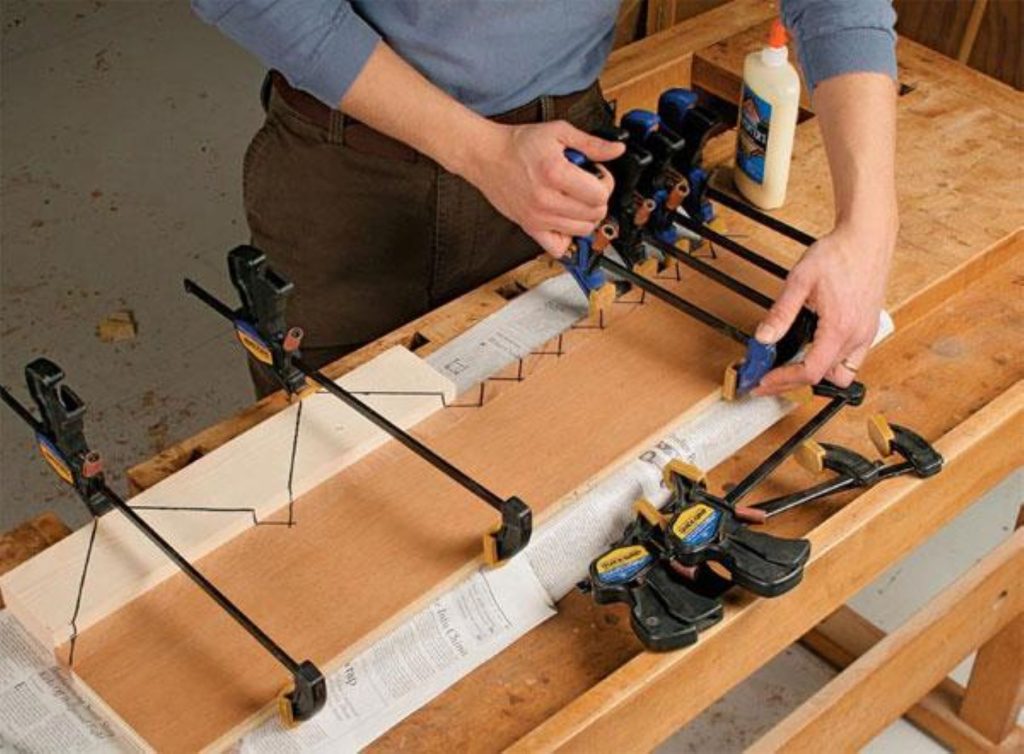
Proper clamping ensures a strong bond.
- Apply even pressure across the joint
- Avoid excessive force that squeezes out too much glue
- Maintain pressure for recommended cure times
Consistent pressure is key to successful bonding.
Common Mistakes to Avoid
- Skipping surface preparation
- Gluing oily woods without cleaning
- Using the wrong adhesive for the species
- Applying too little or too much pressure
- Rushing cure times
These mistakes are the most common causes of joint failure.
Species That Require Extra Care
Some woods are especially difficult to glue:
These species often require surface cleaning and stronger adhesives like epoxy.
Sourcing Materials
Using the right adhesive and clamping tools is essential when working with dense or oily hardwoods.
Recommended options include high-quality wood glues for general use, epoxy for difficult or oily species, and reliable clamps that provide consistent pressure across the joint.
Related Tools & Products
HORUSDY 8-Pack Bar Clamps for Woodworking – https://amzn.to/4cx7iHb
Titebond III Ultimate Wood Glue – https://amzn.to/4sS0mZO
CRAFT RESIN Crystal Clear Epoxy Resin Kit – https://amzn.to/4w7oj2v
Compare Wood Properties
See how different species rank in density and hardness using our Wood Density & Janka Hardness Chart. You can also explore Hardest Woods, Softest Woods, and Most Dense Woods for quick comparisons.
Related Guides
Machining Dense Tropical Hardwoods
Preventing Tear-Out in Interlocked Grain
Finishing Oils vs Polyurethane on Exotic Species
Final Thoughts
Gluing exotic woods requires more attention than working with common domestic species, but the results can be just as strong when done correctly.
By preparing surfaces properly, selecting the right adhesive, and applying consistent pressure, you can achieve durable and reliable glue joints even with the most challenging hardwoods.