
Swiss Stone Pine
Scientific name: Pinus cembra
Overview
Swiss Stone Pine is a slow-growing evergreen conifer native to the high mountains of central Europe. Pinus cembra belongs to the Pinaceae family and is a five-needle pine naturally associated with the Alps and Carpathian Mountains. It is exceptionally well adapted to cold, high-elevation environments and can survive near the upper limits of tree growth.
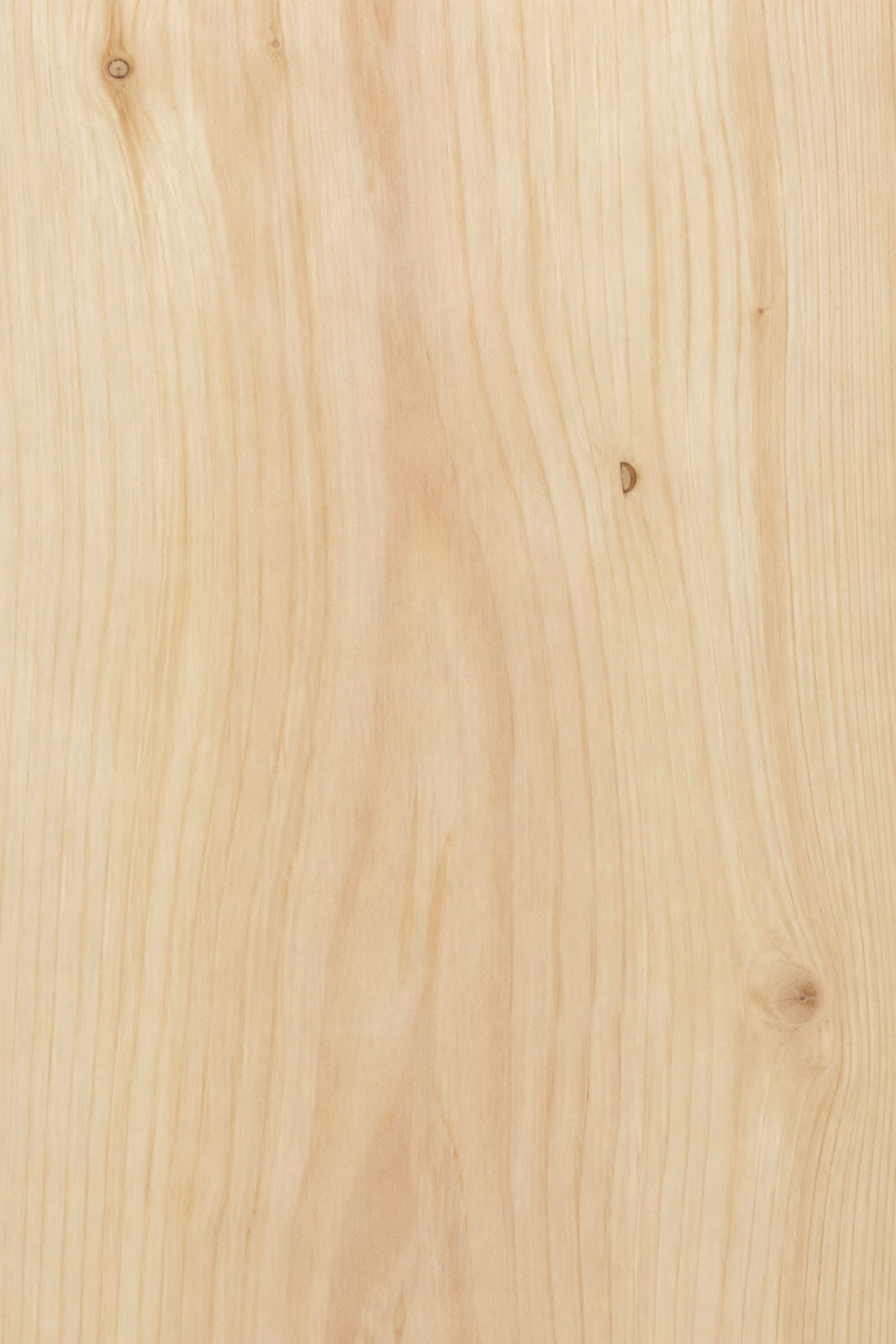
The wood is generally pale yellowish to light reddish brown, with lighter sapwood, a fine and relatively even texture, and a characteristic resinous aroma. Swiss Stone Pine is comparatively lightweight and soft, making it pleasant to carve and work with hand tools.
The species has a long tradition of use in Alpine woodworking, particularly for carving, furniture, interior paneling, cabinetry, boxes, and decorative objects. Its combination of fine texture, workability, aroma, cultural significance, and distinctive mountain origin makes Swiss Stone Pine one of Europe’s particularly interesting specialty softwoods.
Quick Facts
- Common Name: Swiss Stone Pine
- Alternate Common Names: Swiss Pine, Arolla Pine, European Stone Pine
- Scientific Name: Pinus cembra
- Region: European Softwoods
- Tree Size: Approximately 50–80 ft (15–25 m) tall, occasionally larger, with trunks commonly 1.5–3 ft (0.45–0.9 m) in diameter
- Average Dried Weight: Approximately 28–30 lbs/ft³ (450–480 kg/m³)
- Janka Hardness: Approximately 350–400 lbf, with published values varying
- Grain: Generally straight
- Texture: Fine to medium and relatively even
Identification Characteristics
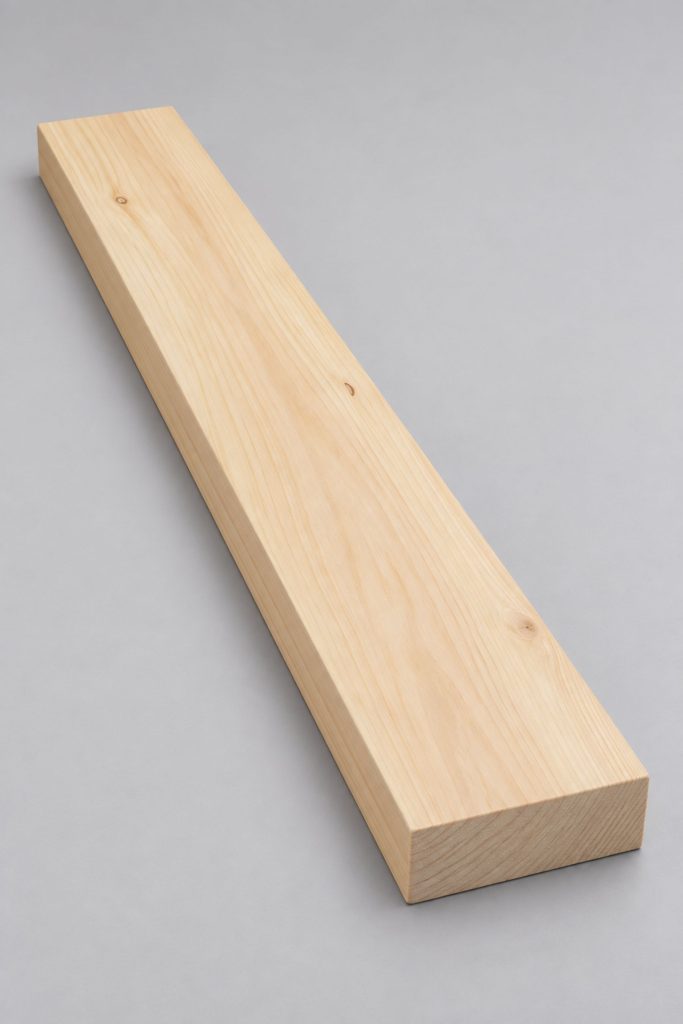
Swiss Stone Pine generally produces pale yellowish-brown to light reddish-brown heartwood surrounded by lighter cream to yellowish sapwood. Heartwood can gradually develop warmer reddish or honey-brown tones with age and exposure.
Grain is typically straight, while texture is fine to medium and relatively uniform. Knots are common in many boards and can become a visually important part of the wood’s appearance.
Natural resins give freshly worked material a distinctive aromatic character.
Key identification traits include:
- Pale yellowish to light reddish-brown heartwood
- Cream to pale yellow sapwood
- Generally straight grain
- Fine to medium texture
- Relatively lightweight wood
- Frequent knots in some material
- Characteristic resinous aroma

Working Properties
Swiss Stone Pine is exceptionally pleasant to work compared with many harder woods. Its low density and relatively soft fibers allow easy cutting, shaping, and carving with hand tools.
The species is particularly well suited to detailed carving. Sharp tools can produce clean surfaces, although the soft wood can dent relatively easily and should be handled carefully during finishing and assembly.
- Machines easily
- Carves exceptionally well
- Cuts and planes readily
- Suitable for wood turning
- Sands easily
- Glues satisfactorily
- Soft surfaces can dent relatively easily
Safety Note
Pine wood dust and natural resins may cause skin, eye, or respiratory irritation in sensitive individuals.
Appropriate dust collection, eye protection, and respiratory protection are recommended during sawing, routing, carving, turning, and sanding.
Common Uses
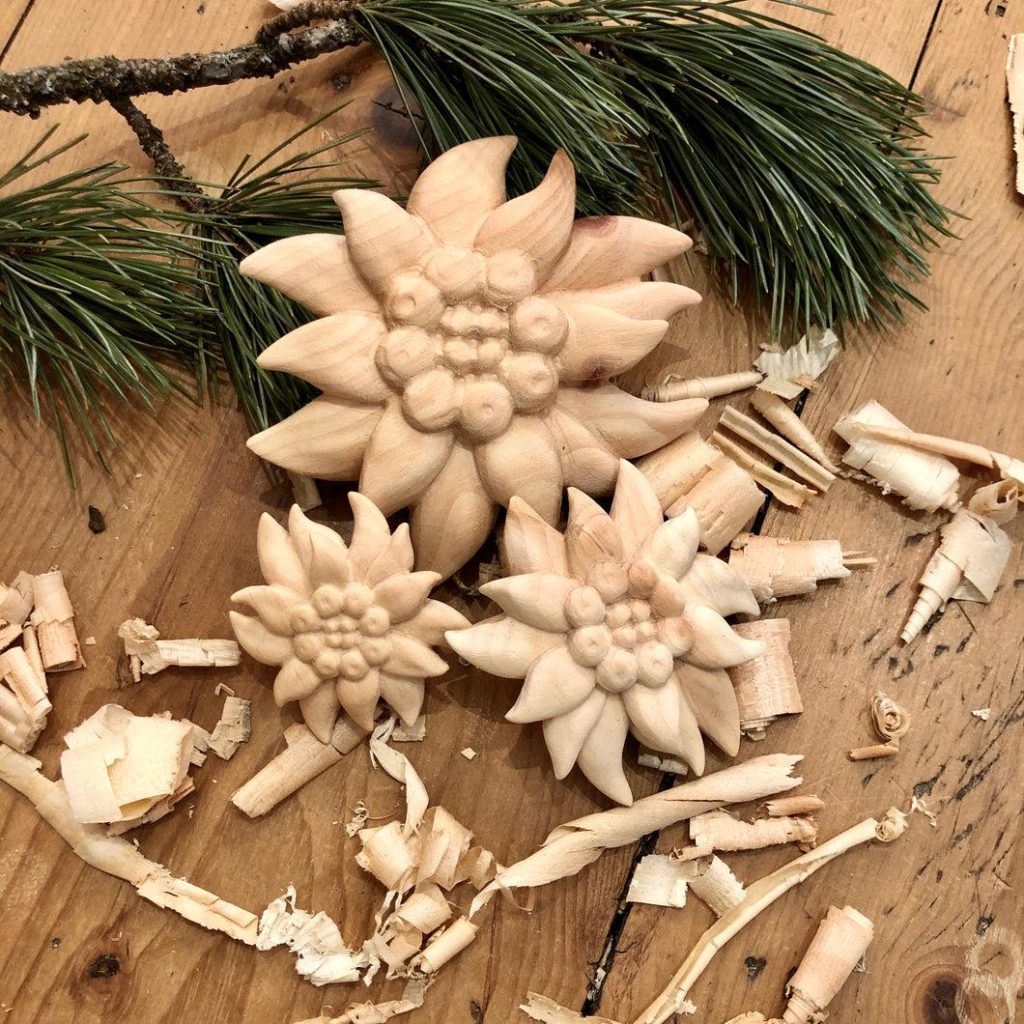
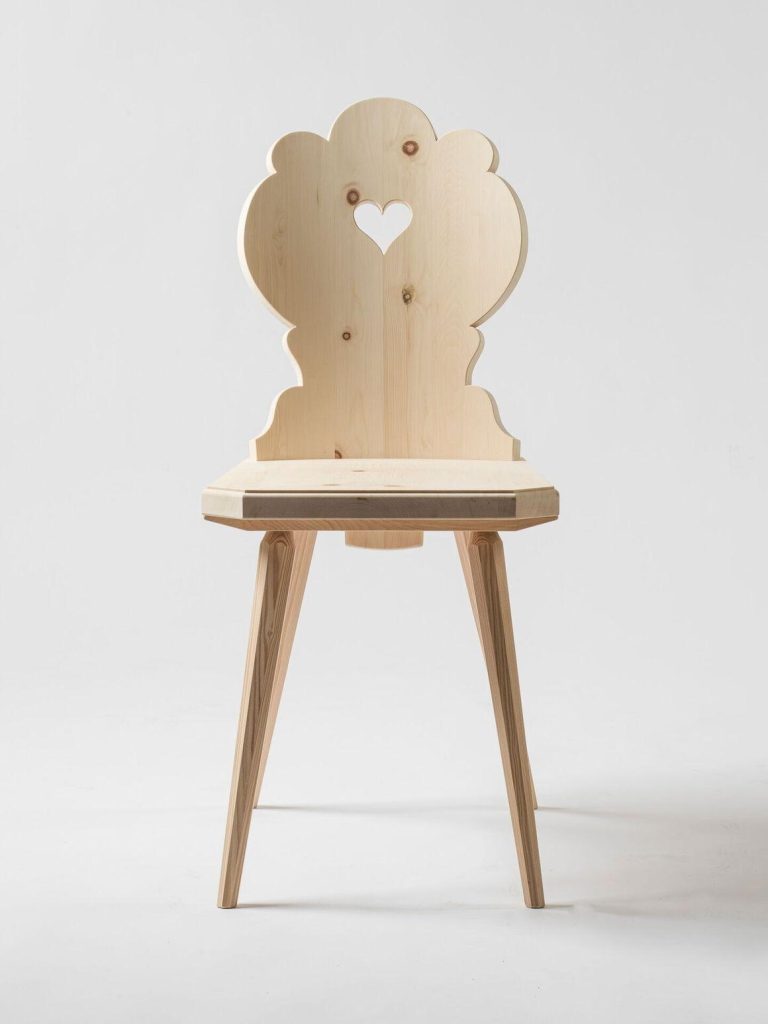
Swiss Stone Pine’s softness, fine texture, aroma, and easy carving characteristics have made it particularly suitable for:
- Wood carving
- Furniture
- Interior paneling
- Cabinetry
- Decorative boxes
- Sculpture
- Wood turning
- Traditional Alpine woodworking
- Interior architectural details
- Collector specimens
Sustainability & Notes
Swiss Stone Pine is an important component of high-elevation forests in the Alps and Carpathians. Trees are adapted to severe winters, heavy snowfall, short growing seasons, and environmental conditions near the upper timberline.
The species is exceptionally slow growing under harsh mountain conditions. Individual trees can become very old, making mature forests ecologically significant.
Swiss Stone Pine also has an interesting ecological relationship with seed-dispersing birds. Its relatively large seeds are transported and cached by birds, particularly nutcrackers, helping establish new trees throughout suitable mountain environments.
Responsible management of high-elevation forests is important because these ecosystems protect mountain soils, influence watersheds, provide wildlife habitat, and help stabilize slopes.
Comparative Notes & Related Species
Macedonian Pine – Another European five-needle pine, native primarily to the Balkan Mountains and an excellent botanical comparison with Swiss Stone Pine.
Stone Pine – A Mediterranean pine famous for its edible seeds and providing an interesting comparison with the high-elevation Swiss Stone Pine.
Bosnian Pine – A rugged Balkan mountain pine adapted to harsh rocky environments and another important component of the EWW European pine collection.
Related Guides
Pine Species Guide
Explore pine species from around the world and compare their geographic ranges, wood properties, grain, ecological adaptations, and traditional uses.
Best Woods for Wood Turning
Compare woods used for bowls, vessels, decorative objects, and other turned projects based on density, grain, stability, cutting characteristics, and finished appearance.
Finishing Oils vs. Polyurethane on Exotic Species
Compare finishing approaches and learn how oils and film finishes influence grain appearance, color, protection, and surface feel.
Wood Toxicity and Allergies Guide
Learn about potential reactions to wood dust, natural resins, and other compounds and appropriate precautions when working with aromatic woods.
Compare Wood Properties
See how this species ranks in density and hardness using our Wood Density & Janka Hardness Chart. You can also explore Hardest Woods, Softest Woods, and Most Dense Woods for quick comparisons.
Collector Notes
Swiss Stone Pine is an excellent collector species because it combines distinctive wood properties with considerable European cultural and ecological significance.
A documented specimen displayed alongside Macedonian Pine, Bosnian Pine, Austrian Pine, Stone Pine, and Maritime Pine creates a strong representation of European Pinus diversity.
For Swiss Stone Pine, provenance from the Alps or Carpathians can add substantial educational interest to a collector specimen.
Share Your Photos of This Species
Do you have lumber, wood samples, tree photographs, woodworking projects, furniture, carvings, turnings, musical instruments, or other items made from this species?
Exotic Woods of the World welcomes photographs from woodworkers, collectors, sawyers, researchers, and wood enthusiasts around the world. Selected submissions may be featured on this page and throughout our website to help document and showcase real-world examples of this species.
When submitting photos, please include the common name, scientific name (if known), a brief description, and any information you would like us to share with the image.
Wood Sample Collection
This species is part of an ongoing effort to document and preserve wood samples from around the world.
Learn more about contributing to the collection:
Resources
Authoritative botanical and forestry references used in compiling information about this species include:
• USDA Forest Service – Wood Handbook: Wood as an Engineering Material
https://www.fpl.fs.usda.gov/products/publications/
• The Wood Database – Global reference for wood identification, physical properties, and woodworking characteristics
https://www.wood-database.com/
• Royal Botanic Gardens, Kew – Plants of the World Online – Botanical taxonomy and species distribution database
https://powo.science.kew.org/
• International Union for Conservation of Nature (IUCN Red List) – Global conservation status assessments
https://www.iucnredlist.org/
• Convention on International Trade in Endangered Species (CITES) – International trade regulations for protected plant species
https://cites.org/
Additional forestry publications, academic research papers, and regional timber studies may also be referenced where available.
Love This Species?
Enjoy learning about this wood species?
Help support the continued growth of Exotic Woods of the World by participating in our Adopt a Species program. Your support helps fund species research, educational content, photography, videos, and future conservation awareness initiatives.
Support Forest Conservation
This species is part of the growing Exotic Woods of the World reference archive, dedicated to documenting and preserving knowledge of the world’s wood species.
Through the Adopt a Species program, visitors can help support ongoing species research, educational content, photography, video production, and future conservation awareness initiatives.
Contributions help fund the continued expansion of this archive while promoting sustainable forestry education and the long-term appreciation of the world’s forests.
Interested in supporting this species? Visit our Adopt a Species and Conservation Partners pages to learn more.
Availability & Where to Buy
Exotic hardwood availability can vary significantly depending on region, sustainability regulations, and supplier inventory.
As this archive grows, recommended suppliers and specialty wood retailers will be listed here to help woodworkers locate responsibly sourced material.
Lumber Suppliers:
Availability varies — see the Where to Buy Exotic Woods page for current sources.
Related Tools & Products:
Availability varies — see the Where to Buy Exotic Woods page for current sources.
Share This Wood Species
Stay Connected
Follow the latest species additions, educational resources, videos, conservation initiatives, and major project milestones through our Site Updates archive.
The Site Updates archive provides a permanent record of new content, library growth, and future developments across Exotic Woods of the World.