
Winged Elm
Scientific name: Ulmus alata
Overview
Winged Elm is a southern North American hardwood named for the corky ridges that develop along its twigs and branches. The tree can grow on both dry uplands and moister sites, although poor ground often produces small, irregular stems rather than clear sawlogs. Its lumber is usually mixed with other elm rather than offered as a regular species-specific product.
The wood belongs to the hard elm group. Its density and interlocked fibers make it useful where toughness is desirable, but small log size and changing grain can limit the yield of clear parts. A modest local log may be more suitable for short furniture components, turning blanks, or a documented collection sample than for wide matching boards.
Quick Facts
- Common Name: Winged Elm
- Alternate Common Names: Wahoo; cork elm
- Scientific Name: Ulmus alata
- Region: North American Woods — southern and south-central United States, from Virginia to Florida and west toward Texas and Oklahoma
- Family: Ulmaceae
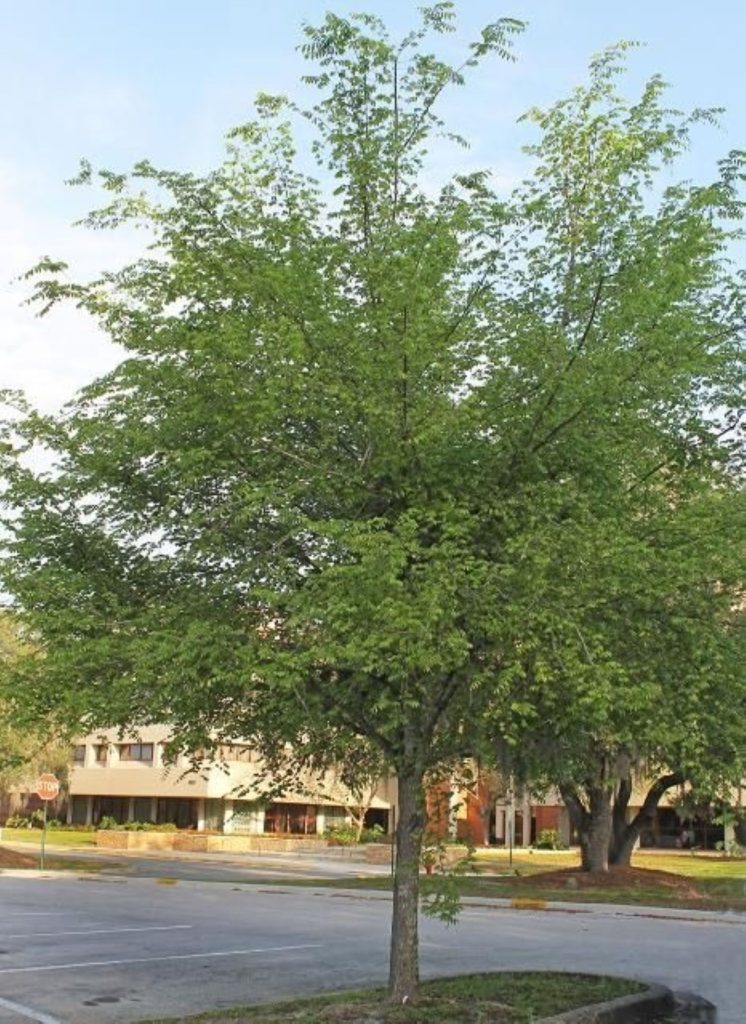
- Tree Size: Usually 35–50 ft (11–15 m) tall and 1–2 ft (0.3–0.6 m) in trunk diameter; larger trees occur on favorable sites
- Average Dried Weight: Approximately 42 lb/ft³ (675 kg/m³)
- Janka Hardness: Approximately 1,540 lbf (6,850 N)
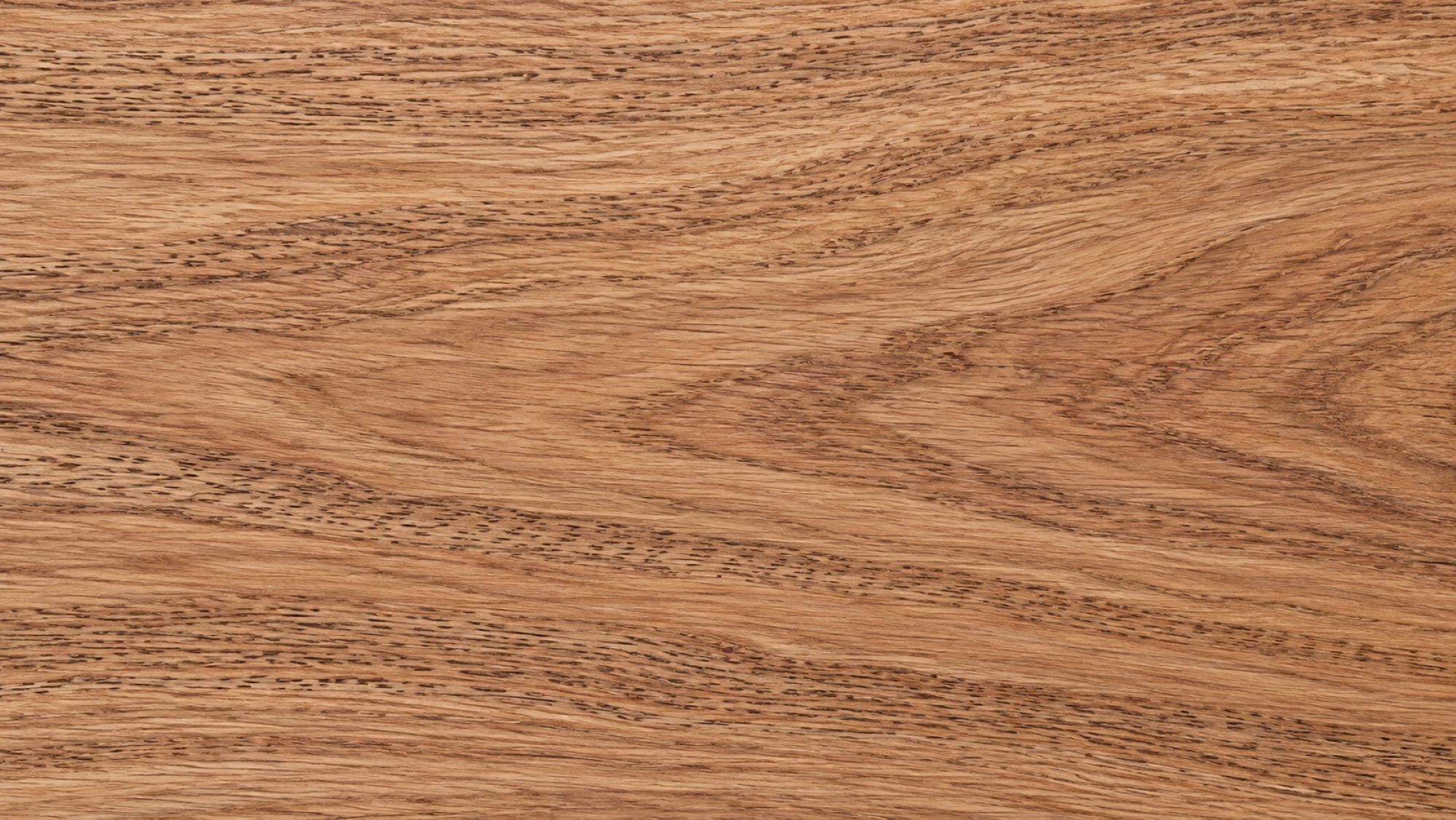
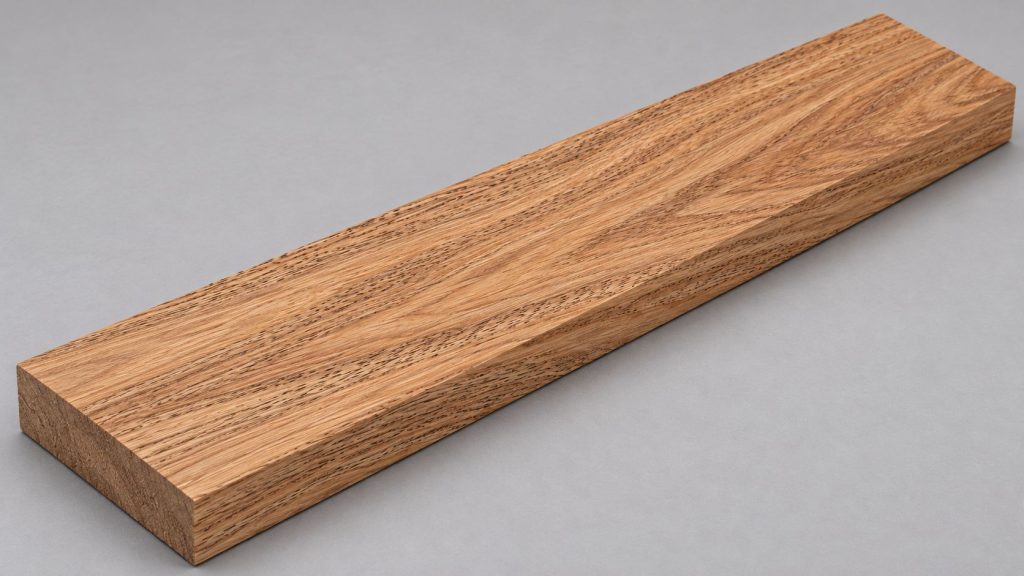
- Color: Light to medium reddish-brown heartwood with paler sapwood
- Grain: Commonly interlocked
- Texture: Coarse and uneven
Identification Characteristics
Inspect a clean cross section with magnification. Winged Elm is ring-porous, with a relatively narrow, sometimes discontinuous earlywood pore row and wavy bands of smaller latewood vessels. These features are useful for recognizing hard elm anatomy, but they do not alone establish an exact species.
Branch wings are valuable supporting evidence when linked to the tree that supplied the wood. Other elms also develop corky growth, so preserve leaf, seed, twig, and locality photographs together. The heartwood color of a finished board is far less reliable than that combined record.
Key identification traits include:
- Narrow earlywood pore band and wavy latewood vessels
- Dense wood with coarse texture
- Interlocked grain that resists splitting
- Paler sapwood contrasting with brown or reddish heartwood
- Persistent corky wings commonly present on branches
Working Properties
Approach a show face cautiously because interlocked fibers can tear during planing. Test a sharp, lightly set tool on an offcut and inspect the surface under raking light. Scraping or controlled sanding may be more effective than repeated heavy passes over reversing grain.
Condition stock before final sizing, especially when converting a fresh local log. Keep machining allowance for movement and check for end cracks or distortion before laying out joints. On wide surfaces, use attachments that allow seasonal cross-grain change rather than rigidly fastening the whole panel.
- Use sharp cutters and light finishing passes
- Predrill dense stock near ends and edges
- Check drying condition before fitting joints
- Test bent parts using clear, suitable-grained offcuts
- Trial stain and pore filling before finishing the project
Safety Note
Elm dust can irritate the eyes, skin, and respiratory tract, and sensitization has been reported. Use effective dust extraction, eye protection, and suitable respiratory protection during machining and sanding. Inspect salvaged stock for embedded metal and unsound wood before cutting.
Common Uses

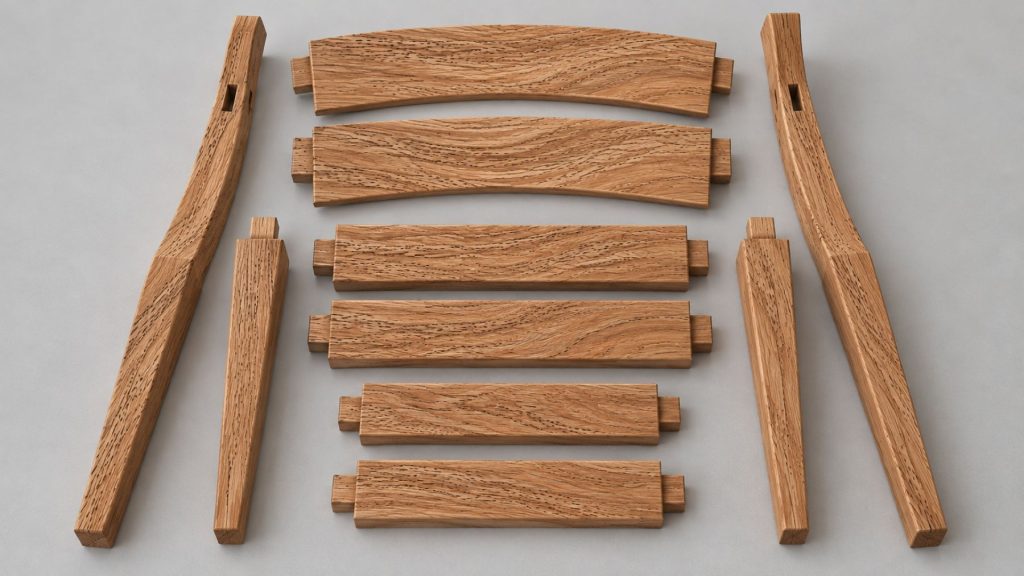
Winged Elm enters the hard elm lumber trade for furniture, hardwood components, flooring, and utility products. Its resistance to splitting has also supported traditional bent and impact-related uses. Evaluate the grain and defects of each piece rather than choosing solely by a hardness number.
Untreated wood is not a dependable choice for damp exterior service. Mechanical toughness should be kept separate from resistance to decay. For reclaimed or urban stock, remove damaged areas and inspect for embedded metal before machining.
- Furniture and chair components
- Selected bentwood parts
- Interior flooring and hardwood components
- Boxes and crates
- Small turnings and specialty projects
Sustainability & Notes
Winged Elm is a minor component of many southern hardwood forests and is susceptible to Dutch elm disease and elm yellows. A small or irregular tree can still have wildlife and landscape value; it need not be removed simply because its wood is usable.
Source lumber from documented suppliers or appropriate existing salvage. When handling diseased elm material, follow local transport and disposal guidance, and retain the source information so commercial mixed elm is not mistakenly cataloged as a confirmed species.
Comparative Notes & Related Species
Related Guides
- Elm Species Guide
- Understanding Interlocked vs Straight Grain
- Understanding Wood Strength: What Makes Wood Strong?
- Wood Movement and Seasonal Expansion Explained
- Best Woods for Wood Turning
Compare Wood Properties
See how this species ranks in density and hardness using our Wood Density & Janka Hardness Chart. You can also explore Hardest Woods, Softest Woods, and Most Dense Woods for quick comparisons.
Collector Notes
Keep a twig photograph showing the wings with a verified wood sample, while recording the other botanical evidence used in identification. The common name cork elm is shared, so include the scientific name on the label.
Prepare radial, tangential, and end-grain views where the specimen permits. A comparison with a softer elm can illustrate differences in pore bands and weight, provided sample dimensions and moisture condition are recorded consistently.
Share Your Photos of This Species
Do you have lumber, wood samples, tree photographs, woodworking projects, furniture, carvings, turnings, musical instruments, or other items made from this species?
Exotic Woods of the World welcomes photographs from woodworkers, collectors, sawyers, researchers, and wood enthusiasts around the world. Selected submissions may be featured on this page and throughout our website to help document and showcase real-world examples of this species.
When submitting photos, please include the common name, scientific name (if known), a brief description, and any information you would like us to share with the image.
Wood Sample Collection
This species is part of an ongoing effort to document and preserve wood samples from around the world.
Learn more about contributing to the collection:
Resources
Authoritative botanical and forestry references used in compiling information about this species include:
• USDA Forest Service – Wood Handbook: Wood as an Engineering Material
https://www.fpl.fs.usda.gov/products/publications/
• The Wood Database – Global reference for wood identification, physical properties, and woodworking characteristics
https://www.wood-database.com/
• Royal Botanic Gardens, Kew – Plants of the World Online – Botanical taxonomy and species distribution database
https://powo.science.kew.org/
• International Union for Conservation of Nature (IUCN Red List) – Global conservation status assessments
https://www.iucnredlist.org/
• Convention on International Trade in Endangered Species (CITES) – International trade regulations for protected plant species
https://cites.org/
Additional forestry publications, academic research papers, and regional timber studies may also be referenced where available.
Love This Species?
Enjoy learning about this wood species?
Help support the continued growth of Exotic Woods of the World by participating in our Adopt a Species program. Your support helps fund species research, educational content, photography, videos, and future conservation awareness initiatives.
Support Forest Conservation
This species is part of the growing Exotic Woods of the World reference archive, dedicated to documenting and preserving knowledge of the world’s wood species.
Through the Adopt a Species program, visitors can help support ongoing species research, educational content, photography, video production, and future conservation awareness initiatives.
Contributions help fund the continued expansion of this archive while promoting sustainable forestry education and the long-term appreciation of the world’s forests.
Interested in supporting this species? Visit our Adopt a Species and Conservation Partners pages to learn more.
Availability & Where to Buy
Exotic hardwood availability can vary significantly depending on region, sustainability regulations, and supplier inventory.
As this archive grows, recommended suppliers and specialty wood retailers will be listed here to help woodworkers locate responsibly sourced material.
Lumber Suppliers:
Availability varies — see the Where to Buy Exotic Woods page for current sources.
Related Tools & Products:
Availability varies — see the Where to Buy Exotic Woods page for current sources.
Share This Wood Species
Stay Connected
Follow the latest species additions, educational resources, videos, conservation initiatives, and major project milestones through our Site Updates archive.
The Site Updates archive provides a permanent record of new content, library growth, and future developments across Exotic Woods of the World.