
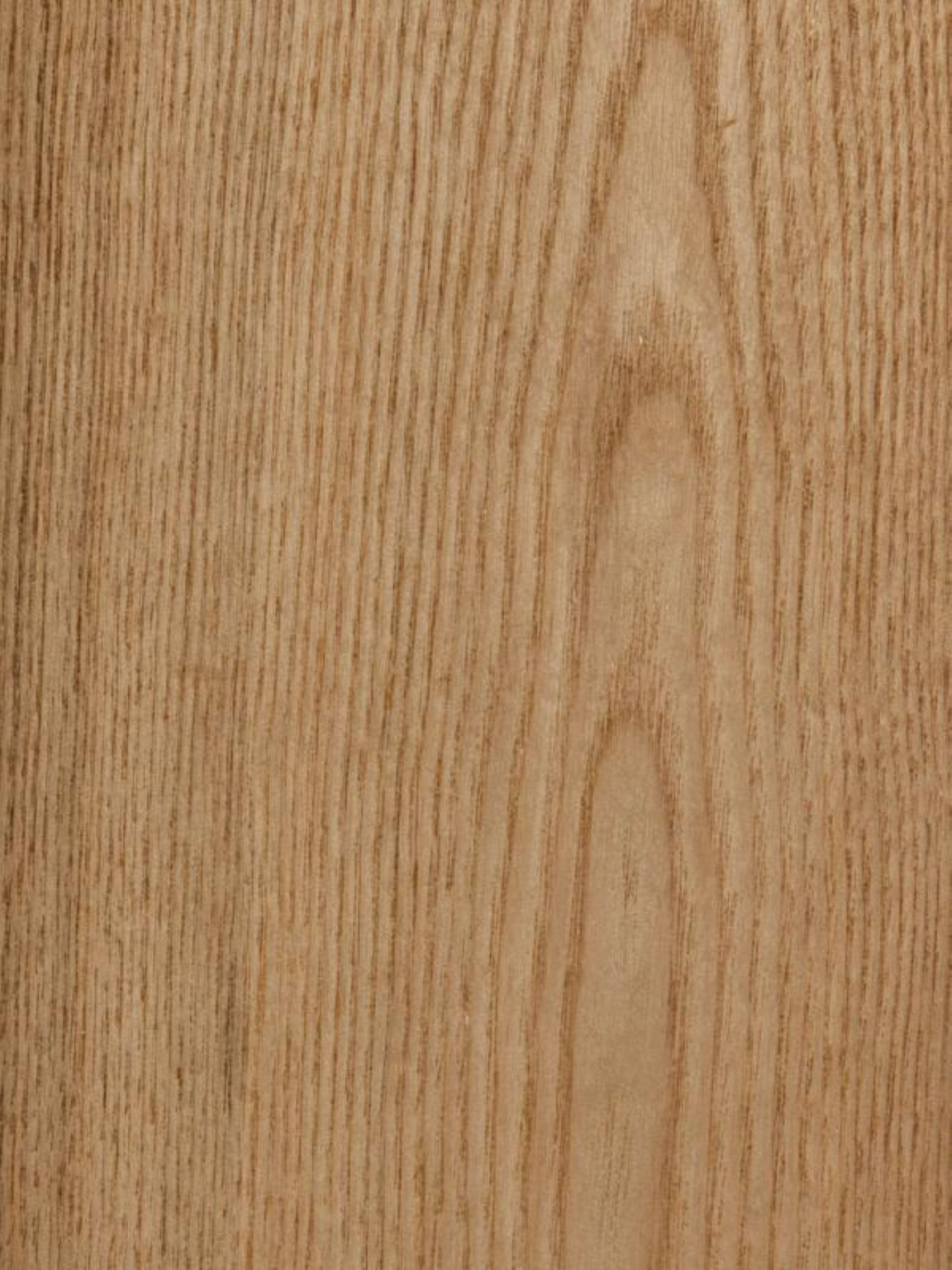
Sassafras
Scientific name: Sassafras albidum
Overview
Sassafras is a distinctive North American hardwood native to the eastern United States, ranging from southern Ontario to Florida and westward into eastern Texas. A member of the Lauraceae family, it is closely related to other aromatic trees such as camphor and cinnamon. Sassafras is best known for its pleasantly spicy fragrance, lightweight yet durable wood, and historic importance in early American woodworking, medicine, and shipbuilding.
The wood is prized for its excellent natural resistance to decay, dimensional stability, and ease of machining. Although softer than many commercial hardwoods, Sassafras has long been used for furniture, cabinetry, fence posts, boatbuilding, cooperage, and specialty woodworking projects. Its attractive grain and aromatic properties also make it a favorite among woodworkers and collectors.
Quick Facts
- Common Name: Sassafras
- Scientific Name: Sassafras albidum
- Region: North American Hardwoods
- Tree Size: 30–80 ft (9–24 m) tall, 2–4 ft (0.6–1.2 m) trunk diameter
- Average Dried Weight: Approximately 31 lbs/ft³ (500 kg/m³)
- Janka Hardness: Approximately 630 lbf
- Grain: Straight to occasionally interlocked
- Texture: Medium
Identification Characteristics
Sassafras heartwood ranges from light yellowish-brown to olive-brown or orange-brown, often darkening with age. The sapwood is pale yellow to creamy white and is usually clearly distinguished from the heartwood. The grain is generally straight with a medium texture and moderate natural luster. Freshly cut wood produces a distinctive spicy aroma that is one of its most recognizable identifying features.
Key identification traits include:
- Light yellowish-brown to olive-brown heartwood
- Pale cream to yellow sapwood
- Distinctive spicy fragrance
- Straight to occasionally interlocked grain
- Medium texture
- Moderate natural luster
- Excellent natural decay resistance
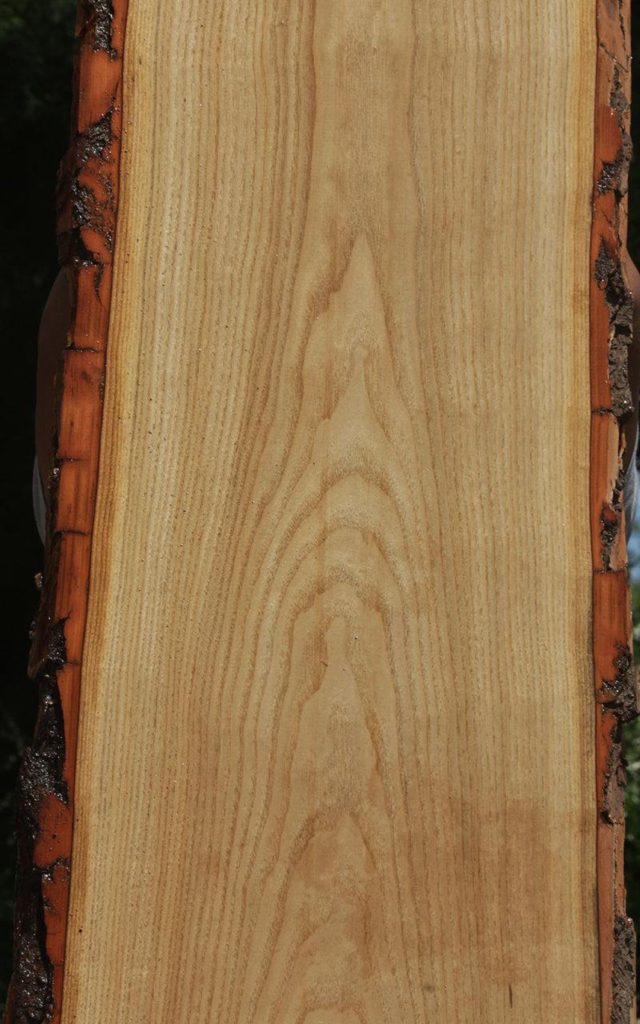
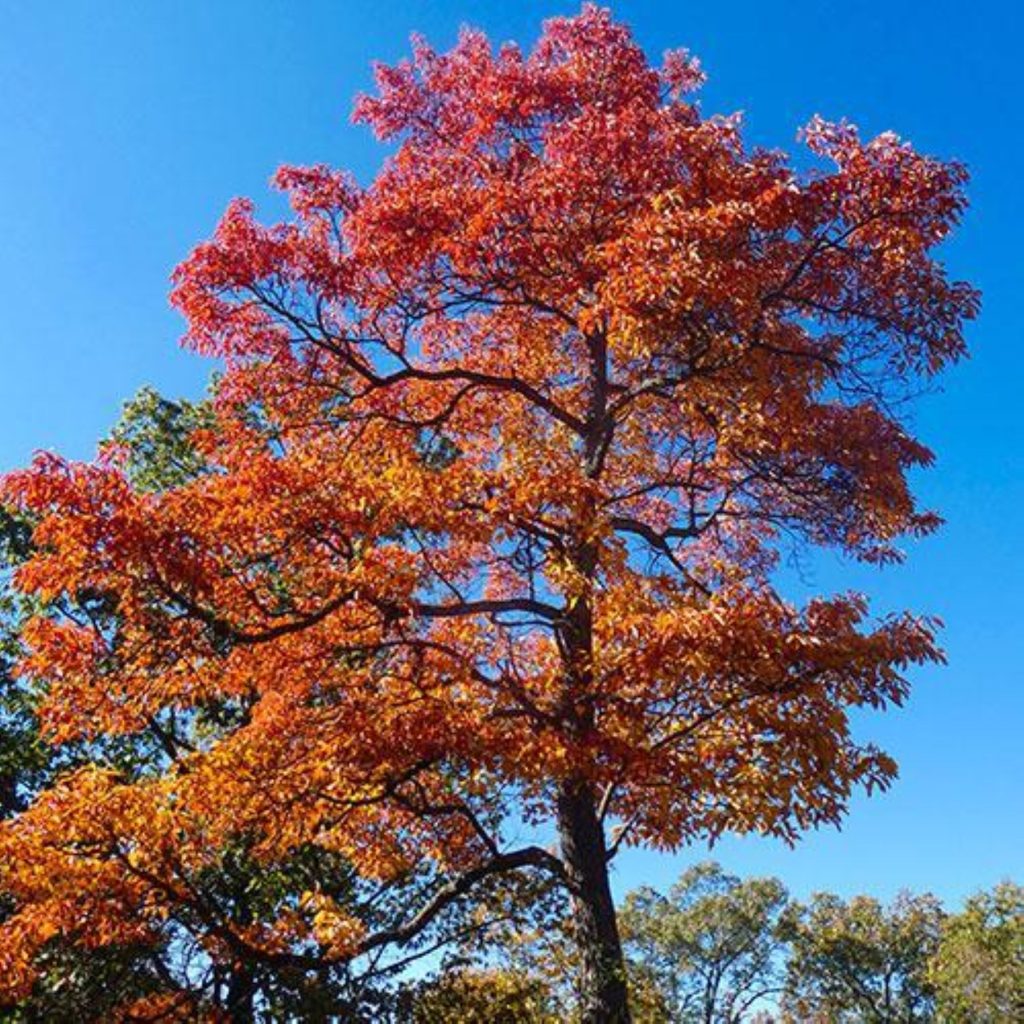
Working Properties
Sassafras is an easy hardwood to work with using both hand and power tools. It machines cleanly, glues readily, and accepts stains, oils, and clear finishes with excellent results. Its low density makes it easy to carve and turn while maintaining good dimensional stability.
- Machines easily
- Excellent hand-tool performance
- Turns well
- Carves easily
- Sands to a smooth finish
- Glues and finishes exceptionally well
- Excellent dimensional stability
Safety Note
Wood dust may cause mild skin, eye, or respiratory irritation in sensitive individuals. Standard dust collection and respiratory protection are recommended during machining and sanding.
Common Uses


Its combination of light weight, natural durability, attractive appearance, and excellent workability makes Sassafras suitable for numerous woodworking applications, including:
- Furniture
- Cabinetry
- Interior trim
- Doors
- Boatbuilding
- Fence posts
- Wood carving
- Turned objects
- Cooperage
- Rustic woodworking projects
Sustainability & Notes
Sassafras is widespread throughout eastern North America and is not considered a threatened timber species. It regenerates readily following disturbance and remains an important component of many eastern hardwood forests. Historically, the tree was harvested not only for its wood but also for its aromatic bark and roots, which were once widely used to produce sassafras oil and traditional root beer flavoring.
Today, the wood remains popular among woodworkers who appreciate its unique aroma, natural durability, and ease of use.
Comparative Notes & Related Species
American Ash – Another North American hardwood valued for its excellent workability and widespread use in furniture and millwork.
American Elm – Shares similar historical uses in furniture, cooperage, and general woodworking, though it has a more interlocked grain.
Camphor – A member of the Lauraceae family that also produces aromatic wood with a distinctive fragrance and attractive appearance.
Related Guides
Hardwood vs. Softwood: Key Differences Explained – Discover why botanical classification often differs from wood density and hardness.
Wood Families & Trade Groups – Explore how botanical families help identify relationships between wood species around the world.
Labeling and Cataloging Wood Samples – Discover effective methods for organizing and documenting a growing wood collection.
Compare Wood Properties
See how this species ranks in density and hardness using our Wood Density & Janka Hardness Chart. You can also explore Hardest Woods, Softest Woods, and Most Dense Woods for quick comparisons.
Collector Notes
Sassafras is an excellent collector species because it combines historical significance, aromatic wood, and distinctive appearance in a single North American hardwood. Its spicy fragrance immediately distinguishes it from most other domestic species, while its attractive grain and natural durability make it a worthwhile addition to any documented wood collection. A well-labeled sample also represents one of the few commercially important members of the Lauraceae family found in North America.
Share Your Photos of This Species
Do you have lumber, wood samples, tree photographs, woodworking projects, furniture, carvings, turnings, musical instruments, or other items made from this species?
Exotic Woods of the World welcomes photographs from woodworkers, collectors, sawyers, researchers, and wood enthusiasts around the world. Selected submissions may be featured on this page and throughout our website to help document and showcase real-world examples of this species.
When submitting photos, please include the common name, scientific name (if known), a brief description, and any information you would like us to share with the image.
Wood Sample Collection
This species is part of an ongoing effort to document and preserve wood samples from around the world.
Learn more about contributing to the collection:
Resources
Authoritative botanical and forestry references used in compiling information about this species include:
• USDA Forest Service – Wood Handbook: Wood as an Engineering Material
https://www.fpl.fs.usda.gov/products/publications/
• The Wood Database – Global reference for wood identification, physical properties, and woodworking characteristics
https://www.wood-database.com/
• Royal Botanic Gardens, Kew – Plants of the World Online – Botanical taxonomy and species distribution database
https://powo.science.kew.org/
• International Union for Conservation of Nature (IUCN Red List) – Global conservation status assessments
https://www.iucnredlist.org/
• Convention on International Trade in Endangered Species (CITES) – International trade regulations for protected plant species
https://cites.org/
Additional forestry publications, academic research papers, and regional timber studies may also be referenced where available.
Love This Species?
Enjoy learning about this wood species?
Help support the continued growth of Exotic Woods of the World by participating in our Adopt a Species program. Your support helps fund species research, educational content, photography, videos, and future conservation awareness initiatives.
Support Forest Conservation
This species is part of the growing Exotic Woods of the World reference archive, dedicated to documenting and preserving knowledge of the world’s wood species.
Through the Adopt a Species program, visitors can help support ongoing species research, educational content, photography, video production, and future conservation awareness initiatives.
Contributions help fund the continued expansion of this archive while promoting sustainable forestry education and the long-term appreciation of the world’s forests.
Interested in supporting this species? Visit our Adopt a Species and Conservation Partners pages to learn more.
Availability & Where to Buy
Exotic hardwood availability can vary significantly depending on region, sustainability regulations, and supplier inventory.
As this archive grows, recommended suppliers and specialty wood retailers will be listed here to help woodworkers locate responsibly sourced material.
Lumber Suppliers:
Availability varies — see the Where to Buy Exotic Woods page for current sources.
Related Tools & Products:
Availability varies — see the Where to Buy Exotic Woods page for current sources.
Share This Wood Species
Stay Connected
Follow the latest species additions, educational resources, videos, conservation initiatives, and major project milestones through our Site Updates archive.
The Site Updates archive provides a permanent record of new content, library growth, and future developments across Exotic Woods of the World.