
Chinese Walnut
Scientific name: Juglans cathayensis
Overview
Chinese Walnut is a deciduous Asian walnut traditionally identified as Juglans cathayensis. Regional references associate it with mountain forests in central and southern China and Taiwan, and describe its timber as suitable for furniture and decorative work. Kew currently treats this name as a synonym of Juglans mandshurica var. mandshurica, although recent scientific studies continue to use Juglans cathayensis. This profile preserves the familiar name and explains the relationship so historical specimens and timber labels remain traceable.
Quick Facts
- Common Name: Chinese Walnut
- Scientific Name: Juglans cathayensis
- Kew Accepted Name: Juglans mandshurica var. mandshurica
- Family: Juglandaceae
- Region: Asian Woods
- Other Names: Wild Walnut; Ye He Tao; Taiwan Walnut in regional references
- Native Range: Central and southern China and Taiwan in references using the traditional Juglans cathayensis name
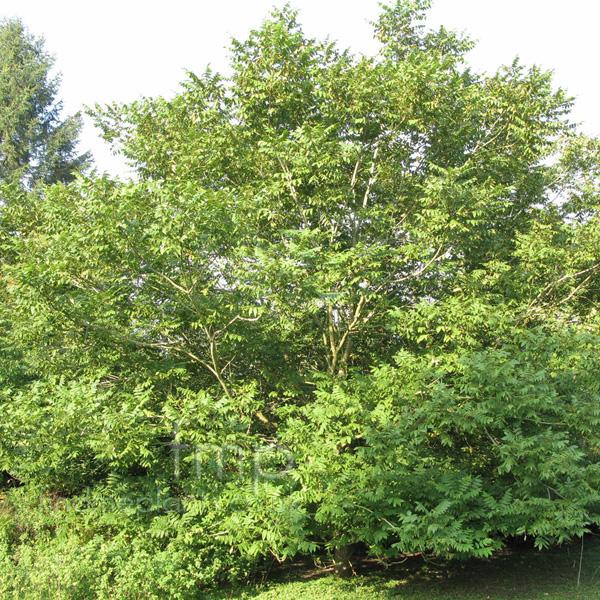
- Tree Size: Approximately 12–25 m (39–82 ft) tall in the cited Chinese botanical description
- Average Dried Weight: A reliable value for material specifically identified as Juglans cathayensis was not verified
- Janka Hardness: A reliable value for material specifically identified as Juglans cathayensis was not verified
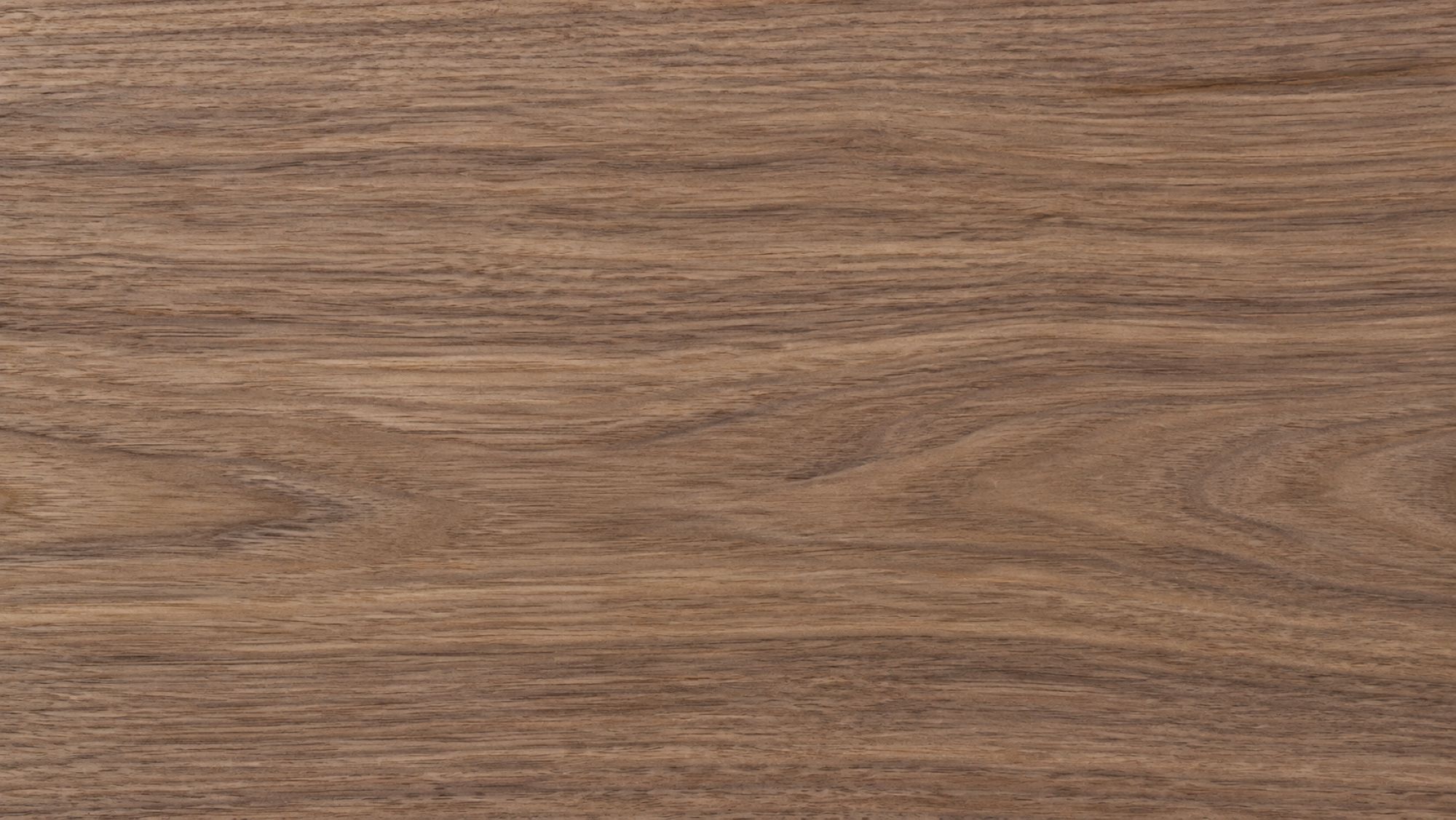
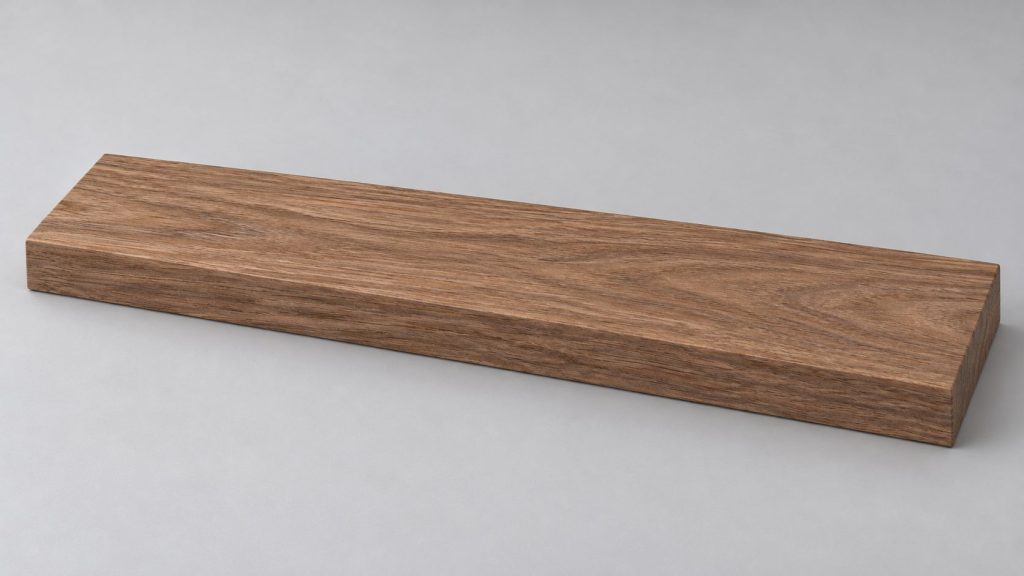
- Color: Regional Taiwanese forestry descriptions report brown heartwood with darker purple-black streaks; individual timber varies
- Grain: Inspect individual boards; a consistent taxon-specific grain description was not verified
- Texture: Regional sources describe solid timber; an exact texture classification was not verified
Identification Characteristics
Traditional botanical descriptions emphasize large pinnate leaves, hairy leaflets, and thick-shelled nuts with pronounced ridges. These characters helped distinguish Chinese Walnut in older treatments, but Flora of China incorporates it into Manchurian Walnut. For a wood sample, brown heartwood or dark streaks alone cannot resolve the name. Documented tree origin and the identification reference are especially valuable for this closely related group.
Key identification traits include:
- Large compound leaves with toothed leaflets
- Hairy leaflet undersides and glandular hairs on young shoots
- Thick, hard nut shells with longitudinal ridges and deep surface depressions
- Brown heartwood with dark streaking described in Taiwanese regional references
- Supplier or collection records retaining the original botanical name
Working Properties
Chinese regional references report sound timber that has been used for furniture. Detailed machining, glue, bending, and drying test data for material explicitly identified as Juglans cathayensis were not verified. The following workshop steps are general practices for evaluating walnut stock, rather than measured performance claims for this taxon. A trial piece is useful before selecting settings or a finish for a larger project.
- Machining: Try representative stock with sharp cutters before production work
- Planing: Observe grain direction and use lighter cuts where figure changes
- Drying: Verify moisture content and allow boards to acclimate before assembly
- Joinery: Test adhesives and predrill where the stock or joint design requires it
- Finishing: Use an offcut to evaluate color, surface preparation, and finish compatibility
Safety Note
Use dust extraction, eye protection, and appropriate respiratory protection when machining or sanding. Avoid unnecessary exposure to fine wood dust and clean the work area regularly. These are general woodworking precautions; a specific dust-sensitivity profile for Chinese Walnut was not verified.
Common Uses

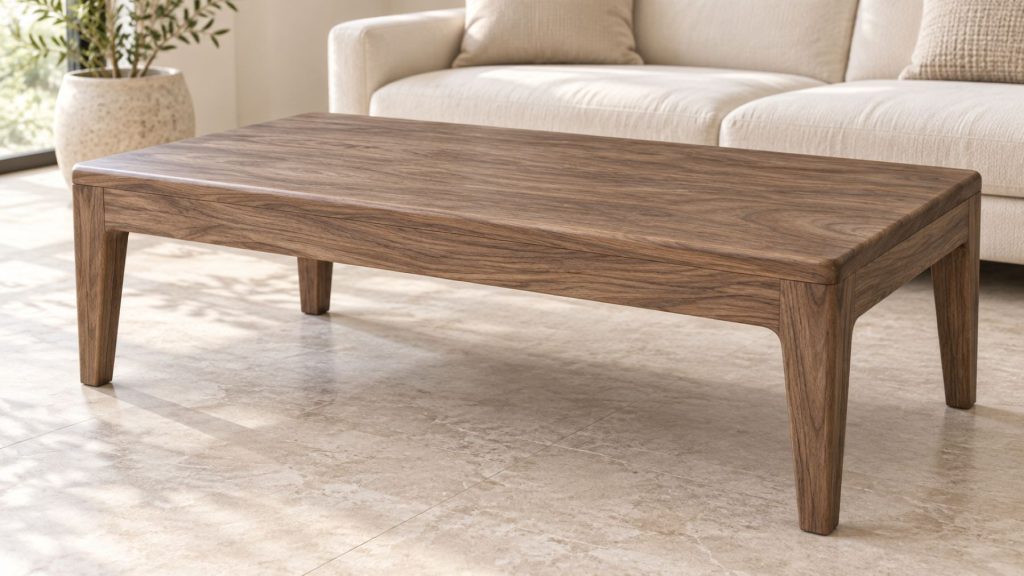
Chinese and Taiwanese regional references identify furniture and decorative timber as uses. Applications should follow the properties of the actual boards rather than performance figures taken from another walnut.
- Furniture
- Decorative woodwork and furniture details
- Documented specimens for reference wood collections
Sustainability & Notes
Regional botanical accounts place this walnut in mixed mountain forests, while recent research continues to study plants under the Juglans cathayensis name. Maintain the original name alongside Kew’s accepted treatment on sourcing records. Obtain harvest location and responsible-sourcing documentation from the supplier. The existence of a wild tree population or a research collection does not establish the sustainability of a timber shipment. A verified conservation assessment specifically tied to the traditional Chinese Walnut name is not supplied here.
Comparative Notes & Related Species
Related Guides
- Walnut Species Guide
- How to Identify Wood by End Grain Patterns
- Finishing Oils vs Polyurethane on Exotic Species
- Understanding Wood Shrinkage Values Explained
- Building a Documented Wood Collection
Compare Wood Properties
See how this species ranks in density and hardness using our Wood Density & Janka Hardness Chart. You can also explore Hardest Woods, Softest Woods, and Most Dense Woods for quick comparisons.
Collector Notes
Keep Juglans cathayensis on the specimen record when it was the original identification, and add Juglans mandshurica var. mandshurica as Kew’s current treatment. Record the collection locality and whether the material came from mainland China or Taiwan. Preserve a prepared end-grain face and an unfinished area for future comparison. Do not relabel a specimen solely because its color resembles another walnut, and do not transfer Manchurian or Black Walnut test values to it without a documented basis.
Share Your Photos of This Species
Do you have lumber, wood samples, tree photographs, woodworking projects, furniture, carvings, turnings, musical instruments, or other items made from this species?
Exotic Woods of the World welcomes photographs from woodworkers, collectors, sawyers, researchers, and wood enthusiasts around the world. Selected submissions may be featured on this page and throughout our website to help document and showcase real-world examples of this species.
When submitting photos, please include the common name, scientific name (if known), a brief description, and any information you would like us to share with the image.
Wood Sample Collection
This species is part of an ongoing effort to document and preserve wood samples from around the world.
Learn more about contributing to the collection:
Resources
Authoritative botanical and forestry references used in compiling information about this species include:
• USDA Forest Service – Wood Handbook: Wood as an Engineering Material
https://www.fpl.fs.usda.gov/products/publications/
• The Wood Database – Global reference for wood identification, physical properties, and woodworking characteristics
https://www.wood-database.com/
• Royal Botanic Gardens, Kew – Plants of the World Online – Botanical taxonomy and species distribution database
https://powo.science.kew.org/
• International Union for Conservation of Nature (IUCN Red List) – Global conservation status assessments
https://www.iucnredlist.org/
• Convention on International Trade in Endangered Species (CITES) – International trade regulations for protected plant species
https://cites.org/
Love This Species?
Enjoy learning about this wood species?
Help support the continued growth of Exotic Woods of the World by participating in our Adopt a Species program. Your support helps fund species research, educational content, photography, videos, and future conservation awareness initiatives.
Support Forest Conservation
This species is part of the growing Exotic Woods of the World reference archive, dedicated to documenting and preserving knowledge of the world’s wood species.
Through the Adopt a Species program, visitors can help support ongoing species research, educational content, photography, video production, and future conservation awareness initiatives.
Contributions help fund the continued expansion of this archive while promoting sustainable forestry education and the long-term appreciation of the world’s forests.
Interested in supporting this species? Visit our Adopt a Species and Conservation Partners pages to learn more.
Availability & Where to Buy
Exotic hardwood availability can vary significantly depending on region, sustainability regulations, and supplier inventory.
As this archive grows, recommended suppliers and specialty wood retailers will be listed here to help woodworkers locate responsibly sourced material.
Lumber Suppliers:
Availability varies — see the Where to Buy Exotic Woods page for current sources.
Related Tools & Products:
Availability varies — see the Where to Buy Exotic Woods page for current sources.
Share This Wood Species
Stay Connected
Follow the latest species additions, educational resources, videos, conservation initiatives, and major project milestones through our Site Updates archive.
The Site Updates archive provides a permanent record of new content, library growth, and future developments across Exotic Woods of the World.