
Northern White Cedar
Scientific name: Thuja occidentalis
Overview
Northern White Cedar is a lightweight North American conifer valued for decay-resistant heartwood and a long history of outdoor and boat-related use. It is also known as Eastern White Cedar or Arborvitae. Botanically it belongs to the cypress family, rather than to the true cedars of the genus Cedrus.
The combination of low weight and useful heartwood durability makes it appealing for shingles, fencing, paneling and canoe components. It is also very soft, so natural decay resistance should not be confused with high strength, impact resistance or resistance to dents. Design and stock selection need to reflect both sides of that character.
Quick Facts
- Common Name: Northern White Cedar
- Alternate Common Names: Eastern White Cedar, Arborvitae, Swamp Cedar
- Scientific Name: Thuja occidentalis
- Region: North American Woods — Eastern Canada and the north-central and northeastern United States
- Family: Cupressaceae
- Tree Size: Commonly 35–65 ft (10–20 m) tall; larger stems may reach 2–3 ft (0.6–0.9 m) in diameter
- Average Dried Weight: Approximately 22 lb/ft³ (350 kg/m³)
- Janka Hardness: Approximately 320 lbf (1,420 N)
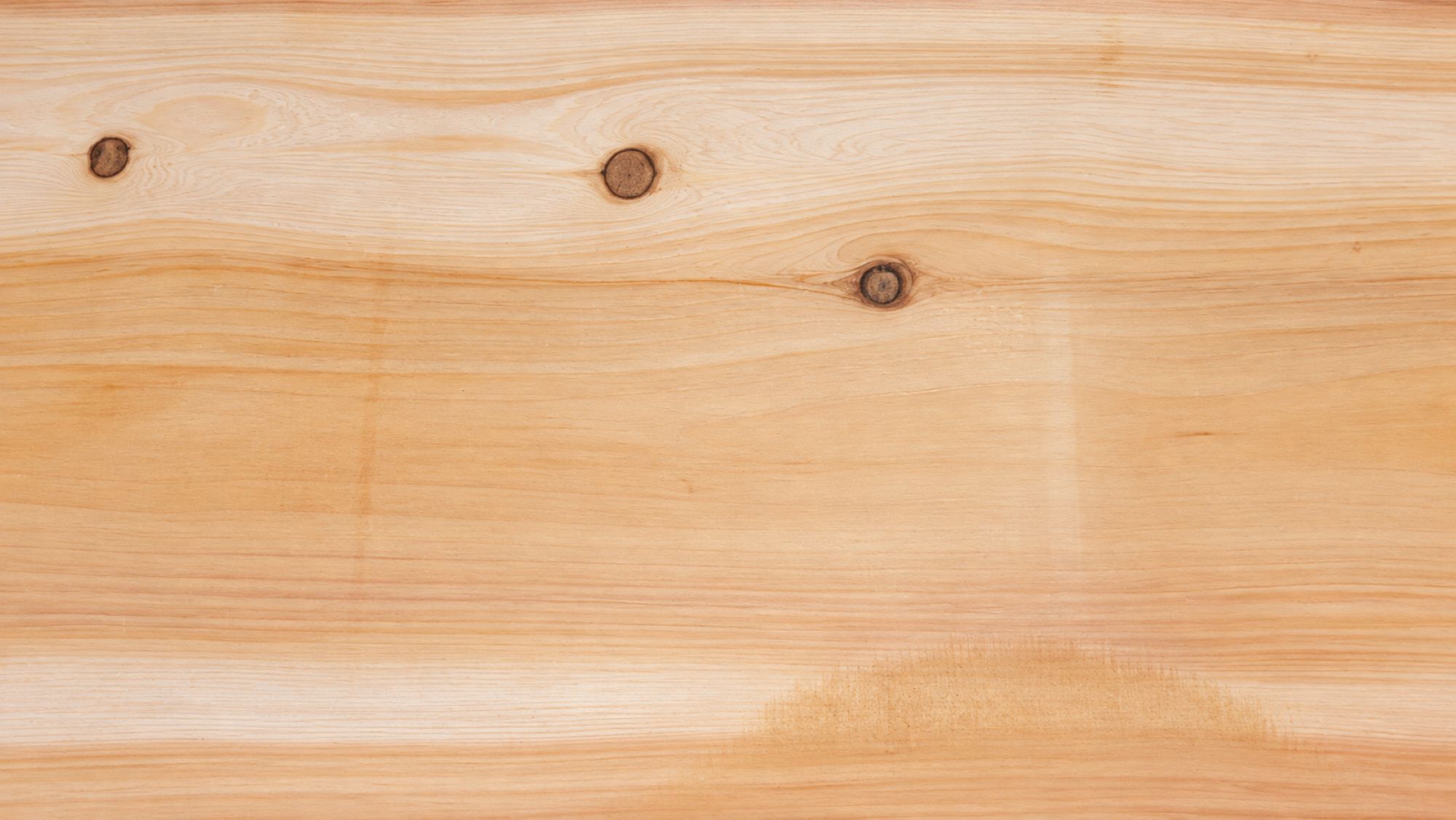
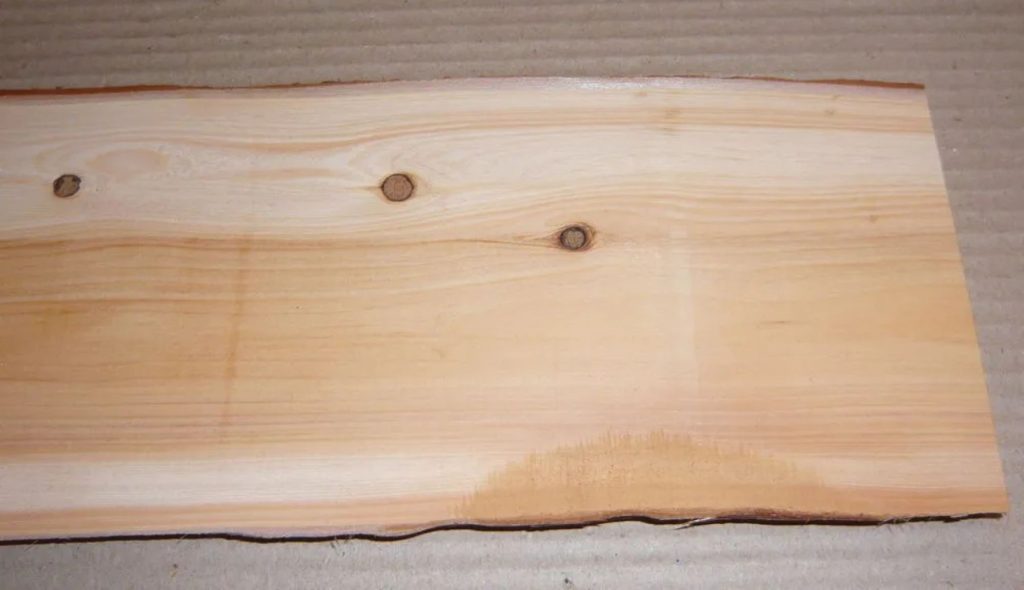
- Color: Nearly white sapwood with light brown to light reddish-brown heartwood
- Grain: Usually straight, with small knots in some stock
- Texture: Fine and even
Identification Characteristics
Look for pale sapwood, light brown heartwood and a fine, even texture. The wood has a cedar-like aroma when freshly worked and lacks the visible vessel pores of hardwoods. Narrow growth rings and small knots can be conspicuous in material cut from modest-sized trees.
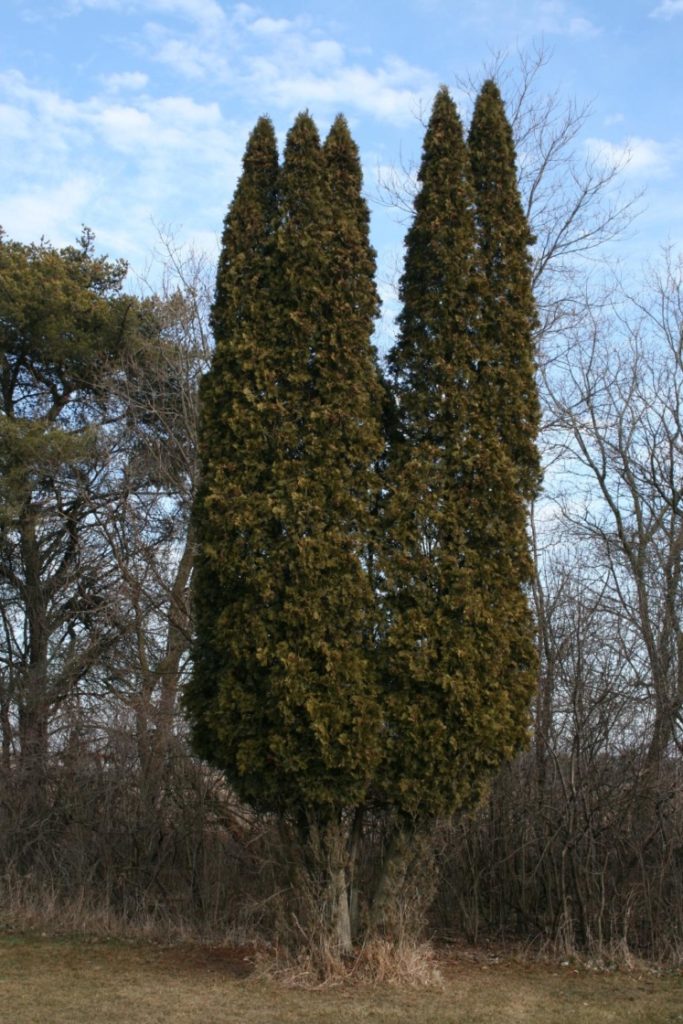
The source tree carries scale-like foliage in flattened sprays and small cones. These field features help separate Northern White Cedar from unrelated trees sold under cedar names. Odor and pale color are useful observations but do not establish species on their own.
Key identification traits include:
- Very low weight for a commercial North American wood
- Nearly white sapwood and light brown heartwood
- Fine, even texture with generally straight grain
- No hardwood vessel pores
- Cedar-like aroma when freshly worked
- Flattened sprays of scale-like foliage on the source tree
Working Properties
Northern White Cedar cuts readily with hand tools and generally glues and finishes well. Its softness calls for sharp tools and gentle handling: dull edges can crush fibers, and excessive pressure can mark an otherwise clean surface. Uneven sanding can hollow the softer earlywood between denser bands.
Fastener holding is limited compared with denser woods. Choose joints and fixings for the load, support thin edges and avoid driving screws too close to ends. For outdoor work, select suitable heartwood and detail the project so water drains rather than remaining trapped at joints.
- Use sharp tools to avoid crushing fibers
- Protect finished faces from clamp and handling dents
- Sand evenly without hollowing softer growth zones
- Predrill vulnerable ends and thin sections
- Design joints around modest fastener holding
- Check knot soundness before machining
- Test the finish on representative heartwood and sapwood
- Use water-shedding details in exposed work
Safety Note
Northern White Cedar dust can cause skin and respiratory reactions, including asthma-like symptoms in susceptible people. Use effective dust extraction, eye protection and suitable respiratory protection when cutting or sanding. A pleasant cedar aroma is not a substitute for controlling dust exposure.
Common Uses

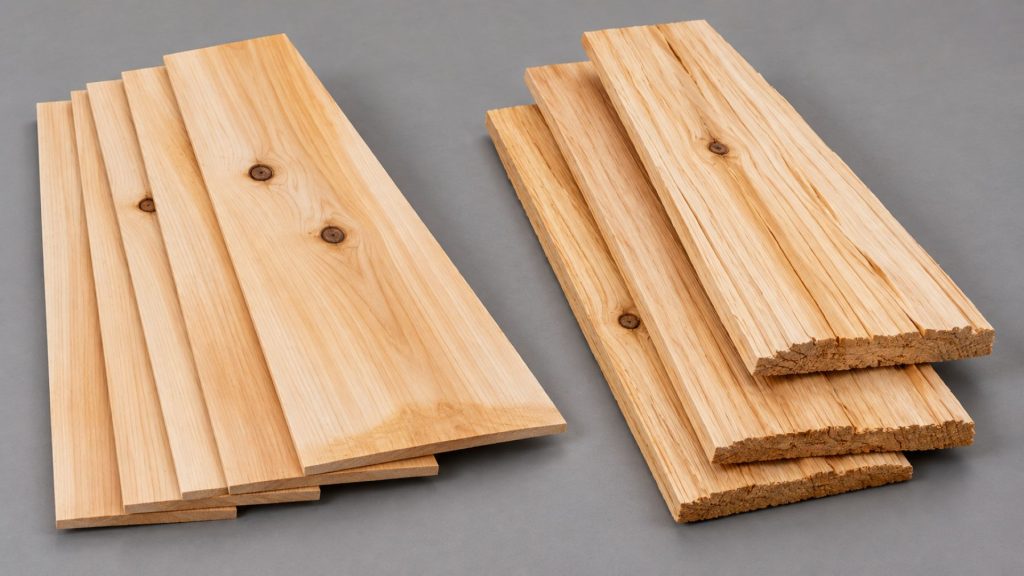
Northern White Cedar has supplied fenceposts, shingles, cabin logs, outdoor furniture and interior paneling. In boat work, its low weight has supported uses such as canoe ribs and related components where selected stock and suitable construction methods are important.
A naturally durable heartwood does not make every board suitable for every exterior job. Sapwood, knots, decay already present in the tree and the severity of exposure affect performance. Use application-specific grading and design when the component carries a significant load.
- Fencing and posts
- Shingles and shakes
- Cabin logs and rustic construction
- Outdoor furniture
- Interior paneling
- Selected canoe and boat components
Sustainability & Notes
Northern White Cedar can be slow-growing and very long-lived. Cedar swamps and older stands also provide habitat that is not replaced simply by obtaining a new supply of seedlings. Responsible sourcing should account for regeneration, browsing pressure and the ecological value of the stand.
Use documented timber from appropriate management or authorized removals, and recover useful short pieces where possible. Check logs for internal decay before assuming that the species’ reputation for durable heartwood means all standing timber is sound.
Comparative Notes & Related Species
Related Guides
- Cedar Species Guide
- Best Woods for Outdoor Use
- Finishing Oils vs Polyurethane on Exotic Species
- Wood Movement and Seasonal Expansion Explained
- Understanding Wood Shrinkage Values Explained
Compare Wood Properties
See how this species ranks in density and hardness using our Wood Density & Janka Hardness Chart. You can also explore Hardest Woods, Softest Woods, and Most Dense Woods for quick comparisons.
Collector Notes
Retain both sapwood and heartwood when possible, and note the aroma when the sample is freshly prepared. Include transverse and longitudinal faces so the fine structure and growth-ring pattern can be compared with Western Red Cedar and other cedar-named woods.
Keep the botanical identity explicit because “white cedar” can refer to different trees. Record locality, source and whether a specimen came from a natural woodland tree or a cultivated arborvitae. Protect the soft sample from scratches and dents during storage.
Share Your Photos of This Species
Do you have lumber, wood samples, tree photographs, woodworking projects, furniture, carvings, turnings, musical instruments, or other items made from this species?
Exotic Woods of the World welcomes photographs from woodworkers, collectors, sawyers, researchers, and wood enthusiasts around the world. Selected submissions may be featured on this page and throughout our website to help document and showcase real-world examples of this species.
When submitting photos, please include the common name, scientific name (if known), a brief description, and any information you would like us to share with the image.
Wood Sample Collection
This species is part of an ongoing effort to document and preserve wood samples from around the world.
Learn more about contributing to the collection:
Resources
Authoritative botanical and forestry references used in compiling information about this species include:
• USDA Forest Service – Wood Handbook: Wood as an Engineering Material
https://www.fpl.fs.usda.gov/products/publications/
• The Wood Database – Global reference for wood identification, physical properties, and woodworking characteristics
https://www.wood-database.com/
• Royal Botanic Gardens, Kew – Plants of the World Online – Botanical taxonomy and species distribution database
https://powo.science.kew.org/
• International Union for Conservation of Nature (IUCN Red List) – Global conservation status assessments
https://www.iucnredlist.org/
• Convention on International Trade in Endangered Species (CITES) – International trade regulations for protected plant species
https://cites.org/
Additional forestry publications, academic research papers, and regional timber studies may also be referenced where available.
Love This Species?
Enjoy learning about this wood species?
Help support the continued growth of Exotic Woods of the World by participating in our Adopt a Species program. Your support helps fund species research, educational content, photography, videos, and future conservation awareness initiatives.
Support Forest Conservation
This species is part of the growing Exotic Woods of the World reference archive, dedicated to documenting and preserving knowledge of the world’s wood species.
Through the Adopt a Species program, visitors can help support ongoing species research, educational content, photography, video production, and future conservation awareness initiatives.
Contributions help fund the continued expansion of this archive while promoting sustainable forestry education and the long-term appreciation of the world’s forests.
Interested in supporting this species? Visit our Adopt a Species and Conservation Partners pages to learn more.
Availability & Where to Buy
Exotic hardwood availability can vary significantly depending on region, sustainability regulations, and supplier inventory.
As this archive grows, recommended suppliers and specialty wood retailers will be listed here to help woodworkers locate responsibly sourced material.
Lumber Suppliers:
Availability varies — see the Where to Buy Exotic Woods page for current sources.
Related Tools & Products:
Availability varies — see the Where to Buy Exotic Woods page for current sources.
Share This Wood Species
Stay Connected
Follow the latest species additions, educational resources, videos, conservation initiatives, and major project milestones through our Site Updates archive.
The Site Updates archive provides a permanent record of new content, library growth, and future developments across Exotic Woods of the World.