

White Fir
Scientific name: Abies concolor
Overview
White Fir is a western North American true fir producing pale, relatively lightweight timber. It occurs across a varied mountain range, from mixed-conifer forests toward drier interior regions. Its lumber is often marketed with other western true firs and hemlock rather than as a separately identified species.
For a woodworker, White Fir offers workable stock for protected uses, but a board’s moisture condition and defects deserve close attention. The name Hem-Fir identifies a commercial species combination, not a botanical identification of an individual piece. Douglas Fir belongs to a different genus and should not be substituted in a collection record simply because both names contain fir.
Quick Facts
- Common Name: White Fir
- Alternate Common Names: Concolor fir; white fir (also a broader commercial grouping)
- Scientific Name: Abies concolor
- Region: North American Woods — mountain forests of the western United States
- Family: Pinaceae
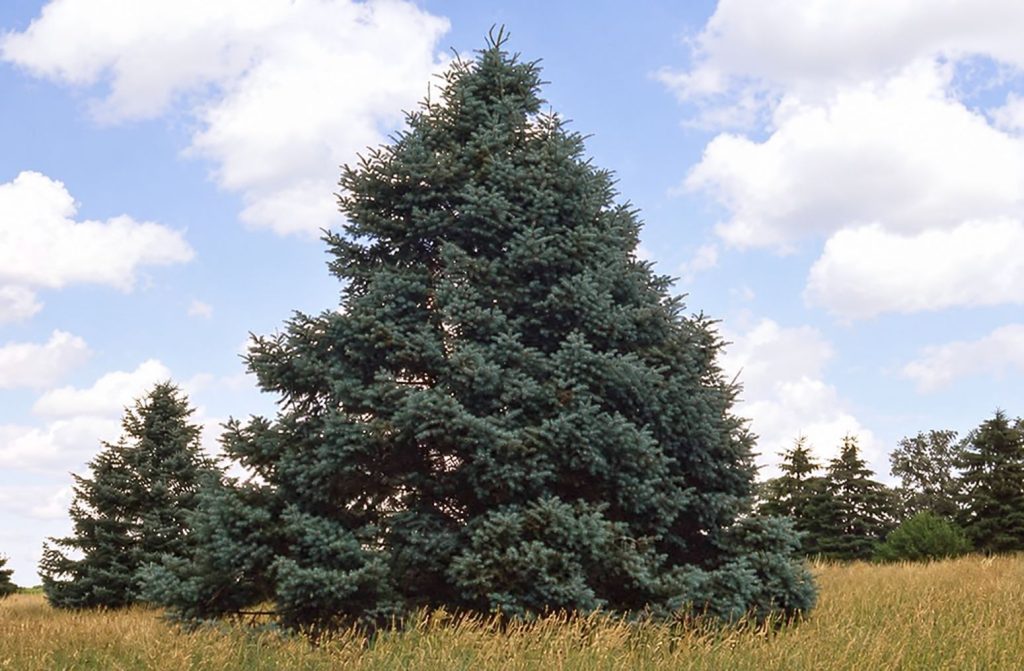
- Tree Size: Often 120–180 ft (37–55 m) tall, with large trunks 4–6 ft (1.2–1.8 m) in diameter
- Average Dried Weight: Approximately 26 lb/ft³ (415 kg/m³)
- Janka Hardness: Approximately 480 lbf (2,140 N)
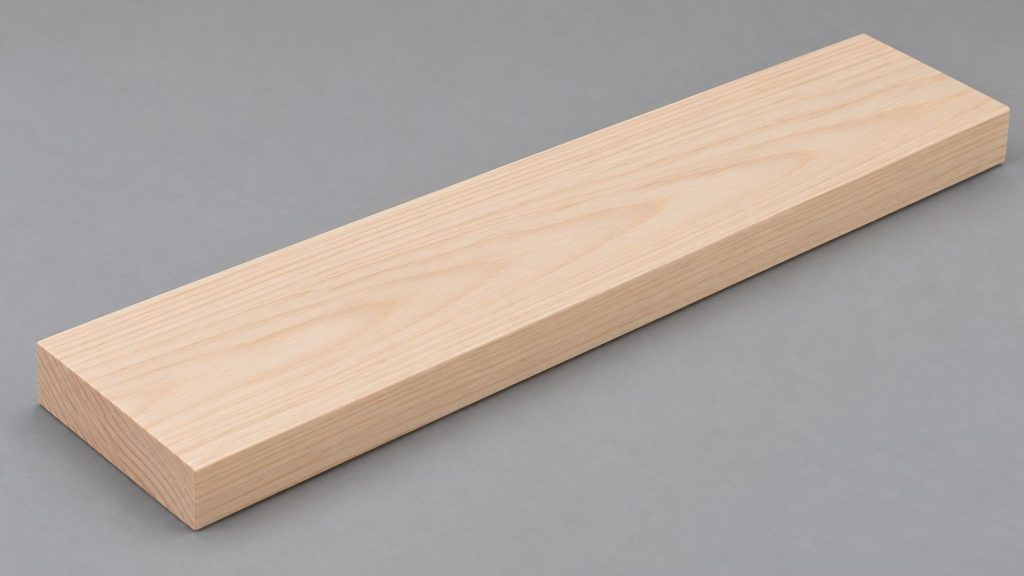
- Color: Whitish to pale brown, sometimes with reddish tones; little sapwood contrast
- Grain: Usually straight, with gradual transitions within growth rings
- Texture: Even, medium to moderately coarse
Identification Characteristics
The wood generally has modest color contrast between heartwood and sapwood. On a clean end-grain surface, the growth rings usually show a gradual transition toward darker latewood. Normal resin canals are absent, a useful distinction from pine and spruce.
White Fir and Grand Fir overlap in range and can intergrade in parts of the western United States. Their wood cannot be reliably separated by casual visual inspection. Keep harvest locality, tree photographs, and supplier records together; a pale board or a Hem-Fir stamp alone cannot establish the exact species.
Key identification traits include:
- Pale wood with little obvious heartwood boundary
- Generally straight grain and medium growth-ring contrast
- Absence of normal resin canals
- Low weight relative to many structural softwoods
- Species identification depends strongly on documented origin
Working Properties
Sort boards before machining and look for checks, distortion, and localized wet areas. Material that appears dry at its surface may still need additional conditioning. Check moisture at several locations, especially in thicker stock, before committing to tight-fitting interior joinery.
Sharp tools and supported cuts help avoid torn or fuzzy fibers. Use light passes for a final surface and inspect the result before sanding. Try the complete finishing schedule on an offcut, including any stain or washcoat, and assess it after the coating has dried.
- Acclimate and verify moisture before final sizing
- Avoid incorporating drying checks into stressed joints
- Use backing blocks to support drilling and crosscuts
- Clamp gently with protective cauls on visible faces
- Provide room for cross-grain movement in wide assemblies
Safety Note
Wood dust can irritate the skin, eyes and respiratory tract. Use effective dust extraction, eye protection and suitable respiratory protection when machining or sanding. Inspect salvaged material for embedded metal, cracks and decay before cutting, and assess dead standing trees professionally before removal.
Common Uses
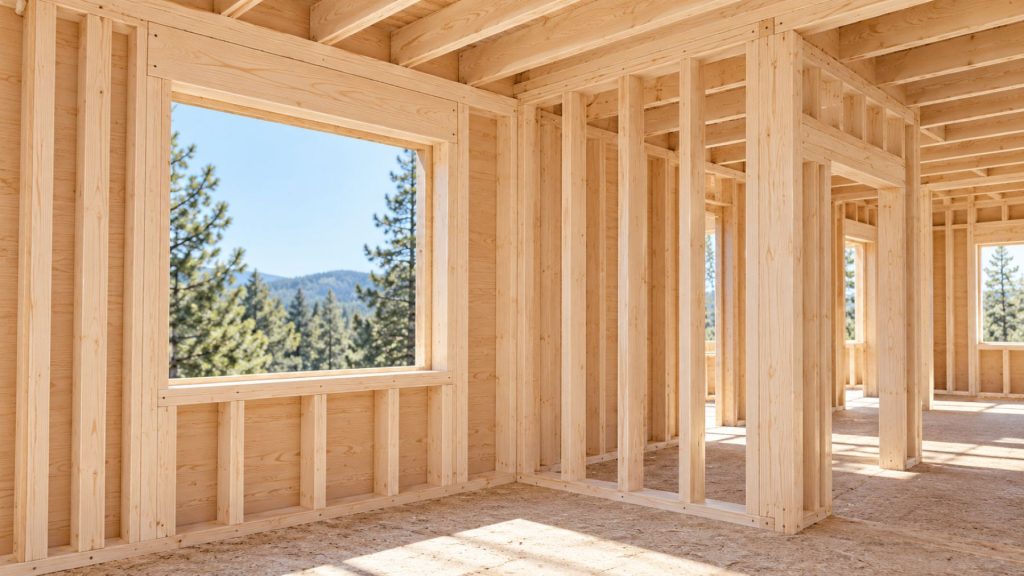
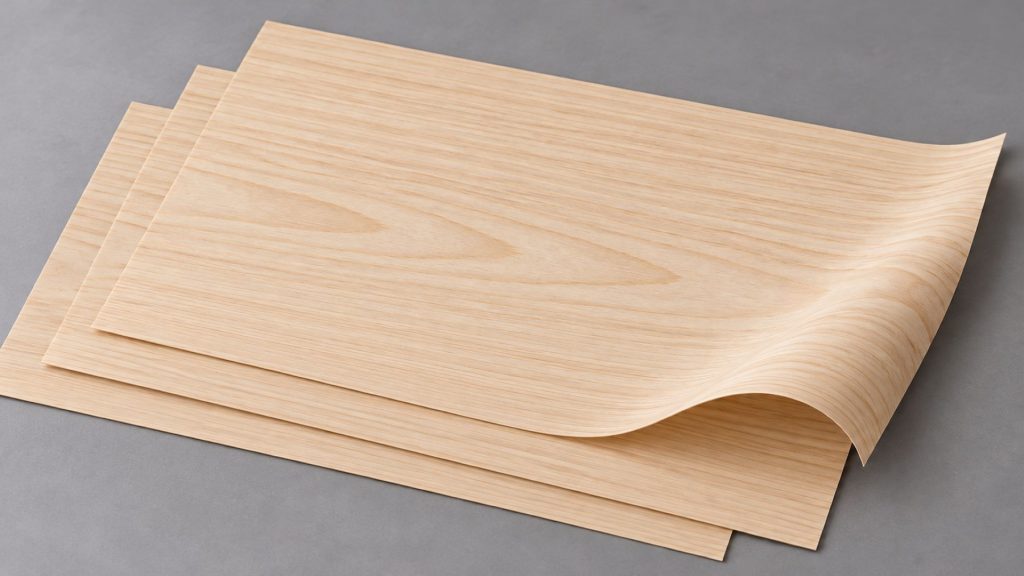
White Fir contributes to construction lumber, plywood, pulp, and other utility products. Selected clear stock can be useful in painted interior trim, protected paneling, and light furniture components where dent resistance is secondary.
Specify grade and service conditions for structural components rather than choosing by an average density figure. Its low natural decay resistance also limits untreated exterior use. Outdoor assemblies require an exposure-appropriate material specification and detailing; a film finish alone does not make the wood decay resistant.
- Graded construction and framing lumber
- Plywood and veneer products
- Paper pulp and fiber products
- Interior trim and protected millwork
- Packaging and general utility components
Sustainability & Notes
White Fir is an important part of mixed western conifer forests. Its shade tolerance allows establishment beneath other trees, and changes in disturbance and forest management can alter its abundance. Timber sourcing should consider the forest and management system as well as the species name.
Ask whether a shipment is species-identified White Fir or mixed Hem-Fir and keep those descriptions distinct. Prefer traceable material, and obtain certification documents when certification is part of the purchase specification. A commercial grouping is useful for trade, but cannot replace locality data in a reference collection.
Comparative Notes & Related Species
Related Guides
- Fir Species Guide
- Drying & Acclimating Exotic Woods
- Understanding Wood Shrinkage Values Explained
- Finishing Oils vs Polyurethane on Exotic Species
- Understanding Wood Strength: What Makes Wood Strong?
Compare Wood Properties
See how this species ranks in density and hardness using our Wood Density & Janka Hardness Chart. You can also explore Hardest Woods, Softest Woods, and Most Dense Woods for quick comparisons.
Collector Notes
A documented White Fir sample is especially useful beside Grand Fir, European Silver Fir, and a spruce. Preserve a carefully cut end-grain face so normal resin-canal differences can be examined rather than inferred from general color.
Record the locality and identification method, particularly near areas where White Fir and Grand Fir meet. Photograph the untreated sample before finishing and note any drying defects separately from the wood’s normal features.
Share Your Photos of This Species
Do you have lumber, wood samples, tree photographs, woodworking projects, furniture, carvings, turnings, musical instruments, or other items made from this species?
Exotic Woods of the World welcomes photographs from woodworkers, collectors, sawyers, researchers, and wood enthusiasts around the world. Selected submissions may be featured on this page and throughout our website to help document and showcase real-world examples of this species.
When submitting photos, please include the common name, scientific name (if known), a brief description, and any information you would like us to share with the image.
Wood Sample Collection
This species is part of an ongoing effort to document and preserve wood samples from around the world.
Learn more about contributing to the collection:
Resources
Authoritative botanical and forestry references used in compiling information about this species include:
• USDA Forest Service – Wood Handbook: Wood as an Engineering Material
https://www.fpl.fs.usda.gov/products/publications/
• The Wood Database – Global reference for wood identification, physical properties, and woodworking characteristics
https://www.wood-database.com/
• Royal Botanic Gardens, Kew – Plants of the World Online – Botanical taxonomy and species distribution database
https://powo.science.kew.org/
• International Union for Conservation of Nature (IUCN Red List) – Global conservation status assessments
https://www.iucnredlist.org/
• Convention on International Trade in Endangered Species (CITES) – International trade regulations for protected plant species
https://cites.org/
Additional forestry publications, academic research papers, and regional timber studies may also be referenced where available.
Love This Species?
Enjoy learning about this wood species?
Help support the continued growth of Exotic Woods of the World by participating in our Adopt a Species program. Your support helps fund species research, educational content, photography, videos, and future conservation awareness initiatives.
Support Forest Conservation
This species is part of the growing Exotic Woods of the World reference archive, dedicated to documenting and preserving knowledge of the world’s wood species.
Through the Adopt a Species program, visitors can help support ongoing species research, educational content, photography, video production, and future conservation awareness initiatives.
Contributions help fund the continued expansion of this archive while promoting sustainable forestry education and the long-term appreciation of the world’s forests.
Interested in supporting this species? Visit our Adopt a Species and Conservation Partners pages to learn more.
Availability & Where to Buy
Exotic hardwood availability can vary significantly depending on region, sustainability regulations, and supplier inventory.
As this archive grows, recommended suppliers and specialty wood retailers will be listed here to help woodworkers locate responsibly sourced material.
Lumber Suppliers:
Availability varies — see the Where to Buy Exotic Woods page for current sources.
Related Tools & Products:
Availability varies — see the Where to Buy Exotic Woods page for current sources.
Share This Wood Species
Stay Connected
Follow the latest species additions, educational resources, videos, conservation initiatives, and major project milestones through our Site Updates archive.
The Site Updates archive provides a permanent record of new content, library growth, and future developments across Exotic Woods of the World.