
Strawberry Tree
Scientific name: Arbutus unedo
Overview
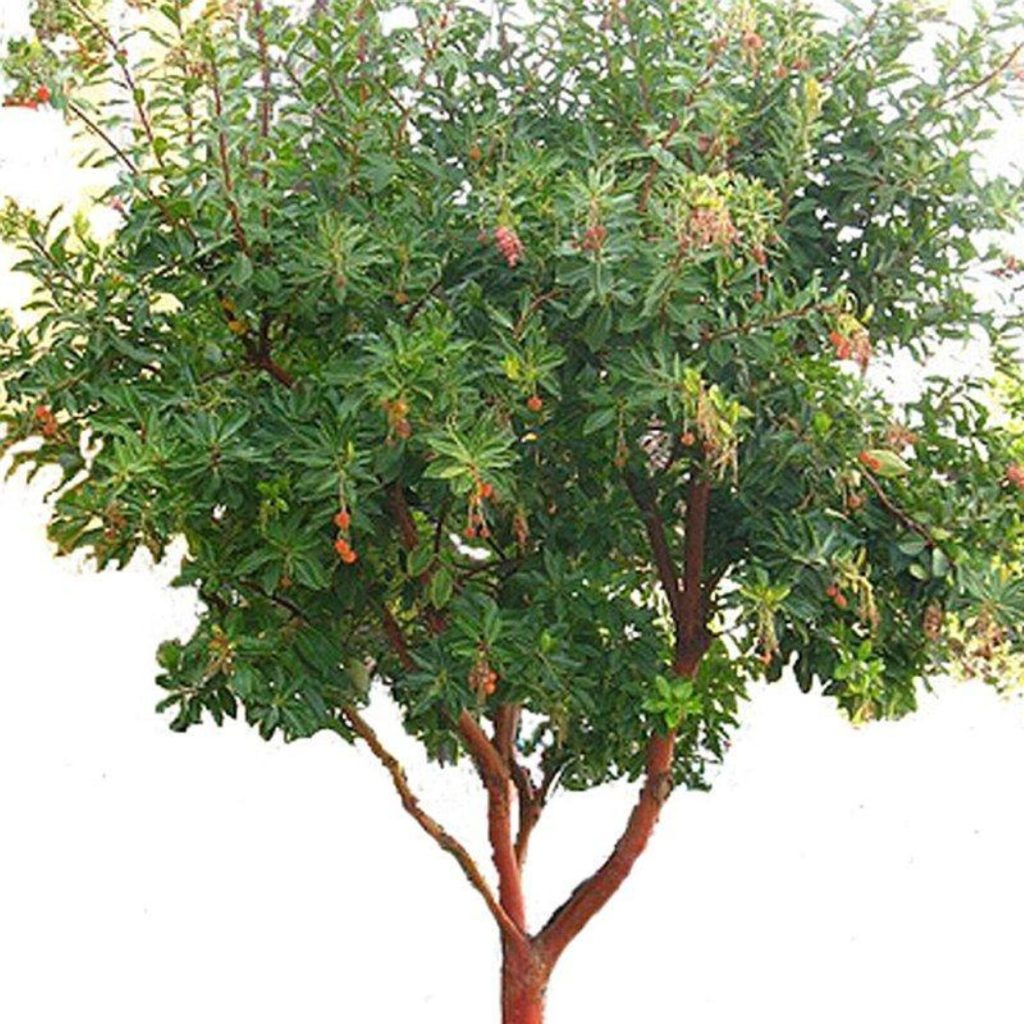
Strawberry Tree is a Mediterranean hardwood species valued for its dense structure, attractive coloration, and specialty woodworking applications. Native to southern Europe and Mediterranean coastal regions, the species is best known botanically for its distinctive fruit and ornamental appearance, though the wood itself has long been appreciated for turning, carving, and decorative craft work.
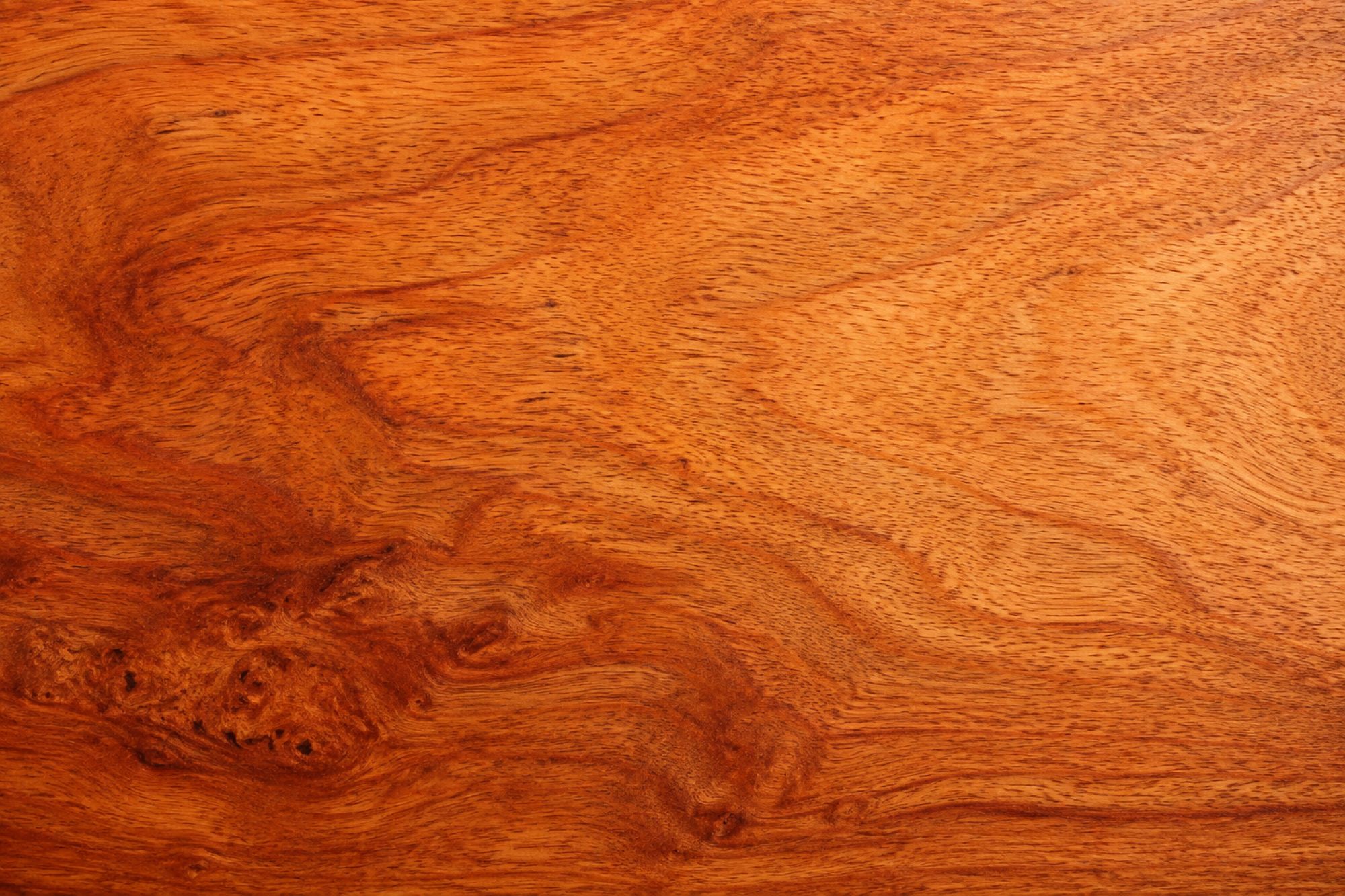
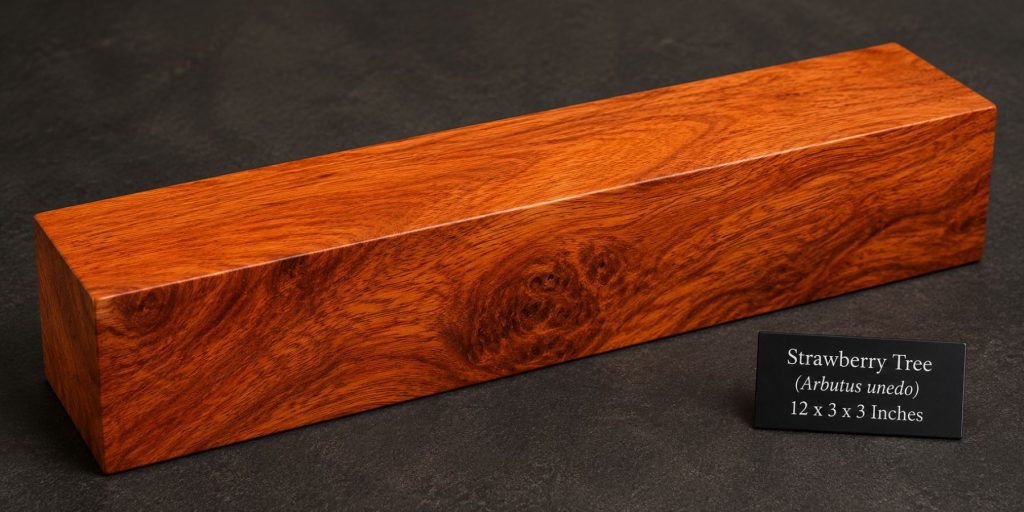
The wood is typically pale pinkish brown to reddish brown with a fine texture and smooth grain. Because the trees usually remain relatively small, lumber dimensions are limited, making the species more common in specialty woodworking than in large scale furniture production.
Within the European hardwood cluster, Strawberry Tree represents a unique Mediterranean specialty hardwood prized for decorative and artisan woodworking.
Quick Facts
- Common Name: Strawberry Tree
- Scientific Name: Arbutus unedo
- Region: European Hardwoods (Southern Europe & Mediterranean)
- Tree Size: 15–40 ft tall, usually small diameter
- Average Dried Weight: 50 lbs/ft³ (800 kg/m³)
- Janka Hardness: 1,700 lbf
- Color: Pale pinkish brown to reddish brown
- Grain: Straight to slightly irregular
- Texture: Fine and smooth
Identification Characteristics
Strawberry Tree is identified by its dense fine texture and warm reddish coloration. The wood generally displays subtle grain patterns with smooth surfaces and a refined appearance.
The grain is commonly straight, though occasional irregular figure may appear in smaller sections or branch wood.
Key identification traits include:
- Fine and smooth texture
- Dense and heavy feel
- Pinkish brown to reddish brown coloration
- Diffuse porous structure
- Subtle grain visibility
- Moderate natural luster
Working Properties
Strawberry Tree is considered an excellent specialty woodworking species for detail-oriented projects. Because of the relatively limited tree size, the wood is most commonly used in decorative and artisan woodworking.
- Machines cleanly with sharp tools
- Turns exceptionally well
- Good carving properties
- Sands to a polished surface
- Accepts oil finishes effectively
- Stable when properly dried
- Strong wear resistance for small craft applications
Safety Note
Wood dust from Strawberry Tree may cause irritation in sensitive individuals. Proper dust collection and respiratory protection are recommended during woodworking operations.
Common Uses
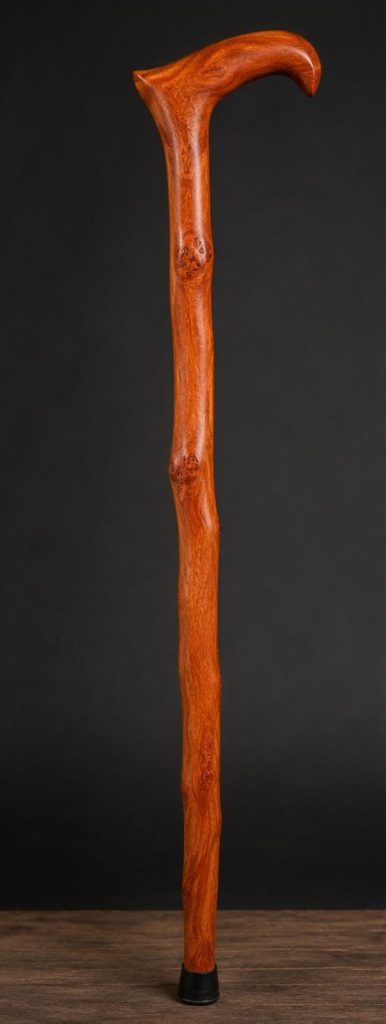

Strawberry Tree common uses including:
- Turned objects
- Wood carving
- Knife handles
- Decorative woodworking
- Small craft items
- Walking sticks
- Specialty boxes
- Artisan woodworking
Sustainability & Notes
Strawberry Tree is relatively common throughout Mediterranean regions and is frequently cultivated as an ornamental species.
Commercial lumber production remains limited due to the smaller growth size of the trees. Most woodworking material is encountered as turning stock, carved objects, or specialty craft wood.
The species is particularly valued by woodturners for its density, smooth texture, and warm natural coloration.
Comparative Notes & Related Species
Medlar – Another dense European specialty hardwood valued for carving and turning applications.
Wild Plum – A decorative European fruitwood known for rich coloration and smooth texture.
Blackthorn – A dense small European hardwood historically used for walking sticks and traditional crafts.
Related Guides
Finishing Oils vs Polyurethane on Exotic Species
Learn how different finishes affect grain visibility, color depth, and surface protection.
Building a Documented Wood Collection
Explore how collectors organize and preserve specialty hardwood samples.
How to Store Exotic Wood Samples
Understand proper storage techniques for preserving rare and specialty wood specimens.
Compare Wood Properties
See how this species ranks in density and hardness using our Wood Density & Janka Hardness Chart. You can also explore Hardest Woods, Softest Woods, and Most Dense Woods for quick comparisons.
Collector Notes
Strawberry Tree samples should display smooth fine texture and warm reddish coloration. Because commercial lumber is uncommon, collectors will often encounter the species in smaller turning blanks and specialty craft pieces.
The species is especially interesting within Mediterranean hardwood collections due to its combination of ornamental significance and woodworking utility.
Video Overview
Share Your Photos of This Species
Do you have lumber, wood samples, tree photographs, woodworking projects, furniture, carvings, turnings, musical instruments, or other items made from this species?
Exotic Woods of the World welcomes photographs from woodworkers, collectors, sawyers, researchers, and wood enthusiasts around the world. Selected submissions may be featured on this page and throughout our website to help document and showcase real-world examples of this species.
When submitting photos, please include the common name, scientific name (if known), a brief description, and any information you would like us to share with the image.
Wood Sample Collection
This species is part of an ongoing effort to document and preserve wood samples from around the world.
Learn more about contributing to the collection:
Resources
Authoritative botanical and forestry references used in compiling information about this species include:
• USDA Forest Service – Wood Handbook: Wood as an Engineering Material
https://www.fpl.fs.usda.gov/products/publications/
• The Wood Database – Global reference for wood identification, physical properties, and woodworking characteristics
https://www.wood-database.com/
• Royal Botanic Gardens, Kew – Plants of the World Online – Botanical taxonomy and species distribution database
https://powo.science.kew.org/
• International Union for Conservation of Nature (IUCN Red List) – Global conservation status assessments
https://www.iucnredlist.org/
• Convention on International Trade in Endangered Species (CITES) – International trade regulations for protected plant species
https://cites.org/
Additional forestry publications, academic research papers, and regional timber studies may also be referenced where available.
Love This Species?
Enjoy learning about this wood species?
Help support the continued growth of Exotic Woods of the World by participating in our Adopt a Species program. Your support helps fund species research, educational content, photography, videos, and future conservation awareness initiatives.
Support Forest Conservation
This species is part of the growing Exotic Woods of the World reference archive, dedicated to documenting and preserving knowledge of the world’s wood species.
Through the Adopt a Species program, visitors can help support ongoing species research, educational content, photography, video production, and future conservation awareness initiatives.
Contributions help fund the continued expansion of this archive while promoting sustainable forestry education and the long-term appreciation of the world’s forests.
Interested in supporting this species? Visit our Adopt a Species and Conservation Partners pages to learn more.
Availability & Where to Buy
Exotic hardwood availability can vary significantly depending on region, sustainability regulations, and supplier inventory.
As this archive grows, recommended suppliers and specialty wood retailers will be listed here to help woodworkers locate responsibly sourced material.
Lumber Suppliers:
Availability varies — see the Where to Buy Exotic Woods page for current sources.
Related Tools & Products:
• 3M Half Facepiece Reusable Respirator for protection against dust and airborne particles during sanding and woodworking
https://amzn.to/4wKyJoK
• Klein Tools ET140 Pinless Moisture Meter for non-destructive moisture detection in wood, drywall, and masonry
https://amzn.to/4upDKSd
• Pro Grade 2-Inch Foam Brush Set for applying stains, oils, finishes, and sealers to woodworking projects
https://amzn.to/4drOpWx
Share This Wood Species
Stay Connected
Follow the latest species additions, educational resources, videos, conservation initiatives, and major project milestones through our Site Updates archive.
The Site Updates archive provides a permanent record of new content, library growth, and future developments across Exotic Woods of the World.