

Cedro
Scientific Name: Cedrela fissilis
Overview
Cedro, often referred to as South American Cedar or Brazilian Cedro, is a moderately lightweight hardwood native to South America. Known for its warm reddish-brown color, pleasant aroma, and excellent workability, Cedro has long been used in cabinetry, furniture, and interior millwork.
Although technically a hardwood, Cedro shares several characteristics with true cedars, including its fragrance and natural resistance to insects. Its balance of stability and ease of machining makes it a practical and attractive option for interior applications.
Quick Facts
- Common Name: Cedro
- Scientific Name: Cedrela fissilis
- Region: South American Hardwoods (Central & South America)
- Tree Size: 60–120 ft tall, 2–4 ft trunk diameter
- Average Dried Weight: 28 lbs/ft³ (450 kg/m³)
- Janka Hardness: 600 lbf
- Color: Light reddish brown to medium brown
- Grain: Straight to slightly interlocked
- Texture: Medium with a natural luster
Identification Characteristics
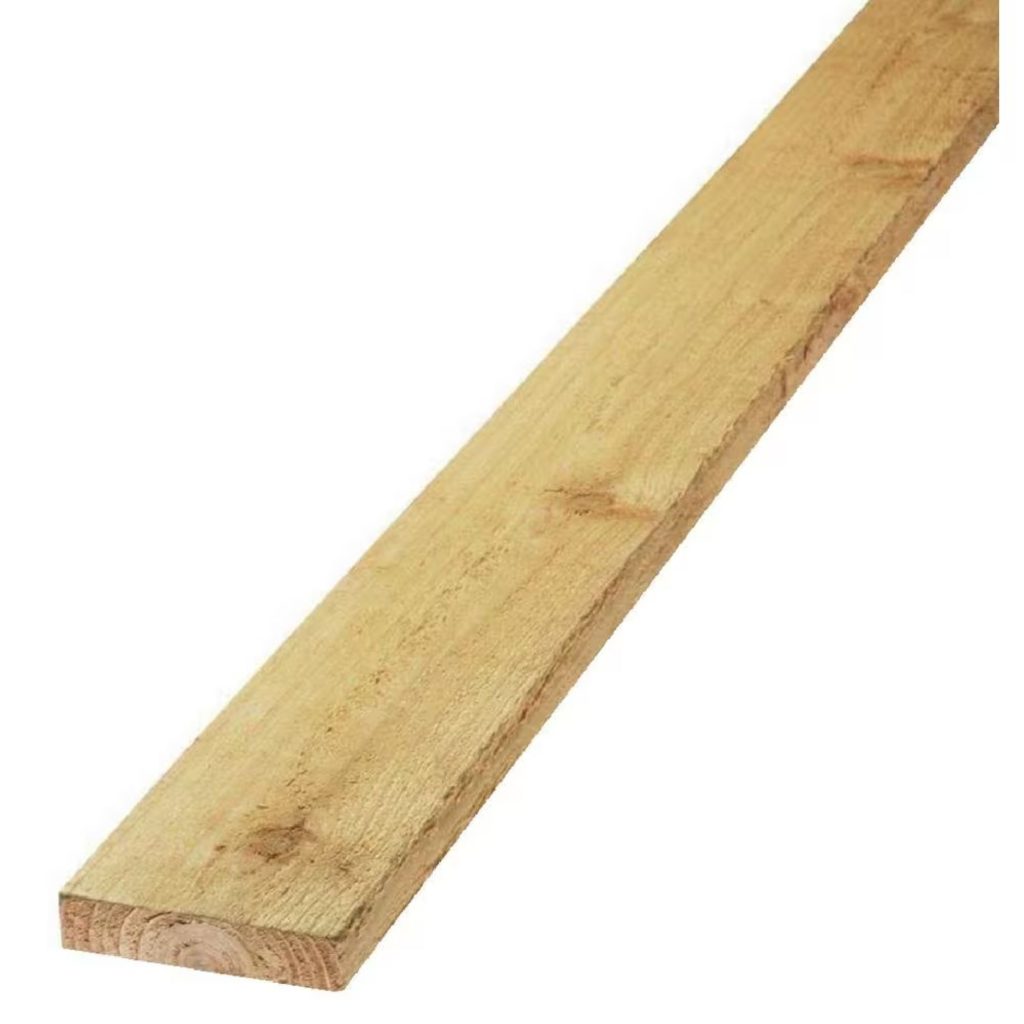
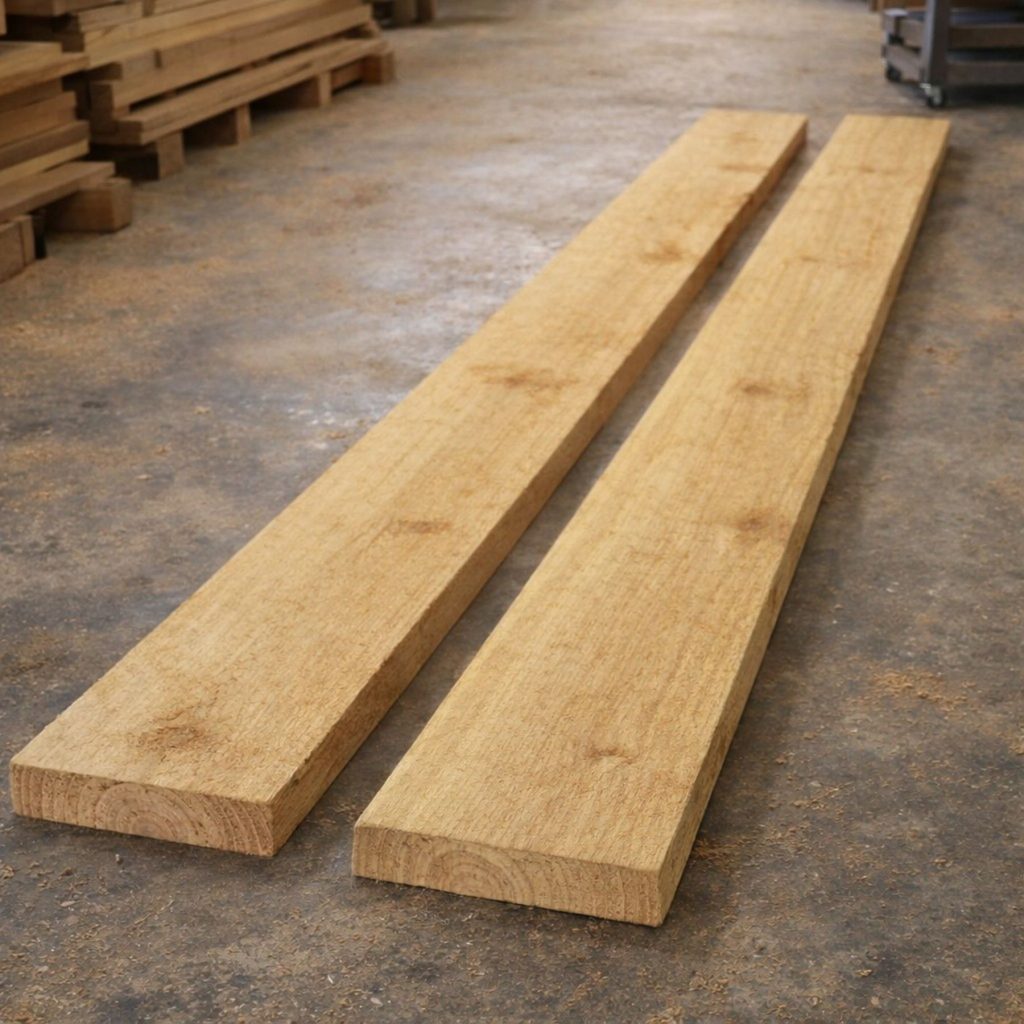
Cedro is most easily identified by its warm reddish-brown heartwood and distinctive cedar-like aroma when freshly cut. The grain is typically straight, and the texture is medium with visible pores.
Sapwood is pale and clearly defined from the heartwood.
Key identification traits include:
- Light pinkish to reddish-brown coloration
- Pleasant aromatic scent when machined
- Straight grain pattern
- Medium texture
- Lighter weight compared to dense tropical hardwoods
Working Properties
Cedro is considered easy to work and is favored for machining and carving.
- Machines cleanly with minimal tear-out
- Turns and carves well
- Gluing and finishing are generally uncomplicated
- Accepts stains and finishes evenly
- Good dimensional stability when properly dried
Its moderate density makes it easier to handle compared to heavier tropical species.
Safety Note
Dust may cause mild respiratory irritation in sensitive individuals. Standard dust collection and respiratory protection are recommended during machining and sanding.
Common Uses

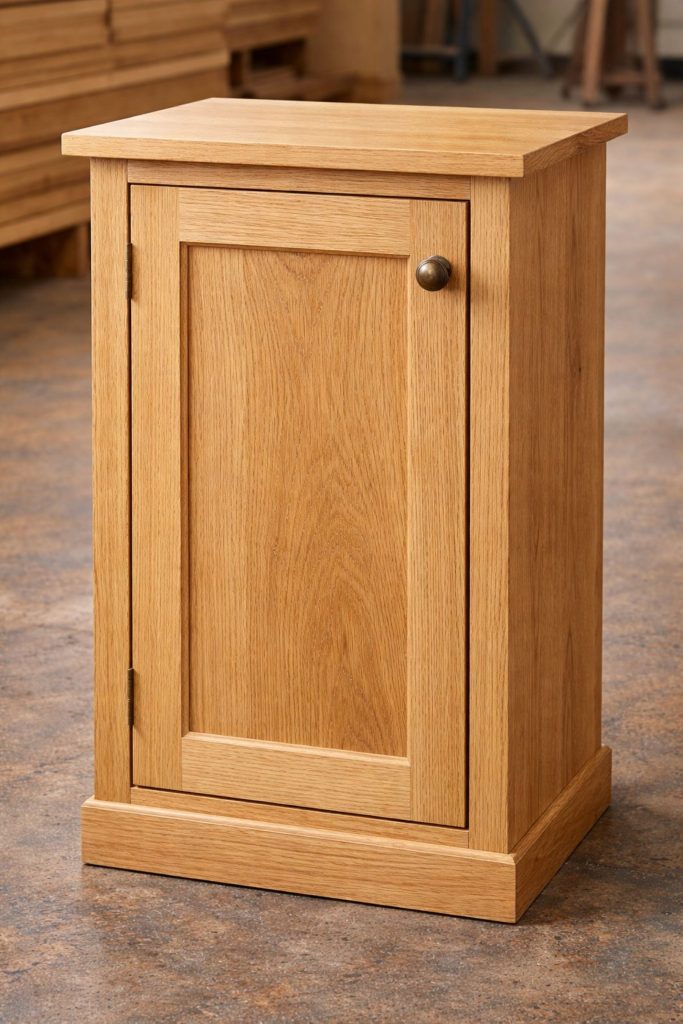
Cedro is widely used in interior applications, including:
- Cabinetry
- Furniture
- Interior paneling
- Carvings
- Musical instrument components
- Light construction and millwork
Its aromatic qualities also contribute to its use in storage and interior applications.
Sustainability & Notes
Some species within the Cedrela genus are subject to trade monitoring and regulatory oversight in certain regions. Buyers should verify sourcing and prioritize responsibly harvested material.
Availability can vary depending on export controls and forestry regulations.
Comparative Notes & Related Species
Spanish Cedar – A closely related tropical hardwood known for its aromatic scent and excellent workability, commonly used for cabinetry, humidors, and interior millwork.
Honduran Mahogany – A classic furniture hardwood valued for its stability, warm reddish color, and excellent machining properties.
Primavera – A light to medium-density Central American hardwood often used for furniture, cabinetry, and decorative woodworking.
Related Guides
Hardwood vs Softwood
Understand the fundamental differences between hardwood and softwood species, including structure, growth, and common uses.
Drying & Acclimating Exotic Woods
Proper drying and acclimation help maintain stability and reduce movement in woodworking lumber.
How to Store Exotic Wood Samples
Collectors preserve hardwood samples to study grain patterns, color variation, and long-term aging characteristics.
Compare Wood Properties
See how this species ranks in density and hardness using our Wood Density & Janka Hardness Chart. You can also explore Hardest Woods, Softest Woods, and Most Dense Woods for quick comparisons.
Collector Notes
Cedro is valued in collections representing aromatic South American hardwoods. Older, well-seasoned boards tend to deepen in color and display a richer reddish tone.
Collectors often favor boards with uniform grain and strong aromatic presence, as these traits highlight the species’ defining characteristics.
Share Your Photos of This Species
Do you have lumber, wood samples, tree photographs, woodworking projects, furniture, carvings, turnings, musical instruments, or other items made from this species?
Exotic Woods of the World welcomes photographs from woodworkers, collectors, sawyers, researchers, and wood enthusiasts around the world. Selected submissions may be featured on this page and throughout our website to help document and showcase real-world examples of this species.
When submitting photos, please include the common name, scientific name (if known), a brief description, and any information you would like us to share with the image.
Wood Sample Collection
This species is part of an ongoing effort to document and preserve wood samples from around the world.
Learn more about contributing to the collection:
Resources
Authoritative botanical and forestry references used in compiling information about this species include:
• USDA Forest Service – Wood Handbook: Wood as an Engineering Material
https://www.fpl.fs.usda.gov/products/publications/
• The Wood Database – Global reference for wood identification, physical properties, and woodworking characteristics
https://www.wood-database.com/
• Royal Botanic Gardens, Kew – Plants of the World Online – Botanical taxonomy and species distribution database
https://powo.science.kew.org/
• International Union for Conservation of Nature (IUCN Red List) – Global conservation status assessments
https://www.iucnredlist.org/
• Convention on International Trade in Endangered Species (CITES) – International trade regulations for protected plant species
https://cites.org/
Additional forestry publications, academic research papers, and regional timber studies may also be referenced where available.
Support Forest Conservation
This species is part of the growing Exotic Woods of the World reference archive.
In the future, visitors will be able to support the preservation of hardwood knowledge and global forest conservation through the Adopt a Species program.
A portion of contributions will help fund the continued expansion of this archive, while the majority will be donated to forest conservation organizations working to protect the ecosystems where these species grow.
Availability & Where to Buy
Exotic hardwood availability can vary significantly depending on region, sustainability regulations, and supplier inventory.
As this archive grows, recommended suppliers and specialty wood retailers will be listed here to help woodworkers locate responsibly sourced material.
Lumber Suppliers:
Availability varies — see the Where to Buy Exotic Woods page for current sources.
Related Tools & Products:
• Small Woodworking Projects (Best of Fine Woodworking) for building boxes, stools, shop accessories, and other practical weekend woodworking projects
https://amzn.to/4vA2kk3
• 80-Piece Threaded Insert Nuts and Furniture Screw Set for creating strong, reusable threaded connections in woodworking, furniture building, and shop projects
https://amzn.to/3SmACIO
• Power Tool Organizer with Charging Station for organizing cordless drills, batteries, chargers, and other power tools while keeping your workshop neat and efficient
https://amzn.to/4oU2XST
Share This Wood Species
Stay Connected
Follow the latest species additions, educational resources, videos, conservation initiatives, and major project milestones through our Site Updates archive.
The Site Updates archive provides a permanent record of new content, library growth, and future developments across Exotic Woods of the World.