
Ceiba
Scientific name: Ceiba pentandra
Overview
Ceiba is a large tropical tree native to Central America, known more for its size and ecological importance than for high-end lumber use. The wood is lightweight, soft, and relatively low in density, making it suitable for applications where weight reduction is important.
It provides an important contrast to dense tropical hardwoods, representing the lighter end of the spectrum in Central American species.
Quick Facts
- Common Name: Ceiba
- Scientific Name: Ceiba pentandra
- Region: Central American Hardwoods (Mexico to Panama)
- Tree Size: 100–200 ft tall, 4–10 ft trunk diameter
- Average Dried Weight: ~15–25 lbs/ft³ (240–400 kg/m³)
- Janka Hardness: ~200–400 lbf
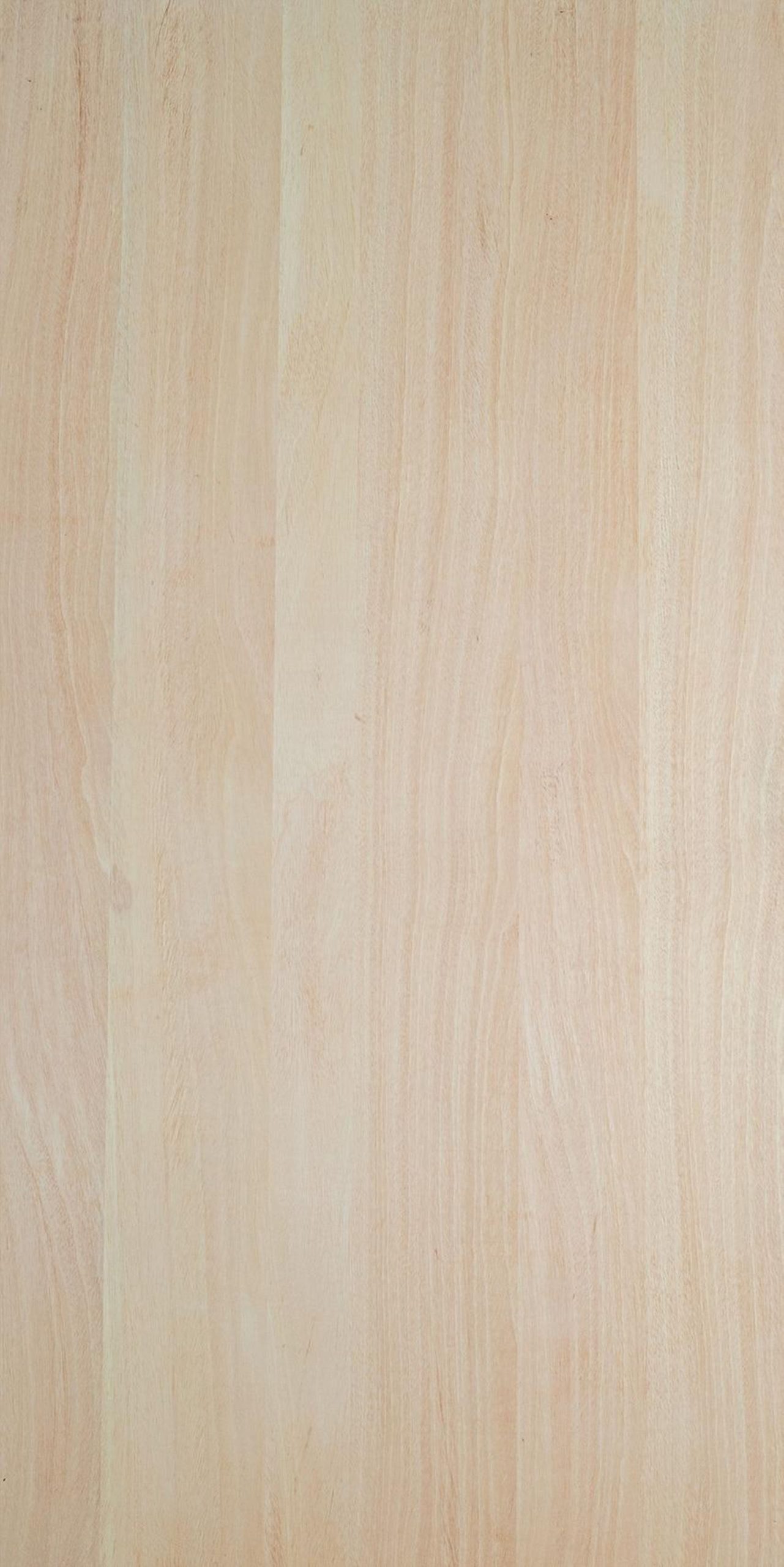
- Color: Pale yellow to light brown
- Grain: Straight
- Texture: Coarse
Identification Characteristics
Ceiba is easily distinguished by its very light weight and pale color.
Key identification traits include:
- Pale yellow to light brown coloration
- Very low density
- Straight, simple grain
- Coarse texture with visible pores
- Plain, uniform appearance

Working Properties
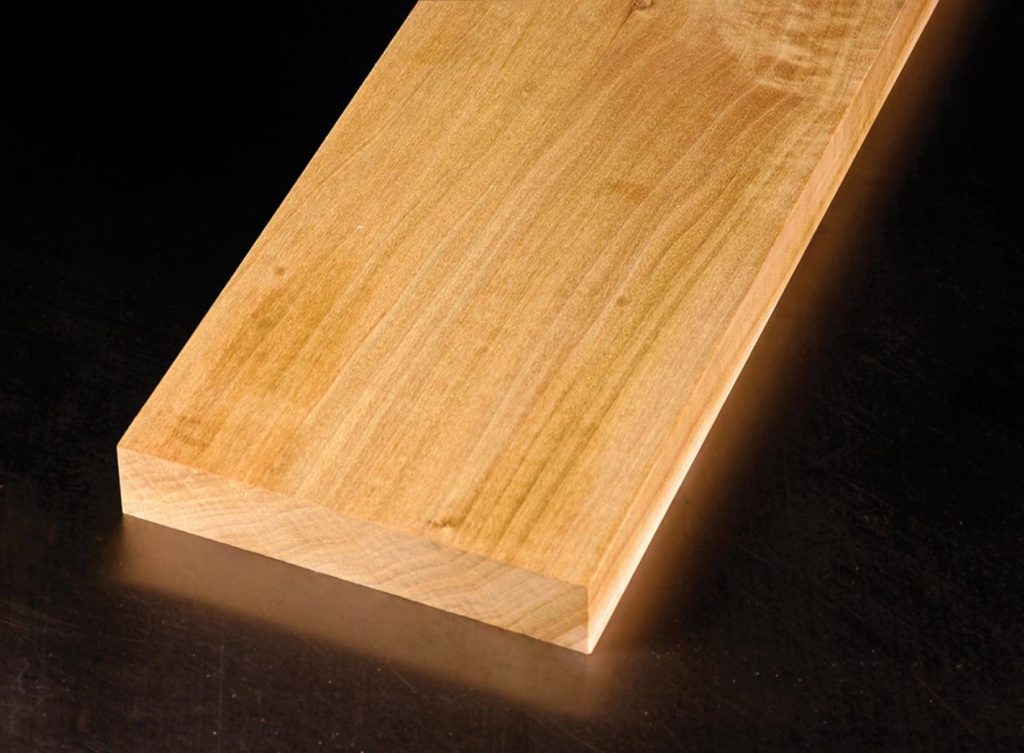
Ceiba is extremely easy to work but lacks strength and durability.
- Machines very easily
- Minimal tool wear
- Sands quickly
- Low strength and impact resistance
- Poor durability in exterior conditions
Safety Note
Wood dust may cause mild irritation. Use standard protective equipment when machining.
Common Uses
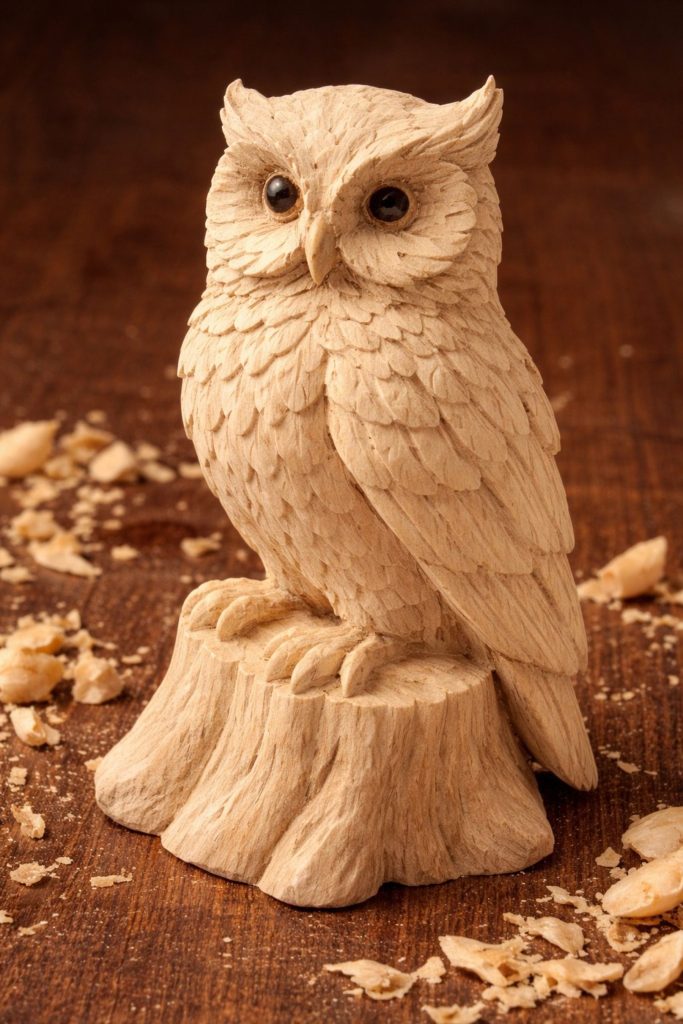
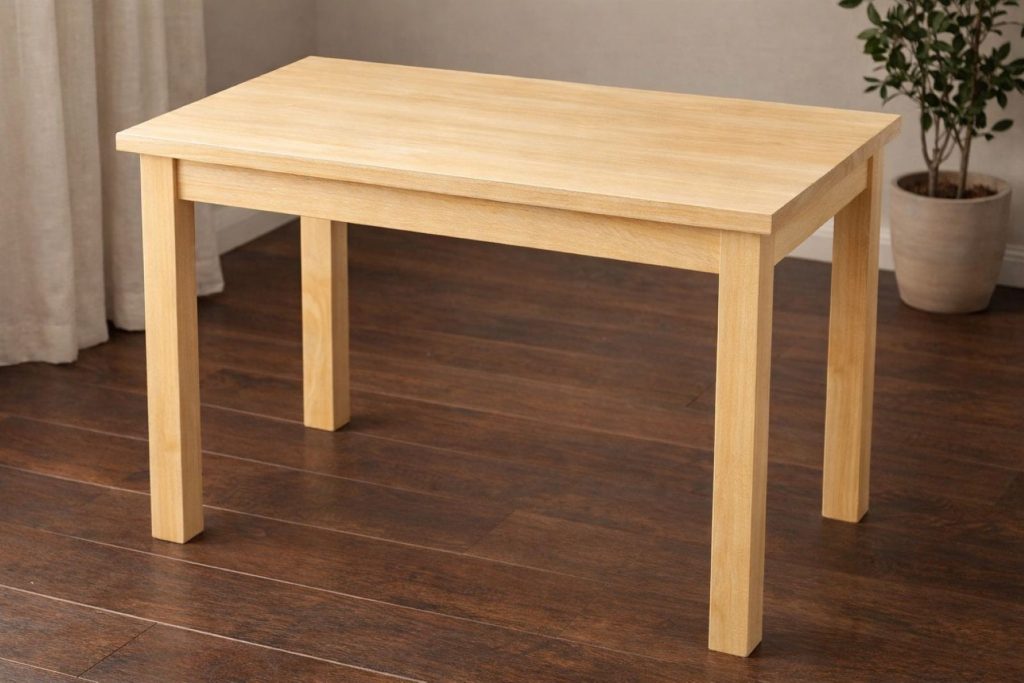
Ceiba is typically used in applications where lightweight material is required.
- Carvings
- Light furniture
- Core stock
- Packaging materials
- Utility items
Sustainability & Notes
Ceiba is widely distributed and fast-growing, making it one of the more renewable tropical species. It is commonly sourced from natural and secondary-growth forests and is not typically subject to major trade restrictions. Its abundance and rapid growth make it a less environmentally sensitive option compared to slower-growing hardwoods.
Comparative Notes & Related Species
Ojoche
Heavier and stronger, with a more refined texture and slightly darker tone.
Palo Blanco
Also relatively light, though typically smoother and more uniform in appearance.
Primavera
More durable and slightly denser, with a richer color and better performance in furniture use.
Related Guides
Understanding Wood Strength vs Density
Explains how lightweight woods like Ceiba compare to dense hardwoods in strength and durability.
Drying & Acclimating Exotic Woods
Important for preventing movement, even in low-density species.
Moisture Content & Long-Term Stability
Covers how moisture affects wood performance over time, especially in lighter, more porous species like Ceiba.
Compare Wood Properties
See how this species ranks in density and hardness using our Wood Density & Janka Hardness Chart. You can also explore Hardest Woods, Softest Woods, and Most Dense Woods for quick comparisons.
Collector Notes
Ceiba serves as an important reference species for the low-density end of tropical hardwoods. It contrasts sharply with heavier Central American woods and helps illustrate how weight, strength, and workability vary across species.
Share Your Photos of This Species
Do you have lumber, wood samples, tree photographs, woodworking projects, furniture, carvings, turnings, musical instruments, or other items made from this species?
Exotic Woods of the World welcomes photographs from woodworkers, collectors, sawyers, researchers, and wood enthusiasts around the world. Selected submissions may be featured on this page and throughout our website to help document and showcase real-world examples of this species.
When submitting photos, please include the common name, scientific name (if known), a brief description, and any information you would like us to share with the image.
Wood Sample Collection
This species is part of an ongoing effort to document and preserve wood samples from around the world.
Learn more about contributing to the collection:
Resources
Authoritative botanical and forestry references used in compiling information about this species include:
• USDA Forest Service – Wood Handbook: Wood as an Engineering Material
https://www.fpl.fs.usda.gov/products/publications/
• The Wood Database – Global reference for wood identification, physical properties, and woodworking characteristics
https://www.wood-database.com/
• Royal Botanic Gardens, Kew – Plants of the World Online – Botanical taxonomy and species distribution database
https://powo.science.kew.org/
• International Union for Conservation of Nature (IUCN Red List) – Global conservation status assessments
https://www.iucnredlist.org/
• Convention on International Trade in Endangered Species (CITES) – International trade regulations for protected plant species
https://cites.org/
Additional forestry publications, academic research papers, and regional timber studies may also be referenced where available.
Love This Species?
Enjoy learning about this wood species?
Help support the continued growth of Exotic Woods of the World by participating in our Adopt a Species program. Your support helps fund species research, educational content, photography, videos, and future conservation awareness initiatives.
Support Forest Conservation
This species is part of the growing Exotic Woods of the World reference archive, dedicated to documenting and preserving knowledge of the world’s wood species.
Through the Adopt a Species program, visitors can help support ongoing species research, educational content, photography, video production, and future conservation awareness initiatives.
Contributions help fund the continued expansion of this archive while promoting sustainable forestry education and the long-term appreciation of the world’s forests.
Interested in supporting this species? Visit our Adopt a Species and Conservation Partners pages to learn more.
Availability & Where to Buy
Exotic hardwood availability can vary significantly depending on region, sustainability regulations, and supplier inventory.
As this archive grows, recommended suppliers and specialty wood retailers will be listed here to help woodworkers locate responsibly sourced material.
Lumber Suppliers:
Availability varies — see the Where to Buy Exotic Woods page for current sources.
Related Tools & Products:
Availability varies — see the Where to Buy Exotic Woods page for current sources.
Share This Wood Species
Stay Connected
Follow the latest species additions, educational resources, videos, conservation initiatives, and major project milestones through our Site Updates archive.
The Site Updates archive provides a permanent record of new content, library growth, and future developments across Exotic Woods of the World.