
Cuban Royal Palm
Scientific name: Roystonea regia
Overview
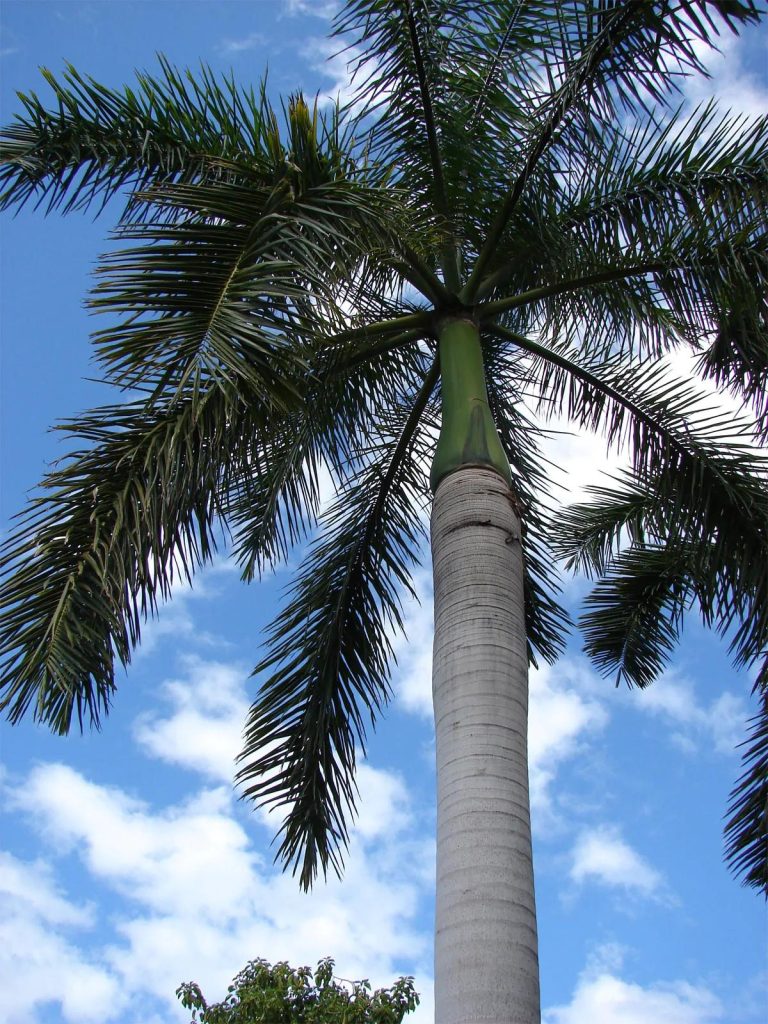
Cuban Royal Palm is a tall tropical palm native to Cuba and portions of the Caribbean and adjacent tropical regions. A member of the Arecaceae family, it is one of the most recognizable palms of the Caribbean, distinguished by its tall, smooth gray trunk, prominent green crownshaft, and large arching fronds. It is particularly significant in Cuba, where the Royal Palm is the national tree and an important cultural symbol.
Like other palms, Cuban Royal Palm is a monocot and does not produce true wood in the same anatomical manner as conventional hardwood and softwood trees. Its trunk consists of dense vascular bundles embedded within softer supporting tissue. The outer portions of the trunk are generally harder and denser than the interior. Although the species is primarily valued as an ornamental, ecological, and culturally important palm rather than a commercial timber, trunk material has historically been used for rural construction, boards, siding, crafts, and other local applications.
Quick Facts
- Common Name: Cuban Royal Palm
- Alternate Common Name(s): Royal Palm, Florida Royal Palm
- Scientific Name: Roystonea regia
- Region: Caribbean & West Indies Woods
- Tree Size: Approximately 50–80 ft (15–24 m) tall, occasionally taller, with trunks commonly 1.5–2 ft (0.45–0.6 m) in diameter
- Average Dried Weight: Highly variable within the trunk; reliable standardized species-specific value not widely documented
- Janka Hardness: Reliable standardized species-specific value not widely documented
- Grain: Fibrous, dominated by longitudinal vascular bundles
- Texture: Variable, generally coarse and fibrous
Identification Characteristics
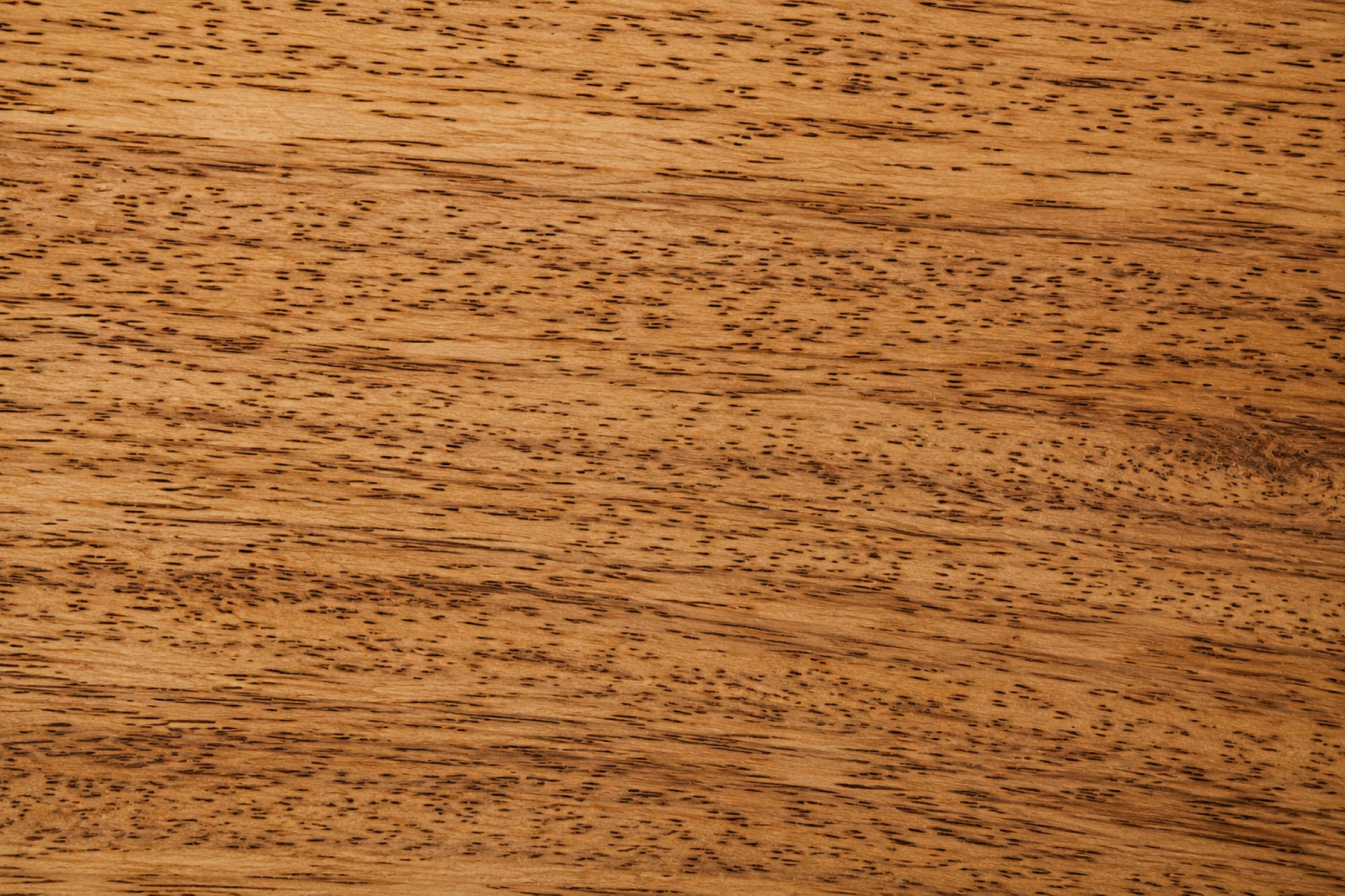
Cuban Royal Palm trunk material differs substantially from conventional hardwoods and softwoods. It lacks true annual growth rings and does not develop conventional heartwood and sapwood. Instead, numerous vascular bundles extend longitudinally through the trunk within softer surrounding tissue.
The concentration and density of these bundles generally increase toward the exterior of the trunk. This can produce substantial differences in hardness, weight, appearance, and machining behavior across a single trunk section.
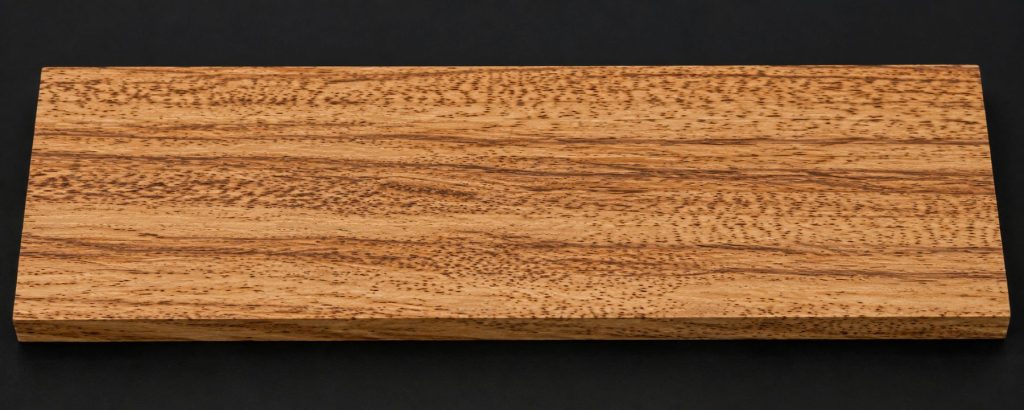
When cut across the trunk, the vascular bundles can appear as numerous darker dots distributed through a lighter matrix. Longitudinal cuts reveal them as elongated streaks or fibers.
Key identification traits include:
- No conventional heartwood and sapwood distinction
- No true annual growth rings
- Prominent vascular bundles
- Fibrous longitudinal structure
- Dense outer trunk material
- Softer inner trunk material
- Spotted appearance on cross-cut surfaces
- Streaked appearance on longitudinal surfaces
Working Properties
Cuban Royal Palm behaves differently from conventional lumber because of its fibrous monocot structure. Dense exterior trunk material can be considerably harder than the interior, producing substantial variation in cutting resistance within the same board or specimen.
Sharp tools are recommended because the fibrous structure can tear, fuzz, or splinter rather than cut cleanly. Careful sanding can produce attractive surfaces, particularly in denser material where the vascular bundles create distinctive natural figure.
- Highly variable density
- Sharp cutting tools are recommended
- Fibrous material may tear during machining
- Can require extensive sanding
- Dense outer material can polish attractively
- Soft interior material may be difficult to finish cleanly
- Stabilization may benefit small porous specimens
Safety Note
Detailed species-specific toxicity information for Cuban Royal Palm is limited. Dust and fibrous particles generated during machining can still irritate the eyes, skin, and respiratory system.
Appropriate dust collection, respiratory protection, and eye protection are recommended during cutting, machining, and sanding.
Common Uses
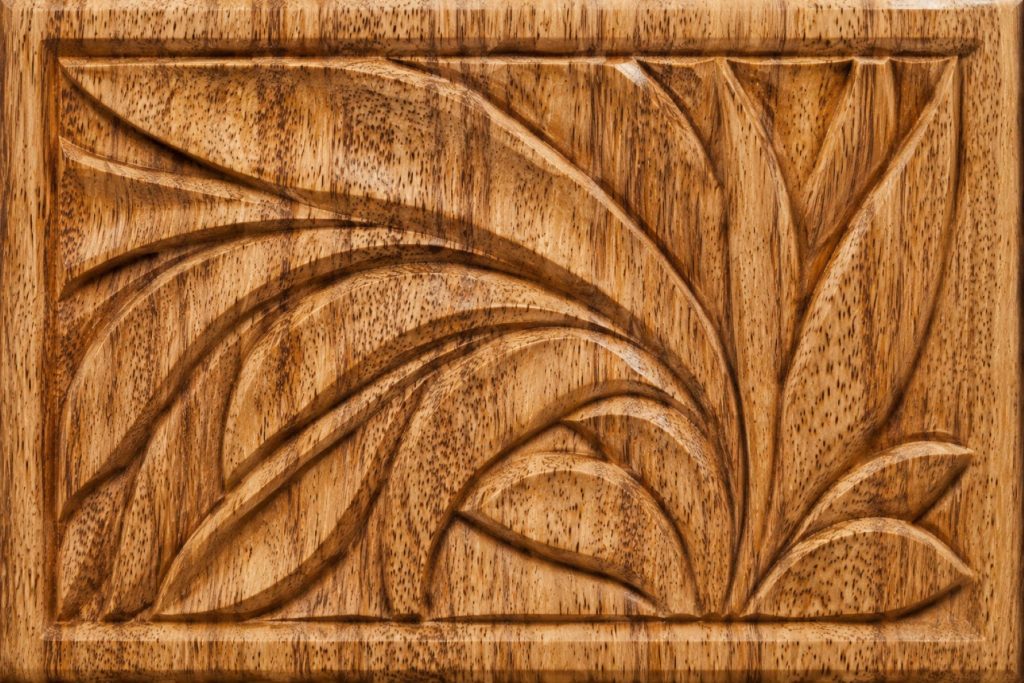
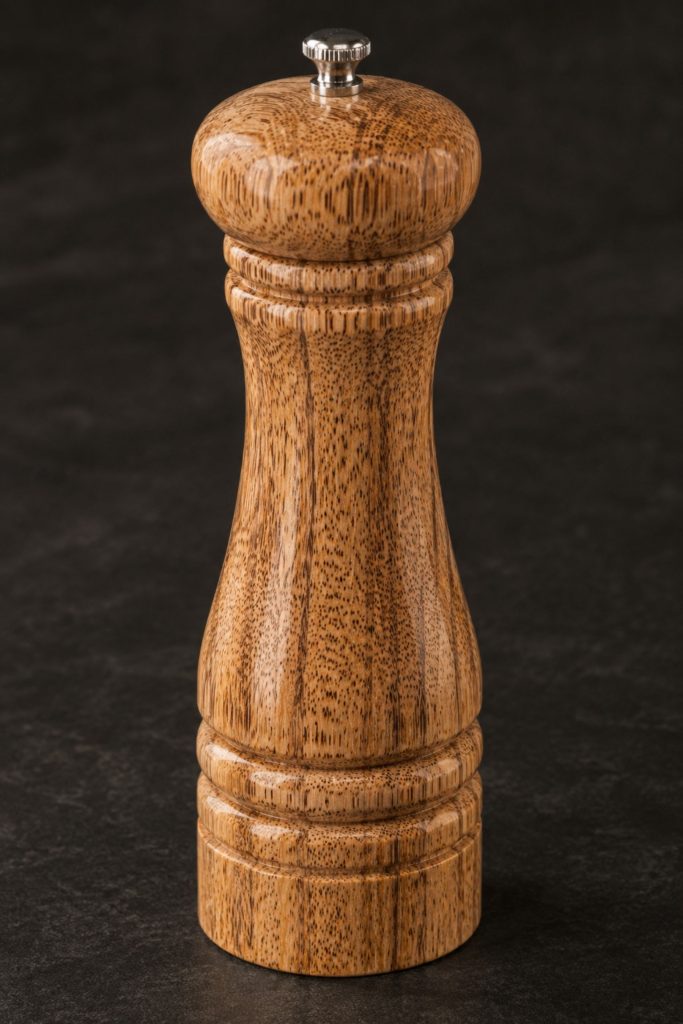
Cuban Royal Palm is not a conventional commercial lumber species, but its trunks have historically provided useful material for local and rural applications. Potential and documented uses include:
- Rural construction
- Boards and siding
- Rustic structures
- Decorative panels
- Craft projects
- Carvings
- Turned objects
- Architectural accents
- Educational specimens
- Wood collections
Sustainability & Notes
Cuban Royal Palm is one of the Caribbean’s most culturally recognizable palms and holds exceptional significance in Cuba, where it is the national tree. Beyond its cultural importance, the species provides habitat and food resources for wildlife and contributes to tropical forest, agricultural, and rural landscapes.
The species is also extensively planted as an ornamental in tropical and subtropical regions because of its impressive height, smooth trunk, and symmetrical crown.
For woodworking purposes, material obtained from storm-damaged trees, landscape removals, agricultural clearing, or other legitimate salvage sources provides an opportunity to utilize trunks without harvesting healthy palms specifically for their material.
Its unusual internal anatomy also gives Cuban Royal Palm considerable educational value for demonstrating the fundamental structural differences between palms and conventional woody trees.
Comparative Notes & Related Species
Puerto Rican Royal Palm – A closely related Caribbean royal palm with similar trunk anatomy and an excellent comparison for illustrating diversity within the Roystonea genus.
Black Palm – A visually distinctive palm material known for dense dark vascular bundles contrasting against lighter surrounding tissue.
Coconut Palm – A widely distributed tropical palm whose mature trunks can be processed into flooring, furniture, paneling, and structural products.
Related Guides
Hardwood vs. Softwood – Explore the botanical differences between hardwoods and softwoods and understand why palms do not fit neatly into either traditional category.
Identifying Unknown Wood Samples – Explore the characteristics used to identify unfamiliar specimens, including grain, texture, density, pores, fibers, and anatomical structure.
Labeling and Cataloging Wood Samples – Learn how to document scientific names, geographic origins, acquisition information, and other important details for unusual specimens.
Compare Wood Properties
See how this species ranks in density and hardness using our Wood Density & Janka Hardness Chart. You can also explore Hardest Woods, Softest Woods, and Most Dense Woods for quick comparisons.
Collector Notes
Cuban Royal Palm is an excellent educational collector specimen because its anatomy is fundamentally different from that of conventional hardwoods and softwoods. A transverse sample can clearly display the scattered vascular bundles characteristic of palms, while a longitudinal specimen reveals those same bundles as elongated fibers and streaks.
Displaying Cuban Royal Palm alongside Puerto Rican Royal Palm, Black Palm, and Coconut Palm can create an especially useful palm section within a comprehensive wood collection.
A documented Cuban specimen also has added geographic and cultural significance because of the Royal Palm’s status as Cuba’s national tree. Recording where the specimen originated and whether it came from the inner or outer portion of the trunk substantially increases its educational value.
Share Your Photos of This Species
Do you have lumber, wood samples, tree photographs, woodworking projects, furniture, carvings, turnings, musical instruments, or other items made from this species?
Exotic Woods of the World welcomes photographs from woodworkers, collectors, sawyers, researchers, and wood enthusiasts around the world. Selected submissions may be featured on this page and throughout our website to help document and showcase real-world examples of this species.
When submitting photos, please include the common name, scientific name (if known), a brief description, and any information you would like us to share with the image.
Wood Sample Collection
This species is part of an ongoing effort to document and preserve wood samples from around the world.
Learn more about contributing to the collection:
Resources
Authoritative botanical and forestry references used in compiling information about this species include:
• USDA Forest Service – Wood Handbook: Wood as an Engineering Material
https://www.fpl.fs.usda.gov/products/publications/
• The Wood Database – Global reference for wood identification, physical properties, and woodworking characteristics
https://www.wood-database.com/
• Royal Botanic Gardens, Kew – Plants of the World Online – Botanical taxonomy and species distribution database
https://powo.science.kew.org/
• International Union for Conservation of Nature (IUCN Red List) – Global conservation status assessments
https://www.iucnredlist.org/
• Convention on International Trade in Endangered Species (CITES) – International trade regulations for protected plant species
https://cites.org/
Additional forestry publications, academic research papers, and regional timber studies may also be referenced where available.
Love This Species?
Enjoy learning about this wood species?
Help support the continued growth of Exotic Woods of the World by participating in our Adopt a Species program. Your support helps fund species research, educational content, photography, videos, and future conservation awareness initiatives.
Support Forest Conservation
This species is part of the growing Exotic Woods of the World reference archive, dedicated to documenting and preserving knowledge of the world’s wood species.
Through the Adopt a Species program, visitors can help support ongoing species research, educational content, photography, video production, and future conservation awareness initiatives.
Contributions help fund the continued expansion of this archive while promoting sustainable forestry education and the long-term appreciation of the world’s forests.
Interested in supporting this species? Visit our Adopt a Species and Conservation Partners pages to learn more.
Availability & Where to Buy
Exotic hardwood availability can vary significantly depending on region, sustainability regulations, and supplier inventory.
As this archive grows, recommended suppliers and specialty wood retailers will be listed here to help woodworkers locate responsibly sourced material.
Lumber Suppliers:
Availability varies — see the Where to Buy Exotic Woods page for current sources.
Related Tools & Products:
Availability varies — see the Where to Buy Exotic Woods page for current sources.
Share This Wood Species
Stay Connected
Follow the latest species additions, educational resources, videos, conservation initiatives, and major project milestones through our Site Updates archive.
The Site Updates archive provides a permanent record of new content, library growth, and future developments across Exotic Woods of the World.