
East African Mahogany
Scientific name: Khaya anthotheca
Overview
East African Mahogany is a large tropical hardwood tree in the mahogany family, Meliaceae. The name is commonly applied to Khaya anthotheca, a species also sold under regional names such as Nyasaland mahogany, red mahogany, white mahogany, and African mahogany. Its timber is valued for furniture, cabinetry, interior joinery, veneer, turning, and decorative work.
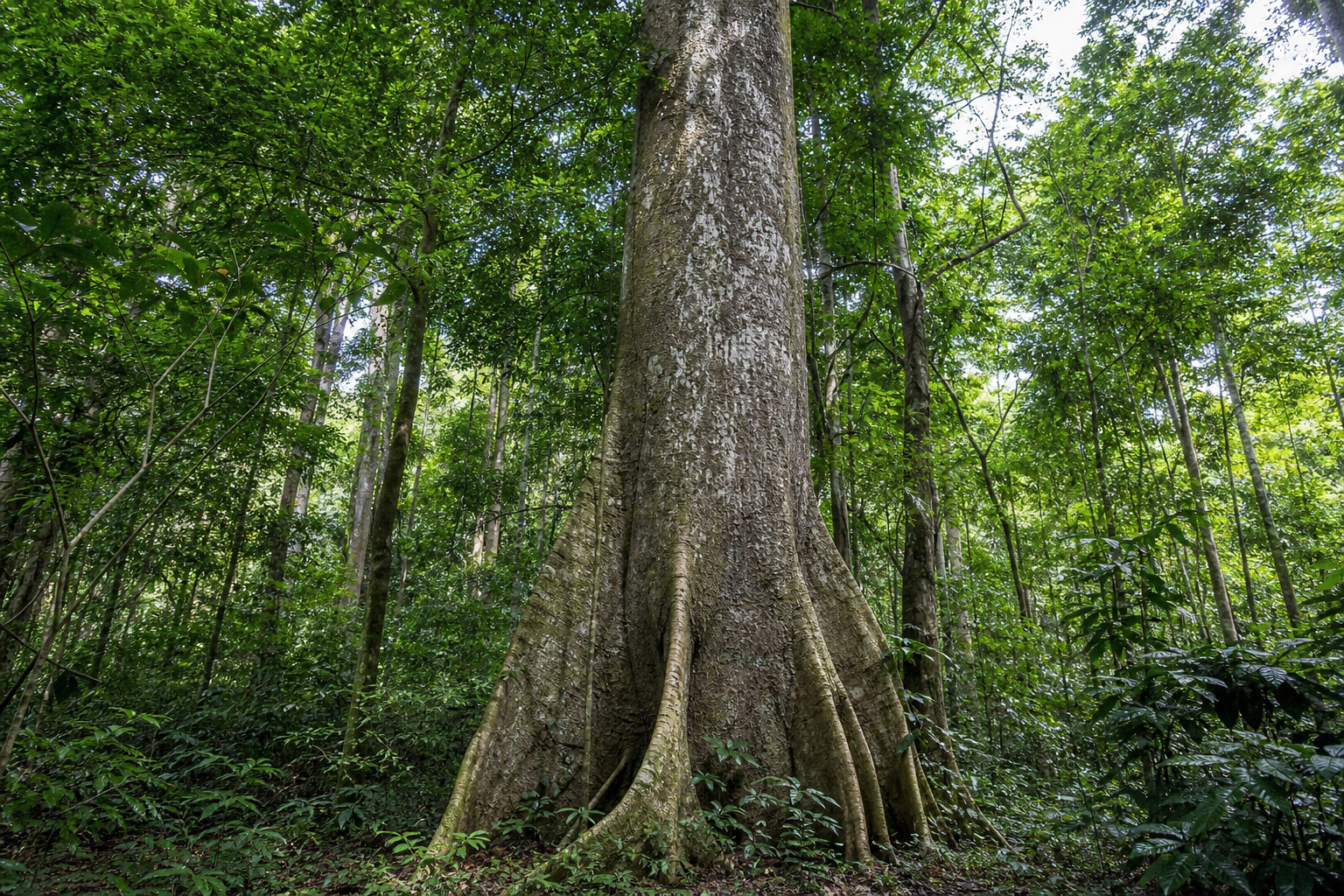
Khaya anthotheca is native across tropical Africa, from Guinea eastward into South Sudan and East Africa and south to Angola, Zambia, Malawi, Mozambique, and Zimbabwe. It is associated with wet tropical forest, lowland rain forest, and riparian forest, and it is also grown in plantations. Kew recognizes the name as accepted and records the species primarily in the wet tropical biome.
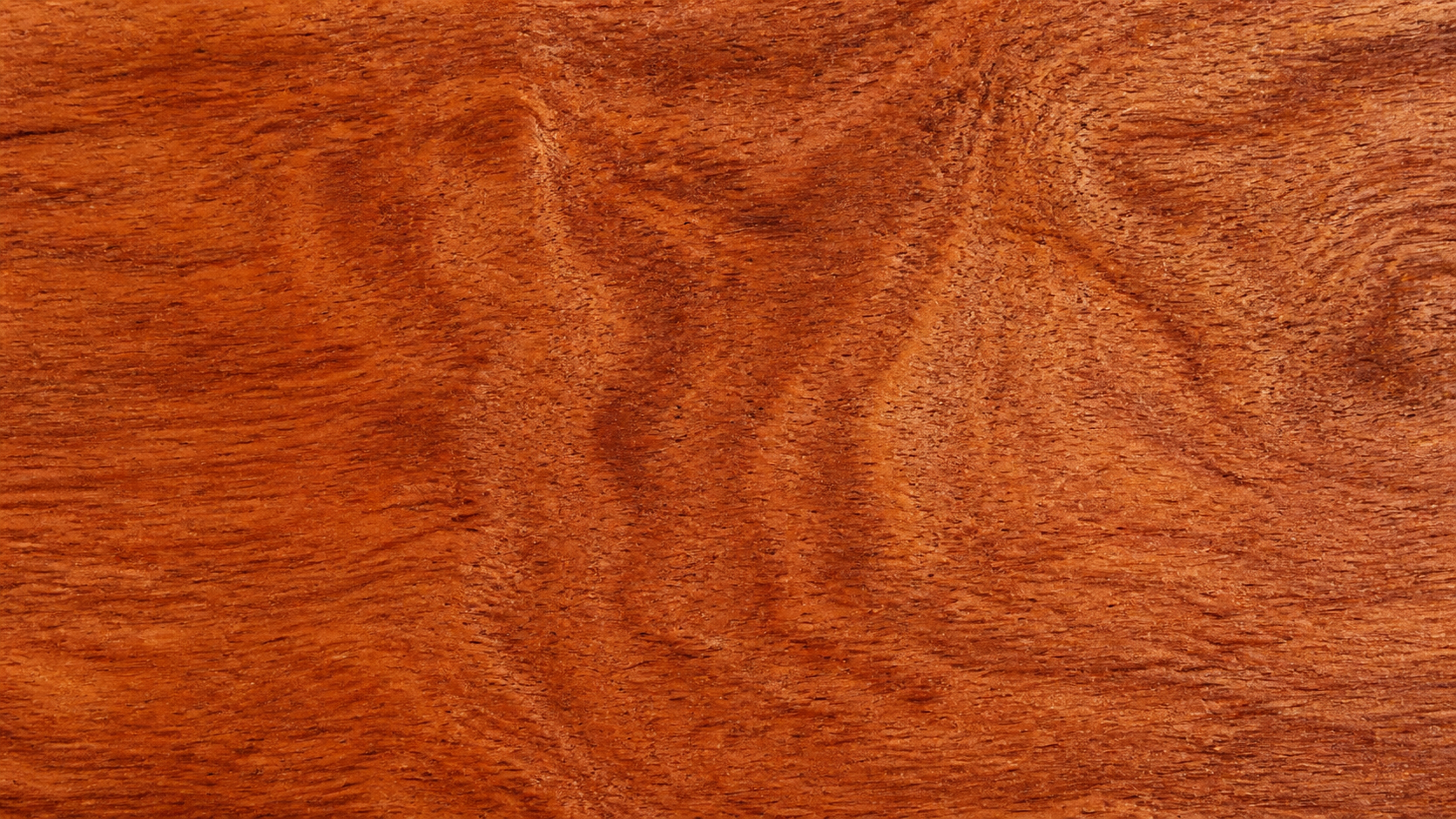
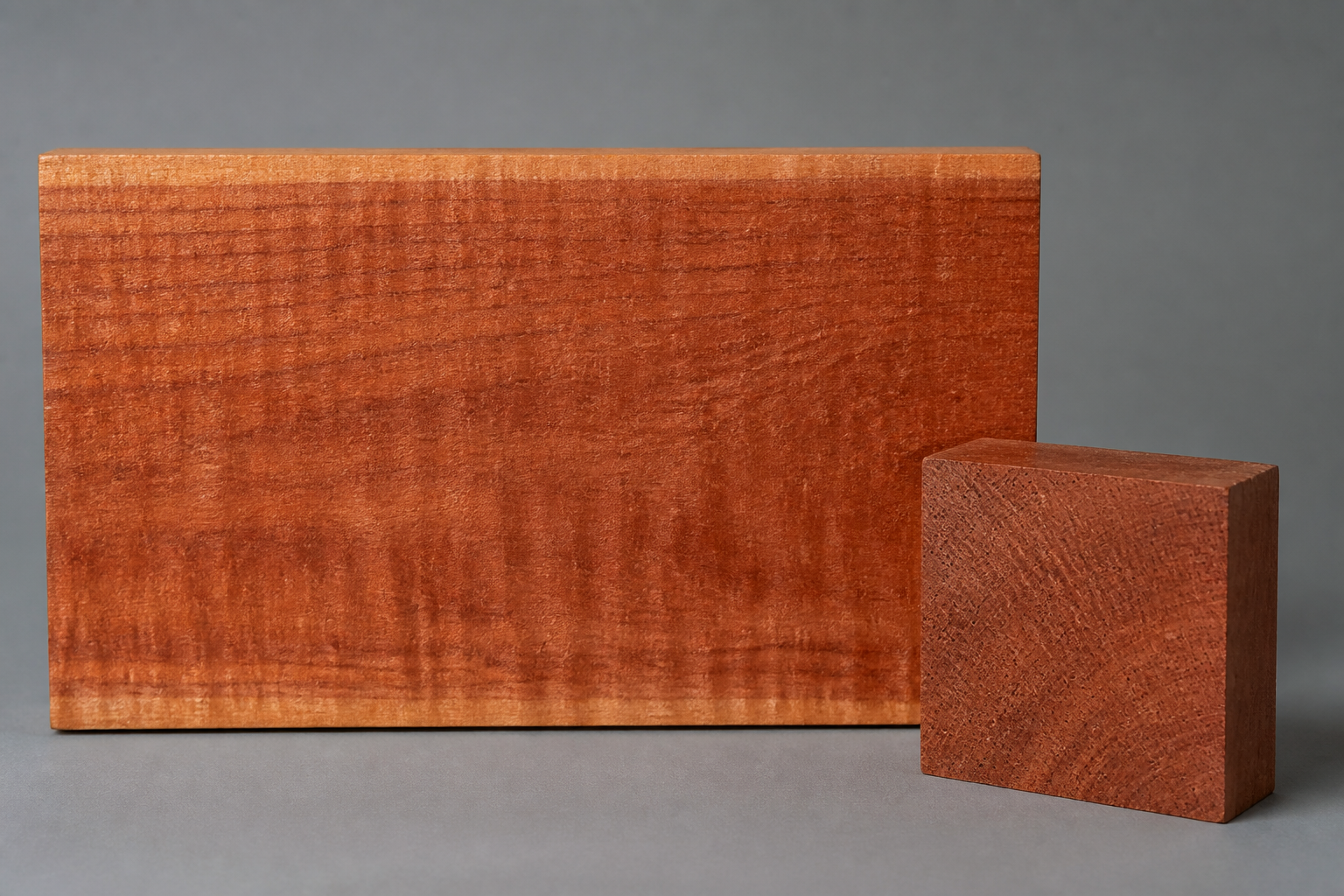
The heartwood is typically pale pink or reddish brown when freshly cut and deepens with exposure. Sapwood is lighter and usually distinct. Grain may be straight, but interlocked or irregular grain is common and can produce ribbon stripe, mottled, or figured surfaces when quartersawn.
Quick Facts
- Common Name: East African Mahogany
- Alternate Common Name(s): White Mahogany, Red Mahogany, African Mahogany
- Scientific Name: Khaya anthotheca
- Region: African Woods
- Tree Size: Typically 100–150 ft (30–46 m) tall
- Average Dried Weight: Approximately 36 lb/ft³ (575 kg/m³)
- Janka Hardness: Approximately 850 lbf (3,780 N)
- Grain: Usually straight to interlocked; may show ribbon figure
- Texture: Medium to coarse
Identification Characteristics
The wood is usually identified by its warm reddish-brown color, medium-to-coarse texture, and frequent interlocked grain. Quartersawn surfaces can show a striped or ribbon-like figure. Pores are visible without magnification, and the wood often has a subtle natural luster.
Key identification traits include:
- Pinkish or reddish-brown heartwood
- Paler, clearly differentiated sapwood
- Medium to moderately coarse texture
- Straight to interlocked grain
- Ribbon stripe or mottled figure on some quartersawn boards
- No consistently distinctive odor when dry
Working Properties
East African Mahogany generally works well with hand and machine tools, which helps explain its long use in furniture and joinery. Straight-grained stock planes, turns, sands, glues, and finishes well. Interlocked grain requires more care because tear-out can occur during planing or shaping. Sharp cutters, light passes, and a high cutting angle improve results.
- Machining: Generally good, with possible tear-out in interlocked grain
- Turning and carving: Good; details hold well in sound, straight-grained stock
- Gluing: Usually good on clean, freshly prepared surfaces
- Fastening: Holds nails and screws well; predrilling is advisable near edges
- Sanding: Sands to a smooth surface, though torn fibers should be leveled first
- Finishing: Accepts clear finishes well and can develop a rich, warm appearance
- Drying: Dry carefully and evenly to reduce checking, distortion, or honeycombing in thicker material
Safety Note
Wood dust can irritate the skin, eyes, and respiratory system, and individual sensitivity varies. Use effective dust extraction, wear appropriate eye and respiratory protection, and avoid prolonged skin contact. Anyone with a history of wood-dust sensitivity should take additional precautions.
Common Uses
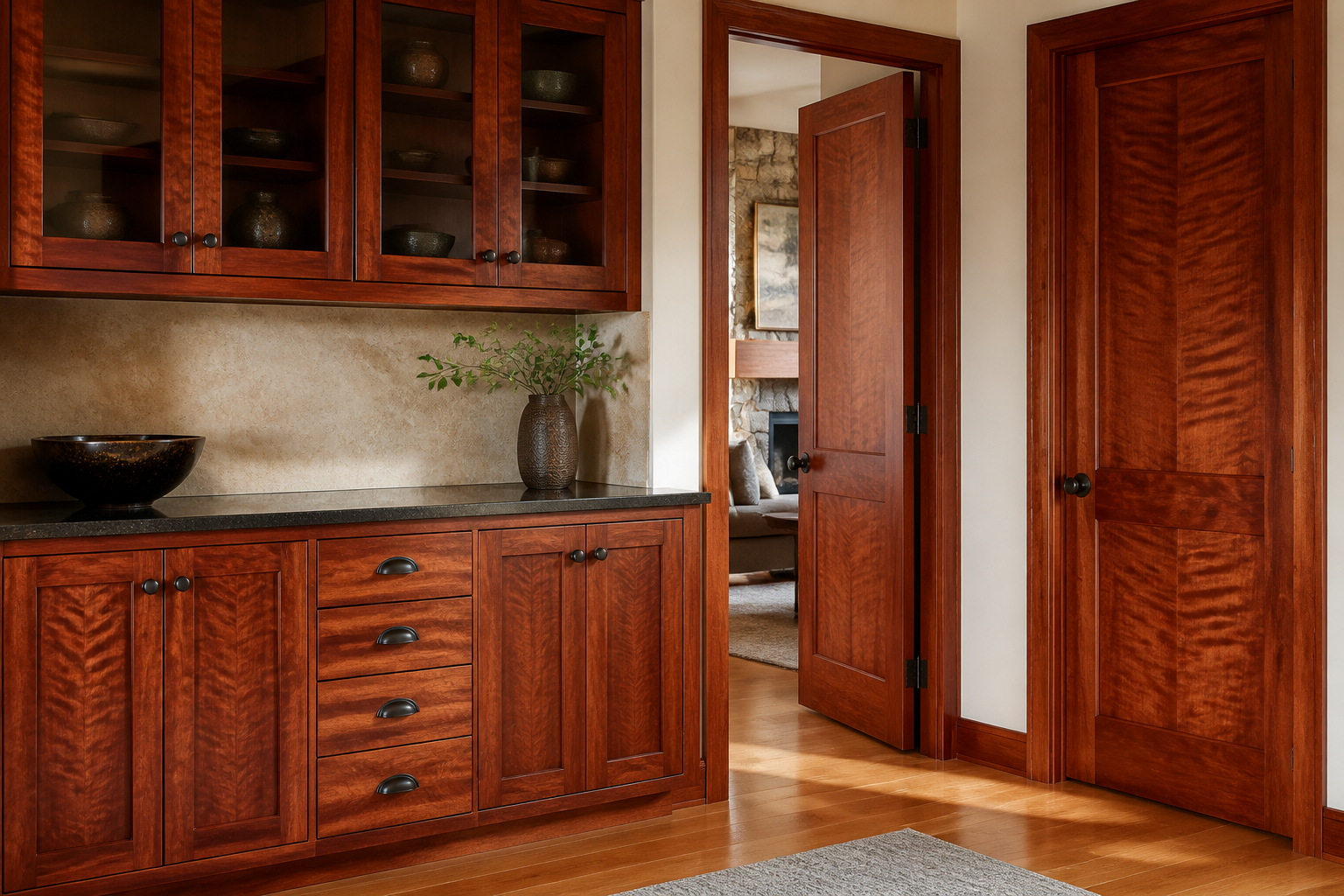
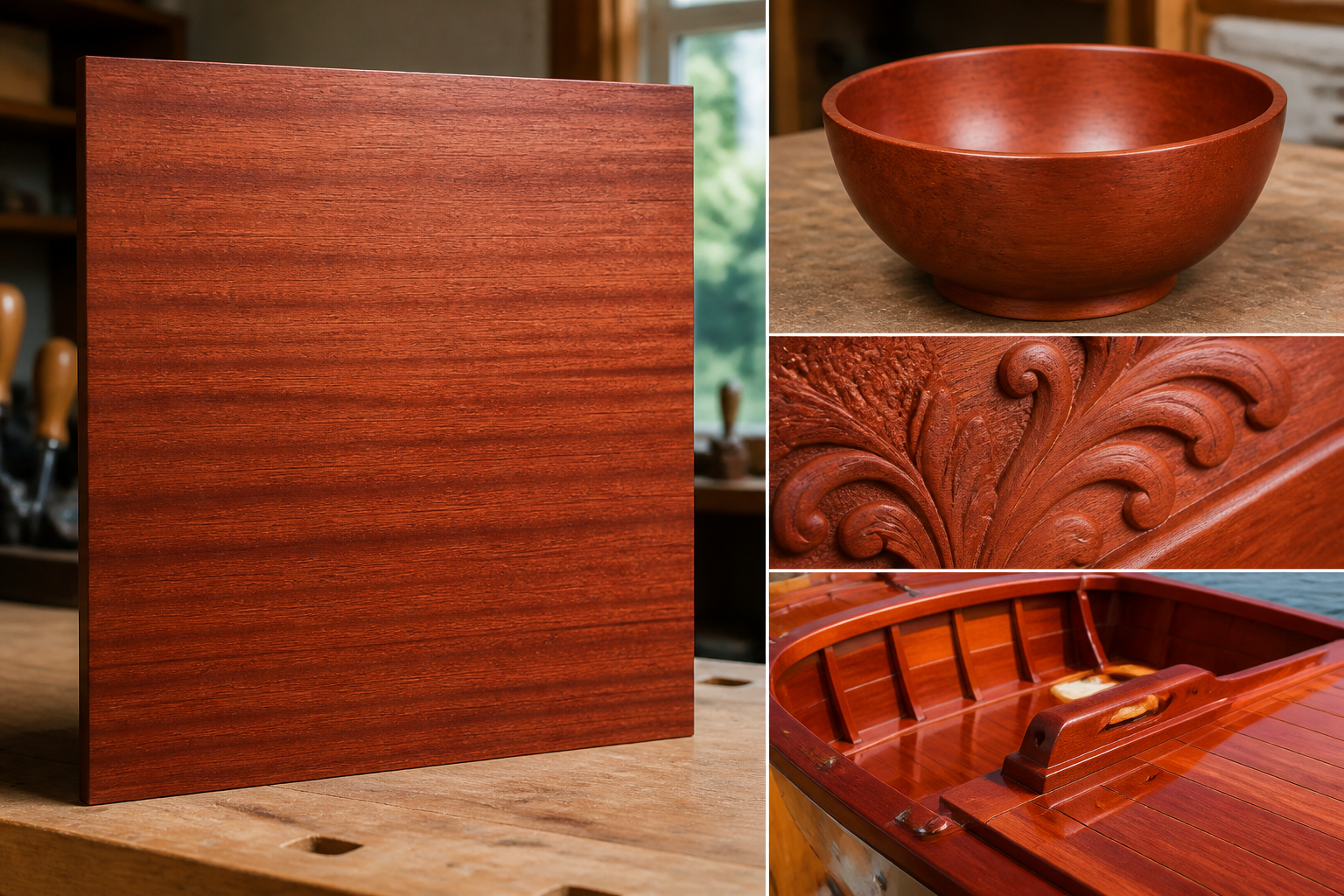
- Fine furniture and casework
- Cabinet doors and architectural millwork
- Interior doors, paneling, and trim
- Decorative veneer and plywood faces
- Carving, turning, and small specialty objects
- Musical-instrument components
- Boat interiors and other protected marine joinery
- General interior construction where an attractive, workable hardwood is desired
Sustainability & Notes
Khaya anthotheca is assessed as Vulnerable on the IUCN Red List. Historic and continuing pressure from commercial timber harvest, loss of mature trees, weak natural regeneration, habitat change, and genetic erosion have contributed to concern for wild populations.
African populations of Khaya species are listed in CITES Appendix II. Depending on the material, origin, and destination, international trade can require permits and evidence that harvest and export are legal and non-detrimental. Buyers should request a clear species name, country of harvest, chain-of-custody documentation, and applicable CITES paperwork. Plantation-grown or independently certified material may provide a more traceable option, but documentation should still be verified.
Comparative Notes & Related Species
Nyasaland Mahogany (Khaya nyasica) – A closely related southeastern African mahogany sometimes treated differently by taxonomic sources.
Large-Leaved African Mahogany (Khaya grandifoliola) – Another Khaya with broadly comparable timber and uses.
Senegal Mahogany (Khaya senegalensis) – A drier-region relative commonly included in the African mahogany trade group.
Related Guides
- African Mahogany
- Khaya Species Guide
- African Mahogany vs. Genuine Mahogany
- African Woods
- Understanding CITES & Protected Species
Compare Wood Properties
See how this species ranks in density and hardness using our Wood Density & Janka Hardness Chart. You can also explore Hardest Woods, Softest Woods, and Most Dense Woods for quick comparisons.
Collector Notes
Collectors should record whether a sample was sold as East African Mahogany, Nyasaland Mahogany, or a broader African Mahogany trade name. When possible, retain the botanical identification, source country, supplier, purchase date, and any CITES or certification documents. Because Khaya woods can be visually similar, provenance often carries more identification value than color alone.
Share Your Photos of This Species
Do you have lumber, wood samples, tree photographs, woodworking projects, furniture, carvings, turnings, musical instruments, or other items made from this species? Exotic Woods of the World welcomes photographs from woodworkers, collectors, sawyers, researchers, and wood enthusiasts around the world.
When submitting photos, please include the common name, scientific name if known, a brief description, and any information you would like us to share. Visit the Share Your Photos Page.
Wood Sample Collection
This species is part of an ongoing effort to document and preserve wood samples from around the world. Learn more about contributing to the collection: Donate Wood Samples.
Resources
- Royal Botanic Gardens, Kew – Plants of the World Online: Khaya anthotheca
- IUCN Red List: Khaya anthotheca
- CITES Appendices: international trade controls for listed species
- World Agroforestry: useful-tree profile for Khaya nyasica / K. anthotheca
- USDA Forest Products Laboratory: wood science publications
Love This Species?
Enjoy learning about this wood species?
Help support the continued growth of Exotic Woods of the World by participating in our Adopt a Species program. Your support helps fund species research, educational content, photography, videos, and future conservation awareness initiatives.
Support Forest Conservation
This species is part of the growing Exotic Woods of the World reference archive, dedicated to documenting and preserving knowledge of the world’s wood species.
Through the Adopt a Species program, visitors can help support ongoing species research, educational content, photography, video production, and future conservation awareness initiatives.
Contributions help fund the continued expansion of this archive while promoting sustainable forestry education and the long-term appreciation of the world’s forests.
Interested in supporting this species? Visit our Adopt a Species and Conservation Partners pages to learn more.
Availability & Where to Buy
Exotic hardwood availability can vary significantly depending on region, sustainability regulations, and supplier inventory.
As this archive grows, recommended suppliers and specialty wood retailers will be listed here to help woodworkers locate responsibly sourced material.
Lumber Suppliers:
Availability varies — see the Where to Buy Exotic Woods page for current sources.
Related Tools & Products:
Availability varies — see the Where to Buy Exotic Woods page for current sources.
Share This Wood Species
Stay Connected
Follow the latest species additions, educational resources, videos, conservation initiatives, and major project milestones through our Site Updates archive.
The Site Updates archive provides a permanent record of new content, library growth, and future developments across Exotic Woods of the World.