
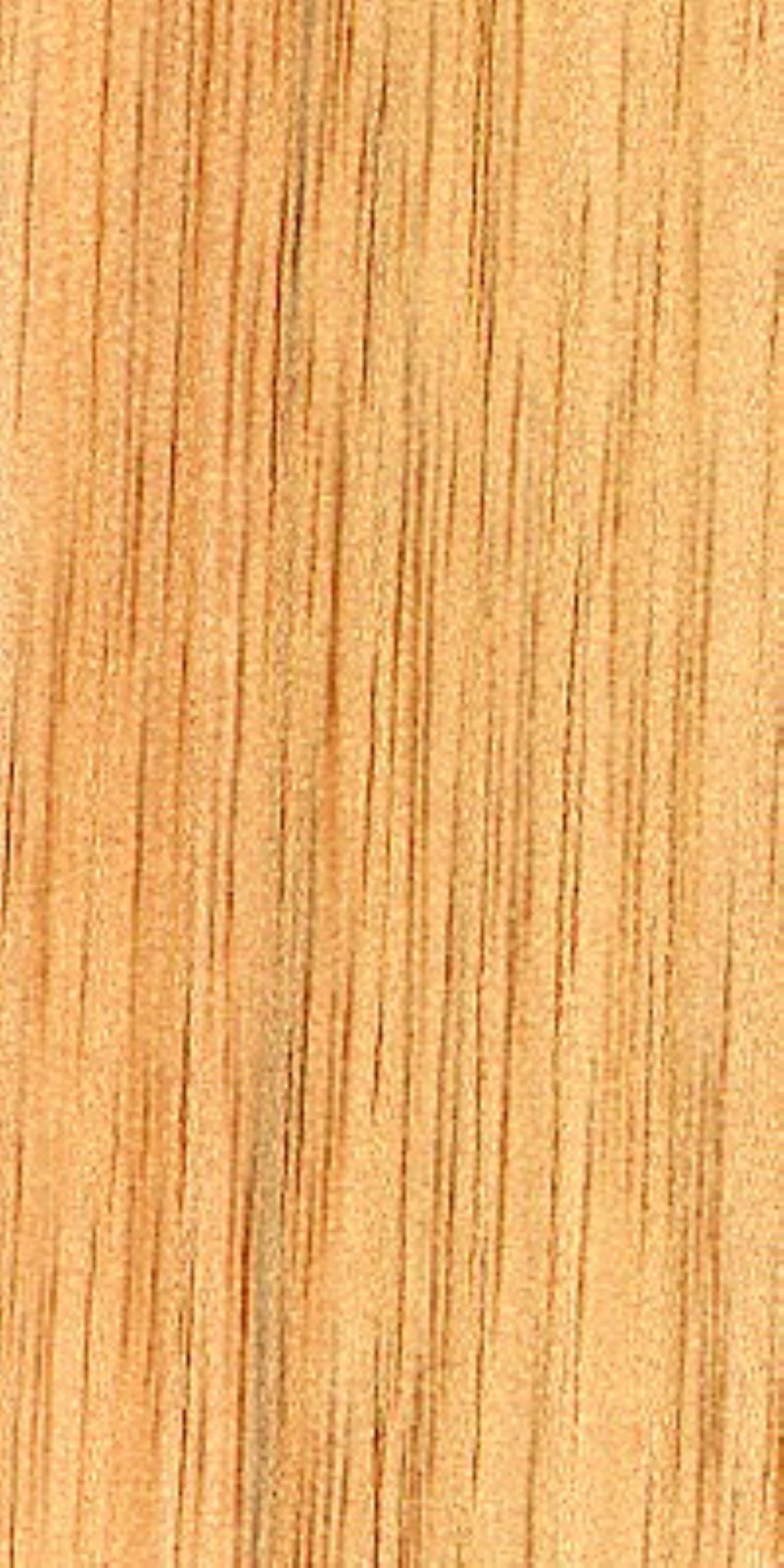
Ilomba
Scientific name: Pycnanthus angolensis
Overview
Ilomba is a lightweight hardwood native to tropical West and Central Africa. It is known for its pale coloration, low density, and ease of workability, making it suitable for interior applications, plywood, and light construction.
Although not highly durable, its uniform texture and stability make it a practical choice for projects where weight and workability are more important than strength.
Quick Facts
- Common Name: Ilomba
- Scientific Name: Pycnanthus angolensis
- Region: African Hardwoods (West & Central Africa)
- Tree Size: 100–130 ft tall, 3–5 ft trunk diameter
- Average Dried Weight: 28 lbs/ft³ (450 kg/m³)
- Janka Hardness: 380 lbf
- Color: Pale yellow to light brown
- Grain: Straight to slightly interlocked
- Texture: Coarse
Identification Characteristics
Ilomba is typically identified by its light color and low density. The wood has a coarse texture and a somewhat fibrous appearance compared to denser hardwoods.
It is noticeably lighter in weight than most tropical hardwoods and lacks strong figure or contrast.
Key identification traits include:
- Pale yellow to light brown heartwood
- Low density and lightweight feel
- Coarse, somewhat fibrous texture
- Generally straight grain


Working Properties
Ilomba is easy to work due to its low density, though its coarse texture can affect surface quality.
- Machines easily with standard tools
- Cuts and shapes without resistance
- Glues and finishes well
- May require filling for a smooth finish
- Good stability when properly dried
Safety Note
Dust may cause mild irritation to the skin and respiratory system. Standard protective measures are recommended.
Common Uses
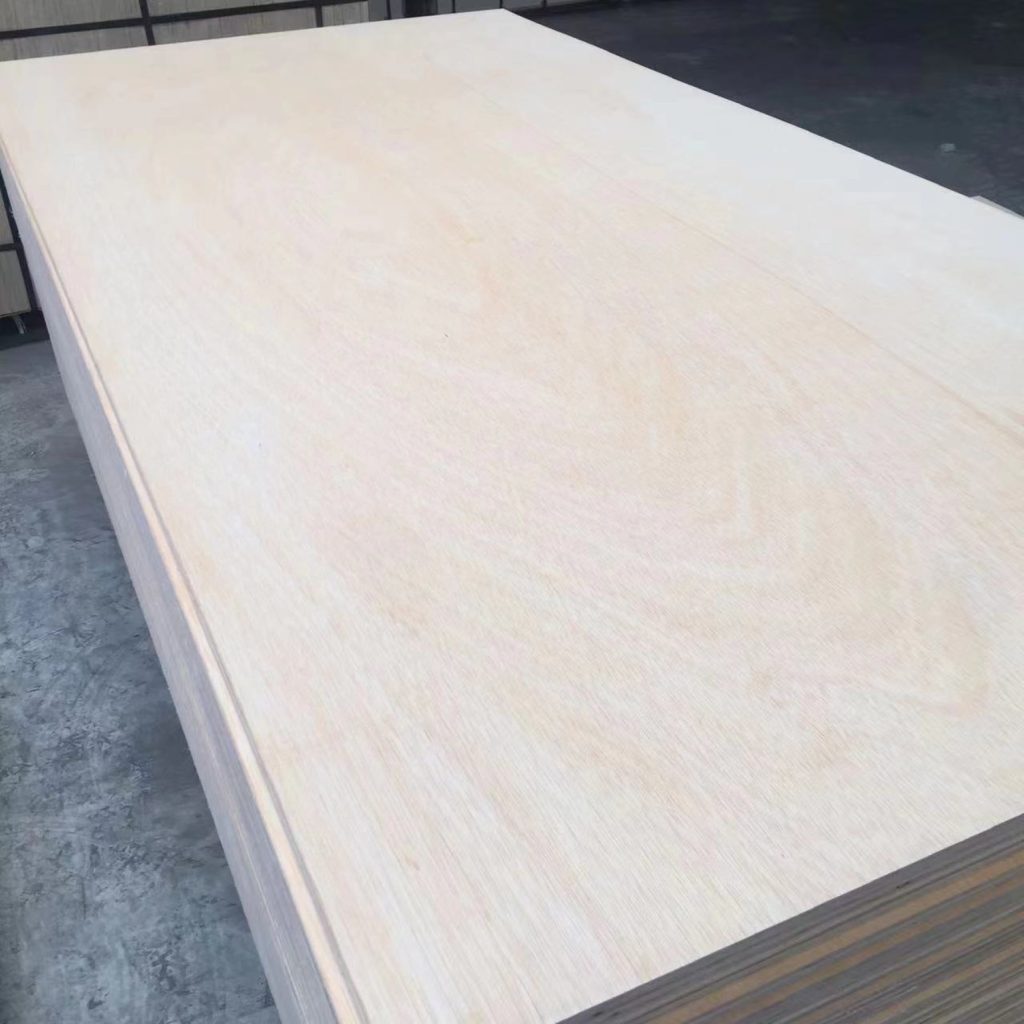

Ilomba is typically used in applications where lightweight material and ease of machining are important.
- Plywood and veneer
- Interior paneling
- Light furniture and cabinetry
- Core stock for laminated products
- General interior construction
Sustainability & Notes
Ilomba is not listed under CITES, though it is harvested across multiple regions. Responsible sourcing is recommended.
Comparative Notes & Related Species
Koto – Similar in color and use, though slightly heavier and more structured in texture.
Okoume – A lightweight hardwood commonly used in plywood, typically softer and more uniform.
Limba – Another light African hardwood with similar applications but often with slightly more variation in color.
Related Guides
Wood Identification
Provides techniques for identifying light-colored hardwoods with subtle grain patterns.
Hardwood vs Softwood
Explains structural differences and classification of lighter hardwoods.
Drying & Acclimating Exotic Woods
Covers best practices for handling lightweight species to prevent movement and warping.
Compare Wood Properties
See how this species ranks in density and hardness using our Wood Density & Janka Hardness Chart. You can also explore Hardest Woods, Softest Woods, and Most Dense Woods for quick comparisons.
Collector Notes
Ilomba is often included in collections as a representative of lightweight tropical hardwoods. Its pale color and coarse texture provide contrast when compared with denser and darker species.
Samples with consistent color and minimal defects are typically preferred, particularly for reference collections focused on density comparison.
Share Your Photos of This Species
Do you have lumber, wood samples, tree photographs, woodworking projects, furniture, carvings, turnings, musical instruments, or other items made from this species?
Exotic Woods of the World welcomes photographs from woodworkers, collectors, sawyers, researchers, and wood enthusiasts around the world. Selected submissions may be featured on this page and throughout our website to help document and showcase real-world examples of this species.
When submitting photos, please include the common name, scientific name (if known), a brief description, and any information you would like us to share with the image.
Wood Sample Collection
This species is part of an ongoing effort to document and preserve wood samples from around the world.
Learn more about contributing to the collection:
Resources
Authoritative botanical and forestry references used in compiling information about this species include:
• USDA Forest Service – Wood Handbook: Wood as an Engineering Material
https://www.fpl.fs.usda.gov/products/publications/
• The Wood Database – Global reference for wood identification, physical properties, and woodworking characteristics
https://www.wood-database.com/
• Royal Botanic Gardens, Kew – Plants of the World Online – Botanical taxonomy and species distribution database
https://powo.science.kew.org/
• International Union for Conservation of Nature (IUCN Red List) – Global conservation status assessments
https://www.iucnredlist.org/
• Convention on International Trade in Endangered Species (CITES) – International trade regulations for protected plant species
https://cites.org/
Additional forestry publications, academic research papers, and regional timber studies may also be referenced where available.
Love This Species?
Enjoy learning about this wood species?
Help support the continued growth of Exotic Woods of the World by participating in our Adopt a Species program. Your support helps fund species research, educational content, photography, videos, and future conservation awareness initiatives.
Support Forest Conservation
This species is part of the growing Exotic Woods of the World reference archive, dedicated to documenting and preserving knowledge of the world’s wood species.
Through the Adopt a Species program, visitors can help support ongoing species research, educational content, photography, video production, and future conservation awareness initiatives.
Contributions help fund the continued expansion of this archive while promoting sustainable forestry education and the long-term appreciation of the world’s forests.
Interested in supporting this species? Visit our Adopt a Species and Conservation Partners pages to learn more.
Availability & Where to Buy
Exotic hardwood availability can vary significantly depending on region, sustainability regulations, and supplier inventory.
As this archive grows, recommended suppliers and specialty wood retailers will be listed here to help woodworkers locate responsibly sourced material.
Lumber Suppliers:
Availability varies — see the Where to Buy Exotic Woods page for current sources.
Related Tools & Products:
• Woodworking: The Complete Step-by-Step Manual for learning woodworking techniques, joinery, finishing, and step-by-step projects
https://amzn.to/4v1EYSZ
• Woodworking Apron for Men with 9 Tool Pockets for keeping tools organized and protecting clothing during woodworking, carving, turning, and shop work
https://amzn.to/43SZ9rt
• XFasten Double-Sided Woodworking Tape (3-Pack) for securing templates, workpieces, and patterns during routing, CNC work, edge banding, and other woodworking tasks
https://amzn.to/4xK5yTj
Share This Wood Species
Stay Connected
Follow the latest species additions, educational resources, videos, conservation initiatives, and major project milestones through our Site Updates archive.
The Site Updates archive provides a permanent record of new content, library growth, and future developments across Exotic Woods of the World.