
Imbuia-de-Cheiro
Scientific name: Ocotea puberula
Overview
Imbuia-de-Cheiro, Ocotea puberula, is a laurel-family tree native from Mexico through tropical South America and into the subtropical forests of southern Brazil and neighboring countries. Unlike the darker, heavier timber commonly sold simply as imbuia (Ocotea porosa), this species generally produces pale, lightweight wood. It is used regionally for furniture, boxes, interior construction, and other light-duty work. The wood may have a characteristic laurel-like odor, while its variable grain and modest strength distinguish it from premium cabinet timbers.
Quick Facts
- Common Name: Imbuia-de-Cheiro
- Scientific Name: Ocotea puberula
- Region: Central & South America
- Tree Size: Commonly 33–82 ft (10–25 m) tall; trunk about 16–24 in (40–60 cm) in diameter
- Average Dried Weight: Lightweight; reliable species-specific average not confirmed
- Janka Hardness: Reliable species-specific value not confirmed
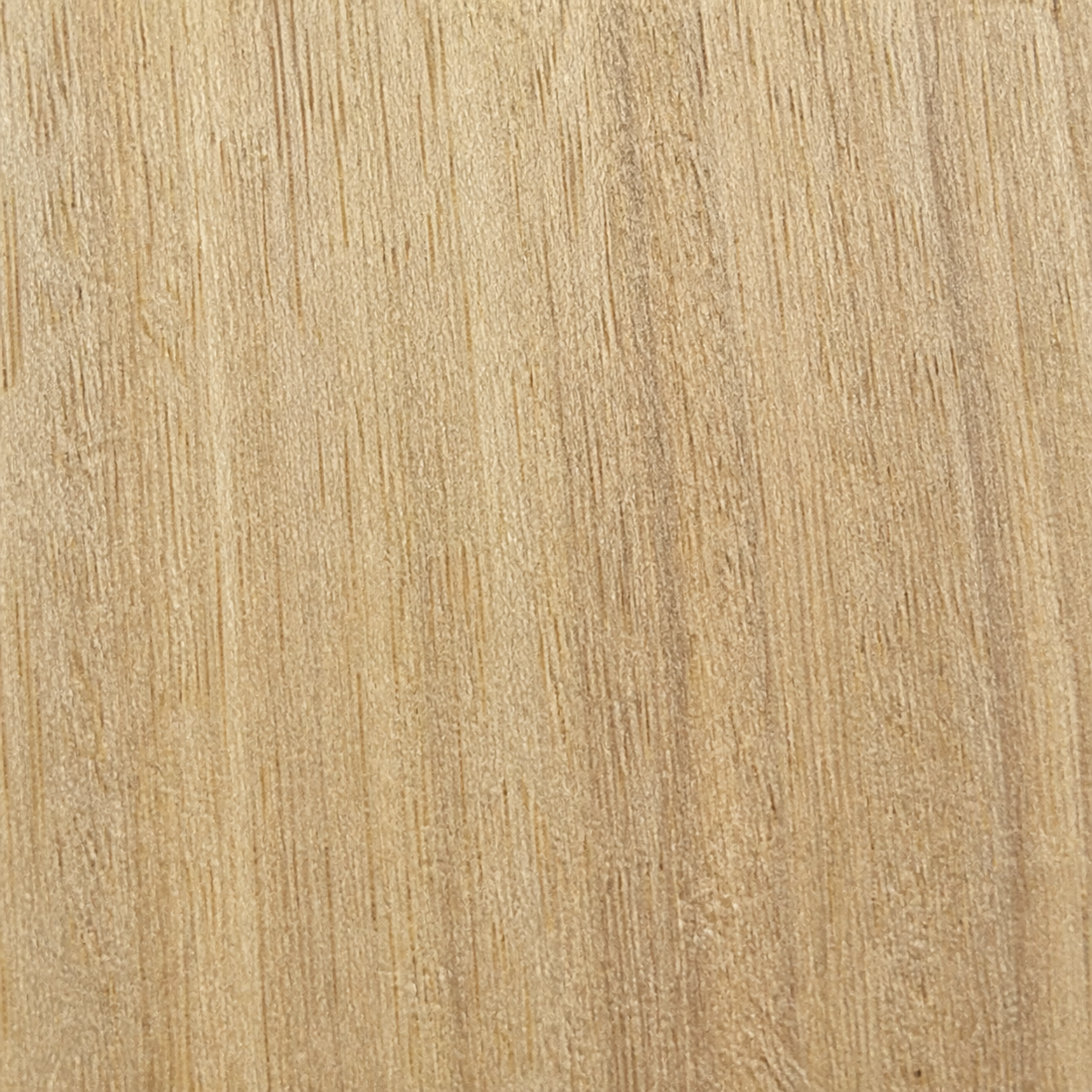
- Color: Pale cream to light brown
- Grain: Straight to irregular
- Texture: Fine to medium
Identification Characteristics
The wood is usually pale and comparatively lightweight, with sapwood and heartwood reported as poorly differentiated. Grain may range from straight to irregular, and anatomical studies note diffuse pores, distinct growth-zone boundaries, and features typical of Lauraceae. Color, odor, axial parenchyma visibility, and vessel arrangement can assist identification, but reliable separation from other Ocotea and Nectandra woods may require expert anatomical examination.
Key identification traits include:
- Pale cream to light-brown wood
- Little visible contrast between sapwood and heartwood
- Straight to irregular grain
- Light weight and relatively soft working character
- Characteristic odor may be present
- Distinct growth zones may be visible

Working Properties
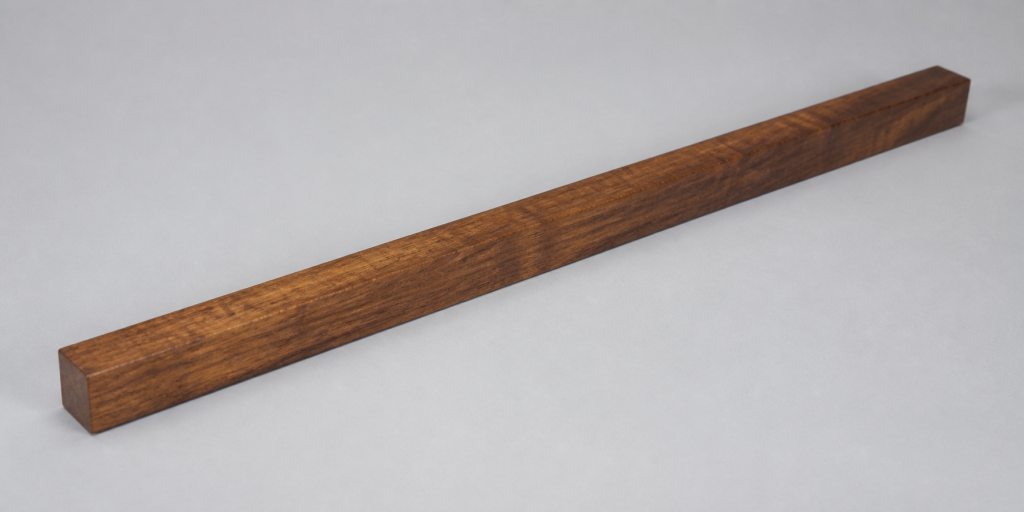
Imbuia-de-Cheiro is generally described as light and soft, but irregular grain can make clean planing and sanding more difficult than its low density would suggest. Sharp cutters, light passes, and careful grain reading help reduce torn or fuzzy surfaces. Its low mechanical strength favors interior and light-duty applications rather than demanding structural work. Trial pieces are advisable because material traded under regional “canela” or “imbuia” names may vary.
- Saws and machines readily in straight-grained stock
- Irregular grain may complicate planing and sanding
- Use sharp tools and light cuts to improve surface quality
- Suitable for routine gluing and finishing after careful surface preparation
- Best reserved for light-duty interior work
Safety Note
Species-specific reports of severe toxicity are limited. As with other woods, airborne dust may irritate the eyes, skin, or respiratory tract, and aromatic Lauraceae dust may be troublesome to sensitive individuals. Use effective dust extraction, eye protection, and a suitable respirator when machining or sanding.
Common Uses
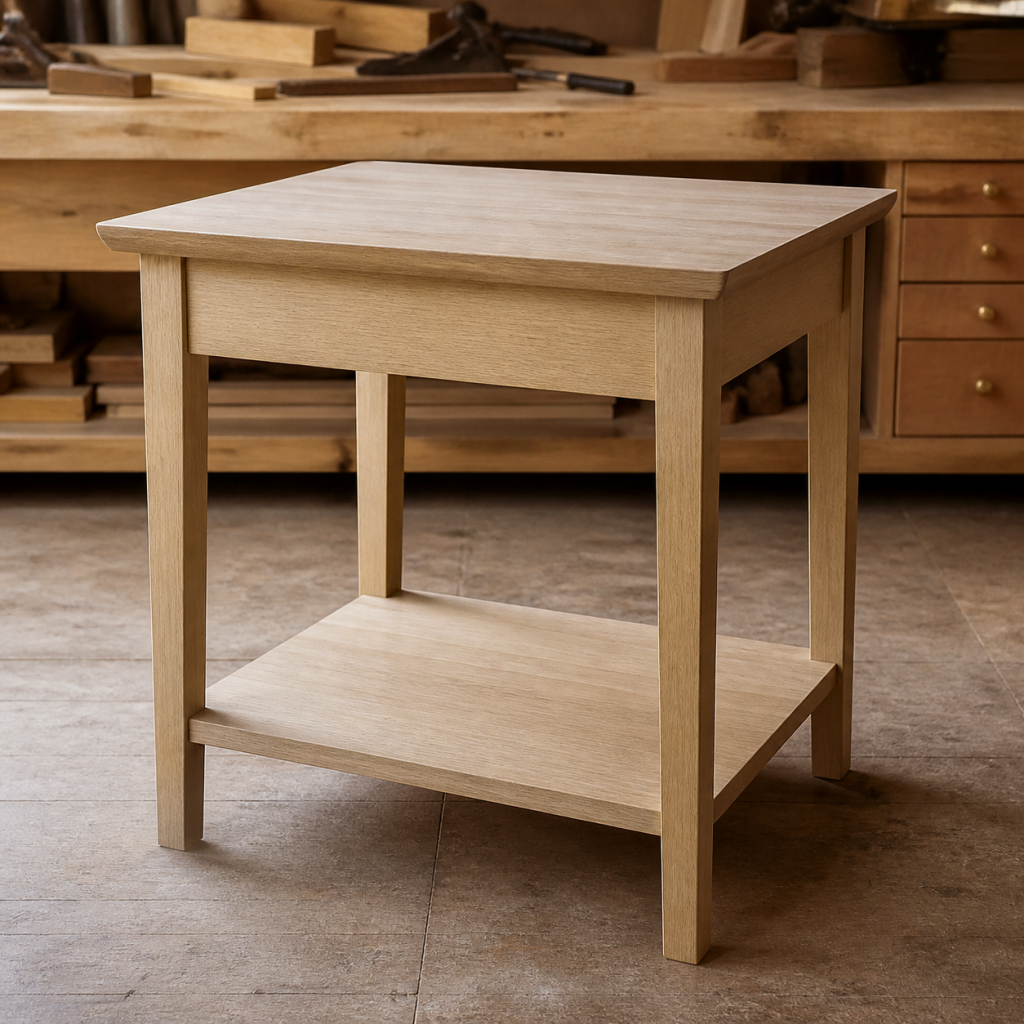
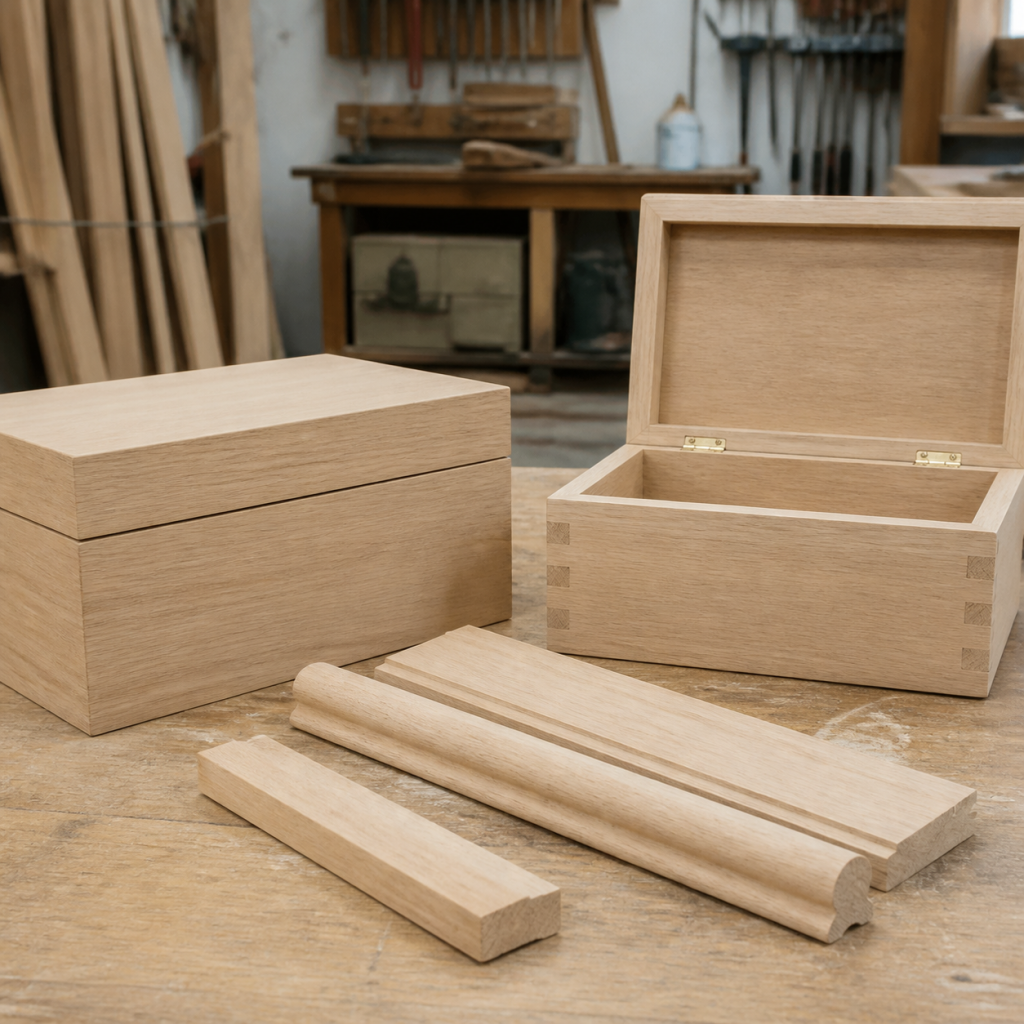
Its light weight, softness, and regional availability make the wood most appropriate for interior and light-duty products, including:
- Furniture and simple joinery
- Boxes and crates
- Interior construction and trim
- Ceilings and paneling
- Light carpentry
- Pulp and fiber products
Sustainability & Notes
Ocotea puberula has a very broad native range and is accepted by Plants of the World Online. Kew-linked conservation data report the species as Least Concern, although assessments attached to historical synonyms can differ and should not be applied without taxonomic care. It is a common pioneer or early-successional tree in parts of southern Brazil, but broad distribution does not by itself guarantee that any particular timber supply is responsibly harvested. Buyers should seek verifiable regional origin and legal sourcing.
Comparative Notes & Related Species
Imbuia – Ocotea porosa is typically darker, heavier, and more highly figured than Imbuia-de-Cheiro.
Louro Vermelho – Another South American laurel-family timber, generally redder and denser.
Louro Amarelo – A heavier aromatic Lauraceae wood with yellow-brown coloring.
Related Guides
Wood Families & Trade Groups – Understand botanical relationships and the limits of common trade names.
How to Identify Exotic Hardwood by Grain Pattern – Review practical visual features used in preliminary identification.
Identifying Unknown Wood Samples – Learn why provenance and anatomical evidence matter when similar woods share a name.
Compare Wood Properties
See how this species ranks in density and hardness using our Wood Density & Janka Hardness Chart. You can also explore Hardest Woods, Softest Woods, and Most Dense Woods for quick comparisons.
Collector Notes
For collectors, Imbuia-de-Cheiro is most valuable as a well-documented Lauraceae reference rather than as a showy cabinet wood. A labeled sample provides a useful contrast with dark commercial imbuia and helps illustrate how Brazilian common names can cover botanically distinct timbers. Because the pale wood may be difficult to distinguish from related “canela” species by appearance alone, provenance adds substantial identification value.
Share Your Photos of This Species
Do you have lumber, wood samples, tree photographs, woodworking projects, furniture, carvings, turnings, musical instruments, or other items made from this species?
Exotic Woods of the World welcomes photographs from woodworkers, collectors, sawyers, researchers, and wood enthusiasts around the world. Selected submissions may be featured on this page and throughout our website to help document and showcase real-world examples of this species.
When submitting photos, please include the common name, scientific name (if known), a brief description, and any information you would like us to share with the image.
Wood Sample Collection
This species is part of an ongoing effort to document and preserve wood samples from around the world.
Learn more about contributing to the collection:
Resources
Authoritative botanical and forestry references used in compiling information about this species include:
• USDA Forest Service – Wood Handbook: Wood as an Engineering Material
https://www.fpl.fs.usda.gov/products/publications/
• The Wood Database – Global reference for wood identification, physical properties, and woodworking characteristics
https://www.wood-database.com/
• Royal Botanic Gardens, Kew – Plants of the World Online – Botanical taxonomy and species distribution database
https://powo.science.kew.org/
• International Union for Conservation of Nature (IUCN Red List) – Global conservation status assessments
https://www.iucnredlist.org/
• Convention on International Trade in Endangered Species (CITES) – International trade regulations for protected plant species
https://cites.org/
Additional forestry publications, academic research papers, and regional timber studies may also be referenced where available.
Love This Species?
Enjoy learning about this wood species?
Help support the continued growth of Exotic Woods of the World by participating in our Adopt a Species program. Your support helps fund species research, educational content, photography, videos, and future conservation awareness initiatives.
Support Forest Conservation
This species is part of the growing Exotic Woods of the World reference archive, dedicated to documenting and preserving knowledge of the world’s wood species.
Through the Adopt a Species program, visitors can help support ongoing species research, educational content, photography, video production, and future conservation awareness initiatives.
Contributions help fund the continued expansion of this archive while promoting sustainable forestry education and the long-term appreciation of the world’s forests.
Interested in supporting this species? Visit our Adopt a Species and Conservation Partners pages to learn more.
Availability & Where to Buy
Exotic hardwood availability can vary significantly depending on region, sustainability regulations, and supplier inventory.
As this archive grows, recommended suppliers and specialty wood retailers will be listed here to help woodworkers locate responsibly sourced material.
Lumber Suppliers:
Availability varies — see the Where to Buy Exotic Woods page for current sources.
Related Tools & Products:
Availability varies — see the Where to Buy Exotic Woods page for current sources.
Share This Wood Species
Stay Connected
Follow the latest species additions, educational resources, videos, conservation initiatives, and major project milestones through our Site Updates archive.
The Site Updates archive provides a permanent record of new content, library growth, and future developments across Exotic Woods of the World.