
Jatobá-da-Mata
Scientific name: Hymenaea intermedia
Overview
Jatobá-da-Mata is a tropical South American hardwood belonging to the Fabaceae family and the Hymenaea genus. Hymenaea intermedia is native primarily to northern South America, including Brazil and portions of the Amazon region.
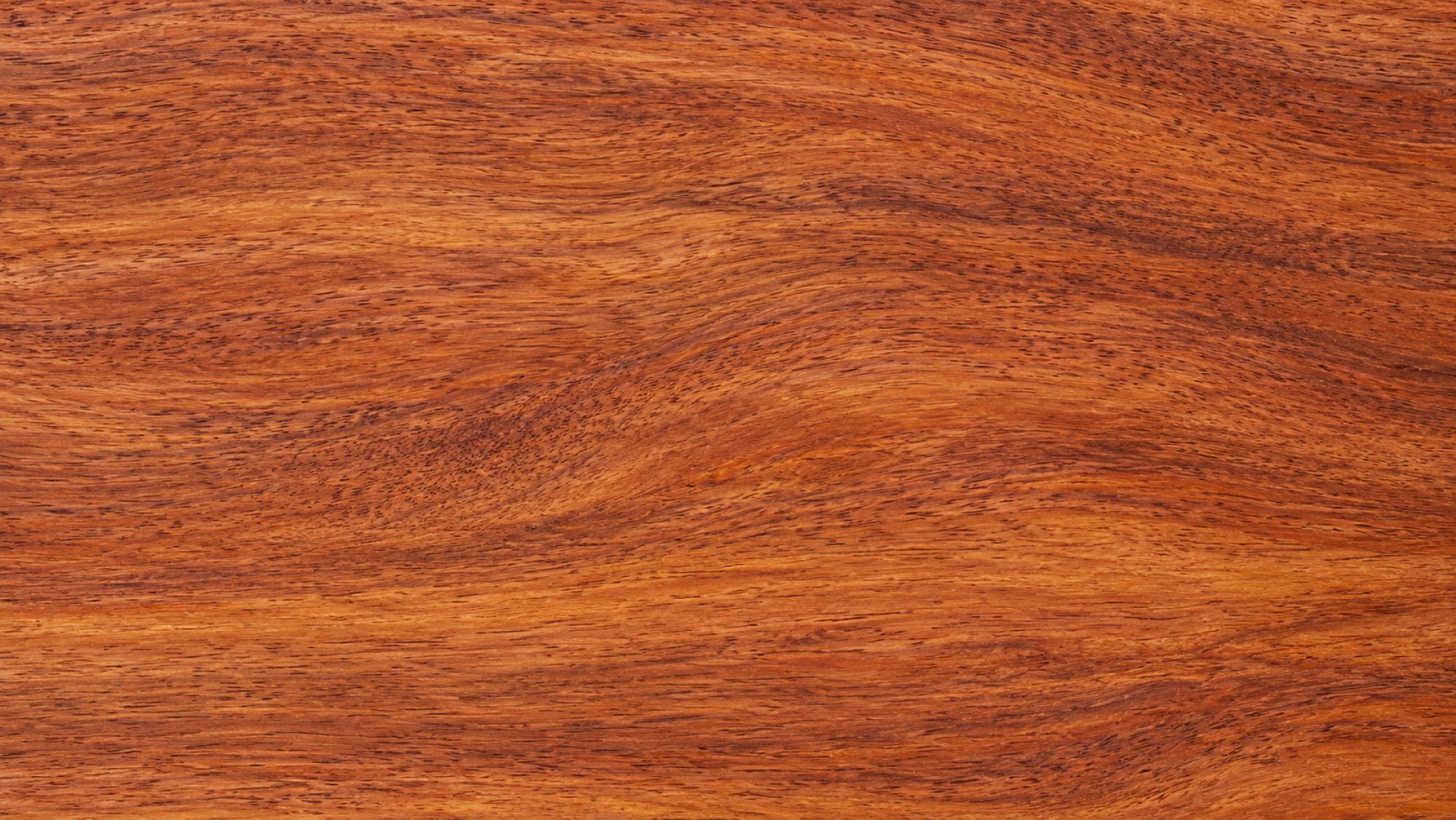
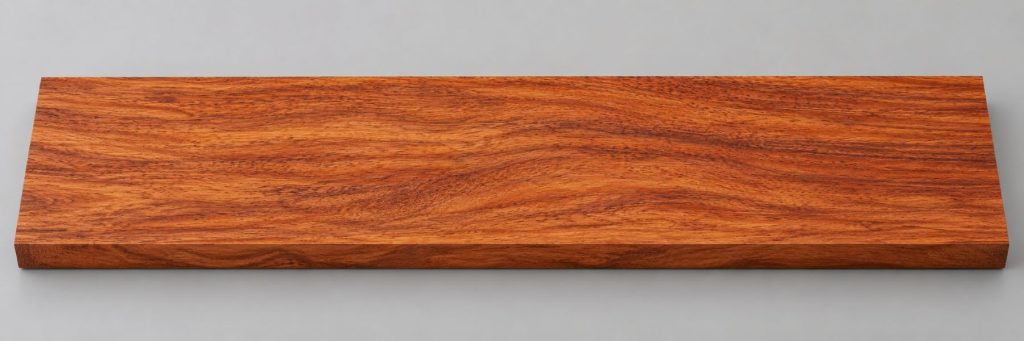
The heartwood generally ranges from golden brown and orange-brown to reddish brown, with coloration often becoming deeper and richer after exposure to air and light. Sapwood is considerably paler and normally contrasts clearly with the mature heartwood. Grain is generally straight to interlocked, while texture ranges from medium to moderately coarse.
Jatobá-da-Mata produces dense, strong timber with potential applications in furniture, flooring, cabinetry, construction, interior joinery, turning, and other demanding woodworking projects. Because several Hymenaea species can produce visually similar timber and may share regional trade names, species-level identification is particularly valuable.
Quick Facts
- Common Name: Jatobá-da-Mata
- Alternate Common Names: Jatobá, Jutaí
- Scientific Name: Hymenaea intermedia
- Region: South American Woods
- Tree Size: Medium to large tropical tree; mature dimensions vary according to habitat and growing conditions
- Average Dried Weight: Reliable standardized species-specific value is not widely documented
- Janka Hardness: Reliable standardized species-specific value is not widely documented
- Grain: Straight to interlocked
- Texture: Medium to moderately coarse
Identification Characteristics
Jatobá-da-Mata generally produces golden-brown, orange-brown, or reddish-brown heartwood. Freshly surfaced material can appear lighter and warmer, while aging and exposure may deepen the wood toward richer red-brown or darker brown coloration.
Sapwood is generally cream to pale yellowish brown and contrasts noticeably with mature heartwood.
Grain is typically straight but may become interlocked or irregular. Quarter-sawn material can potentially display subtle ribbon figure where reversing grain is present.
Key identification traits include:
- Golden to reddish-brown heartwood
- Color can deepen with age and exposure
- Pale cream to yellowish sapwood
- Strong heartwood and sapwood contrast
- Straight to interlocked grain
- Medium to moderately coarse texture
- Moderate natural luster

Working Properties
Jatobá-da-Mata can require moderate effort to machine because of its density and potentially interlocked grain.
Sharp cutting tools are recommended. Interlocked fibers can produce tear-out during planing and routing, while harder material can increase cutting resistance and tool wear.
Once properly surfaced, the wood can generally be sanded and polished to an attractive finish.
- Moderate to high cutting resistance
- Sharp tools are recommended
- Interlocked grain may produce tear-out
- Turns well with appropriate tooling
- Sands effectively
- Can take an attractive polish
- Pre-drilling is recommended for fasteners
Safety Note
Detailed species-specific information concerning reactions to Jatobá-da-Mata wood dust is limited. Dust produced during machining of dense tropical hardwoods may cause skin, eye, or respiratory irritation.
Effective dust collection, eye protection, and respiratory protection are recommended during sawing, routing, turning, carving, and sanding.
Common Uses
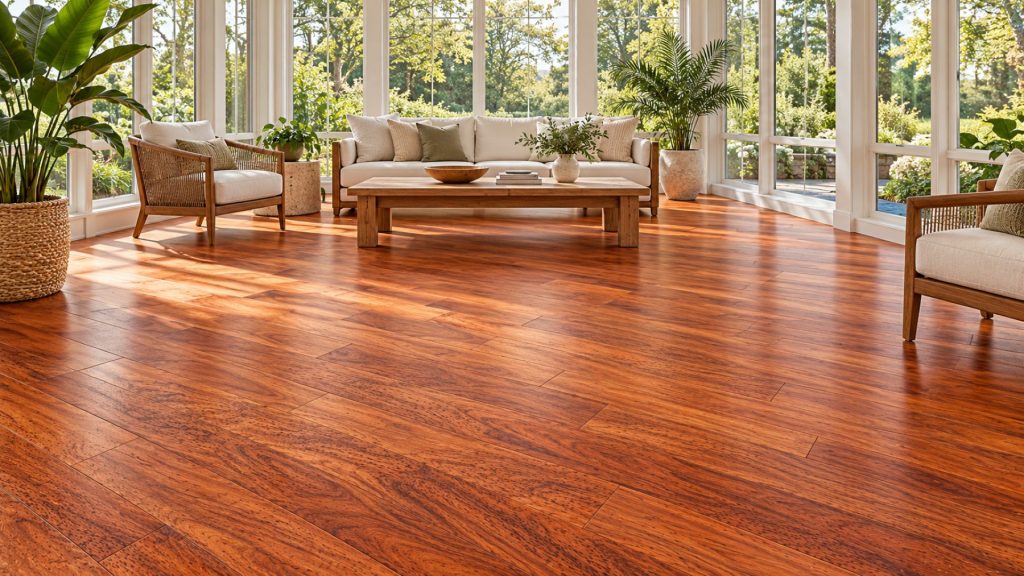
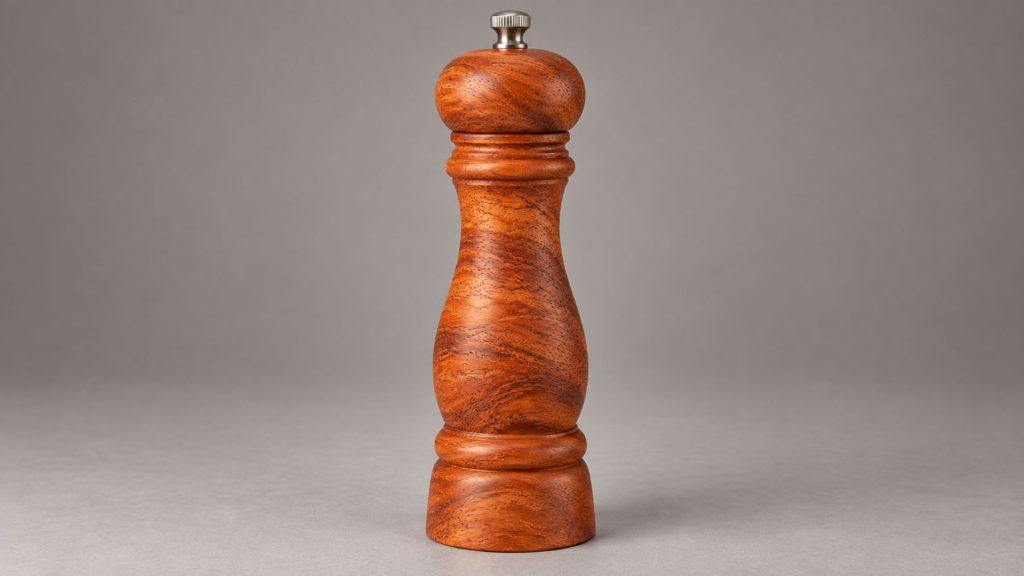
Where appropriately sourced material is available, the strength, density, appearance, and wear resistance of Jatobá-da-Mata make it suitable for:
- Furniture
- Flooring
- Cabinetry
- Interior joinery
- Construction
- Architectural millwork
- Wood turning
- Carving
- Decorative woodworking
- Specialty projects
Sustainability & Notes
Jatobá-da-Mata occurs within tropical South American forests, including portions of the Amazon region. These ecosystems provide exceptional biological diversity, wildlife habitat, carbon storage, and watershed protection.
The overlapping regional names applied to Hymenaea species can complicate timber identification. Lumber marketed simply as Jatoba or Jutaí should not automatically be assumed to represent Hymenaea intermedia.
Legal harvesting, responsible forest management, maintenance of natural regeneration, and traceable supply chains are important considerations when sourcing tropical timber.
For species-level documentation, geographic provenance and reliable botanical identification substantially increase the value of a specimen.
Comparative Notes & Related Species
Jatoba-Mirim – Hymenaea parvifolia, another lesser-known member of the genus useful for building a species-level reference of Jatoba-type woods.
Curbaril – Hymenaea oblongifolia, providing a useful comparison in coloration, grain, density, and botanical identification.
Jatoba – The commercially familiar Hymenaea courbaril, providing an important reference point for comparing lesser-known members of the genus with standard Jatoba.
Related Guides
Wood Families & Trade Groups
Learn how botanical species, genera, regional names, and commercial timber groups interact and why several different woods can be sold under similar names.
Color Changes in Tropical Hardwoods Over Time
Explore how oxygen, ultraviolet exposure, natural extractives, and aging can alter golden, orange, reddish, purple, and brown hardwoods.
Understanding Wood Strength: What Makes Wood Strong?
Learn how density, grain structure, cellular anatomy, moisture content, and other characteristics influence mechanical performance.
How to Store Exotic Wood Samples
Learn how light, humidity, temperature, handling, insects, and storage conditions can affect documented wood specimens over time.
Identifying Unknown Wood Samples
Explore how color, grain, texture, density, pores, rays, end grain, provenance, and other characteristics can help narrow the identity of unfamiliar wood.
Compare Wood Properties
See how this species ranks in density and hardness using our Wood Density & Janka Hardness Chart. You can also explore Hardest Woods, Softest Woods, and Most Dense Woods for quick comparisons.
Collector Notes
Jatobá-da-Mata is particularly useful for a documented collection because Hymenaea woods can be difficult to separate visually after they have been reduced to small specimens.
A positively identified Hymenaea intermedia sample with documented geographic origin therefore has considerably greater educational value than material labeled simply Jatoba.
Collector specimens should retain the scientific name, geographic origin, acquisition date, supplier or donor, and any supporting botanical identification information.
Share Your Photos of This Species
Do you have lumber, wood samples, tree photographs, woodworking projects, furniture, carvings, turnings, musical instruments, or other items made from this species?
Exotic Woods of the World welcomes photographs from woodworkers, collectors, sawyers, researchers, and wood enthusiasts around the world. Selected submissions may be featured on this page and throughout our website to help document and showcase real-world examples of this species.
When submitting photos, please include the common name, scientific name (if known), a brief description, and any information you would like us to share with the image.
Wood Sample Collection
This species is part of an ongoing effort to document and preserve wood samples from around the world.
Learn more about contributing to the collection:
Resources
Authoritative botanical and forestry references used in compiling information about this species include:
• USDA Forest Service – Wood Handbook: Wood as an Engineering Material
https://www.fpl.fs.usda.gov/products/publications/
• The Wood Database – Global reference for wood identification, physical properties, and woodworking characteristics
https://www.wood-database.com/
• Royal Botanic Gardens, Kew – Plants of the World Online – Botanical taxonomy and species distribution database
https://powo.science.kew.org/
• International Union for Conservation of Nature (IUCN Red List) – Global conservation status assessments
https://www.iucnredlist.org/
• Convention on International Trade in Endangered Species (CITES) – International trade regulations for protected plant species
https://cites.org/
Additional forestry publications, academic research papers, and regional timber studies may also be referenced where available.
Love This Species?
Enjoy learning about this wood species?
Help support the continued growth of Exotic Woods of the World by participating in our Adopt a Species program. Your support helps fund species research, educational content, photography, videos, and future conservation awareness initiatives.
Support Forest Conservation
This species is part of the growing Exotic Woods of the World reference archive, dedicated to documenting and preserving knowledge of the world’s wood species.
Through the Adopt a Species program, visitors can help support ongoing species research, educational content, photography, video production, and future conservation awareness initiatives.
Contributions help fund the continued expansion of this archive while promoting sustainable forestry education and the long-term appreciation of the world’s forests.
Interested in supporting this species? Visit our Adopt a Species and Conservation Partners pages to learn more.
Availability & Where to Buy
Exotic hardwood availability can vary significantly depending on region, sustainability regulations, and supplier inventory.
As this archive grows, recommended suppliers and specialty wood retailers will be listed here to help woodworkers locate responsibly sourced material.
Lumber Suppliers:
Availability varies — see the Where to Buy Exotic Woods page for current sources.
Related Tools & Products:
Availability varies — see the Where to Buy Exotic Woods page for current sources.
Share This Wood Species
Stay Connected
Follow the latest species additions, educational resources, videos, conservation initiatives, and major project milestones through our Site Updates archive.
The Site Updates archive provides a permanent record of new content, library growth, and future developments across Exotic Woods of the World.