
Macawood
Scientific name: Platymiscium parviflorum
Overview
Macawood is a tropical hardwood native to Mexico and Central America. Platymiscium parviflorum belongs to the Fabaceae family and is part of a genus containing several attractive tropical timbers known for rich coloration, strength, and decorative woodworking potential.
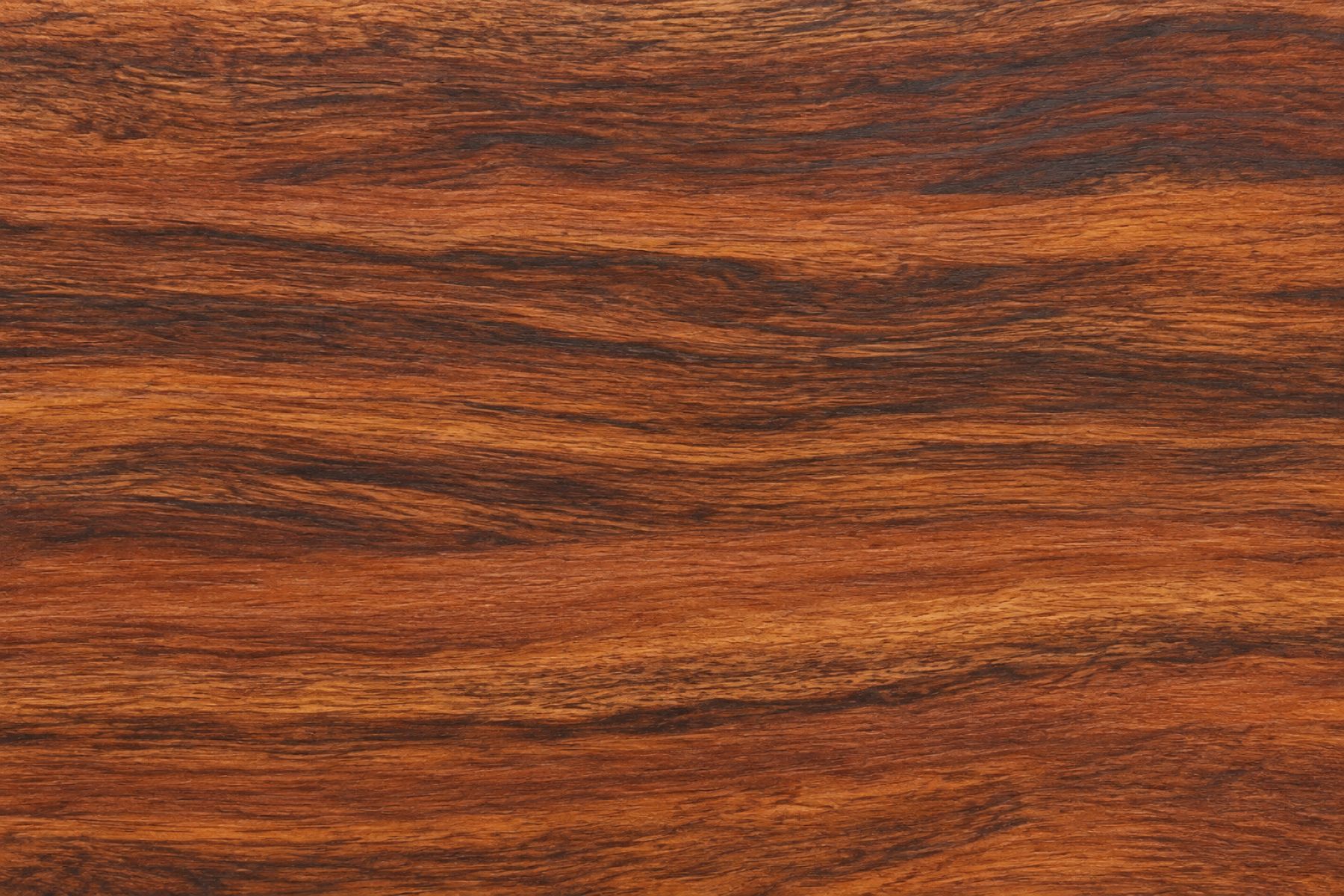
The heartwood generally ranges from golden brown and orange-brown to reddish brown or deeper chocolate brown, often developing darker streaks and greater color depth with age. Sapwood is considerably paler and normally contrasts clearly with mature heartwood. Grain is generally straight to interlocked, while texture ranges from fine to medium.
Macawood is valued for furniture, cabinetry, decorative veneer, interior joinery, flooring, turning, carving, and specialty woodworking. Its combination of rich coloration, attractive grain, strength, and ability to take a smooth finish makes it particularly desirable for higher-end decorative applications.
Quick Facts
- Common Name: Macawood
- Alternate Common Name: Macacauba
- Scientific Name: Platymiscium parviflorum
- Region: Central American Woods
- Tree Size: Medium to large tropical hardwood; mature dimensions vary according to habitat and growing conditions
- Average Dried Weight: Approximately 50–60 lbs/ft³ (800–960 kg/m³), with natural variation
- Janka Hardness: Reliable standardized species-specific values are not consistently documented
- Grain: Straight to interlocked
- Texture: Fine to medium
Identification Characteristics
Macawood generally produces golden-brown, orange-brown, or reddish-brown heartwood. Mature material can develop darker chocolate-brown, reddish, or purplish-brown streaking that gives selected boards considerable decorative character.
Sapwood is generally cream to pale yellowish brown and contrasts noticeably with the darker heartwood.
Grain may be straight but frequently becomes interlocked or irregular. Quarter-sawn surfaces can potentially display ribbon-like figure as light reflects differently from reversing grain.
Key identification traits include:
- Golden to reddish-brown heartwood
- Potential chocolate-brown or darker streaking
- Pale cream to yellowish sapwood
- Strong heartwood and sapwood contrast
- Straight to interlocked grain
- Fine to medium texture
- Potential ribbon figure
- Attractive natural luster


Working Properties
Macawood can require moderate effort to machine because of its density and potentially interlocked grain.
Sharp tools are recommended, particularly during planing and routing. Reversing fibers can produce tear-out, while harder material may increase cutting resistance.
Carefully surfaced Macawood generally sands well and can develop an attractive polished finish that emphasizes its rich coloration and grain.
- Moderate cutting resistance
- Sharp tools are recommended
- Interlocked grain may cause tear-out
- Turns well
- Suitable for carving
- Sands and polishes well
- Pre-drilling is advisable for fasteners
Safety Note
Detailed species-specific information regarding reactions to Macawood dust is limited. Dust generated when machining tropical hardwoods may cause skin, eye, or respiratory irritation.
Effective dust collection, eye protection, and respiratory protection are recommended during sawing, routing, turning, carving, and sanding.
Common Uses

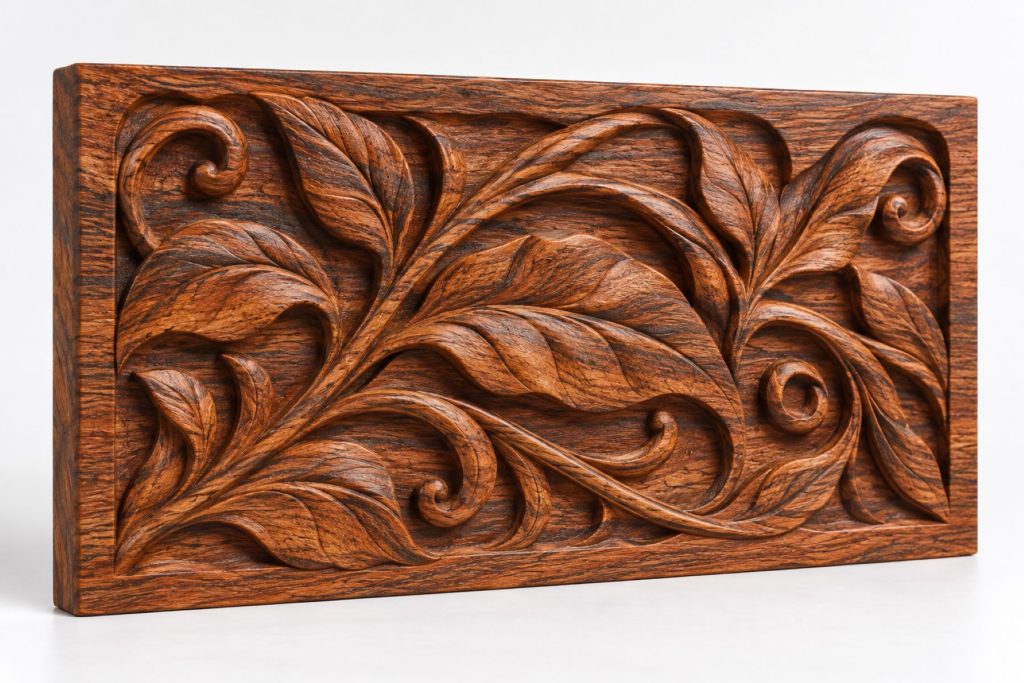
Its rich coloration, attractive grain, strength, and finishing characteristics make Macawood suitable for applications including:
- Fine furniture
- Cabinetry
- Decorative veneer
- Flooring
- Interior joinery
- Architectural millwork
- Wood turning
- Carving
- Decorative boxes
- Specialty woodworking
Sustainability & Notes
Macawood occurs naturally within tropical forests of Mexico and Central America. These forests support exceptional biological diversity and provide wildlife habitat, watershed protection, soil stabilization, and carbon storage.
The genus Platymiscium contains multiple timber-producing species, and regional trade names can sometimes overlap. Scientific identification is therefore particularly valuable when documenting Macawood lumber or collector specimens.
Responsible forest management, legal harvesting, maintenance of natural regeneration, and traceable sourcing should be prioritized when purchasing tropical timber.
Comparative Notes & Related Species
Cristobal – Another Platymiscium hardwood valued for attractive reddish-brown coloration, furniture, cabinetry, turning, and decorative woodworking.
Hormigo – A Central American Platymiscium species providing a strong botanical comparison within this group of decorative tropical hardwoods.
Cortez Blackwood – Another Central American Platymiscium timber useful for comparing coloration, density, grain, and specialty woodworking characteristics.
Related Guides
Understanding Chatoyance in Wood
Learn how changing grain direction and reflected light can create visual depth and shifting figure across decorative hardwood surfaces.
Preventing Tear-Out in Interlocked Grain
Explore techniques for obtaining cleaner surfaces when planing, routing, and machining woods with reversing fibers.
Best Woods for Wood Turning
Compare woods used for bowls, vessels, handles, decorative objects, and other turning projects based on density, grain, figure, stability, and cutting characteristics.
Color Changes in Tropical Hardwoods Over Time
Learn how oxygen, ultraviolet light, natural extractives, and aging can change the appearance of golden, red, brown, purple, and other naturally colored hardwoods.
Building a Documented Wood Collection
Learn why scientific identification, geographic origin, acquisition records, photographs, and provenance increase the educational value of wood specimens.
Compare Wood Properties
See how this species ranks in density and hardness using our Wood Density & Janka Hardness Chart. You can also explore Hardest Woods, Softest Woods, and Most Dense Woods for quick comparisons.
Collector Notes
Macawood is particularly attractive to collectors because individual specimens can display substantial variation in color, streaking, and figure.
Quarter-sawn material showing interlocked grain or specimens retaining both pale sapwood and richly colored heartwood can be especially useful for documenting the species’ visual characteristics.
Collector specimens should retain the scientific name Platymiscium parviflorum, geographic origin, acquisition date, supplier or donor, and any supporting identification information.
Share Your Photos of This Species
Do you have lumber, wood samples, tree photographs, woodworking projects, furniture, carvings, turnings, musical instruments, or other items made from this species?
Exotic Woods of the World welcomes photographs from woodworkers, collectors, sawyers, researchers, and wood enthusiasts around the world. Selected submissions may be featured on this page and throughout our website to help document and showcase real-world examples of this species.
When submitting photos, please include the common name, scientific name (if known), a brief description, and any information you would like us to share with the image.
Wood Sample Collection
This species is part of an ongoing effort to document and preserve wood samples from around the world.
Learn more about contributing to the collection:
Resources
Authoritative botanical and forestry references used in compiling information about this species include:
• USDA Forest Service – Wood Handbook: Wood as an Engineering Material
https://www.fpl.fs.usda.gov/products/publications/
• The Wood Database – Global reference for wood identification, physical properties, and woodworking characteristics
https://www.wood-database.com/
• Royal Botanic Gardens, Kew – Plants of the World Online – Botanical taxonomy and species distribution database
https://powo.science.kew.org/
• International Union for Conservation of Nature (IUCN Red List) – Global conservation status assessments
https://www.iucnredlist.org/
• Convention on International Trade in Endangered Species (CITES) – International trade regulations for protected plant species
https://cites.org/
Additional forestry publications, academic research papers, and regional timber studies may also be referenced where available.
Love This Species?
Enjoy learning about this wood species?
Help support the continued growth of Exotic Woods of the World by participating in our Adopt a Species program. Your support helps fund species research, educational content, photography, videos, and future conservation awareness initiatives.
Support Forest Conservation
This species is part of the growing Exotic Woods of the World reference archive, dedicated to documenting and preserving knowledge of the world’s wood species.
Through the Adopt a Species program, visitors can help support ongoing species research, educational content, photography, video production, and future conservation awareness initiatives.
Contributions help fund the continued expansion of this archive while promoting sustainable forestry education and the long-term appreciation of the world’s forests.
Interested in supporting this species? Visit our Adopt a Species and Conservation Partners pages to learn more.
Availability & Where to Buy
Exotic hardwood availability can vary significantly depending on region, sustainability regulations, and supplier inventory.
As this archive grows, recommended suppliers and specialty wood retailers will be listed here to help woodworkers locate responsibly sourced material.
Lumber Suppliers:
Availability varies — see the Where to Buy Exotic Woods page for current sources.
Related Tools & Products:
Availability varies — see the Where to Buy Exotic Woods page for current sources.
Share This Wood Species
Stay Connected
Follow the latest species additions, educational resources, videos, conservation initiatives, and major project milestones through our Site Updates archive.
The Site Updates archive provides a permanent record of new content, library growth, and future developments across Exotic Woods of the World.