
Manchurian Ash
Scientific name: Fraxinus mandshurica
Overview
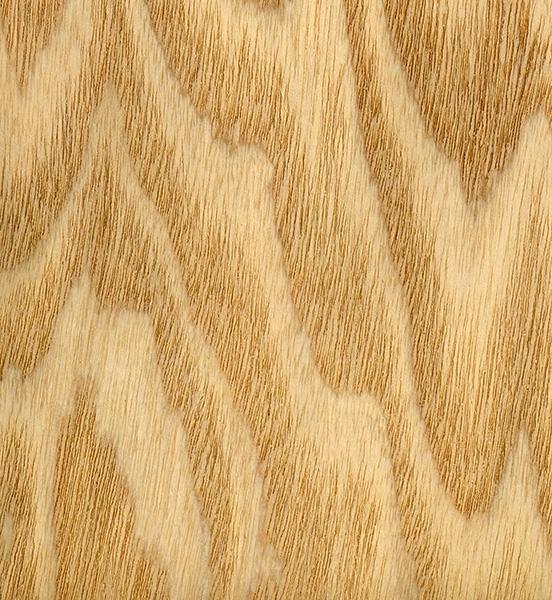
Manchurian Ash is an important timber tree of northeastern Asia, including China, Korea, Japan, and the Russian Far East. It is also known in the wood trade as Tamo Ash. The wood combines an open ash texture with useful elasticity, and it is used for furniture, cabinets, and other interior work. Some trees produce striking figure, but the Tamo name should not be taken to mean every board has decorative waves. Clear, straight-grained material and highly figured veneer offer different appearances and working challenges.
Quick Facts
- Common Name: Manchurian Ash
- Scientific Name: Fraxinus mandshurica
- Family: Oleaceae
- Region: Asian Woods
- Other Names: Tamo Ash; Japanese Ash; Shui Qu Liu
- Native Range: Northeastern Asia, from the Russian Far East through China and Korea to northern and central Japan
- Tree Size: Up to about 30 m (98 ft)
- Average Dried Weight: Varies with origin and stock; a representative species-wide air-dry average is not established here
- Janka Hardness: A verified measured value is not supplied here
- Color: Light to medium brown heartwood with paler sapwood
- Grain: Usually straight; strongly figured material also occurs
- Texture: Coarse and uneven
Identification Characteristics
The pale sapwood, brown heartwood, and open texture are useful starting points when examining Manchurian Ash. Grain can be regular in clear stock or highly decorative in figured pieces. As with other ashes, end-grain examination is more useful than color alone. A label with the botanical name and harvest origin helps distinguish this timber from unrelated woods marketed with Ash in their common names.
Key identification traits include:
- Pale sapwood contrasting with light to medium brown heartwood
- Coarse texture and clearly expressed growth-ring pattern
- Straight grain in ordinary clear boards
- Figured grain in selected decorative material
- Reliable botanical identification and northeastern Asian provenance


Working Properties
Institutional material references describe Tamo wood as elastic and generally workable with hand and machine tools. It can take a polished finish and is used in both solid woodworking and veneer. Figured boards deserve a separate trial because the grain changes direction across the surface. For bent components, select clear stock and test the specific bending process before committing to a full assembly.
- Machining: Generally suitable for hand and machine tools
- Planing: Use shallow cuts and sharp edges where figure changes direction
- Bending: Trial clear straight-grained stock; defects can interrupt the fibers
- Gluing: Prepare clean mating surfaces and verify bond quality
- Finishing: Test stain and finish on an offcut; open grain may need filling for a smooth surface
Safety Note
Capture dust at the tool and use appropriate eye and respiratory protection during machining and sanding. Keep fine dust out of the breathing zone and clean the work area regularly. Wood dust can cause irritation even when the finished wood is suitable for ordinary indoor use.
Common Uses
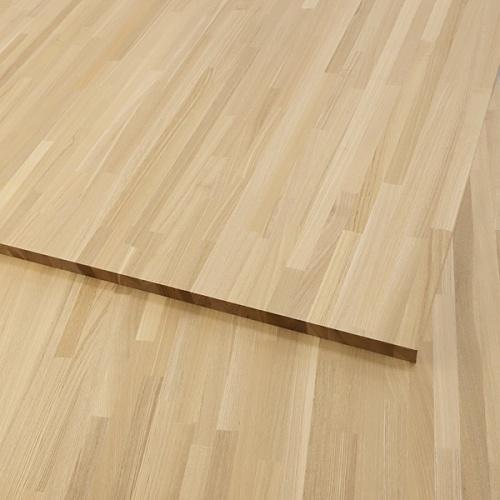
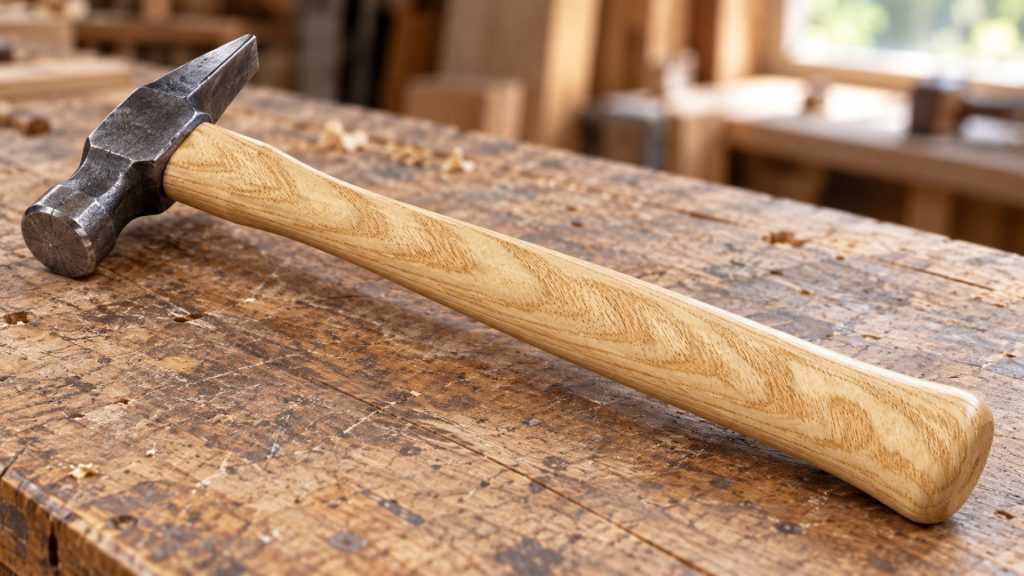
Manchurian Ash and associated Tamo timber are used in a range of interior and specialty woodworking applications.
- Furniture and cabinetry
- Decorative veneer
- Plywood
- Tool components and handles
- Sporting goods and selected bentwood components
Sustainability & Notes
Kew reports Manchurian Ash as Least Concern under the cited IUCN assessment. It is an important timber species, and research in northeastern China includes plantation development and selection of improved planting material. Responsible sourcing still depends on the actual harvest and supply chain. Keep the growing region and supplier documentation with the purchase record, especially for premium figured veneer.
Comparative Notes & Related Species
Related Guides
- Ash Species Guide
- Understanding Interlocked vs Straight Grain
- Finishing Oils vs Polyurethane on Exotic Species
- Wood Movement and Seasonal Expansion Explained
- Labeling and Cataloging Wood Samples
Compare Wood Properties
See how this species ranks in density and hardness using our Wood Density & Janka Hardness Chart. You can also explore Hardest Woods, Softest Woods, and Most Dense Woods for quick comparisons.
Collector Notes
Include both the botanical name and the trade name Tamo Ash on the specimen record when applicable. Retain ordinary straight-grained material as well as figured samples so the collection does not imply that dramatic figure is universal. A prepared end-grain face, unfinished surface, and record of drying and finishing conditions make comparisons more useful. Note whether a specimen is veneer or solid wood.
Share Your Photos of This Species
Do you have lumber, wood samples, tree photographs, woodworking projects, furniture, carvings, turnings, musical instruments, or other items made from this species?
Exotic Woods of the World welcomes photographs from woodworkers, collectors, sawyers, researchers, and wood enthusiasts around the world. Selected submissions may be featured on this page and throughout our website to help document and showcase real-world examples of this species.
When submitting photos, please include the common name, scientific name (if known), a brief description, and any information you would like us to share with the image.
Wood Sample Collection
This species is part of an ongoing effort to document and preserve wood samples from around the world.
Learn more about contributing to the collection:
Resources
Authoritative botanical and forestry references used in compiling information about this species include:
• USDA Forest Service – Wood Handbook: Wood as an Engineering Material
https://www.fpl.fs.usda.gov/products/publications/
• The Wood Database – Global reference for wood identification, physical properties, and woodworking characteristics
https://www.wood-database.com/
• Royal Botanic Gardens, Kew – Plants of the World Online – Botanical taxonomy and species distribution database
https://powo.science.kew.org/
• International Union for Conservation of Nature (IUCN Red List) – Global conservation status assessments
https://www.iucnredlist.org/
• Convention on International Trade in Endangered Species (CITES) – International trade regulations for protected plant species
https://cites.org/
Additional forestry publications, academic research papers, and regional timber studies may also be referenced where available.
Love This Species?
Enjoy learning about this wood species?
Help support the continued growth of Exotic Woods of the World by participating in our Adopt a Species program. Your support helps fund species research, educational content, photography, videos, and future conservation awareness initiatives.
Support Forest Conservation
This species is part of the growing Exotic Woods of the World reference archive, dedicated to documenting and preserving knowledge of the world’s wood species.
Through the Adopt a Species program, visitors can help support ongoing species research, educational content, photography, video production, and future conservation awareness initiatives.
Contributions help fund the continued expansion of this archive while promoting sustainable forestry education and the long-term appreciation of the world’s forests.
Interested in supporting this species? Visit our Adopt a Species and Conservation Partners pages to learn more.
Availability & Where to Buy
Exotic hardwood availability can vary significantly depending on region, sustainability regulations, and supplier inventory.
As this archive grows, recommended suppliers and specialty wood retailers will be listed here to help woodworkers locate responsibly sourced material.
Lumber Suppliers:
Availability varies — see the Where to Buy Exotic Woods page for current sources.
Related Tools & Products:
Availability varies — see the Where to Buy Exotic Woods page for current sources.
Share This Wood Species
Stay Connected
Follow the latest species additions, educational resources, videos, conservation initiatives, and major project milestones through our Site Updates archive.
The Site Updates archive provides a permanent record of new content, library growth, and future developments across Exotic Woods of the World.