

Mersawa Paya
Scientific name: Anisoptera marginata
Overview
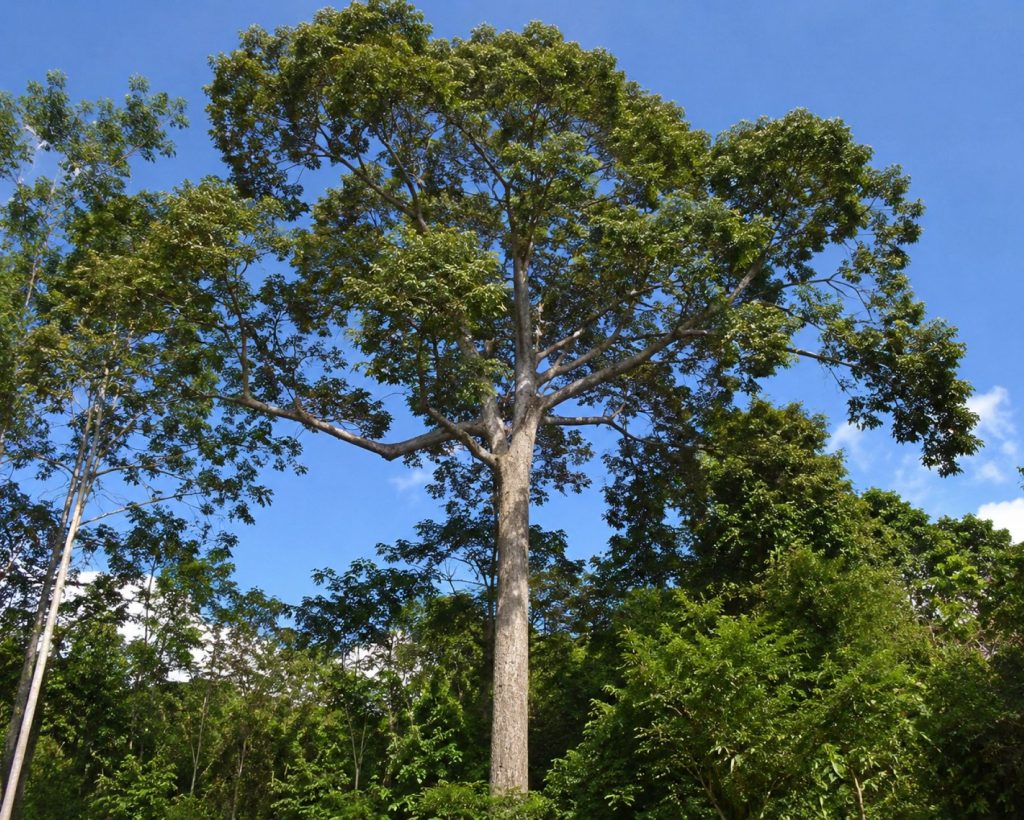
Mersawa Paya (Anisoptera marginata) is a tropical hardwood native to the lowland rainforests of Southeast Asia. It belongs to the Dipterocarpaceae family, one of the world’s most important hardwood families and the source of many of Asia’s commercially valuable timber species. The species occurs naturally throughout Peninsular Malaysia, Borneo, Sumatra, and parts of southern Thailand, where it commonly grows in moist lowland forests and swampy areas, giving rise to the local name “Paya,” meaning swamp.
The wood is marketed under the broader trade name Mersawa, which includes several species within the Anisoptera genus. Although less famous than Teak or Rosewood, Mersawa has earned a strong reputation as a dependable commercial hardwood because of its moderate density, good workability, and versatility. It has been used for decades in construction, furniture manufacturing, plywood production, and architectural millwork throughout Southeast Asia.
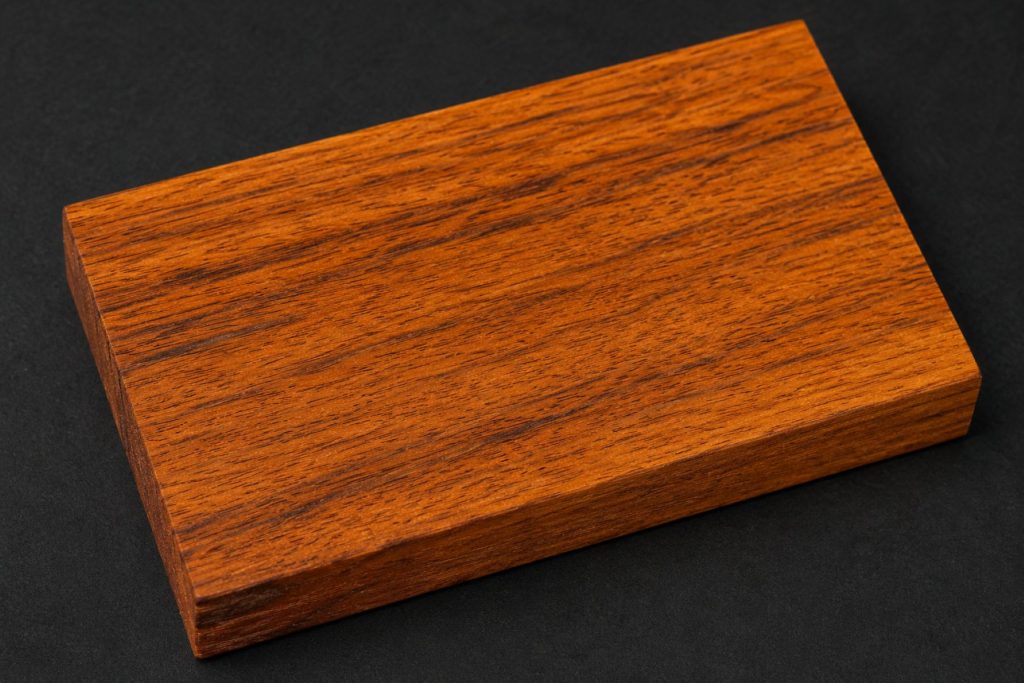
Freshly cut heartwood ranges from pale yellowish-brown to light brown and gradually darkens with age and exposure. The grain is usually straight, though occasional interlocking can occur, while the texture is medium and fairly uniform. These characteristics allow the wood to machine cleanly and accept a variety of finishes.
Within the Asian hardwood collection, Mersawa Paya represents one of the important structural and commercial timber species that has contributed significantly to the forestry and woodworking industries of Southeast Asia.
Quick Facts
- Common Name: Mersawa Paya
- Scientific Name: Anisoptera marginata
- Region: Asian Hardwoods
- Native Range: Peninsular Malaysia, Borneo, Sumatra, Southern Thailand
- Tree Size: 130–180 ft (40–55 m) tall, 3–5 ft (0.9–1.5 m) trunk diameter
- Average Dried Weight: Approximately 37–43 lbs/ft³ (595–690 kg/m³)
- Janka Hardness: Approximately 1,100–1,350 lbf
- Color: Pale yellowish-brown to light brown, darkening with age
- Grain: Usually straight, occasionally slightly interlocked
- Texture: Medium to moderately coarse
Identification Characteristics
Mersawa Paya is recognized by its relatively uniform light brown appearance and clean, straight grain. The heartwood ranges from pale yellow-brown to light brown, while the sapwood is lighter in color and usually well defined from the heartwood.
The wood possesses a medium texture with a moderate natural luster. Growth rings are generally indistinct, while medium-sized pores and fine rays produce a clean, even surface. Although most lumber displays straight grain, occasional interlocked grain can create subtle ribbon-like figure on quartersawn boards.
Key identification traits include:
- Light yellowish-brown heartwood
- Pale cream to light yellow sapwood
- Straight to slightly interlocked grain
- Medium texture
- Moderate natural luster
- Uniform appearance
- Large tropical hardwood logs
- Good dimensional stability after drying
Working Properties
Mersawa Paya is generally considered an easy hardwood to machine and is widely appreciated by manufacturers for its predictable working characteristics.
The wood cuts, planes, drills, and shapes well using conventional woodworking equipment. It sands smoothly, glues readily, and accepts stains and finishes without difficulty. While slightly softer than many premium tropical hardwoods, it provides an excellent balance between strength and ease of machining.
- Machines easily
- Planes cleanly
- Turns well
- Sands to a smooth finish
- Accepts glue readily
- Finishes well
- Holds nails and screws securely
- Good dimensional stability
- Suitable for veneer production
Safety Note
Wood dust from Mersawa species may cause mild skin, eye, or respiratory irritation in sensitive individuals. Standard dust collection systems and appropriate respiratory protection are recommended during machining and sanding.
Common Uses
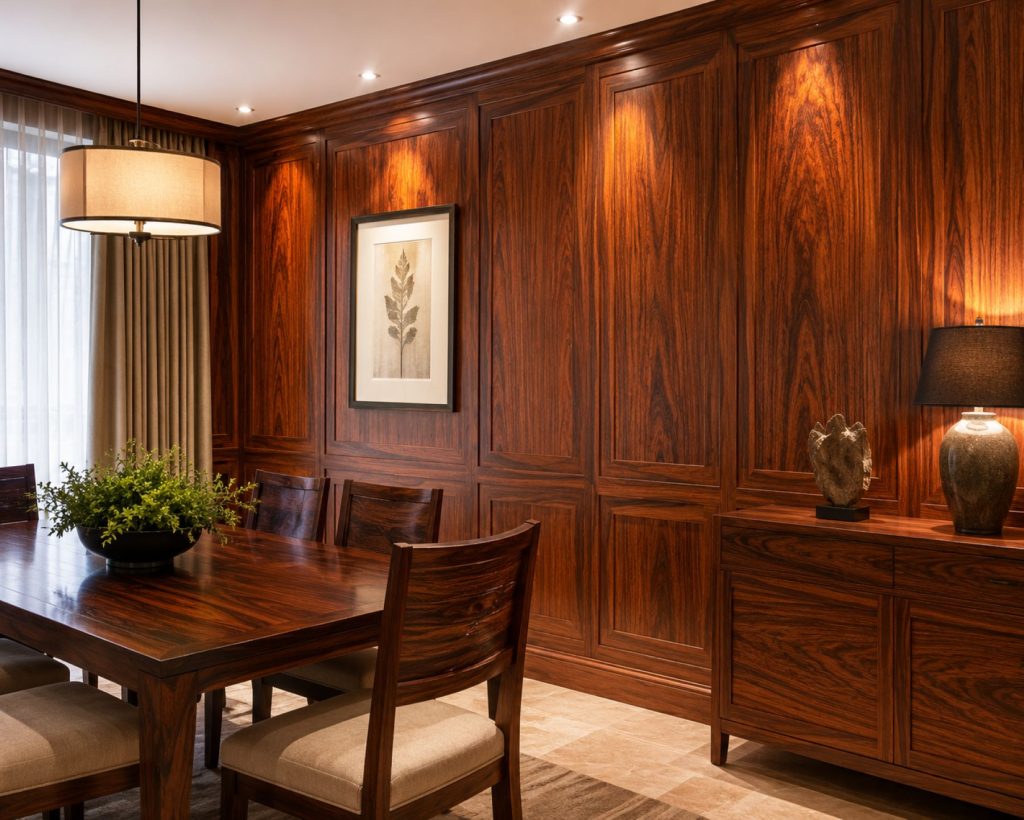
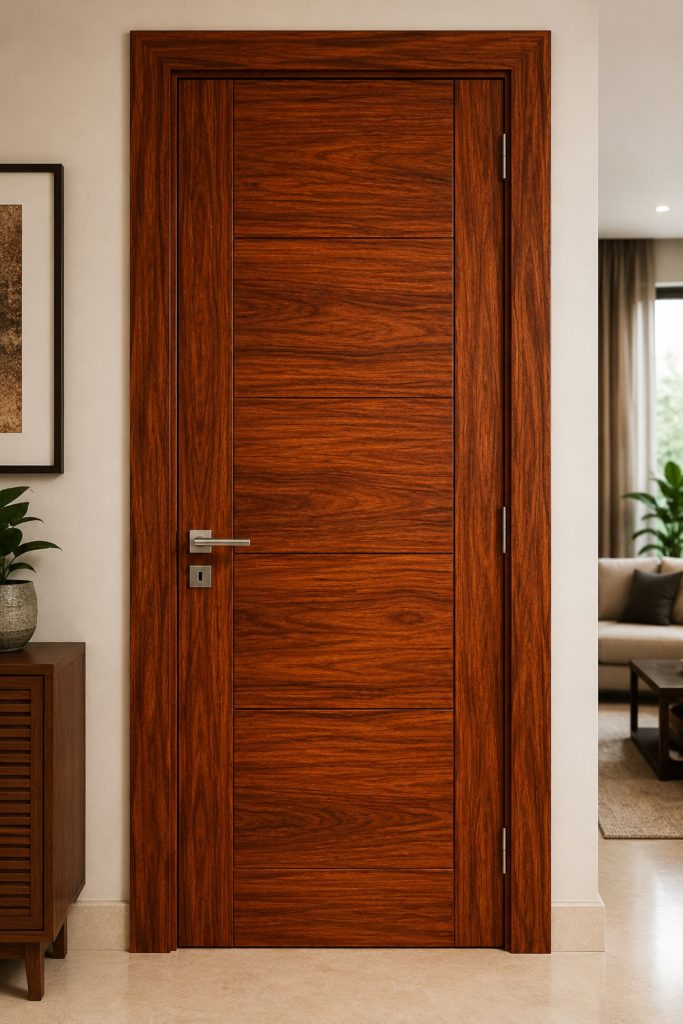
Mersawa common uses include:
- General furniture
- Cabinetry
- Interior millwork
- Architectural trim
- Doors
- Window frames
- Plywood
- Decorative veneer
- Paneling
- Interior flooring
- General construction
- Utility woodworking
Sustainability & Notes
Anisoptera marginata is one of many commercially important Dipterocarp species native to Southeast Asia’s tropical rainforests. These forests support exceptional biodiversity while providing valuable hardwood resources that have supplied regional timber industries for generations.
Because Dipterocarp forests have experienced pressure from logging, agricultural expansion, and land-use changes, sustainable forest management has become increasingly important. Many producers now participate in certification programs and responsible harvesting practices designed to ensure long-term forest health.
Responsibly sourced Mersawa remains available through specialty hardwood suppliers and certified timber distributors, making responsible purchasing an important consideration for woodworkers and manufacturers.
Comparative Notes & Related Species
Mersawa – Several Anisoptera species are marketed collectively as Mersawa and share similar appearance and woodworking properties.
Keruing – Generally heavier, harder, and more resinous than Mersawa, making it better suited for heavy-duty construction.
White Meranti – Typically lighter in weight and commonly used for interior joinery and furniture.
Related Guides
Drying & Acclimating Exotic Woods – Learn best practices for drying, acclimating, and stabilizing tropical hardwoods before use.
Dipterocarp Species Overview – Explore the diverse Dipterocarp family, including Mersawa, Meranti, Keruing, Balau, and other important Southeast Asian hardwoods.
Shorea Species Overview – Compare Mersawa with the closely associated Shorea species that dominate Southe
Compare Wood Properties
See how this species ranks in density and hardness using our Wood Density & Janka Hardness Chart. You can also explore Hardest Woods, Softest Woods, and Most Dense Woods for quick comparisons.
Collector Notes
Although Mersawa Paya lacks the dramatic colors found in species such as Padauk or Purpleheart, it remains an excellent addition to collections focused on the world’s commercial hardwoods. Its importance lies in its role as one of Southeast Asia’s longstanding construction and manufacturing timbers rather than as a decorative specialty wood.
Collectors often appreciate well-prepared samples for their clean grain, uniform texture, and educational value when comparing the many members of the Dipterocarp family. Including Mersawa alongside Keruing, Meranti, Balau, and Apitong provides a better understanding of one of the world’s most economically significant tropical hardwood groups.
Share Your Photos of This Species
Do you have lumber, wood samples, tree photographs, woodworking projects, furniture, carvings, turnings, musical instruments, or other items made from this species?
Exotic Woods of the World welcomes photographs from woodworkers, collectors, sawyers, researchers, and wood enthusiasts around the world. Selected submissions may be featured on this page and throughout our website to help document and showcase real-world examples of this species.
When submitting photos, please include the common name, scientific name (if known), a brief description, and any information you would like us to share with the image.
Wood Sample Collection
This species is part of an ongoing effort to document and preserve wood samples from around the world.
Learn more about contributing to the collection:
Resources
Authoritative botanical and forestry references used in compiling information about this species include:
• USDA Forest Service – Wood Handbook: Wood as an Engineering Material
https://www.fpl.fs.usda.gov/products/publications/
• The Wood Database – Global reference for wood identification, physical properties, and woodworking characteristics
https://www.wood-database.com/
• Royal Botanic Gardens, Kew – Plants of the World Online – Botanical taxonomy and species distribution database
https://powo.science.kew.org/
• International Union for Conservation of Nature (IUCN Red List) – Global conservation status assessments
https://www.iucnredlist.org/
• Convention on International Trade in Endangered Species (CITES) – International trade regulations for protected plant species
https://cites.org/
Additional forestry publications, academic research papers, and regional timber studies may also be referenced where available.
Love This Species?
Enjoy learning about this wood species?
Help support the continued growth of Exotic Woods of the World by participating in our Adopt a Species program. Your support helps fund species research, educational content, photography, videos, and future conservation awareness initiatives.
Support Forest Conservation
This species is part of the growing Exotic Woods of the World reference archive, dedicated to documenting and preserving knowledge of the world’s wood species.
Through the Adopt a Species program, visitors can help support ongoing species research, educational content, photography, video production, and future conservation awareness initiatives.
Contributions help fund the continued expansion of this archive while promoting sustainable forestry education and the long-term appreciation of the world’s forests.
Interested in supporting this species? Visit our Adopt a Species and Conservation Partners pages to learn more.
Availability & Where to Buy
Exotic hardwood availability can vary significantly depending on region, sustainability regulations, and supplier inventory.
As this archive grows, recommended suppliers and specialty wood retailers will be listed here to help woodworkers locate responsibly sourced material.
Lumber Suppliers:
Availability varies — see the Where to Buy Exotic Woods page for current sources.
Related Tools & Products:
Availability varies — see the Where to Buy Exotic Woods page for current sources.
Share This Wood Species
Stay Connected
Follow the latest species additions, educational resources, videos, conservation initiatives, and major project milestones through our Site Updates archive.
The Site Updates archive provides a permanent record of new content, library growth, and future developments across Exotic Woods of the World.