
Noble Fir
Scientific name: Abies procera
Overview
Noble Fir is a large Pacific Northwest true fir associated with cool, moist mountain forests. Its tall, clean trunk can produce valuable lumber, while cultivated trees and foliage also support Christmas-tree and greenery markets. Those ornamental uses are separate from the properties of its timber.
The wood is relatively light and soft, with a useful combination of low weight and stiffness. Commercial lumber commonly enters Hem-Fir supplies, so obtaining a positively identified specimen may require a specialist sawyer or a tree-derived sample. A commercial grouping describes a product category and does not establish the botanical identity of every board.
Quick Facts
- Common Name: Noble Fir
- Alternate Common Names: Red fir; white fir (regional names shared with other species)
- Scientific Name: Abies procera
- Region: North American Woods — mountains of Washington and Oregon, chiefly the Cascade Range
- Family: Pinaceae
- Tree Size: Commonly 100–180 ft (30–55 m) tall, with a trunk 3–5 ft (1–1.5 m) in diameter; exceptional trees are larger
- Average Dried Weight: Approximately 26 lb/ft³ (415 kg/m³)
- Janka Hardness: Approximately 410 lbf (1,820 N)
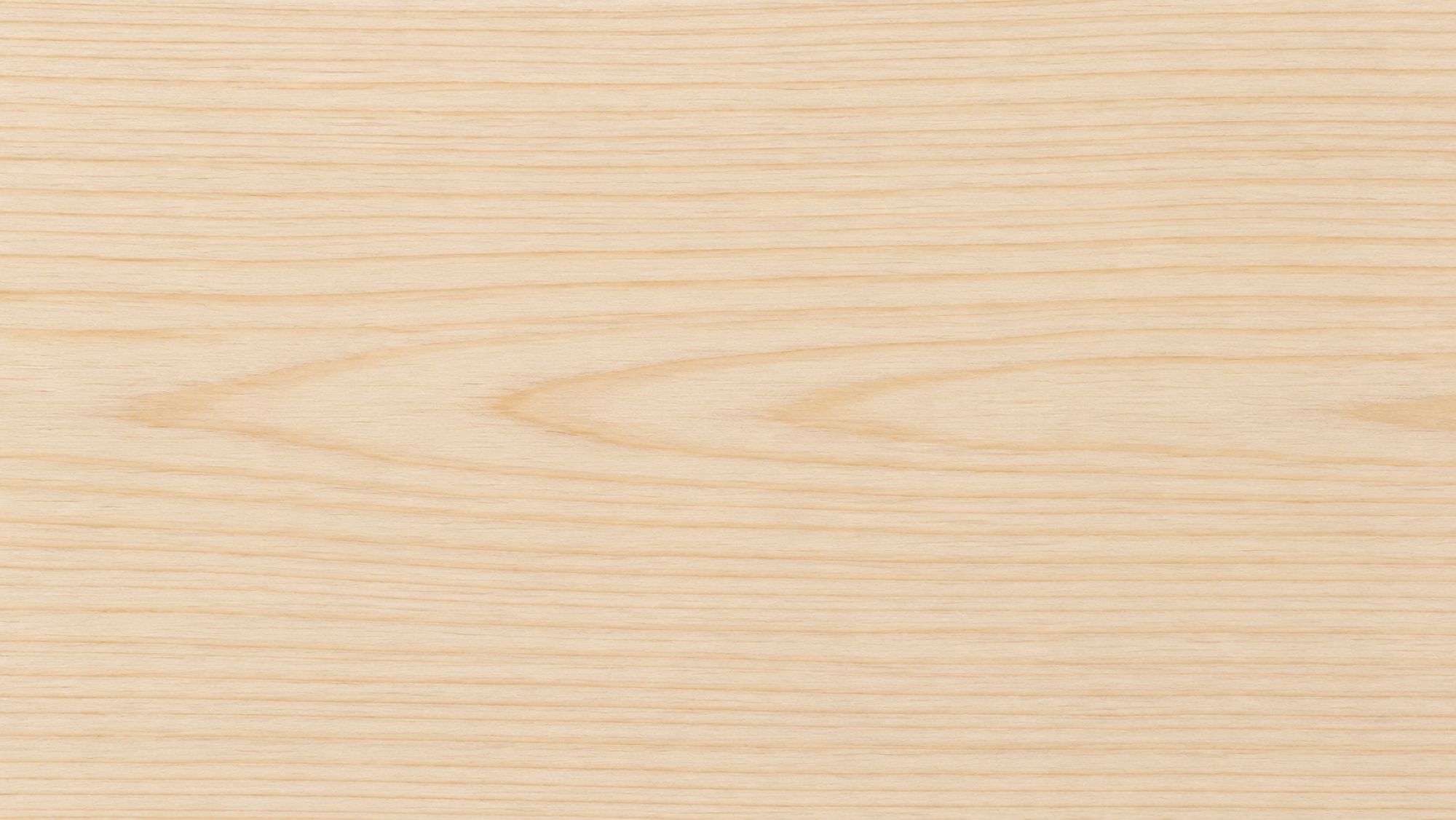
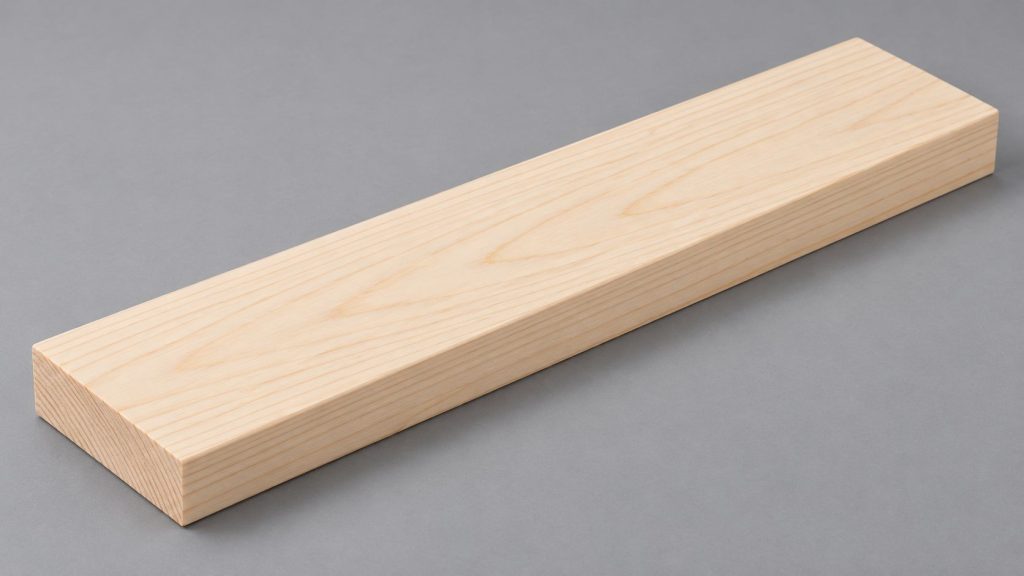
- Color: Creamy white to pale reddish brown; sapwood usually indistinct
- Grain: Generally straight
- Texture: Even, medium to moderately coarse
Identification Characteristics
Noble Fir generally shows pale wood, limited sapwood contrast, and a gradual change from earlywood to latewood. Normal resin canals are absent. A smooth end-grain surface and magnification help distinguish these features from the canals found in pine and spruce.
These observations do not reliably distinguish Noble Fir from all other true firs. Hemlock is another close visual lookalike. Retain the harvest locality and tree photographs, and use needle and cone characteristics where available rather than assigning a species solely from the color of a sawn board.
Key identification traits include:
- Pale wood with modest growth-ring contrast
- Generally straight grain and little obvious heartwood boundary
- Normal resin canals absent
- Relatively low density and soft surfaces
- Exact species identification depends on supporting provenance

Working Properties
Select sound boards and inspect thick material for checks, distortion, and uneven drying. Bring stock close to the moisture condition of its intended environment before final sizing. A second moisture check after rough machining is useful when previously hidden surfaces are exposed.
Sharp tools help avoid crushed or fuzzy fibers. Protect visible faces with cauls during assembly and support exit edges when drilling or routing. A finishing sample should include both earlywood and latewood so stain absorption and surface texture can be judged together.
- Make light final cuts with sharp tools
- Use backing blocks for clean crosscuts and holes
- Predrill close to board ends and avoid overdriving screws
- Test stain and clear finish on an offcut
- Allow wide assemblies to move across the grain
Safety Note
Wood dust can irritate the skin, eyes and respiratory tract. Use effective dust extraction, eye protection and suitable respiratory protection when machining or sanding. Inspect salvaged material for embedded metal, cracks and decay before cutting, and assess dead standing trees professionally before removal.
Common Uses
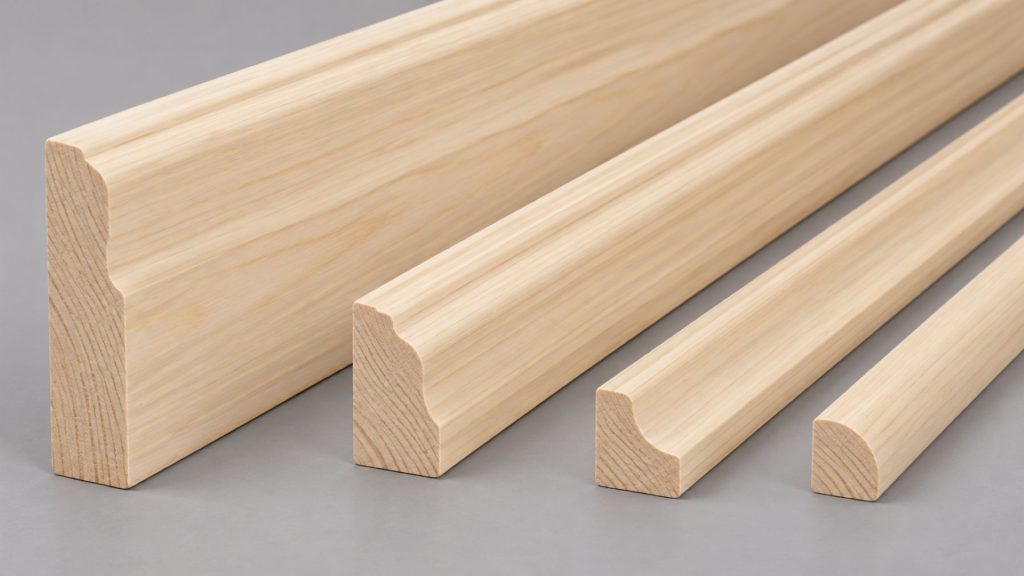

Noble Fir supplies construction lumber, plywood, pulp, and general utility products. Selected clear stock is also practical for protected interior projects where light weight is desirable and resistance to dents is secondary.
For beams or framing, specify a graded product and appropriate design values rather than relying on species averages. Its low natural decay resistance limits untreated exterior service; persistent dampness and ground contact require an exposure-appropriate material specification.
- Graded construction lumber
- Plywood and veneer products
- Paper pulp and fiber products
- Protected interior components and millwork
- Packaging and general utility woodworking
Sustainability & Notes
Noble Fir has a comparatively limited native mountain range. Forest sourcing should consider regeneration and habitat conditions as well as timber yield. Christmas-tree plantations provide a different product stream from mature timber stands and should not be treated as evidence of the source of a lumber shipment.
Request a traceable supplier description, and retain certification records when certification is part of a purchase. In a mixed Hem-Fir load, use the commercial name unless the exact species has been independently established.
Comparative Notes & Related Species
Related Guides
- Fir Species Guide
- Understanding Wood Strength: What Makes Wood Strong?
- Understanding Wood Shrinkage Values Explained
- Drying & Acclimating Exotic Woods
- Building a Documented Wood Collection
Compare Wood Properties
See how this species ranks in density and hardness using our Wood Density & Janka Hardness Chart. You can also explore Hardest Woods, Softest Woods, and Most Dense Woods for quick comparisons.
Collector Notes
Keep a documented Noble Fir sample beside other true firs and a spruce to compare end-grain anatomy. Record where and how the species was identified, and retain an unfinished face for future examination.
A large block showing radial and tangential surfaces is more informative than a small polished cube alone. Label coatings and photograph the wood before finishing so added color is not mistaken for a natural identification feature.
Share Your Photos of This Species
Do you have lumber, wood samples, tree photographs, woodworking projects, furniture, carvings, turnings, musical instruments, or other items made from this species?
Exotic Woods of the World welcomes photographs from woodworkers, collectors, sawyers, researchers, and wood enthusiasts around the world. Selected submissions may be featured on this page and throughout our website to help document and showcase real-world examples of this species.
When submitting photos, please include the common name, scientific name (if known), a brief description, and any information you would like us to share with the image.
Wood Sample Collection
This species is part of an ongoing effort to document and preserve wood samples from around the world.
Learn more about contributing to the collection:
Resources
Authoritative botanical and forestry references used in compiling information about this species include:
• USDA Forest Service – Wood Handbook: Wood as an Engineering Material
https://www.fpl.fs.usda.gov/products/publications/
• The Wood Database – Global reference for wood identification, physical properties, and woodworking characteristics
https://www.wood-database.com/
• Royal Botanic Gardens, Kew – Plants of the World Online – Botanical taxonomy and species distribution database
https://powo.science.kew.org/
• International Union for Conservation of Nature (IUCN Red List) – Global conservation status assessments
https://www.iucnredlist.org/
• Convention on International Trade in Endangered Species (CITES) – International trade regulations for protected plant species
https://cites.org/
Additional forestry publications, academic research papers, and regional timber studies may also be referenced where available.
Love This Species?
Enjoy learning about this wood species?
Help support the continued growth of Exotic Woods of the World by participating in our Adopt a Species program. Your support helps fund species research, educational content, photography, videos, and future conservation awareness initiatives.
Support Forest Conservation
This species is part of the growing Exotic Woods of the World reference archive, dedicated to documenting and preserving knowledge of the world’s wood species.
Through the Adopt a Species program, visitors can help support ongoing species research, educational content, photography, video production, and future conservation awareness initiatives.
Contributions help fund the continued expansion of this archive while promoting sustainable forestry education and the long-term appreciation of the world’s forests.
Interested in supporting this species? Visit our Adopt a Species and Conservation Partners pages to learn more.
Availability & Where to Buy
Exotic hardwood availability can vary significantly depending on region, sustainability regulations, and supplier inventory.
As this archive grows, recommended suppliers and specialty wood retailers will be listed here to help woodworkers locate responsibly sourced material.
Lumber Suppliers:
Availability varies — see the Where to Buy Exotic Woods page for current sources.
Related Tools & Products:
Availability varies — see the Where to Buy Exotic Woods page for current sources.
Share This Wood Species
Stay Connected
Follow the latest species additions, educational resources, videos, conservation initiatives, and major project milestones through our Site Updates archive.
The Site Updates archive provides a permanent record of new content, library growth, and future developments across Exotic Woods of the World.