
Oregon Ash
Scientific name: Fraxinus latifolia
Overview
Oregon Ash is the native ash of the Pacific Northwest, growing along rivers, in valleys and on seasonally wet ground west of the Cascade Range and Sierra Nevada. It supplies a regional hardwood resource distinct from the eastern ashes more commonly encountered in national lumber markets.
Its light color and strong ring pattern suit furniture and interior joinery. Good machining and impact performance make it useful beyond decorative work, but lumber quality can vary with the source tree. A clean, straight board from a forest-grown stem is a different proposition from a short, branchy piece of urban salvage.
Quick Facts
- Common Name: Oregon Ash
- Alternate Common Names: Water Ash
- Scientific Name: Fraxinus latifolia
- Region: North American Woods — Western North America, from Washington through Oregon into California
- Family: Oleaceae
- Tree Size: Typically 60–80 ft (18–24 m) tall and 16–30 in (0.4–0.75 m) in trunk diameter
- Average Dried Weight: Approximately 38 lb/ft³ (610 kg/m³)
- Janka Hardness: Approximately 1,160 lbf (5,160 N)
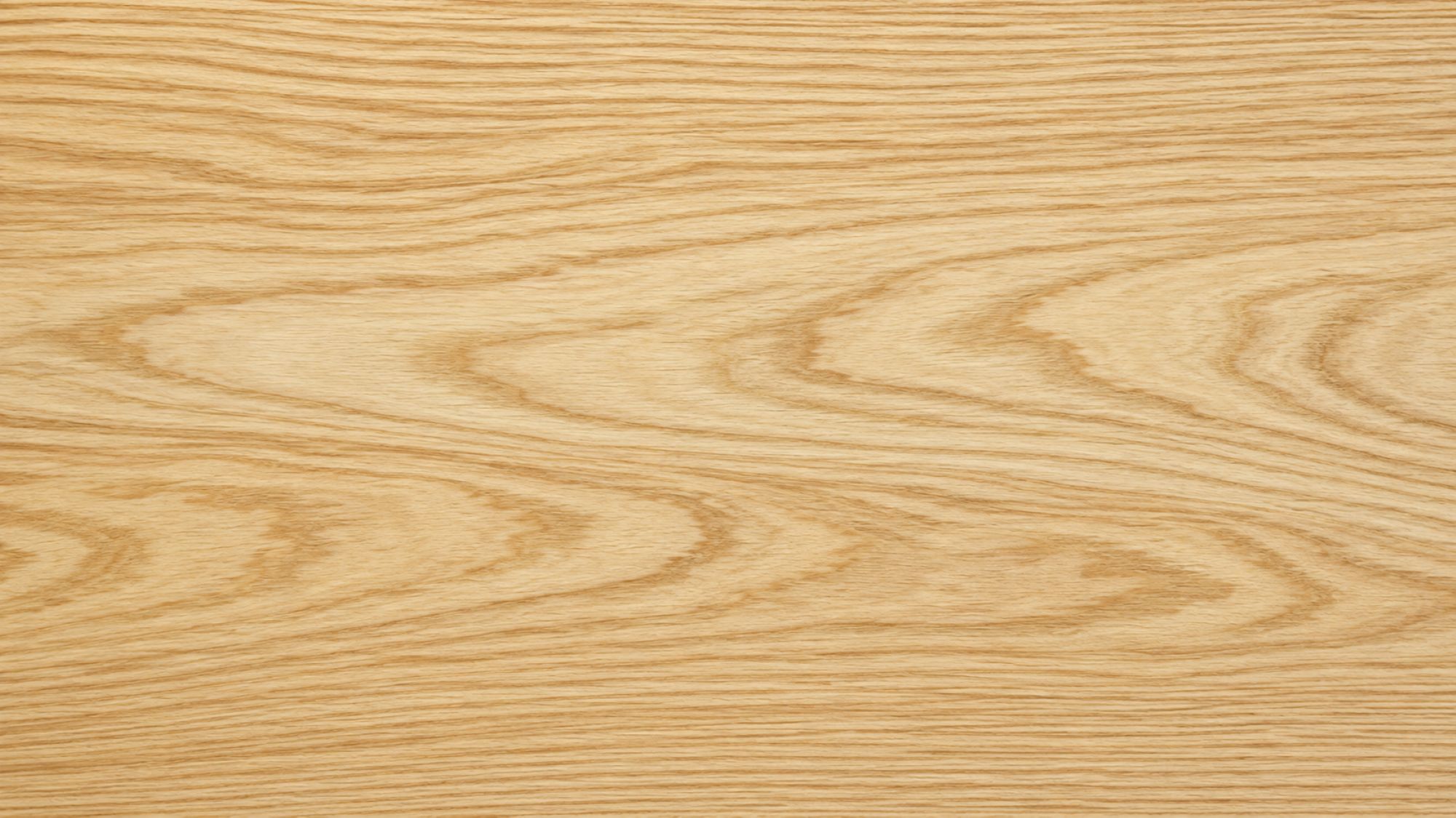
- Color: Nearly white sapwood; yellow-brown heartwood sometimes showing a gray cast
- Grain: Generally straight with conspicuous growth rings
- Texture: Medium to coarse and ring-porous
Identification Characteristics
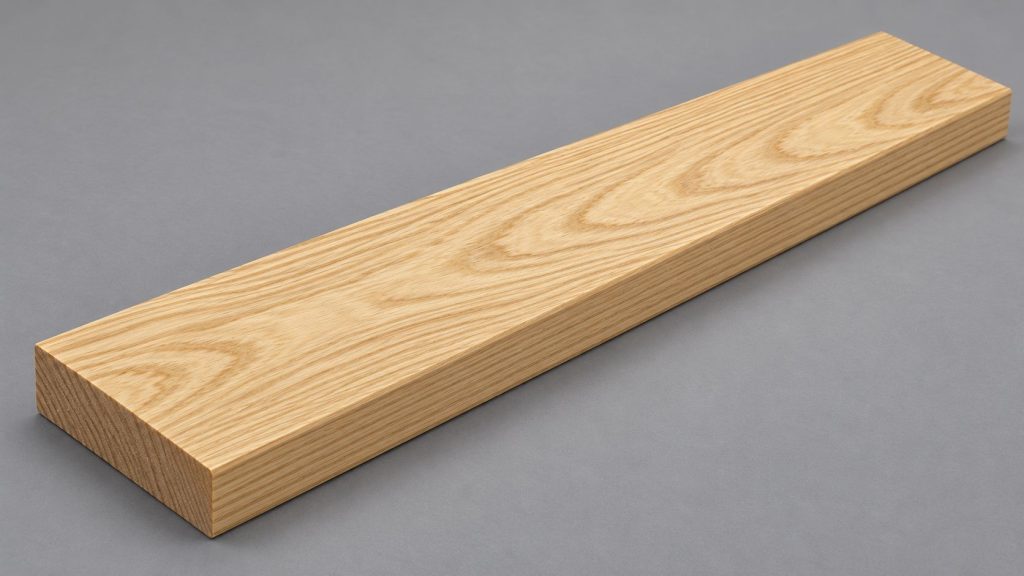
Look for large earlywood vessels forming a conspicuous band, with an abrupt transition to smaller latewood pores. Nearly white sapwood contrasts to varying degrees with yellowish-brown heartwood. The alternating porous and denser zones create pronounced figures on flatsawn boards.
The fine rays are much less obvious than oak rays. These features support identification as ash, while reliable species identification also requires provenance. Preserve the source location and, where possible, photographs of leaves, twigs and the standing tree before processing.
Key identification traits include:
- Wide, pale sapwood
- Yellow-brown heartwood with a possible gray cast
- Large earlywood pores followed abruptly by smaller pores
- Strong growth-ring figure on flatsawn faces
- Usually straight grain and fine, inconspicuous rays
- Documented western North American origin

Working Properties
Oregon Ash generally planes, shapes, bores and turns without unusual difficulty. Controlled drying is important: wetwood and careless air drying can lead to checking, while poor stacking can cause sticker stain. Separate suspect boards and verify that the core is suitably dry before final machining.
For joinery, use well-fitted surfaces and a glue color compatible with the pale sapwood. Sanding scratches can remain conspicuous on the denser parts of the grain, so inspect a raking-light test area before applying finish. Trial pieces help establish the desired color and pore treatment.
- Sort boards for wetwood, checking and stain
- Stack with clean stickers and even support
- Verify moisture content before final sizing
- Use sharp tools and modest finishing cuts
- Inspect latewood for sanding scratches
- Test glue-line visibility on pale sapwood
- Fill pores if a smooth, closed surface is desired
- Allow for seasonal movement in wide components
Safety Note
Wood dust can irritate the skin, eyes and respiratory tract. Use effective dust extraction, eye protection and suitable respiratory protection when machining or sanding. Inspect salvaged material for embedded metal, cracks and decay before cutting, and assess dead standing trees professionally before removal.
Common Uses


Oregon Ash is a practical choice for locally sourced furniture, paneling and flooring. Its ability to machine and turn cleanly also supports small turned items and interior components where clear grain and reliable joints matter.
Select by the actual board rather than by the species name alone. Large limbs, forks and old defects may restrict the useful length of salvaged material. Smaller sound pieces can still be valuable for components, samples or compact projects.
- Furniture and cabinet components
- Interior flooring
- Wall paneling
- Interior trim and joinery
- Turned objects
- Small projects from sound local offcuts
Sustainability & Notes
Oregon Ash helps sustain streamside and wetland habitats. Responsible procurement should respect these sites, along with the conditions attached to any tree removal or timber harvest. Its native range is also affected by emerald ash borer, which is established in Oregon.
Recovering useful material from authorized removals can support local woodworking, but pest management and transport requirements still apply. Keep the location, removal date and processing history with salvaged stock, and check current local guidance before moving logs, bark or firewood.
Comparative Notes & Related Species
Related Guides
- Drying & Acclimating Exotic Woods
- Moisture Content & Long Term Stability
- Best Woods for Furniture Making
- Finishing Oils vs Polyurethane on Exotic Species
- Wood Movement and Seasonal Expansion Explained
Compare Wood Properties
See how this species ranks in density and hardness using our Wood Density & Janka Hardness Chart. You can also explore Hardest Woods, Softest Woods, and Most Dense Woods for quick comparisons.
Collector Notes
Include both pale sapwood and darker heartwood when a specimen allows it. A transverse face showing the abrupt earlywood-to-latewood transition is valuable for comparison with eastern ashes. Keep dry and finished examples separately labeled.
Record whether the specimen came from a woodland stem or an open-grown tree, together with drying history and any wetwood or sticker-stain observations. These notes make the sample more useful than a color-only reference and help explain differences between boards of the same species.
Share Your Photos of This Species
Do you have lumber, wood samples, tree photographs, woodworking projects, furniture, carvings, turnings, musical instruments, or other items made from this species?
Exotic Woods of the World welcomes photographs from woodworkers, collectors, sawyers, researchers, and wood enthusiasts around the world. Selected submissions may be featured on this page and throughout our website to help document and showcase real-world examples of this species.
When submitting photos, please include the common name, scientific name (if known), a brief description, and any information you would like us to share with the image.
Wood Sample Collection
This species is part of an ongoing effort to document and preserve wood samples from around the world.
Learn more about contributing to the collection:
Resources
Authoritative botanical and forestry references used in compiling information about this species include:
• USDA Forest Service – Wood Handbook: Wood as an Engineering Material
https://www.fpl.fs.usda.gov/products/publications/
• The Wood Database – Global reference for wood identification, physical properties, and woodworking characteristics
https://www.wood-database.com/
• Royal Botanic Gardens, Kew – Plants of the World Online – Botanical taxonomy and species distribution database
https://powo.science.kew.org/
• International Union for Conservation of Nature (IUCN Red List) – Global conservation status assessments
https://www.iucnredlist.org/
• Convention on International Trade in Endangered Species (CITES) – International trade regulations for protected plant species
https://cites.org/
Additional forestry publications, academic research papers, and regional timber studies may also be referenced where available.
Love This Species?
Enjoy learning about this wood species?
Help support the continued growth of Exotic Woods of the World by participating in our Adopt a Species program. Your support helps fund species research, educational content, photography, videos, and future conservation awareness initiatives.
Support Forest Conservation
This species is part of the growing Exotic Woods of the World reference archive, dedicated to documenting and preserving knowledge of the world’s wood species.
Through the Adopt a Species program, visitors can help support ongoing species research, educational content, photography, video production, and future conservation awareness initiatives.
Contributions help fund the continued expansion of this archive while promoting sustainable forestry education and the long-term appreciation of the world’s forests.
Interested in supporting this species? Visit our Adopt a Species and Conservation Partners pages to learn more.
Availability & Where to Buy
Exotic hardwood availability can vary significantly depending on region, sustainability regulations, and supplier inventory.
As this archive grows, recommended suppliers and specialty wood retailers will be listed here to help woodworkers locate responsibly sourced material.
Lumber Suppliers:
Availability varies — see the Where to Buy Exotic Woods page for current sources.
Related Tools & Products:
Availability varies — see the Where to Buy Exotic Woods page for current sources.
Share This Wood Species
Stay Connected
Follow the latest species additions, educational resources, videos, conservation initiatives, and major project milestones through our Site Updates archive.
The Site Updates archive provides a permanent record of new content, library growth, and future developments across Exotic Woods of the World.