

Seven Year Apple
Scientific name: Genipa americana
Overview
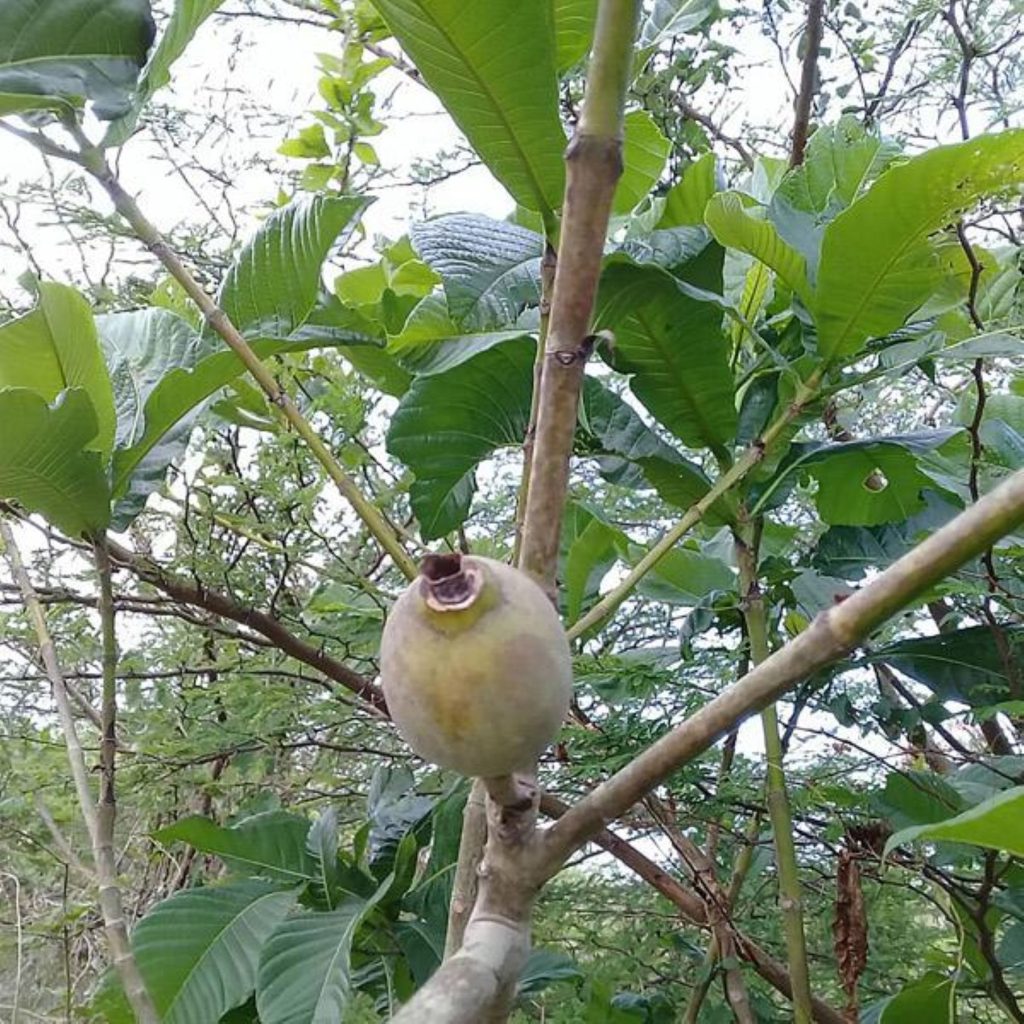
Seven Year Apple is a tropical hardwood native to the Caribbean, Central America, and parts of northern South America. Despite its name, it is not related to apple trees used for fruit production. The name comes from regional terminology and the fruiting cycle of the tree.
The wood is moderately dense and has been used locally for small construction, tools, and utility applications. While not a major commercial species, it plays an important role in regional woodworking and adds depth to Caribbean hardwood coverage.
Watch Video Overview
Watch a visual overview of European Boxwood including grain patterns, color variation, working characteristics, and common woodworking uses.
Jump directly to the video section below to see this species in greater detail.
Quick Facts
- Common Name: Seven Year Apple
- Scientific Name: Genipa americana
- Region: Caribbean & West Indies Hardwoods
- Tree Size: Medium to large tree, typically 30–80 ft tall
- Average Dried Weight: Medium
- Janka Hardness: Not officially rated
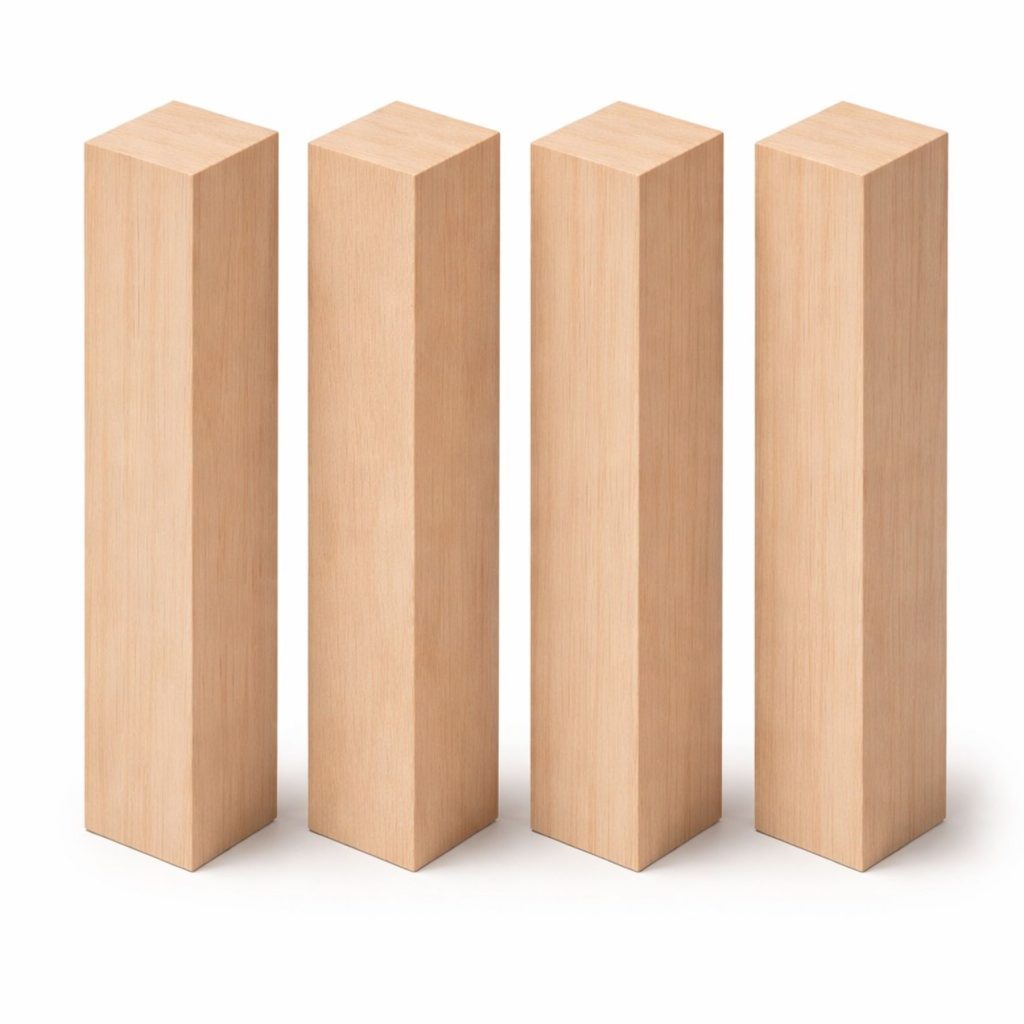
- Color: Light brown to yellowish-brown
- Grain: Straight to slightly irregular
- Texture: Medium
Identification Characteristics
Seven Year Apple is generally recognized by its lighter color and relatively uniform structure compared to many tropical hardwoods. It lacks dramatic figure but presents a clean and consistent appearance.
Key identification traits include:
- Light brown to yellowish heartwood
- Straight to slightly irregular grain
- Medium texture
- Moderately dense feel
Working Properties
Seven Year Apple is considered a workable hardwood with moderate density, making it easier to machine than many heavier tropical species. It performs well in general woodworking but is not typically used for fine, high-end applications.
- Moderate density makes it relatively easy to work
- Machines and cuts cleanly with standard tools
- Holds fasteners reasonably well
- Finishes adequately but without dramatic enhancement
- Suitable for general-purpose woodworking
Safety Note
No widely reported adverse reactions. Standard dust precautions should be used during machining and sanding.
Common Uses
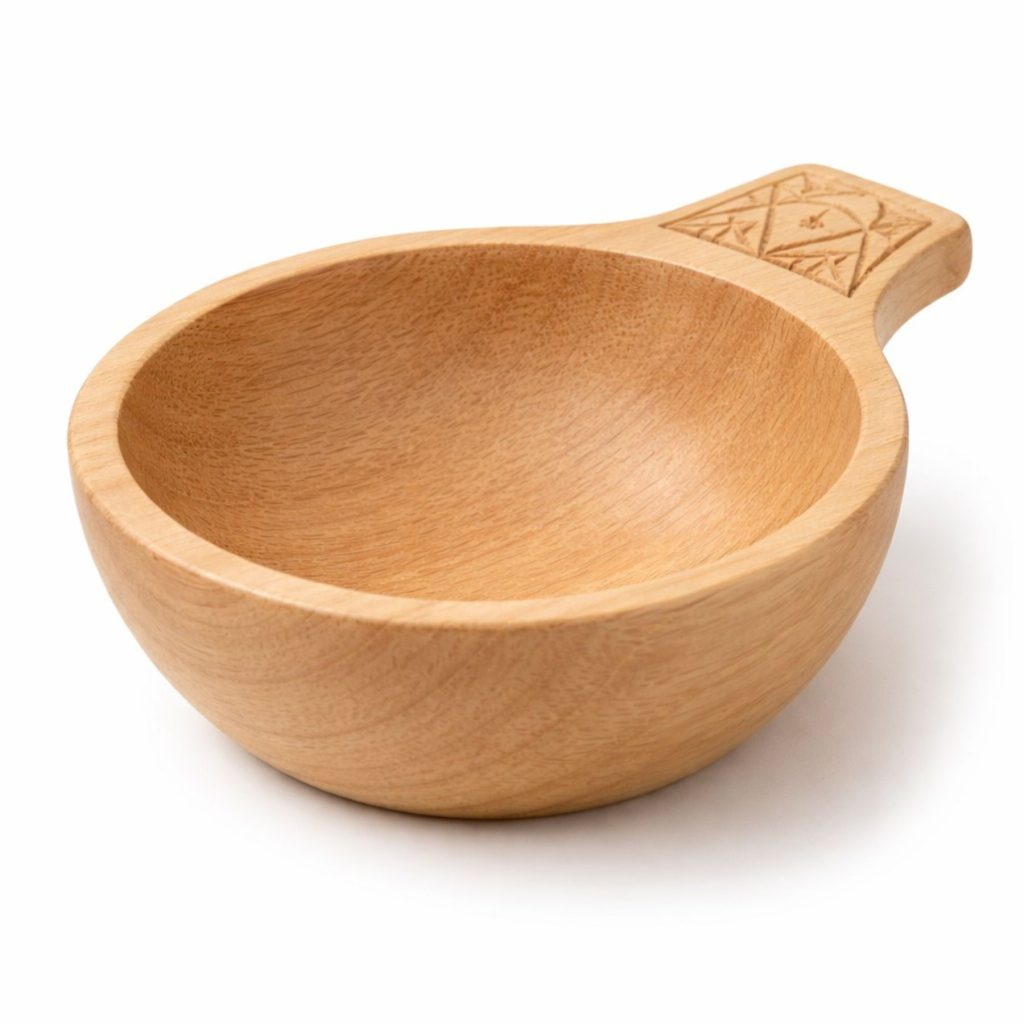
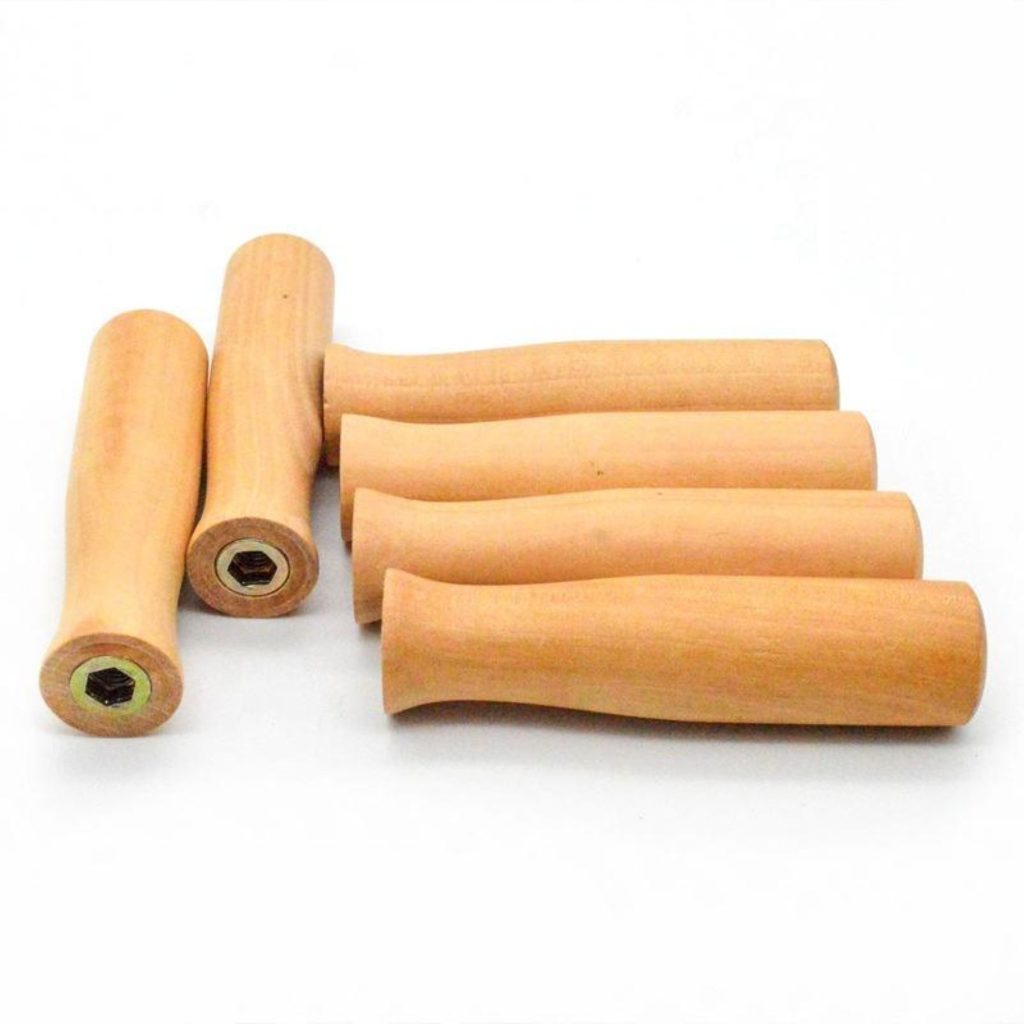
Seven Year Apple is primarily used in regional and utility applications rather than high-end woodworking.
- General construction
- Tool handles
- Small furniture items
- Utility woodwork
- Local craft applications
Sustainability & Notes
This species is not widely traded internationally and is typically harvested and used locally. It is not considered a major commercial hardwood but contributes to regional forestry and woodworking traditions.
Comparative Notes & Related Species
Spanish Cedar — Lighter in weight with a more aromatic character and better natural resistance to insects, making it more suitable for cabinetry and interior use.
Santa Maria — More refined in appearance with a richer color and more consistent grain, commonly used for higher-end furniture applications.
Caribbean Pine — Softer and more uniform, primarily used in construction rather than general-purpose hardwood applications.
Related Guides
Understanding Wood Density & Hardness (Janka Scale) — Helps position Seven Year Apple among medium-density tropical hardwoods.
How to Identify Exotic Hardwood by Grain Pattern — Useful for distinguishing more subtle grain structures like those found in this species.
Drying & Acclimating Exotic Woods — Important for maintaining stability in moderate-density tropical woods.
Compare Wood Properties
See how this species ranks in density and hardness using our Wood Density & Janka Hardness Chart. You can also explore Hardest Woods, Softest Woods, and Most Dense Woods for quick comparisons.
Collector Notes
Seven Year Apple is a solid representation of regional utility hardwoods. While not highly figured or rare, it adds diversity to a Caribbean collection and reflects the practical woods used in everyday applications.
Video Overview
Learn Through Video
Watch a visual overview of Seven Year Apple, including its rich red color, smooth texture, and common woodworking uses.
Share Your Photos of This Species
Do you have lumber, wood samples, tree photographs, woodworking projects, furniture, carvings, turnings, musical instruments, or other items made from this species?
Exotic Woods of the World welcomes photographs from woodworkers, collectors, sawyers, researchers, and wood enthusiasts around the world. Selected submissions may be featured on this page and throughout our website to help document and showcase real-world examples of this species.
When submitting photos, please include the common name, scientific name (if known), a brief description, and any information you would like us to share with the image.
Wood Sample Collection
This species is part of an ongoing effort to document and preserve wood samples from around the world.
Learn more about contributing to the collection:
Resources
Authoritative botanical and forestry references used in compiling information about this species include:
• USDA Forest Service – Wood Handbook: Wood as an Engineering Material
https://www.fpl.fs.usda.gov/products/publications/
• The Wood Database – Global reference for wood identification, physical properties, and woodworking characteristics
https://www.wood-database.com/
• Royal Botanic Gardens, Kew – Plants of the World Online – Botanical taxonomy and species distribution database
https://powo.science.kew.org/
• International Union for Conservation of Nature (IUCN Red List) – Global conservation status assessments
https://www.iucnredlist.org/
• Convention on International Trade in Endangered Species (CITES) – International trade regulations for protected plant species
https://cites.org/
Additional forestry publications, academic research papers, and regional timber studies may also be referenced where available.
Love This Species?
Enjoy learning about this wood species?
Help support the continued growth of Exotic Woods of the World by participating in our Adopt a Species program. Your support helps fund species research, educational content, photography, videos, and future conservation awareness initiatives.
Support Forest Conservation
This species is part of the growing Exotic Woods of the World reference archive, dedicated to documenting and preserving knowledge of the world’s wood species.
Through the Adopt a Species program, visitors can help support ongoing species research, educational content, photography, video production, and future conservation awareness initiatives.
Contributions help fund the continued expansion of this archive while promoting sustainable forestry education and the long-term appreciation of the world’s forests.
Interested in supporting this species? Visit our Adopt a Species and Conservation Partners pages to learn more.
Availability & Where to Buy
Exotic hardwood availability can vary significantly depending on region, sustainability regulations, and supplier inventory.
As this archive grows, recommended suppliers and specialty wood retailers will be listed here to help woodworkers locate responsibly sourced material.
Lumber Suppliers:
Availability varies — see the Where to Buy Exotic Woods page for current sources.
Related Tools & Products:
• SKIL 5-Inch Random Orbital Sander with Cyclonic Dust Box for smooth surface preparation and finish sanding
https://amzn.to/4uZgf2l
• The Complete Manual of Woodworking for detailed guidance on woodworking design, techniques, and tools
https://amzn.to/4uX3nd5
• 10-Inch 120-Tooth Fine-Finish Woodworking Saw Blade for clean, precise cuts in hardwoods and finish materials
https://amzn.to/4fpeSVU
Share This Wood Species
Stay Connected
Follow the latest species additions, educational resources, videos, conservation initiatives, and major project milestones through our Site Updates archive.
The Site Updates archive provides a permanent record of new content, library growth, and future developments across Exotic Woods of the World.