
Shortleaf Fig
Scientific name: Ficus citrifolia
Overview
Shortleaf Fig is a tropical evergreen to semi-evergreen tree in the Moraceae family, the same botanical family as mulberry, breadfruit, and numerous other fig species. It is native to the Caribbean, Florida, Mexico, Central America, and portions of tropical South America, giving it a broad distribution throughout the tropical Americas.
Like many members of the Ficus genus, Shortleaf Fig is ecologically more important than it is commercially valuable for lumber. Trees produce pale, relatively lightweight wood that is generally soft and easy to work but lacks the hardness and durability required for demanding structural applications. The species is especially significant as a wildlife tree because its figs provide food for birds and other animals. Its unusual growth habits and broad Caribbean distribution also make it an interesting species for botanical and wood collections.
Quick Facts
- Common Name: Shortleaf Fig
- Alternate Common Name(s): Wild Banyan, Jamaican Banyan
- Scientific Name: Ficus citrifolia
- Region: Caribbean & West Indies Hardwoods
- Tree Size: Approximately 30–60 ft (9–18 m) tall, occasionally larger
- Average Dried Weight: Reliable species-specific value not widely documented
- Janka Hardness: Reliable species-specific value not widely documented
- Grain: Generally straight to irregular
- Texture: Medium to coarse
Identification Characteristics
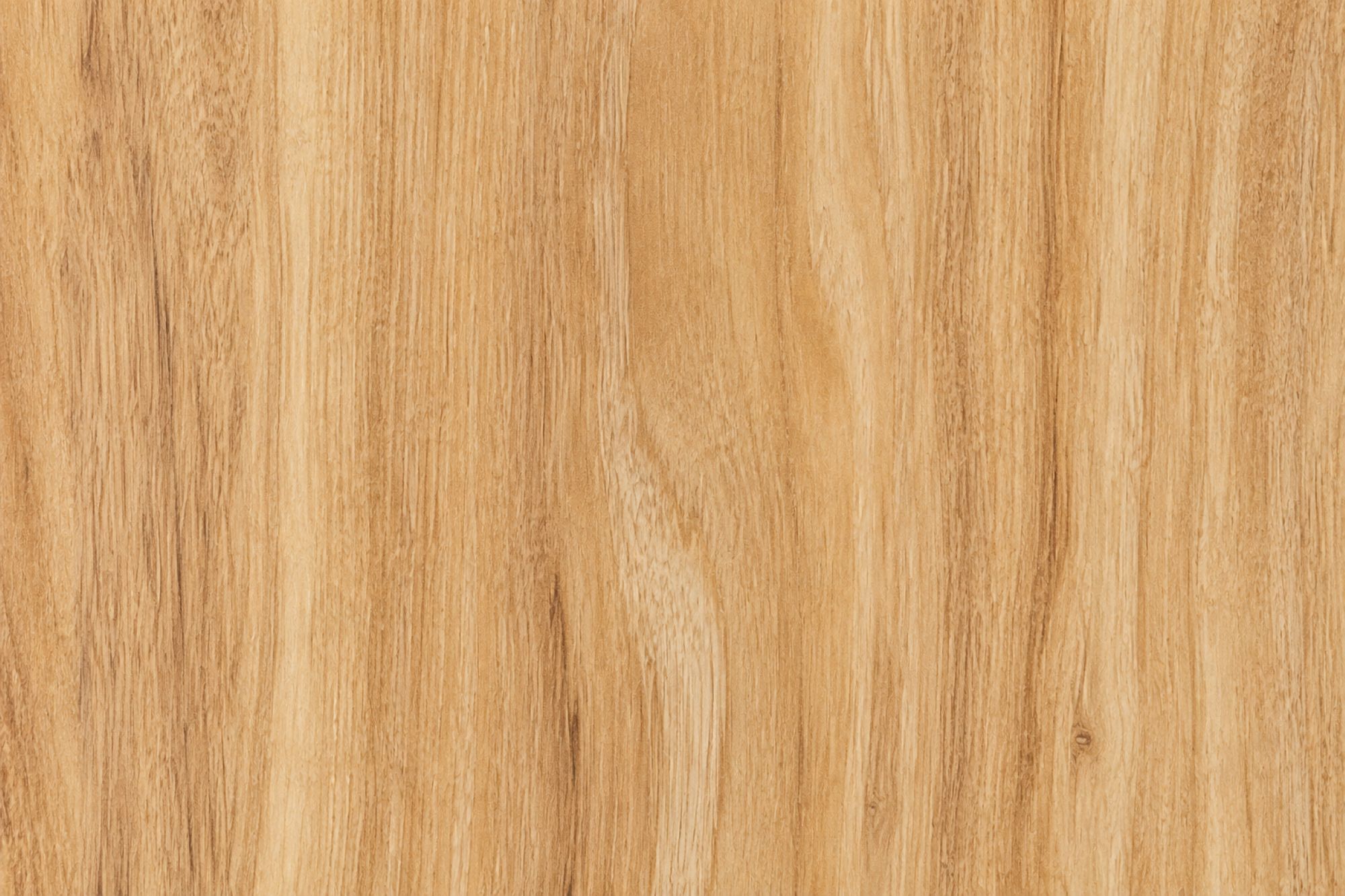
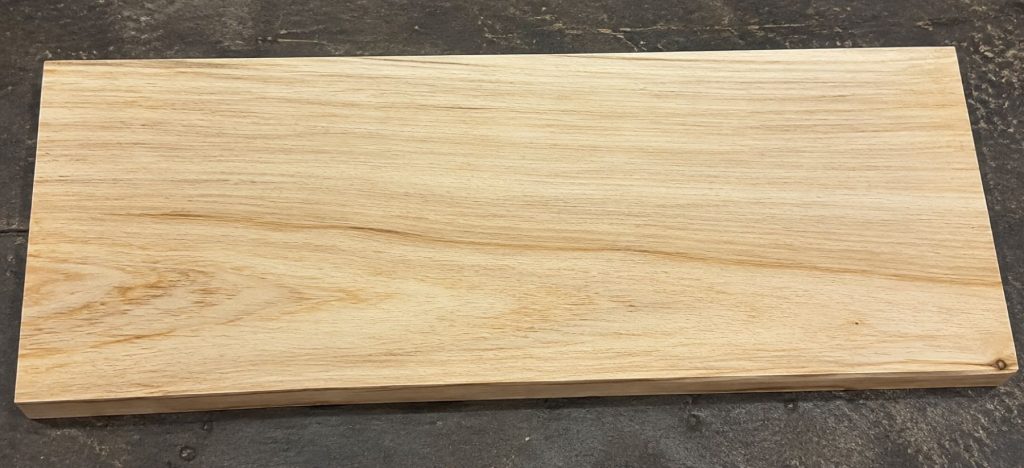
Shortleaf Fig generally produces pale-colored wood ranging from creamy white and yellowish tan to light brown. There is often little dramatic distinction between sapwood and heartwood compared with darker tropical hardwoods.
The grain is usually straight but can become irregular because of the species’ branching patterns and unusual growth habit. Texture is generally medium to coarse. Like other figs, the living tree produces a milky latex when its tissues are damaged.
Key identification traits include:
- Creamy white to pale yellowish-brown wood
- Limited heartwood and sapwood contrast
- Generally straight to irregular grain
- Medium to coarse texture
- Relatively lightweight character
- Subdued natural luster
- Milky latex present in the living tree

Working Properties
Shortleaf Fig is generally expected to work relatively easily because of its comparatively soft, lightweight wood. Sharp tools are recommended because softer fibers can crush or produce fuzzy surfaces rather than cutting cleanly.
The wood should sand and shape readily, although obtaining a highly polished surface may require careful sanding and surface preparation. Its relatively low density limits its suitability for applications requiring high wear resistance or mechanical strength.
- Cuts readily with sharp tools
- Generally easy to shape
- Carves relatively easily
- Sands readily
- Soft fibers may produce fuzzy surfaces
- Limited wear resistance
- Sharp cutting edges improve surface quality
Safety Note
The milky latex produced by Ficus species can cause skin or eye irritation in some individuals. Wood dust generated during cutting and sanding may also irritate the respiratory system.
Gloves may be appropriate when handling freshly cut material containing latex, while dust collection, eye protection, and respiratory protection are recommended during woodworking.
Common Uses


Shortleaf Fig is not an important commercial lumber species, but its lightweight and workable wood may be suitable for localized, decorative, or low-stress applications, including:
- Carving
- Craft projects
- Small boxes
- Lightweight furniture components
- Decorative objects
- Utility items
- Turned objects
- Small woodworking projects
- Educational specimens
- Wood collections
Sustainability & Notes
Shortleaf Fig has considerable ecological importance throughout its tropical American range. Fig trees can produce fruit during periods when other food resources are limited, making them valuable food sources for birds, bats, and other wildlife.
The species can begin life on other trees, with roots eventually extending toward the ground. As the plant develops, its root system and expanding trunk structure can create the characteristic appearance associated with banyans and strangler figs.
Its ecological value generally exceeds its importance as a timber species. Salvaged material from storm damage, landscape management, or legitimate tree removal is therefore particularly appropriate for woodworking and collector specimens.
Comparative Notes & Related Species
Breadfruit – Another member of the Moraceae family producing comparatively lightweight tropical wood used for carving, furniture, construction, and traditional applications.
Osage Orange – A much harder and denser member of the Moraceae family, providing a dramatic comparison with the softer wood produced by Shortleaf Fig.
Mulberry – Another Moraceae wood that demonstrates the considerable variation in density, coloration, durability, and woodworking properties found within the family.
Related Guides
Identifying Unknown Wood Samples – Explore the characteristics used to distinguish unfamiliar wood specimens and narrow potential species identification.
How to Identify Wood by End Grain Patterns – Learn how pores, growth-ring structure, rays, and other anatomical features can provide important identification clues.
Wood Toxicity and Allergies Guide – Learn about potential reactions to wood dust, sap, latex, and natural compounds found in different tree species.
Compare Wood Properties
See how this species ranks in density and hardness using our Wood Density & Janka Hardness Chart. You can also explore Hardest Woods, Softest Woods, and Most Dense Woods for quick comparisons.
Collector Notes
Shortleaf Fig is a worthwhile collector species because it represents the enormous and ecologically important Ficus genus while also providing a distinctly Caribbean and tropical American specimen.
Its pale, lightweight wood creates an interesting contrast with many of the dense and deeply colored tropical hardwoods associated with the Caribbean. A documented specimen can also be displayed alongside Breadfruit, Mulberry, Osage Orange, and other members of the Moraceae family to demonstrate the substantial variation that occurs within this botanical group.
Because fig woods can look similar, geographic provenance and confirmed botanical identification significantly increase the educational value of a sample.
Share Your Photos of This Species
Do you have lumber, wood samples, tree photographs, woodworking projects, furniture, carvings, turnings, musical instruments, or other items made from this species?
Exotic Woods of the World welcomes photographs from woodworkers, collectors, sawyers, researchers, and wood enthusiasts around the world. Selected submissions may be featured on this page and throughout our website to help document and showcase real-world examples of this species.
When submitting photos, please include the common name, scientific name (if known), a brief description, and any information you would like us to share with the image.
Wood Sample Collection
This species is part of an ongoing effort to document and preserve wood samples from around the world.
Learn more about contributing to the collection:
Resources
Authoritative botanical and forestry references used in compiling information about this species include:
• USDA Forest Service – Wood Handbook: Wood as an Engineering Material
https://www.fpl.fs.usda.gov/products/publications/
• The Wood Database – Global reference for wood identification, physical properties, and woodworking characteristics
https://www.wood-database.com/
• Royal Botanic Gardens, Kew – Plants of the World Online – Botanical taxonomy and species distribution database
https://powo.science.kew.org/
• International Union for Conservation of Nature (IUCN Red List) – Global conservation status assessments
https://www.iucnredlist.org/
• Convention on International Trade in Endangered Species (CITES) – International trade regulations for protected plant species
https://cites.org/
Additional forestry publications, academic research papers, and regional timber studies may also be referenced where available.
Love This Species?
Enjoy learning about this wood species?
Help support the continued growth of Exotic Woods of the World by participating in our Adopt a Species program. Your support helps fund species research, educational content, photography, videos, and future conservation awareness initiatives.
Support Forest Conservation
This species is part of the growing Exotic Woods of the World reference archive, dedicated to documenting and preserving knowledge of the world’s wood species.
Through the Adopt a Species program, visitors can help support ongoing species research, educational content, photography, video production, and future conservation awareness initiatives.
Contributions help fund the continued expansion of this archive while promoting sustainable forestry education and the long-term appreciation of the world’s forests.
Interested in supporting this species? Visit our Adopt a Species and Conservation Partners pages to learn more.
Availability & Where to Buy
Exotic hardwood availability can vary significantly depending on region, sustainability regulations, and supplier inventory.
As this archive grows, recommended suppliers and specialty wood retailers will be listed here to help woodworkers locate responsibly sourced material.
Lumber Suppliers:
Availability varies — see the Where to Buy Exotic Woods page for current sources.
Related Tools & Products:
Availability varies — see the Where to Buy Exotic Woods page for current sources.
Share This Wood Species
Stay Connected
Follow the latest species additions, educational resources, videos, conservation initiatives, and major project milestones through our Site Updates archive.
The Site Updates archive provides a permanent record of new content, library growth, and future developments across Exotic Woods of the World.