

Silk Tree
Scientific name: Albizia julibrissin
Overview
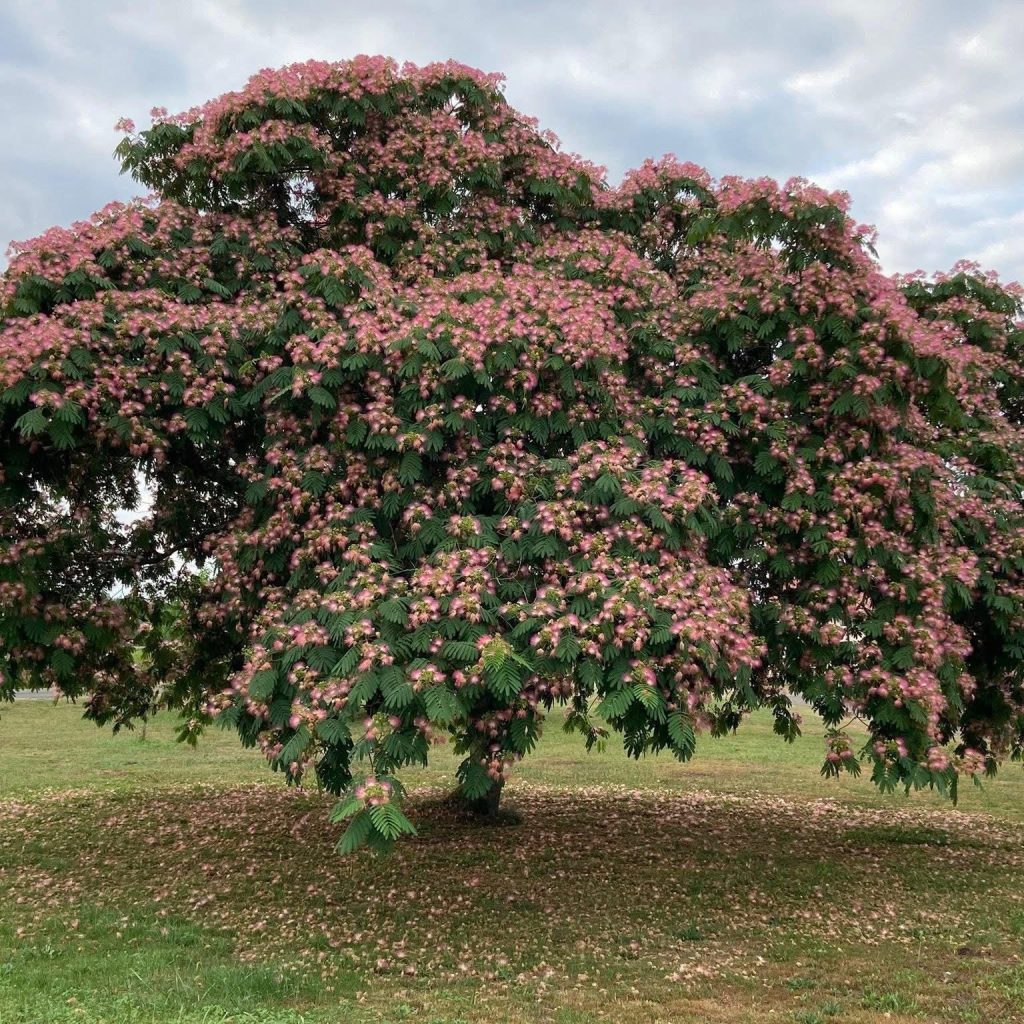
Silk Tree is a small to medium-sized deciduous hardwood tree in the Fabaceae family, native to a broad region of Asia extending from Iran and the Caucasus eastward through portions of China and other parts of eastern Asia. Albizia julibrissin has also been widely planted as an ornamental in Europe and North America because of its spreading crown, fern-like foliage, and distinctive pink, silky flowers.
The wood generally ranges from yellowish brown to medium or reddish brown, with lighter sapwood providing noticeable contrast in mature material. Grain is usually straight to somewhat interlocked, while texture is typically medium to coarse. Although Silk Tree is not an important international commercial timber, wood from removed or salvaged trees can be used for furniture, turning, carving, boxes, decorative objects, and general woodworking.
Silk Tree is especially useful within an Albizia collection because it can be compared directly with Red Siris, White Siris, East Indian Walnut, and Moluccan Albizia. These species demonstrate the substantial differences in color, density, growth characteristics, and woodworking properties found within the genus.
Quick Facts
- Common Name: Silk Tree
- Alternate Common Name(s): Persian Silk Tree, Mimosa
- Scientific Name: Albizia julibrissin
- Region: Asian Hardwoods
- Tree Size: Approximately 20–40 ft (6–12 m) tall, occasionally larger
- Average Dried Weight: Reliable standardized species-specific value is not widely established
- Janka Hardness: Reliable standardized species-specific value is not widely established
- Grain: Straight to somewhat interlocked
- Texture: Medium to coarse
Identification Characteristics
Silk Tree generally produces yellowish-brown to medium-brown heartwood that can develop warmer reddish or golden-brown tones. The sapwood is typically considerably lighter and may range from cream to pale yellowish brown.
Grain is generally straight but may become interlocked or irregular, particularly around branches and areas of changing growth. Texture is typically medium to coarse, and properly surfaced wood can display an attractive natural luster.
Key identification traits include:
- Yellowish-brown to reddish-brown heartwood
- Pale cream to yellowish sapwood
- Noticeable sapwood and heartwood contrast
- Straight to somewhat interlocked grain
- Medium to coarse texture
- Occasional attractive grain figure
- Moderate natural luster

Working Properties
Silk Tree can generally be worked with conventional woodworking equipment, although its machining behavior varies with grain orientation and individual material. Straight-grained stock is typically easier to surface cleanly than pieces containing interlocked or irregular grain.
Sharp cutting edges are beneficial when planing and routing. The wood can also be carved and turned, making salvaged material useful for small specialty projects.
- Machines reasonably well with sharp tools
- Cuts and shapes readily
- Suitable for carving
- Suitable for wood turning
- Sands to a smooth surface
- Interlocked grain may produce localized tear-out
- Accepts finishes with proper surface preparation
Safety Note
Detailed species-specific information concerning reactions to Silk Tree wood dust is limited. Wood dust generated during cutting, routing, turning, and sanding can cause skin, eye, or respiratory irritation.
Appropriate dust collection, eye protection, and respiratory protection are recommended when machining the wood.
Common Uses
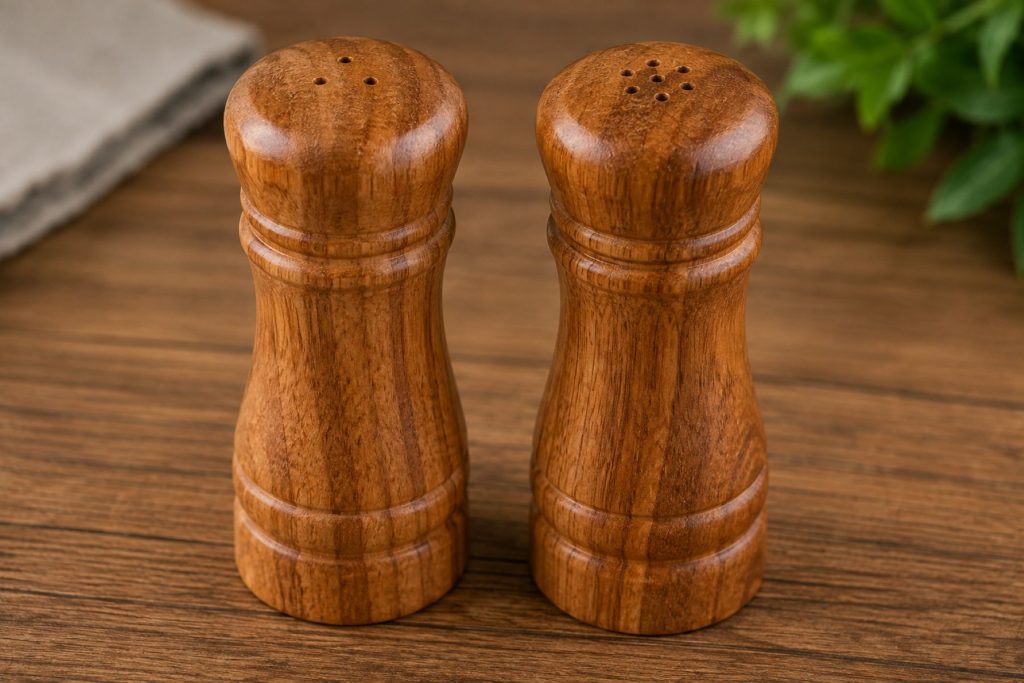
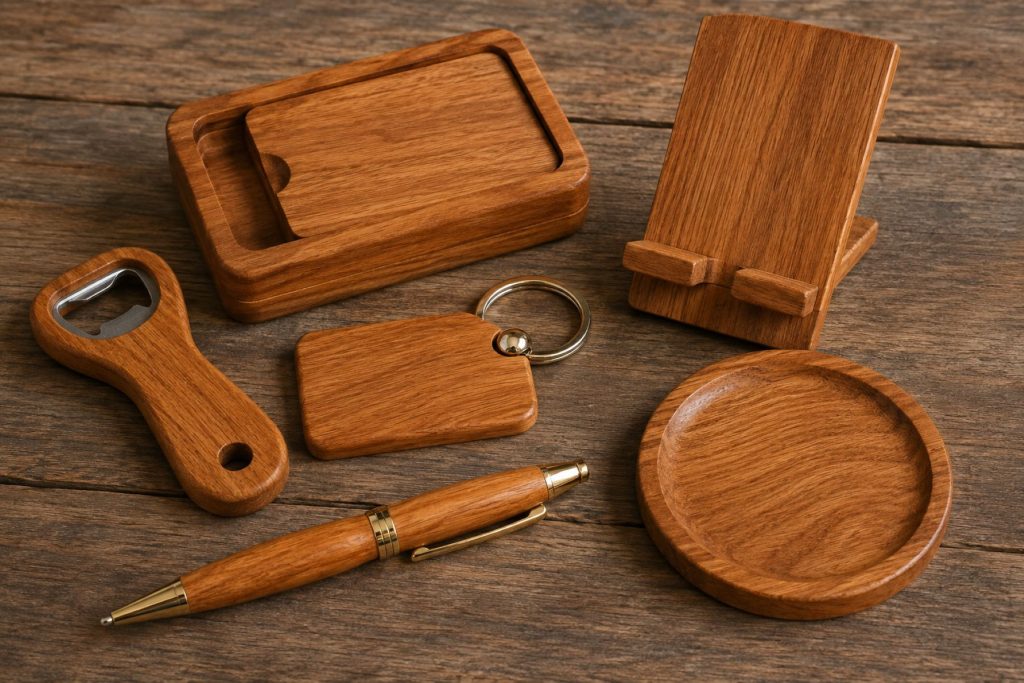
Silk Tree is primarily known as an ornamental rather than a commercial timber tree, but salvaged wood can be used for numerous woodworking applications, including:
- Furniture
- Wood turning
- Carving
- Small boxes
- Decorative objects
- Interior woodworking
- Craft projects
- Small utility items
- Salvaged-wood projects
- Wood collections
Sustainability & Notes
Silk Tree has been planted extensively outside its native Asian range because of its attractive flowers, rapid growth, and ability to tolerate a variety of growing conditions. In some introduced regions, particularly portions of the United States, it has escaped cultivation and can spread into natural and disturbed habitats.
This creates an interesting opportunity for woodworkers. Trees removed during landscape management or invasive-species control can potentially provide usable lumber, turning blanks, and collector specimens without creating demand for harvesting native forest populations.
When documenting collector material, geographic provenance is particularly valuable because specimens may originate either within the species’ native Asian range or from introduced populations elsewhere in the world.
Comparative Notes & Related Species
Red Siris – A related Asian Albizia producing darker reddish-brown wood and providing a useful comparison of color, density, and timber characteristics within the genus.
White Siris – Another Asian Albizia with generally lighter wood and a larger timber-producing growth form than Silk Tree.
East Indian Walnut – A darker Albizia used regionally for furniture and general woodworking, providing an excellent comparison with the less commercially important Silk Tree.
Related Guides
Albizia Species Guide
Explore the Albizia genus and compare Silk Tree with Red Siris, White Siris, East Indian Walnut, Moluccan Albizia, and other related species.
Sapwood vs. Heartwood Explained
Learn why sapwood and heartwood can differ in coloration, extractive content, durability, and appearance within the same tree.
Best Woods for Wood Turning
Explore woods used by turners and compare the characteristics that influence cutting behavior, figure, surface quality, and finished appearance.
Understanding Interlocked vs. Straight Grain
Learn how grain orientation influences machining behavior, appearance, figure, and the quality of a finished wood surface.
Building a Documented Wood Collection
Learn how scientific identification, geographic origin, acquisition records, and provenance increase the educational value of wood specimens.
Compare Wood Properties
See how this species ranks in density and hardness using our Wood Density & Janka Hardness Chart. You can also explore Hardest Woods, Softest Woods, and Most Dense Woods for quick comparisons.
Collector Notes
Silk Tree is an excellent addition to an Albizia collection because its widespread ornamental use distinguishes it from many members of the genus that are encountered primarily as regional forest or plantation timbers.
A collection containing Silk Tree, Red Siris, White Siris, East Indian Walnut, and Moluccan Albizia can demonstrate substantial variation in coloration, density, grain, tree size, and commercial importance within Albizia.
For North American collectors, specimens obtained from removed Silk Trees can be particularly accessible. Labels should document whether the sample originated from an introduced population or the species’ native Asian range.
Share Your Photos of This Species
Do you have lumber, wood samples, tree photographs, woodworking projects, furniture, carvings, turnings, musical instruments, or other items made from this species?
Exotic Woods of the World welcomes photographs from woodworkers, collectors, sawyers, researchers, and wood enthusiasts around the world. Selected submissions may be featured on this page and throughout our website to help document and showcase real-world examples of this species.
When submitting photos, please include the common name, scientific name (if known), a brief description, and any information you would like us to share with the image.
Wood Sample Collection
This species is part of an ongoing effort to document and preserve wood samples from around the world.
Learn more about contributing to the collection:
Resources
Authoritative botanical and forestry references used in compiling information about this species include:
• USDA Forest Service – Wood Handbook: Wood as an Engineering Material
https://www.fpl.fs.usda.gov/products/publications/
• The Wood Database – Global reference for wood identification, physical properties, and woodworking characteristics
https://www.wood-database.com/
• Royal Botanic Gardens, Kew – Plants of the World Online – Botanical taxonomy and species distribution database
https://powo.science.kew.org/
• International Union for Conservation of Nature (IUCN Red List) – Global conservation status assessments
https://www.iucnredlist.org/
• Convention on International Trade in Endangered Species (CITES) – International trade regulations for protected plant species
https://cites.org/
Additional forestry publications, academic research papers, and regional timber studies may also be referenced where available.
Love This Species?
Enjoy learning about this wood species?
Help support the continued growth of Exotic Woods of the World by participating in our Adopt a Species program. Your support helps fund species research, educational content, photography, videos, and future conservation awareness initiatives.
Support Forest Conservation
This species is part of the growing Exotic Woods of the World reference archive, dedicated to documenting and preserving knowledge of the world’s wood species.
Through the Adopt a Species program, visitors can help support ongoing species research, educational content, photography, video production, and future conservation awareness initiatives.
Contributions help fund the continued expansion of this archive while promoting sustainable forestry education and the long-term appreciation of the world’s forests.
Interested in supporting this species? Visit our Adopt a Species and Conservation Partners pages to learn more.
Availability & Where to Buy
Exotic hardwood availability can vary significantly depending on region, sustainability regulations, and supplier inventory.
As this archive grows, recommended suppliers and specialty wood retailers will be listed here to help woodworkers locate responsibly sourced material.
Lumber Suppliers:
Availability varies — see the Where to Buy Exotic Woods page for current sources.
Related Tools & Products:
Availability varies — see the Where to Buy Exotic Woods page for current sources.
Share This Wood Species
Stay Connected
Follow the latest species additions, educational resources, videos, conservation initiatives, and major project milestones through our Site Updates archive.
The Site Updates archive provides a permanent record of new content, library growth, and future developments across Exotic Woods of the World.