
Brenan’s Bloodwood
Scientific name: Pterocarpus brenanii
Overview
Brenan’s Bloodwood is a southern African Pterocarpus species associated with red to reddish-brown heartwood. It belongs to the Fabaceae family and is native to southern tropical Africa. This profile brings together identification, woodworking, sourcing, and conservation notes for collectors and woodworkers.
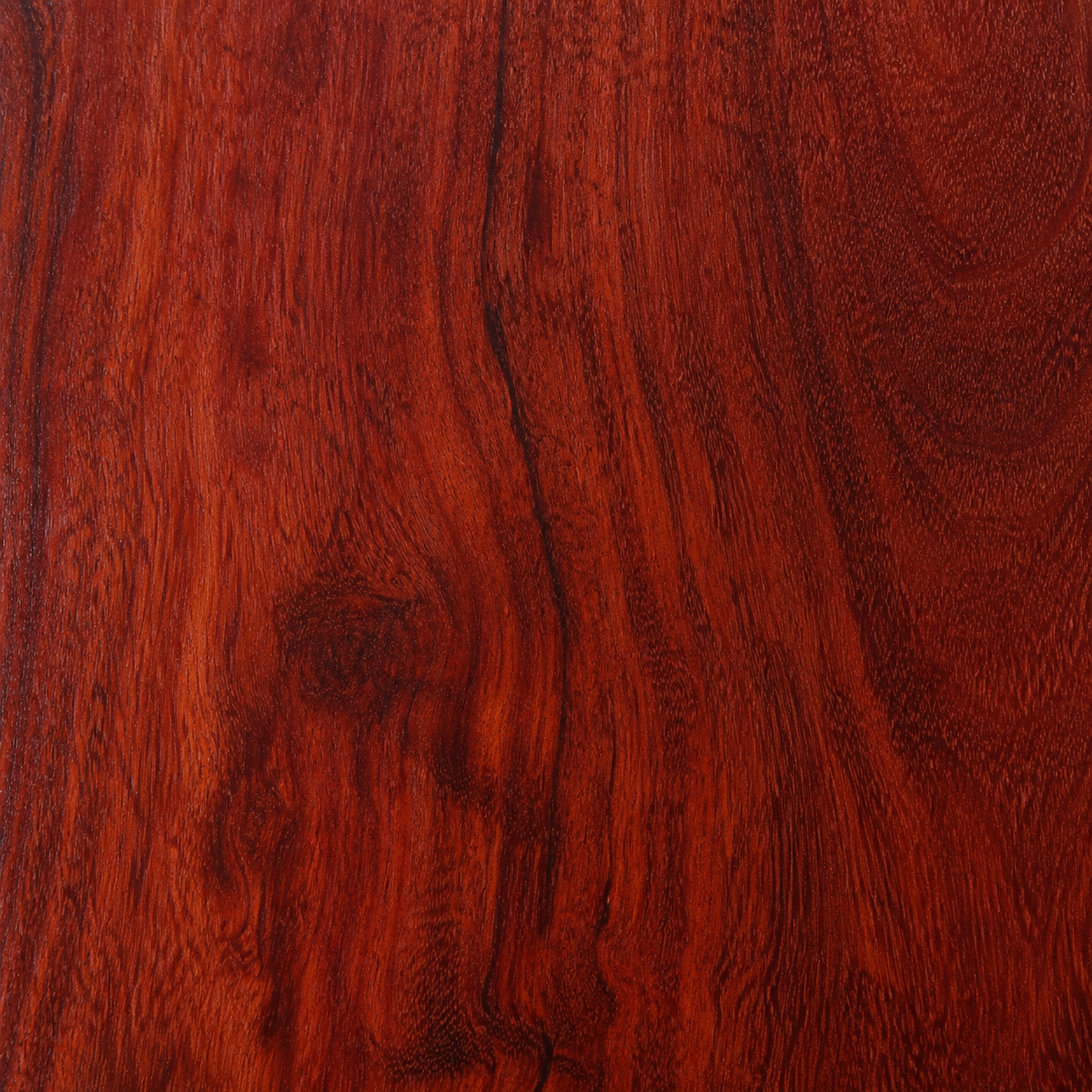
The species grows primarily in seasonally dry woodland and related savanna habitats. Botanical identification depends on leaves, flowers, fruits, bark, and verified locality; wood color alone is not enough to separate it from related bloodwoods and padauks. The heartwood is red to reddish brown, generally deepening with light and age. Grain is straight to interlocked with medium texture. Natural variation, age, cut, lighting, and finish can all change the appearance, so color alone should never be treated as a final identification.
Quick Facts
- Common Name: Brenan’s Bloodwood
- Alternate Common Name(s): Brenan’s Pterocarpus
- Scientific Name: Pterocarpus brenanii
- Region: African Woods
- Tree Size: A small to medium-sized tree; reliable published dimensions are limited
- Average Dried Weight: Reliable published data is unavailable
- Janka Hardness: Reliable published data is unavailable
- Grain: Usually straight to interlocked
- Texture: Medium and even
Identification Characteristics
Look for the combination of red to reddish brown, generally deepening with light and age and straight to interlocked with medium texture. Compare a freshly sanded face-grain surface with end grain under good light. Record provenance, supplier, and botanical name whenever possible, since related tropical species may overlap in color and figure.
- Heartwood and sapwood color boundary
- Pore size and distribution on clean end grain
- Direction of grain and any ribbon or mottled figure
- Texture, luster, weight, and odor when freshly worked
- Verified origin and trade documentation


Working Properties
Workability varies with density and grain direction. Straight-grained stock normally machines more cleanly, while interlocked or figured areas can tear during planing. Use sharp cutters, shallow passes, and controlled feed rates. Test unfamiliar stock before committing valuable boards to a final project.
- Pre-drill near edges and ends to reduce splitting.
- Use effective dust extraction during sawing, routing, sanding, and turning.
- Prepare clean joint surfaces and test the selected adhesive on an offcut.
- Sand progressively and remove torn fibers before finishing.
- Test clear, oil, and film finishes because color can deepen dramatically.
- Dry thick material gradually and store boards with even support and airflow.
Safety Note
Wood dust can irritate the eyes, skin, and respiratory system, and some people develop sensitivity after repeated exposure. Use local dust collection, eye protection, and a properly fitted respirator. Wash exposed skin after machining and keep workshop dust away from living areas.
Common Uses
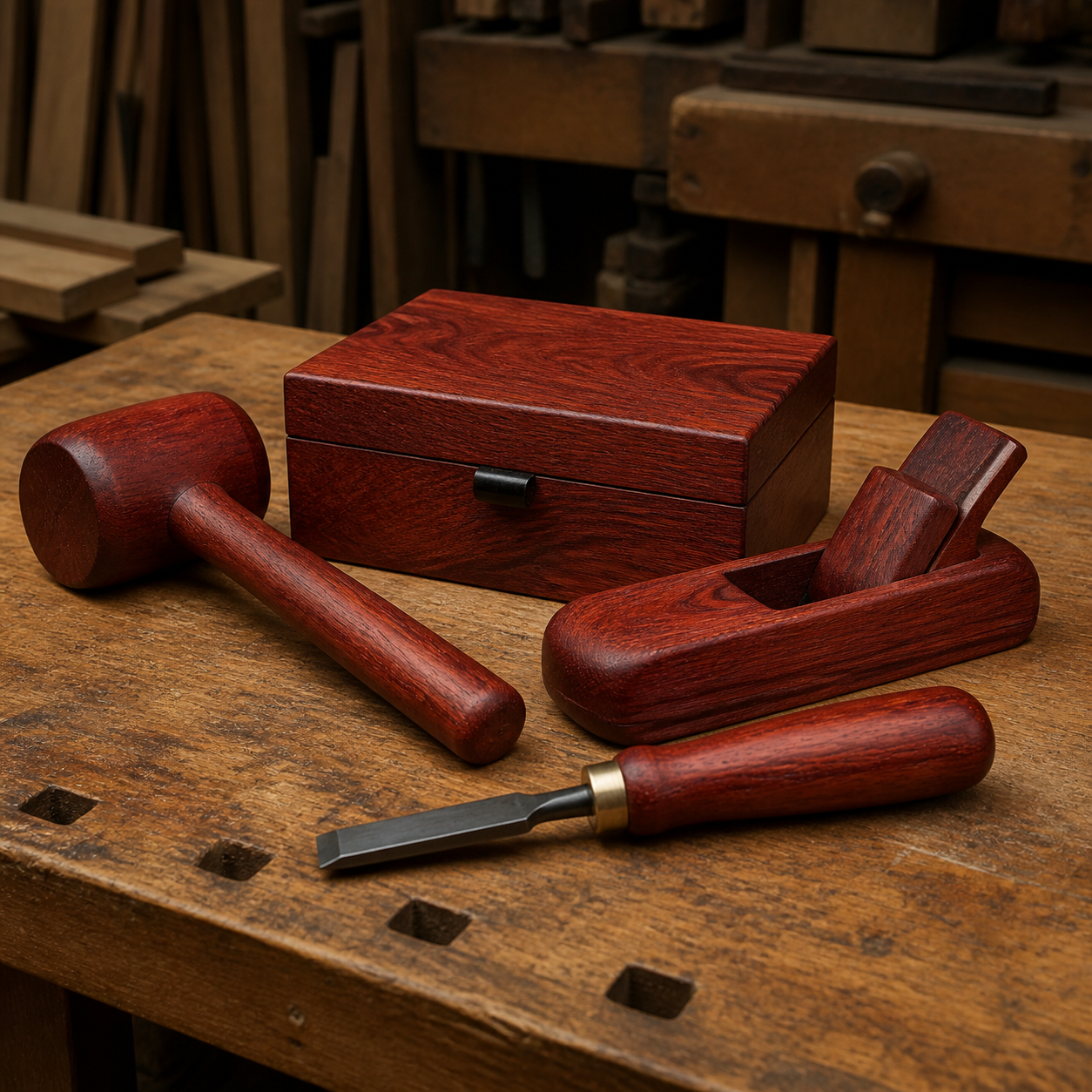
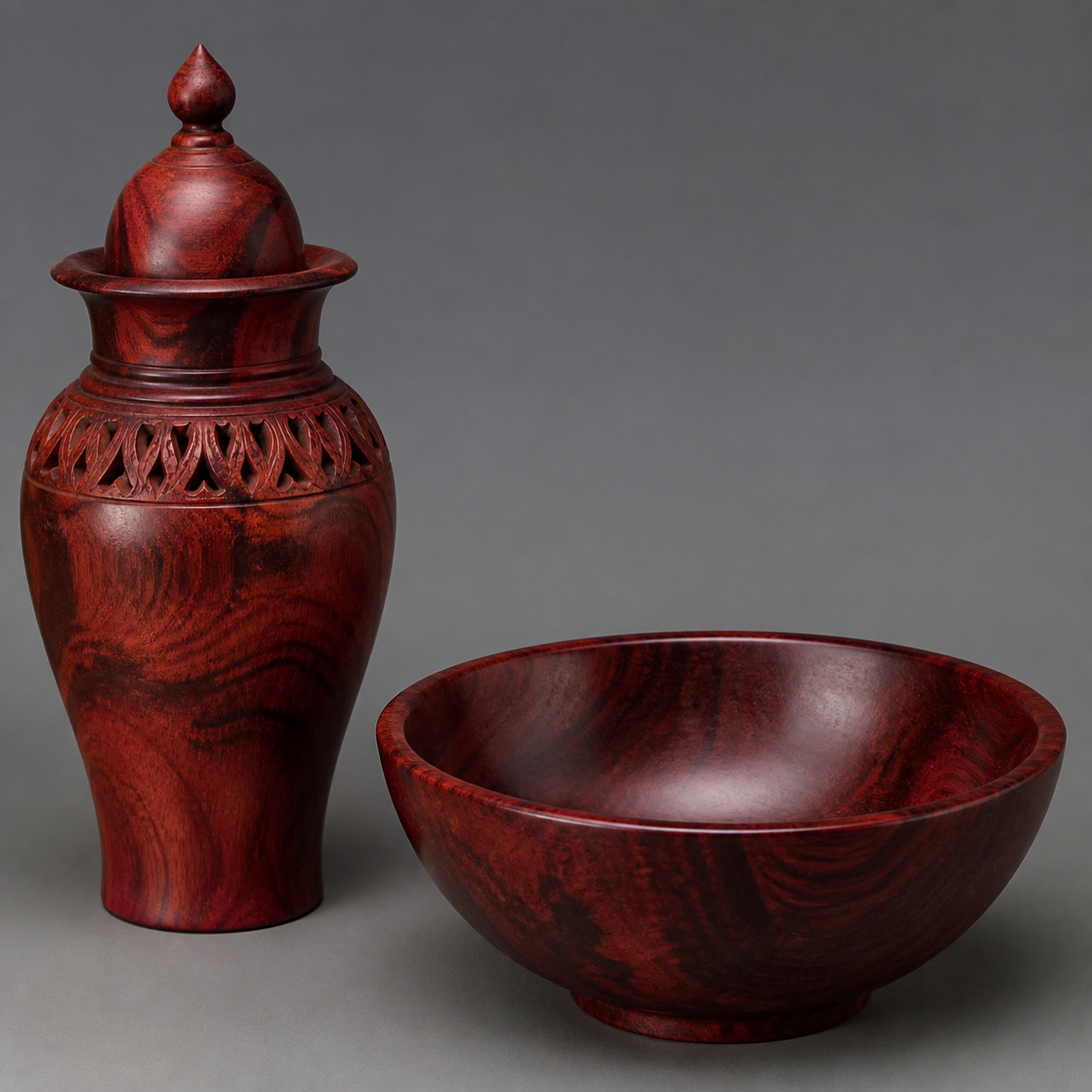
Traditional and modern applications include furniture, joinery, tools and handles, carving, turning, decorative objects, and small specialty work where legally sourced. Suitability depends on board quality, dryness, grain orientation, intended exposure, and the legality and traceability of the material.
Sustainability & Notes
Conservation and trade status should be verified from current national and international sources before harvest or export. Conservation categories and trade rules can change, and national controls may be stricter than international listings. Before purchasing, exporting, or importing material, verify the accepted botanical name, source country, harvest date, chain of custody, and any permits that apply.
Prefer reclaimed wood, plantation material where appropriate, independently certified stock, or inventory with a clear documented history. Use scarce timber efficiently and retain invoices and permits with collector samples.
Comparative Notes & Related Species
Tessmann’s Padauk (Pterocarpus tessmannii) – A related African Pterocarpus valued for red-toned timber.
Round-Leaved Bloodwood (Pterocarpus rotundifolius) – A southern African relative from woodland habitats.
Mukula (Pterocarpus tinctorius) – Another red-producing African Pterocarpus encountered in timber and carving trades.
Related Guides
- Wood Identification
- How to Identify Exotic Hardwood by Grain Pattern
- Wood Density & Janka Hardness Chart
- Understanding CITES & Protected Species
Compare Wood Properties
See how this species ranks in density and hardness using our Wood Density & Janka Hardness Chart. You can also explore Hardest Woods, Softest Woods, and Most Dense Woods for quick comparisons.
Collector Notes
Label each sample with the scientific name, common or trade name, source, purchase date, and documentation reference. Preserve a freshly sanded comparison area away from direct light because many woods darken over time. A useful reference sample shows both face grain and clean end grain.
Share Your Photos of This Species
Have a verified tree photograph, wood sample, board, or finished project? Visit the Share Your Photos Page and include the common name, scientific name if known, location, and a short description.
Wood Sample Collection
This species is part of our growing reference collection. Learn how to contribute at Donate Wood Samples.
Resources
- Royal Botanic Gardens, Kew – Plants of the World Online: Pterocarpus brenanii
- CITES Appendices
- USDA Forest Products Laboratory publications
Love This Species?
Enjoy learning about this wood species?
Help support the continued growth of Exotic Woods of the World by participating in our Adopt a Species program. Your support helps fund species research, educational content, photography, videos, and future conservation awareness initiatives.
Support Forest Conservation
This species is part of the growing Exotic Woods of the World reference archive, dedicated to documenting and preserving knowledge of the world’s wood species.
Through the Adopt a Species program, visitors can help support ongoing species research, educational content, photography, video production, and future conservation awareness initiatives.
Contributions help fund the continued expansion of this archive while promoting sustainable forestry education and the long-term appreciation of the world’s forests.
Interested in supporting this species? Visit our Adopt a Species and Conservation Partners pages to learn more.
Availability & Where to Buy
Exotic hardwood availability can vary significantly depending on region, sustainability regulations, and supplier inventory.
As this archive grows, recommended suppliers and specialty wood retailers will be listed here to help woodworkers locate responsibly sourced material.
Lumber Suppliers:
Availability varies — see the Where to Buy Exotic Woods page for current sources.
Related Tools & Products:
Availability varies — see the Where to Buy Exotic Woods page for current sources.
Share This Wood Species
Stay Connected
Follow the latest species additions, educational resources, videos, conservation initiatives, and major project milestones through our Site Updates archive.
The Site Updates archive provides a permanent record of new content, library growth, and future developments across Exotic Woods of the World.