
Carolina Ash
Scientific name: Fraxinus caroliniana
Overview
Carolina Ash is a small wetland tree of the southeastern United States, also known as Pop Ash or Water Ash. It grows in swamps, river bottoms and other persistently wet places. Its ecological role and distinctive growth form are more important than its contribution to the commercial lumber trade.
The wood is light, soft and weak compared with the heavier ashes commonly selected for furniture and impact-resistant handles. Small, crooked or multiple trunks also limit clear lumber recovery. Carolina Ash is therefore best understood as a specialty collection or occasional local-use wood, rather than a direct replacement for White Ash.
Quick Facts
- Common Name: Carolina Ash
- Alternate Common Names: Pop Ash, Florida Ash, Water Ash
- Scientific Name: Fraxinus caroliniana
- Region: North American Woods — Southeastern United States; the species also occurs in Cuba
- Family: Oleaceae
- Tree Size: Usually a small tree; often around 25 ft (8 m), sometimes 30–50 ft (9–15 m)
- Average Dried Weight: Reliable species-specific dried-weight figure not established
- Janka Hardness: Reliable species-specific Janka figure not established
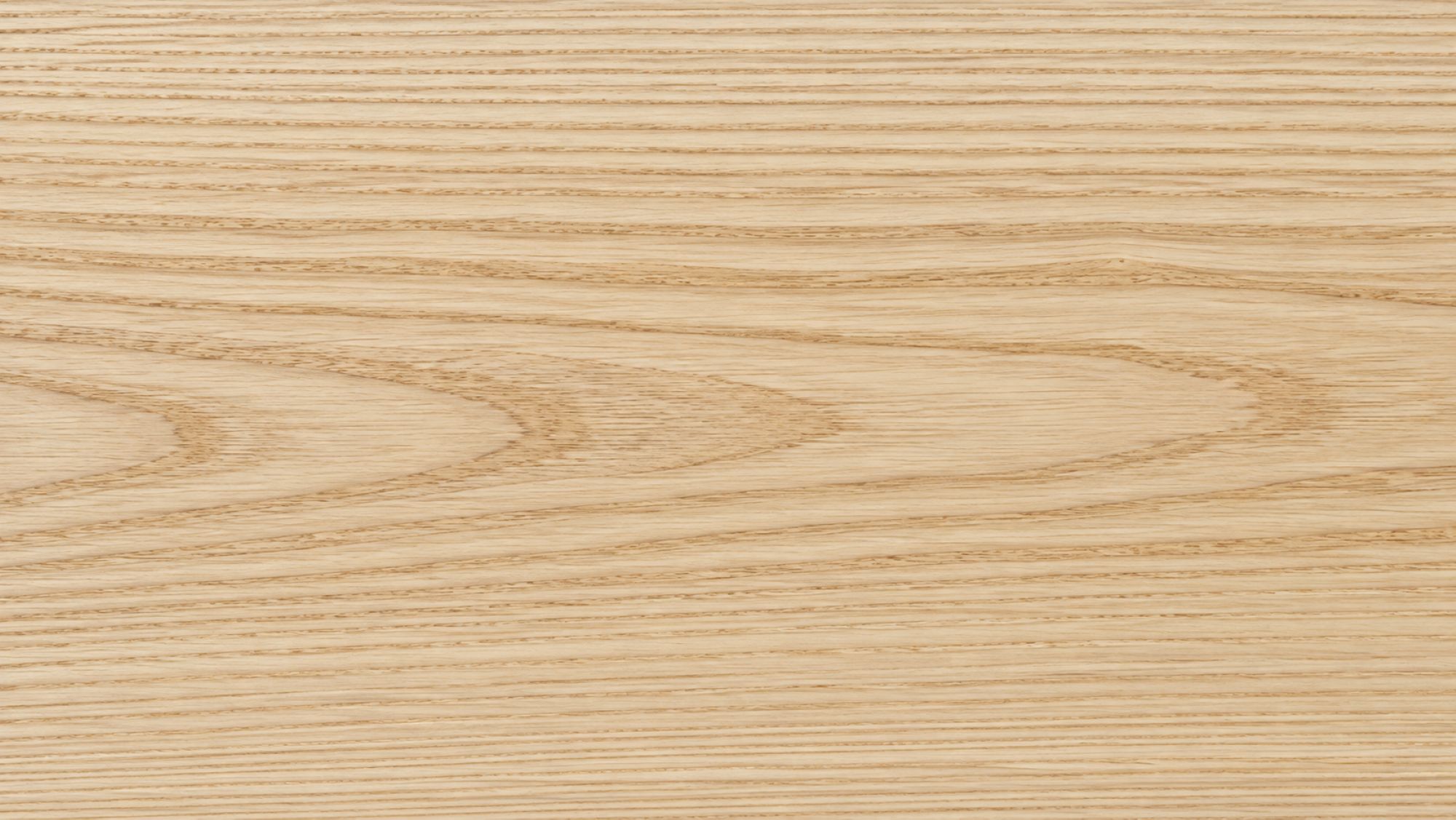
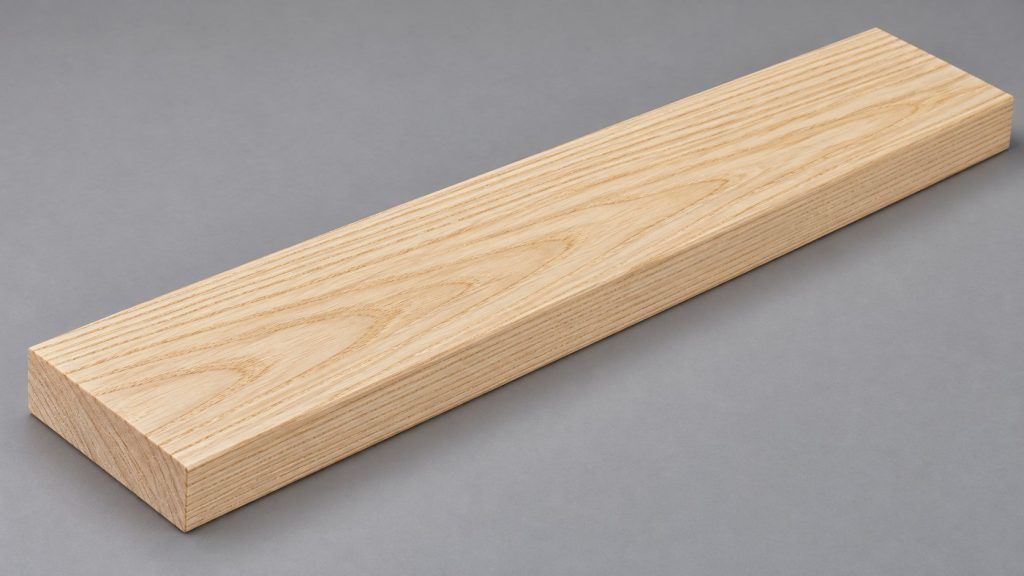
- Color: Yellow-white wood with lighter sapwood
- Grain: Close-grained; often limited by crooked or multiple stems
- Texture: Relatively close-textured for an ash
Identification Characteristics
The wood is described as yellow-white with a lighter sapwood band and a close-grained appearance. A documented specimen is particularly useful because generic descriptions of commercial ash can overstate the weight, hardness and utility of this smaller species.
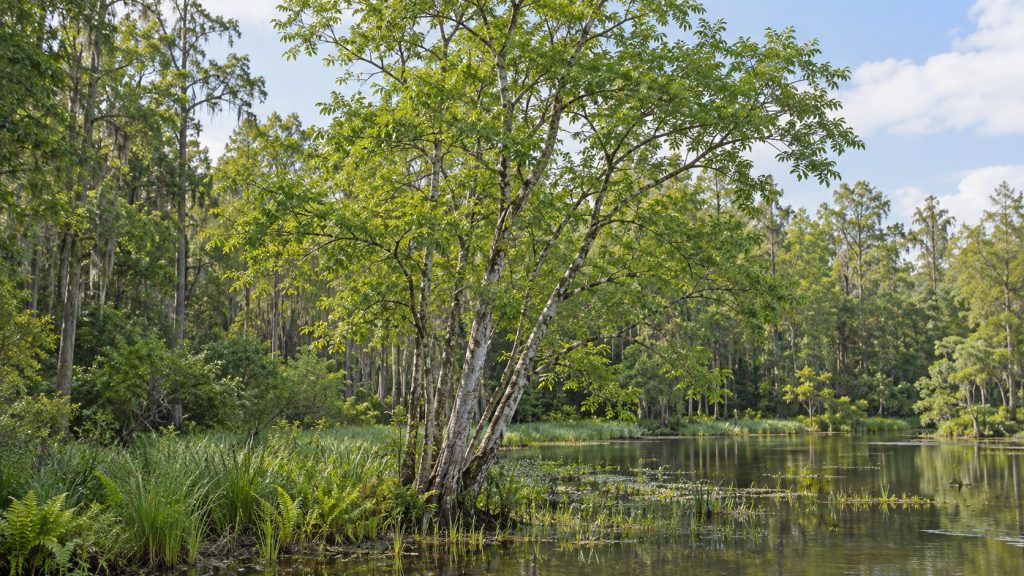
Confirm the source tree before processing. Opposite compound leaves, gray scaly bark and broad winged fruits are useful field evidence. Some fruits develop three wings. A leaning or enlarged base can occur in wet habitats, but neither the habitat nor a “swamp ash” trade label establishes the species.
Key identification traits include:
- Yellow-white wood and lighter sapwood
- Light, soft timber rather than heavy handle stock
- Relatively small sections available from typical trees
- Frequently crooked, leaning or multiple stems
- Opposite compound leaves on the source tree
- Broad samaras, sometimes with three wings
Working Properties
Treat a small recovered piece as trial stock until its behavior is known. Support thin sections, use light cuts and avoid excessive clamping pressure that can dent soft surfaces. Test fastener holding and edge strength on an offcut before choosing joinery for a finished object.
Dry sample-sized pieces with even support and protect them from rapid end drying. Inspect for checks and decay, especially in pieces taken from a wet basal section. There is no basis for transferring a drying schedule, bending claim or strength rating from White Ash to Carolina Ash without testing.
- Use sharp tools and light finishing cuts
- Support fragile edges and short workpieces
- Avoid crushing surfaces with clamps
- Check moisture before fitting small parts
- Test glue and finish on an offcut
- Keep grain runout out of thin components
- Inspect wetland salvage for internal defects
- Reserve untested material for low-stress applications
Safety Note
Wood dust can irritate the skin, eyes and respiratory tract. Use effective dust extraction, eye protection and suitable respiratory protection when machining or sanding. Inspect salvaged material for embedded metal, cracks and decay before cutting, and assess dead standing trees professionally before removal.
Common Uses
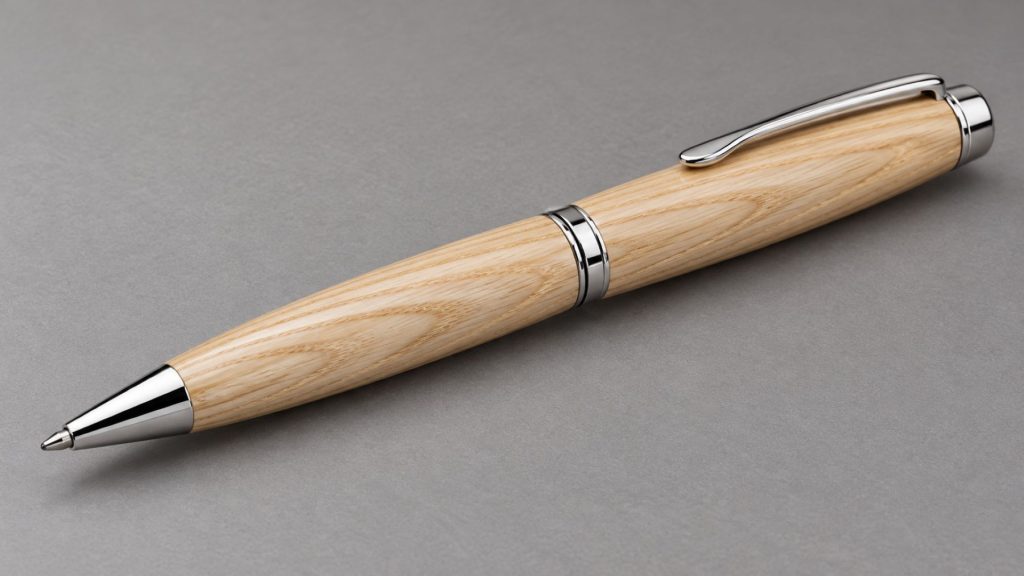
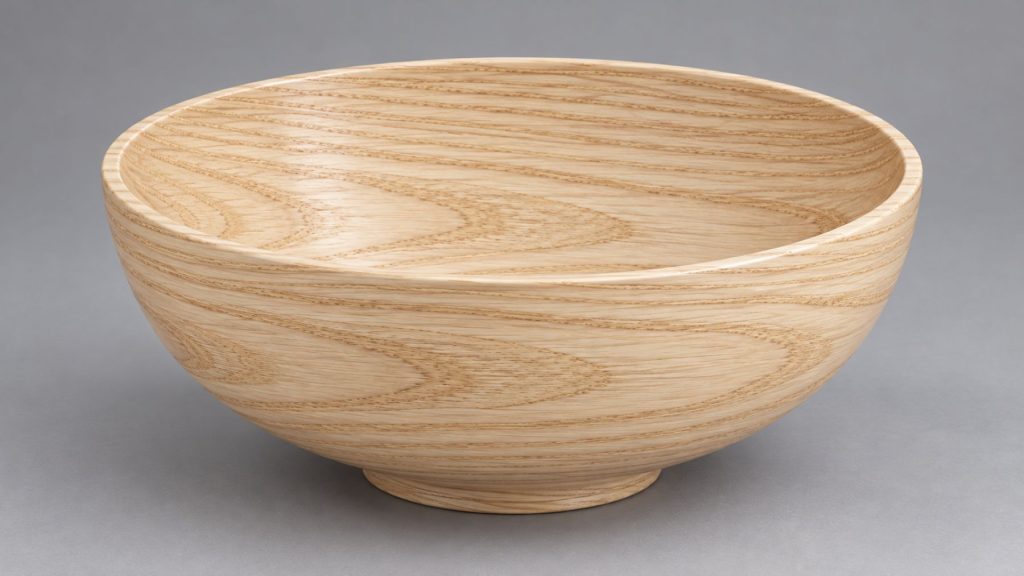
Documented uses include fuelwood and local pulpwood. Historical accounts also record Miccosukee use of stems for pounding or grinding tools and for bows and arrows; these records describe particular traditional practices and should not be read as modern engineering specifications.
For a woodworker or collector today, a verified sample, teaching specimen or small experimental object may be a more realistic use than a wide furniture panel. Material size, condition and traceability determine whether a recovered piece is worth processing.
- Documented reference samples
- Wood anatomy teaching specimens
- Small experimental craft pieces from sound salvage
- Historically recorded local pulpwood
- Historically recorded fuelwood
- Traditional stem uses recorded in ethnobotanical accounts
Sustainability & Notes
Carolina Ash contributes to wetland habitat and provides food and cover for wildlife. Its presence on saturated ground is not a reason to disturb a swamp to obtain a sample. Prefer small documented offcuts or material already removed under an authorized management decision.
Like other true ashes, it is susceptible to emerald ash borer. Follow current local guidance for moving logs, bark and firewood. A lightweight piece offered as “swamp ash” should retain its supplier identification unless the actual species has been verified.
Comparative Notes & Related Species
Related Guides
- Ash Species Guide
- How to Identify Wood by End Grain Patterns
- Moisture Content & Long Term Stability
- Labeling and Cataloging Wood Samples
- Building a Documented Wood Collection
Compare Wood Properties
See how this species ranks in density and hardness using our Wood Density & Janka Hardness Chart. You can also explore Hardest Woods, Softest Woods, and Most Dense Woods for quick comparisons.
Collector Notes
Collect a small sound block with transverse, radial and tangential faces, and retain a separate bark fragment if one is already available. Source-tree photographs are especially valuable for a species rarely sold as identified lumber.
Keep the locality, identification basis and drying history with the specimen. If measuring density, record the sample dimensions and moisture condition rather than treating the result as a universal species average. Documented Carolina Ash adds a useful counterpoint to the heavier commercial ashes.
Share Your Photos of This Species
Do you have lumber, wood samples, tree photographs, woodworking projects, furniture, carvings, turnings, musical instruments, or other items made from this species?
Exotic Woods of the World welcomes photographs from woodworkers, collectors, sawyers, researchers, and wood enthusiasts around the world. Selected submissions may be featured on this page and throughout our website to help document and showcase real-world examples of this species.
When submitting photos, please include the common name, scientific name (if known), a brief description, and any information you would like us to share with the image.
Wood Sample Collection
This species is part of an ongoing effort to document and preserve wood samples from around the world.
Learn more about contributing to the collection:
Resources
Authoritative botanical and forestry references used in compiling information about this species include:
• USDA Forest Service – Wood Handbook: Wood as an Engineering Material
https://www.fpl.fs.usda.gov/products/publications/
• The Wood Database – Global reference for wood identification, physical properties, and woodworking characteristics
https://www.wood-database.com/
• Royal Botanic Gardens, Kew – Plants of the World Online – Botanical taxonomy and species distribution database
https://powo.science.kew.org/
• International Union for Conservation of Nature (IUCN Red List) – Global conservation status assessments
https://www.iucnredlist.org/
• Convention on International Trade in Endangered Species (CITES) – International trade regulations for protected plant species
https://cites.org/
Additional forestry publications, academic research papers, and regional timber studies may also be referenced where available.
Love This Species?
Enjoy learning about this wood species?
Help support the continued growth of Exotic Woods of the World by participating in our Adopt a Species program. Your support helps fund species research, educational content, photography, videos, and future conservation awareness initiatives.
Support Forest Conservation
This species is part of the growing Exotic Woods of the World reference archive, dedicated to documenting and preserving knowledge of the world’s wood species.
Through the Adopt a Species program, visitors can help support ongoing species research, educational content, photography, video production, and future conservation awareness initiatives.
Contributions help fund the continued expansion of this archive while promoting sustainable forestry education and the long-term appreciation of the world’s forests.
Interested in supporting this species? Visit our Adopt a Species and Conservation Partners pages to learn more.
Availability & Where to Buy
Exotic hardwood availability can vary significantly depending on region, sustainability regulations, and supplier inventory.
As this archive grows, recommended suppliers and specialty wood retailers will be listed here to help woodworkers locate responsibly sourced material.
Lumber Suppliers:
Availability varies — see the Where to Buy Exotic Woods page for current sources.
Related Tools & Products:
Availability varies — see the Where to Buy Exotic Woods page for current sources.
Share This Wood Species
Stay Connected
Follow the latest species additions, educational resources, videos, conservation initiatives, and major project milestones through our Site Updates archive.
The Site Updates archive provides a permanent record of new content, library growth, and future developments across Exotic Woods of the World.