
Deodar Cedar
Scientific name: Cedrus deodara
Overview
Deodar Cedar is a true cedar native to the western Himalayan region. It produces an important regional softwood and is also planted widely as an ornamental tree. Indian forestry accounts record its historic use for railway sleepers and other applications requiring durability. The graceful drooping shoots of the living tree help distinguish it from other familiar Cedrus species.
Quick Facts
- Common Name: Deodar Cedar
- Scientific Name: Cedrus deodara
- Family: Pinaceae
- Native Range: Northeastern Afghanistan through the western Himalaya to western Nepal and northwestern India
- Wood Type: Softwood
- Air-Dry Weight: Approximately 460–610 kg/m³ (28–38 lb/ft³) in the Indian forestry identification handbook
- Janka Hardness: Reliable species-specific value not established
- Identification Note: True Himalayan cedar; distinct from other woods traded as cedar
Identification Characteristics
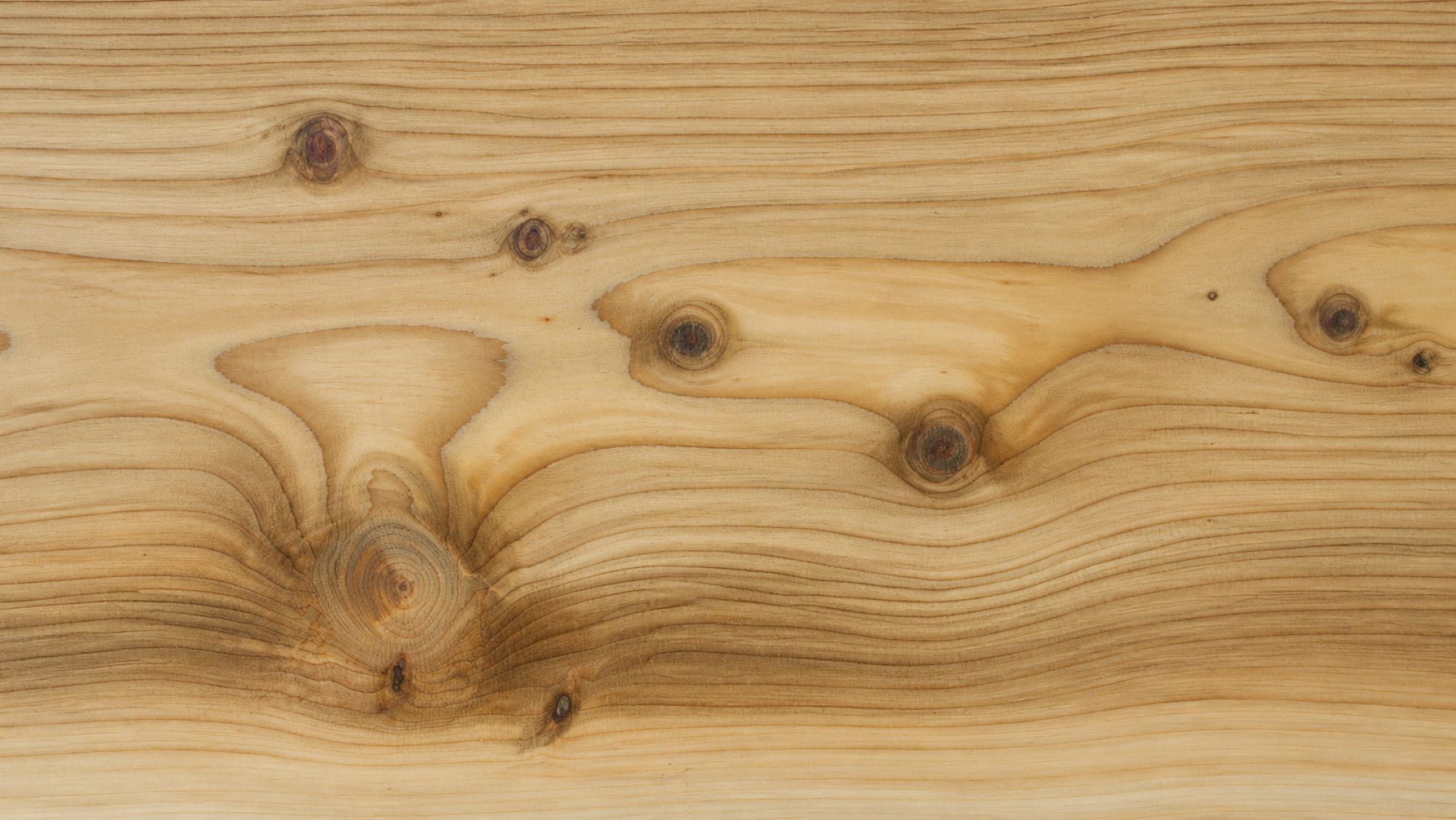
Use tree photographs, cones and provenance to support a wood identification. Indian timber records describe the wood as straight-grained with a medium-fine texture. A cedar common name alone is insufficient because it covers several unrelated genera.
Key identification traits include:
- Pliable needles about 1–2 inches long, many clustered on short shoots.
- Gray-green foliage and characteristically drooping branch tips.
- Upright, barrel-shaped female cones on the upper sides of branches.
- Straight grain and medium-fine wood texture.
- Coniferous end grain rather than the vessel pores of hardwoods.

Working Properties
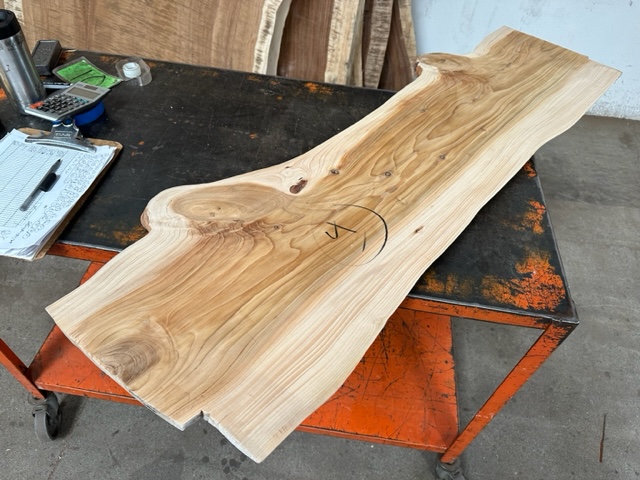
Select stock by grain, knots, moisture content and intended service conditions. Its traditional durability reputation does not establish a structural grade or guarantee the performance of sapwood, damaged material or an unidentified cedar substitute.
- Use sharp cutters and light passes around knots and changes in grain.
- Dry carefully and acclimate before final machining.
- Pre-drill near ends and edges where splitting is a concern.
- Test gluing and finishing on offcuts, and specify graded timber for structural work.
Safety Note
Use effective dust extraction and suitable respiratory and eye protection when machining or sanding. Wood dust can irritate the skin and respiratory tract; stop work if a reaction develops.
Common Uses


Deodar is a valued Himalayan timber. Historic forestry records specifically identify railway sleepers and uses requiring durable wood; present applications should follow current grading and service requirements.
- Traditional durable timber applications.
- Historic railway sleepers.
- Indoor joinery and small craft projects using suitable documented stock.
- Ornamental specimen trees and botanical wood collections.
Sustainability & Notes
Buy traceable timber with legal harvest and transport records. Natural deodar forests are important Himalayan habitats, while forestry agencies also establish plantations and seed-production areas. Confirm source identity rather than assuming that a cedar trade label or durability claim proves the timber is Deodar.
Comparative Notes & Related Species
Related Guides
- Cedar Species Guide
- Best Woods for Outdoor Use
- Wood Movement and Seasonal Expansion Explained
- Drying & Acclimating Exotic Woods
- Labeling and Cataloging Wood Samples
Compare Wood Properties
See how this species ranks in density and hardness using our Wood Density & Janka Hardness Chart. You can also explore Hardest Woods, Softest Woods, and Most Dense Woods for quick comparisons.
Collector Notes
Record the source country, locality and whether the tree was native, plantation-grown or ornamental. Preserve any older name such as Cedrus libani var. deodara as a cross-reference. Keep end-grain images and moisture measurements with density records so samples can be compared meaningfully.
Share Your Photos of This Species
Do you have lumber, wood samples, tree photographs, woodworking projects, furniture, carvings, turnings, musical instruments, or other items made from this species?
Exotic Woods of the World welcomes photographs from woodworkers, collectors, sawyers, researchers, and wood enthusiasts around the world. Selected submissions may be featured on this page and throughout our website to help document and showcase real-world examples of this species.
When submitting photos, please include the common name, scientific name (if known), a brief description, and any information you would like us to share with the image.
Wood Sample Collection
This species is part of an ongoing effort to document and preserve wood samples from around the world.
Learn more about contributing to the collection:
Resources
Authoritative botanical and forestry references used in compiling information about this species include:
• USDA Forest Service – Wood Handbook: Wood as an Engineering Material
https://www.fpl.fs.usda.gov/products/publications/
• The Wood Database – Global reference for wood identification, physical properties, and woodworking characteristics
https://www.wood-database.com/
• Royal Botanic Gardens, Kew – Plants of the World Online – Botanical taxonomy and species distribution database
https://powo.science.kew.org/
• International Union for Conservation of Nature (IUCN Red List) – Global conservation status assessments
https://www.iucnredlist.org/
• Convention on International Trade in Endangered Species (CITES) – International trade regulations for protected plant species
https://cites.org/
Additional forestry publications, academic research papers, and regional timber studies may also be referenced where available.
Love This Species?
Enjoy learning about this wood species?
Help support the continued growth of Exotic Woods of the World by participating in our Adopt a Species program. Your support helps fund species research, educational content, photography, videos, and future conservation awareness initiatives.
Support Forest Conservation
This species is part of the growing Exotic Woods of the World reference archive, dedicated to documenting and preserving knowledge of the world’s wood species.
Through the Adopt a Species program, visitors can help support ongoing species research, educational content, photography, video production, and future conservation awareness initiatives.
Contributions help fund the continued expansion of this archive while promoting sustainable forestry education and the long-term appreciation of the world’s forests.
Interested in supporting this species? Visit our Adopt a Species and Conservation Partners pages to learn more.
Availability & Where to Buy
Exotic hardwood availability can vary significantly depending on region, sustainability regulations, and supplier inventory.
As this archive grows, recommended suppliers and specialty wood retailers will be listed here to help woodworkers locate responsibly sourced material.
Lumber Suppliers:
Availability varies — see the Where to Buy Exotic Woods page for current sources.
Related Tools & Products:
Availability varies — see the Where to Buy Exotic Woods page for current sources.
Share This Wood Species
Stay Connected
Follow the latest species additions, educational resources, videos, conservation initiatives, and major project milestones through our Site Updates archive.
The Site Updates archive provides a permanent record of new content, library growth, and future developments across Exotic Woods of the World.