
Green Ash
Scientific name: Fraxinus pennsylvanica
Overview
Green Ash is a widespread North American hardwood associated with river bottoms, floodplains and stream banks. Also called Red Ash, it belongs to the olive family and produces pale, strongly patterned wood used for furniture, handles and utility work. Its common name identifies the species; it does not mean the lumber is unseasoned.
The wood combines useful strength and resilience with an open, ring-porous texture. It is often marketed with White Ash, although the two species do not have identical average mechanical properties. Green Ash remains a useful choice for indoor projects where visible grain and resistance to repeated impacts matter.
Quick Facts
- Common Name: Green Ash
- Alternate Common Name: Red Ash
- Scientific Name: Fraxinus pennsylvanica
- Region: North American Woods — eastern and central United States and southern Canada
- Family: Oleaceae
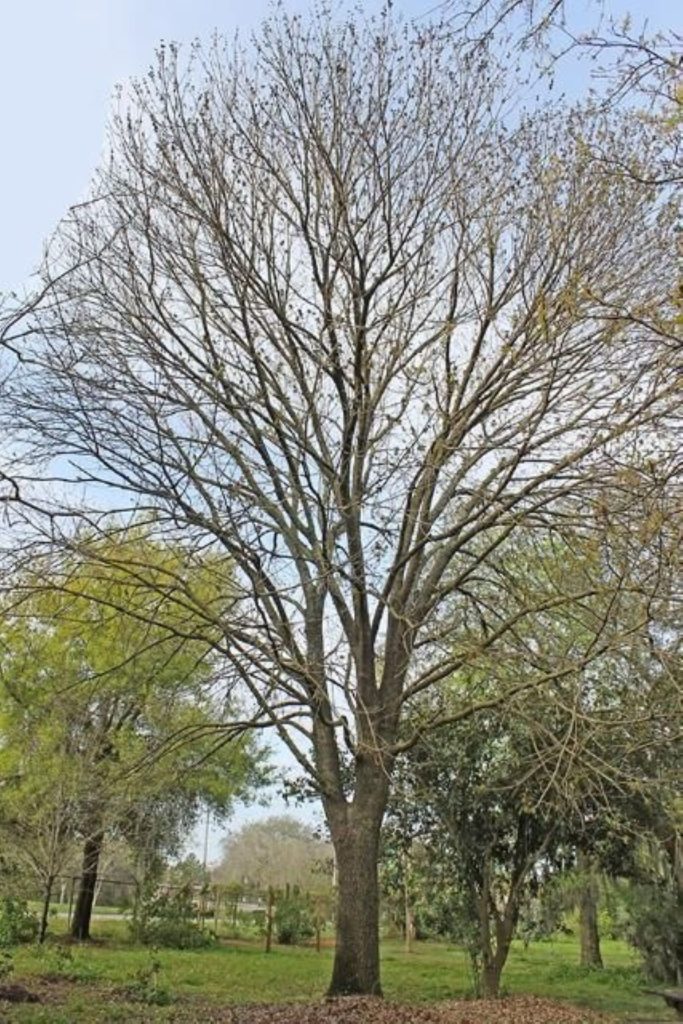
- Tree Size: Commonly 50–60 ft (15–18 m) tall and 18–24 in (0.45–0.6 m) trunk diameter; larger on favorable southern sites
- Average Dried Weight: Approximately 40 lb/ft³ (640 kg/m³)
- Janka Hardness: Approximately 1,200 lbf (5,340 N)
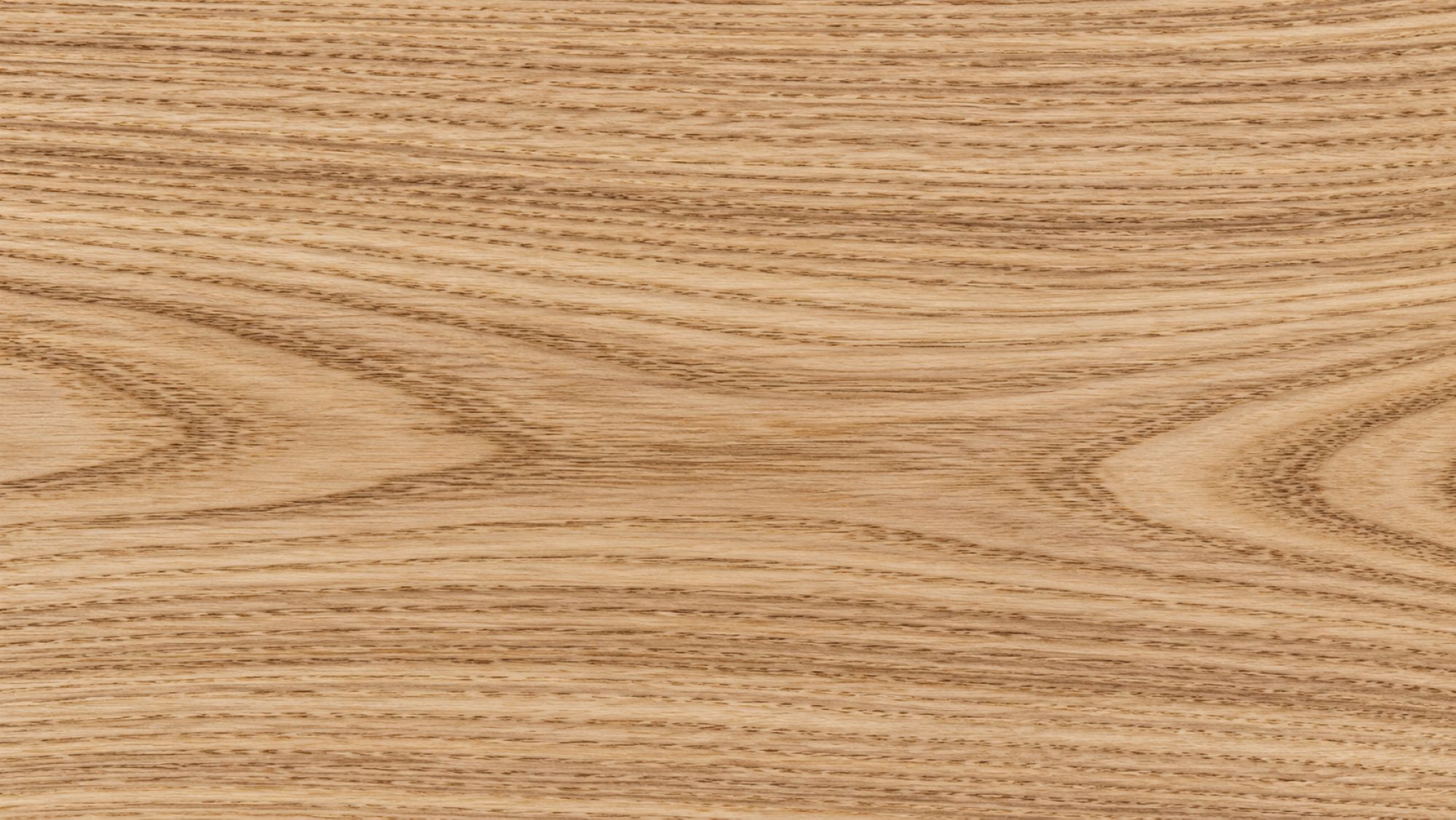
- Color: White to pale sapwood with light brown heartwood
- Grain: Usually straight, with pronounced growth-ring patterns
- Texture: Medium to coarse and open-pored
Identification Characteristics
Green Ash has a light overall appearance, with a variable boundary between its pale sapwood and browner heartwood. On a clean end-grain surface, large earlywood pores form conspicuous bands at the beginning of each growth ring, followed by smaller latewood pores.
Flatsawn boards can show broad, sweeping growth-ring figures, while straighter cuts produce a more linear appearance. Ash lacks the broad, conspicuous rays associated with oak. Color and pore structure help identify the ash group, but separating Green Ash from White Ash by lumber appearance alone is unreliable; source-tree records are valuable.
Key identification traits include:
- White or pale sapwood and light brown heartwood
- Ring-porous structure with large earlywood pores
- Distinct annual growth rings
- Generally straight grain and an open texture
- Fine rays without prominent oak-like ray fleck
- Opposite compound leaves and diamond-patterned bark on the source tree

Working Properties
Green Ash is useful where toughness and bending ability are important. It generally responds well to ordinary woodworking methods, but clean stock selection matters: knots, grain runout and decay can undermine components exposed to stress.
Use sharp tools and controlled cuts to avoid lifting fibers around grain changes. Its open pores remain visible under a clear finish unless filled, making surface preparation and finish testing important when a smooth, closed-pore appearance is desired. Allow for seasonal movement in wide panels and fitted joinery.
- Machines and turns with sharp tools
- Good bending qualities in suitable, properly prepared stock
- Useful shock resistance for handles and utility components
- Pre-drill near ends and edges to reduce splitting
- Prepare clean joints and test adhesive performance on offcuts
- Use pore filler when a level, glass-smooth finish is desired
- Acclimate before final sizing and allow for movement
- Low natural decay resistance; best kept indoors unless appropriately protected
Safety Note
Wood dust can irritate the eyes, skin and respiratory tract. Use effective dust extraction, eye protection and suitable respiratory protection during machining and sanding. Inspect salvaged stock for embedded metal, decay and cracks before cutting.
Common Uses
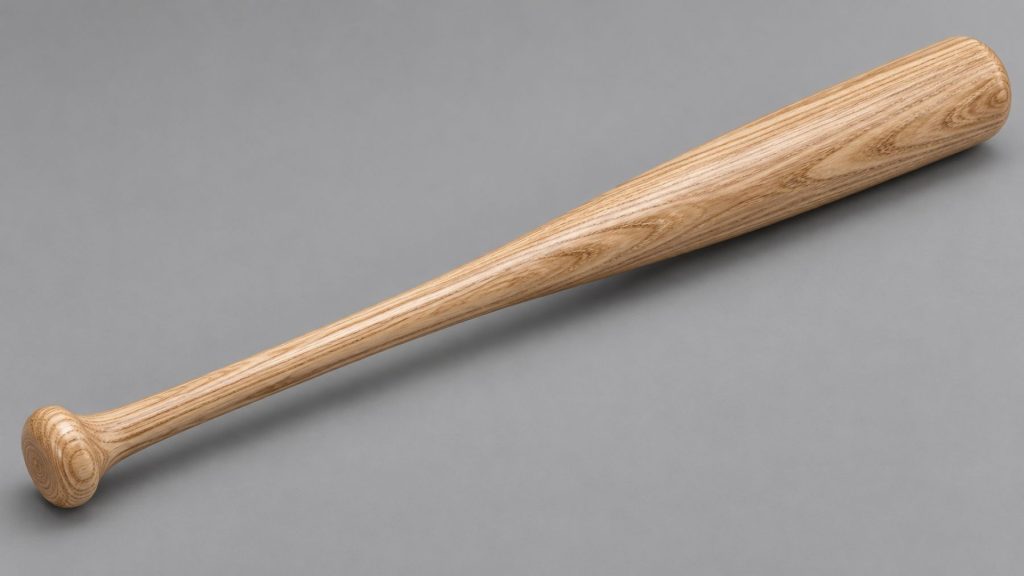
Green Ash is used for practical hardwood products that benefit from strength, resilience and a pronounced grain pattern. Forestry accounts specifically record handles and baseball bats, although White Ash has traditionally been preferred for demanding bat stock.
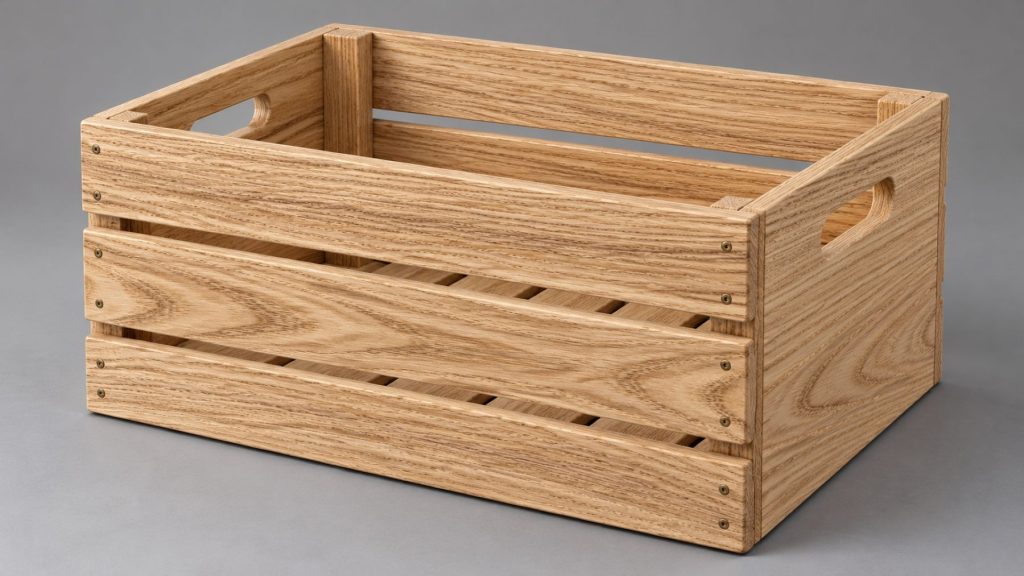
Sound boards can also serve in furniture, containers and interior woodworking. Select material for the application rather than assuming all ash lumber has the same weight, grain quality or performance.
- Tool and agricultural implement handles
- Furniture and chair components
- Interior joinery and millwork
- Turned objects and small woodworking projects
- Boxes, crates and other containers
- Selected sporting goods, including traditional baseball bats
- Bent components made from suitable clear stock
Sustainability & Notes
Emerald ash borer has caused extensive ash mortality in North America and is a major concern for Green Ash. Responsible sourcing should account for both the condition of local forests and the origin of the timber. Salvaging sound wood from authorized removals can retain material value, but standing dead trees require professional assessment before removal.
Keep processing and transport records with salvaged ash. Follow current state, provincial and local requirements for logs, bark and firewood; moving untreated material can spread pests. A living tree’s tolerance of wet soil does not mean its lumber resists decay in outdoor service.
Comparative Notes & Related Species
Related Guides
- Ash Species Guide
- How to Identify Wood by End Grain Patterns
- Understanding Wood Strength: What Makes Wood Strong?
- Wood Movement and Seasonal Expansion Explained
- Best Woods for Furniture Making
Compare Wood Properties
See how this species ranks in density and hardness using our Wood Density & Janka Hardness Chart. You can also explore Hardest Woods, Softest Woods, and Most Dense Woods for quick comparisons.
Collector Notes
A documented Green Ash sample is especially useful beside White Ash because their wood can look very similar. Preserve transverse, radial and tangential views, and note sapwood versus heartwood, growth-ring width and the source tree’s location.
Record whether the specimen came from a healthy tree, storm salvage or an emerald ash borer removal. Pest galleries near the bark may be informative, but they do not establish that the interior wood is sound. Keep the species identification and drying history with each sample rather than relying on an undifferentiated “ash” label.
Share Your Photos of This Species
Do you have lumber, wood samples, tree photographs, woodworking projects, furniture, carvings, turnings, musical instruments, or other items made from this species?
Exotic Woods of the World welcomes photographs from woodworkers, collectors, sawyers, researchers, and wood enthusiasts around the world. Selected submissions may be featured on this page and throughout our website to help document and showcase real-world examples of this species.
When submitting photos, please include the common name, scientific name (if known), a brief description, and any information you would like us to share with the image.
Wood Sample Collection
This species is part of an ongoing effort to document and preserve wood samples from around the world.
Learn more about contributing to the collection:
Resources
Authoritative botanical and forestry references used in compiling information about this species include:
• USDA Forest Service – Wood Handbook: Wood as an Engineering Material
https://www.fpl.fs.usda.gov/products/publications/
• The Wood Database – Global reference for wood identification, physical properties, and woodworking characteristics
https://www.wood-database.com/
• Royal Botanic Gardens, Kew – Plants of the World Online – Botanical taxonomy and species distribution database
https://powo.science.kew.org/
• International Union for Conservation of Nature (IUCN Red List) – Global conservation status assessments
https://www.iucnredlist.org/
• Convention on International Trade in Endangered Species (CITES) – International trade regulations for protected plant species
https://cites.org/
Additional forestry publications, academic research papers, and regional timber studies may also be referenced where available.
Love This Species?
Enjoy learning about this wood species?
Help support the continued growth of Exotic Woods of the World by participating in our Adopt a Species program. Your support helps fund species research, educational content, photography, videos, and future conservation awareness initiatives.
Support Forest Conservation
This species is part of the growing Exotic Woods of the World reference archive, dedicated to documenting and preserving knowledge of the world’s wood species.
Through the Adopt a Species program, visitors can help support ongoing species research, educational content, photography, video production, and future conservation awareness initiatives.
Contributions help fund the continued expansion of this archive while promoting sustainable forestry education and the long-term appreciation of the world’s forests.
Interested in supporting this species? Visit our Adopt a Species and Conservation Partners pages to learn more.
Availability & Where to Buy
Exotic hardwood availability can vary significantly depending on region, sustainability regulations, and supplier inventory.
As this archive grows, recommended suppliers and specialty wood retailers will be listed here to help woodworkers locate responsibly sourced material.
Lumber Suppliers:
Availability varies — see the Where to Buy Exotic Woods page for current sources.
Related Tools & Products:
Availability varies — see the Where to Buy Exotic Woods page for current sources.
Share This Wood Species
Stay Connected
Follow the latest species additions, educational resources, videos, conservation initiatives, and major project milestones through our Site Updates archive.
The Site Updates archive provides a permanent record of new content, library growth, and future developments across Exotic Woods of the World.