
Grey Box
Scientific name: Eucalyptus microcarpa
Overview
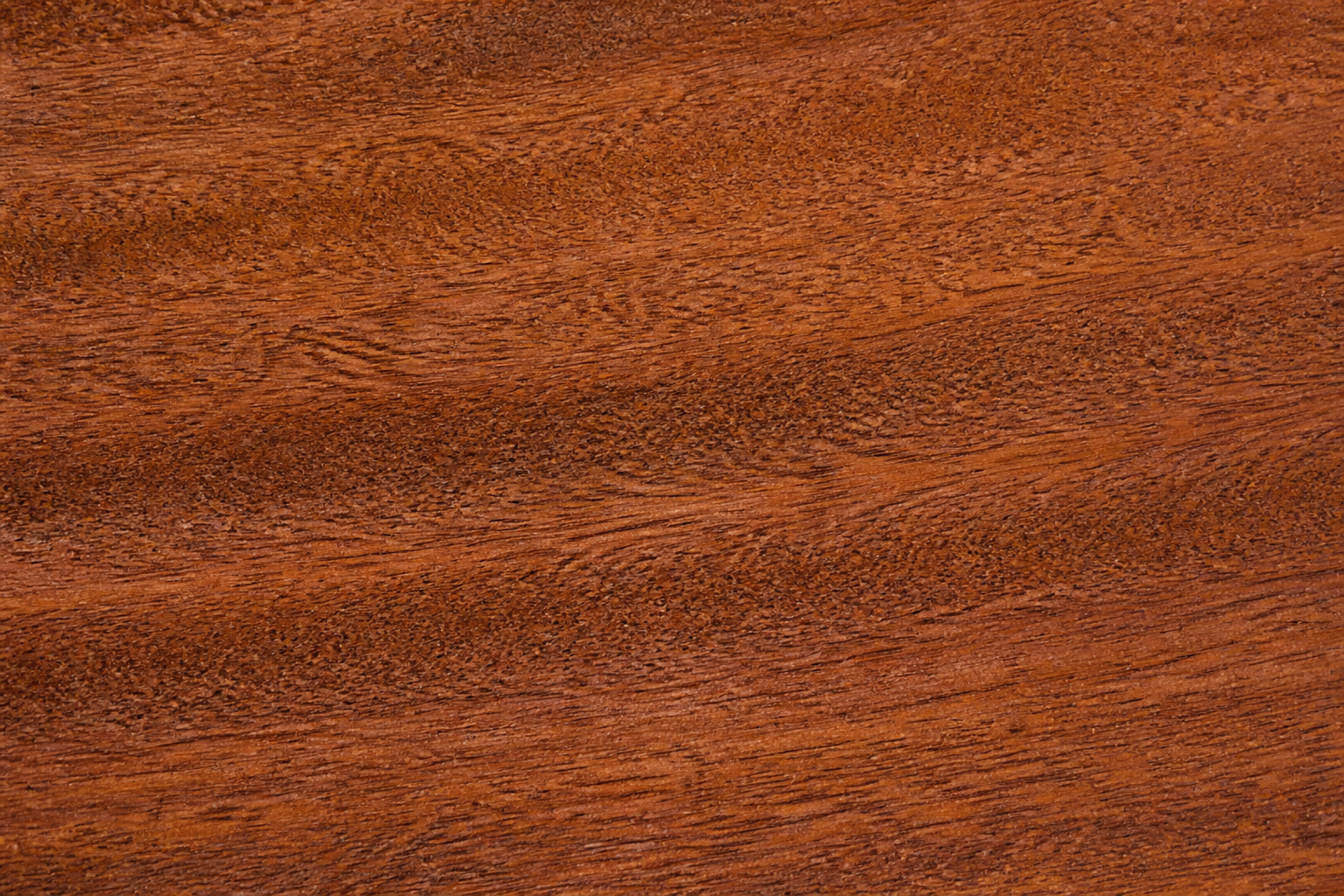
Grey Box (Eucalyptus microcarpa) is a medium-sized eucalyptus of dry woodlands across southeastern Australia. It is recognized by its persistent gray fibrous “box” bark and produces exceptionally dense, hard, durable reddish-brown timber. The wood is traditionally used where strength and wear resistance are essential, including flooring, sleepers, bridge work, posts, poles, and heavy construction.
Quick Facts
- Common Name: Grey Box
- Alternate Common Name(s): Narrow-Leaved Box, Inland Grey Box
- Scientific Name: Eucalyptus microcarpa
- Region: Oceania & Pacific Woods
- Tree Size: Typically 50–80 ft (15–25 m) tall, occasionally taller
- Average Dried Weight: Approximately 70 lb/ft³ (1,120 kg/m³)
- Janka Hardness: Approximately 2,930 lbf (13,030 N)
- Grain: Usually interlocked
- Texture: Fine to medium and even
Identification Characteristics
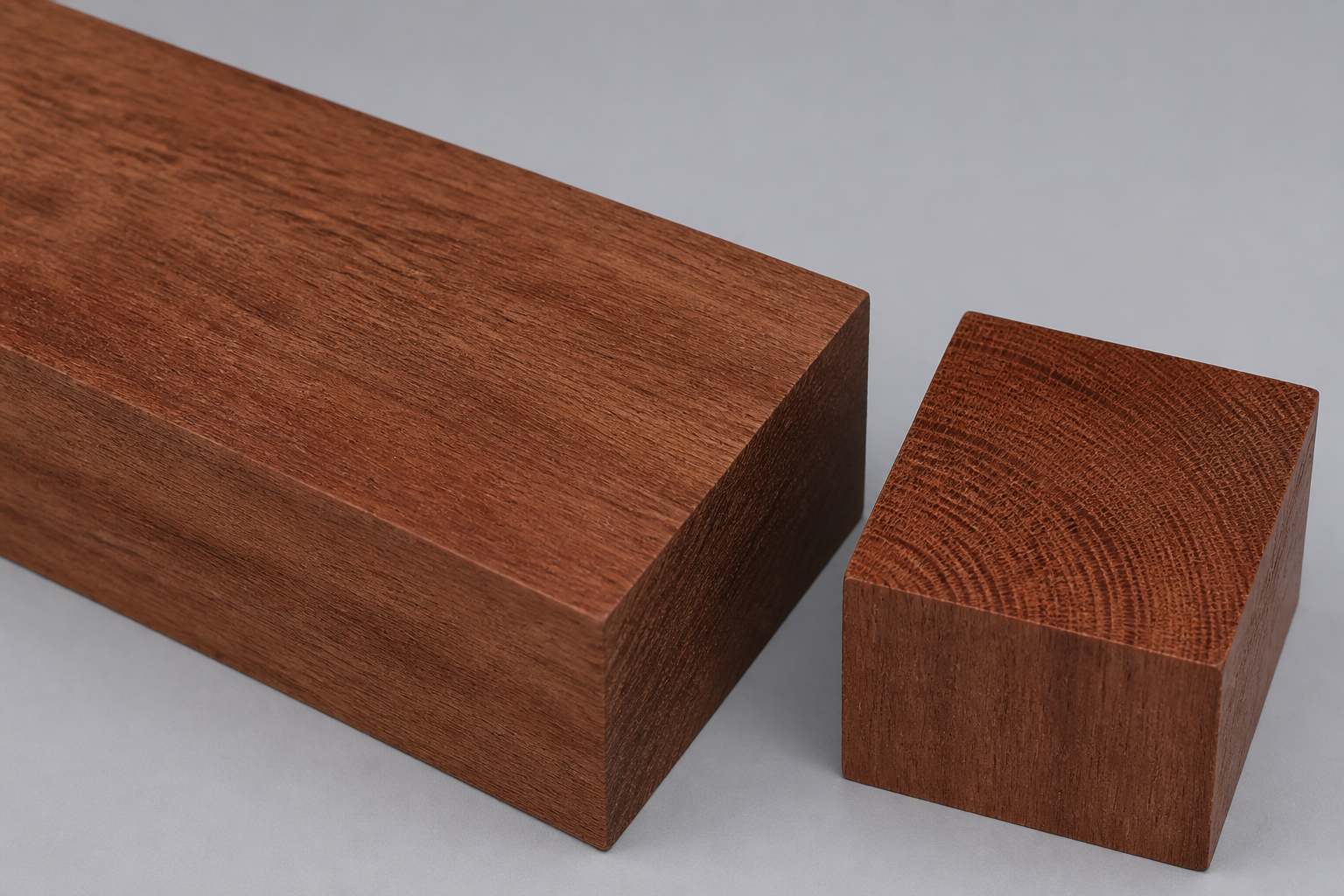
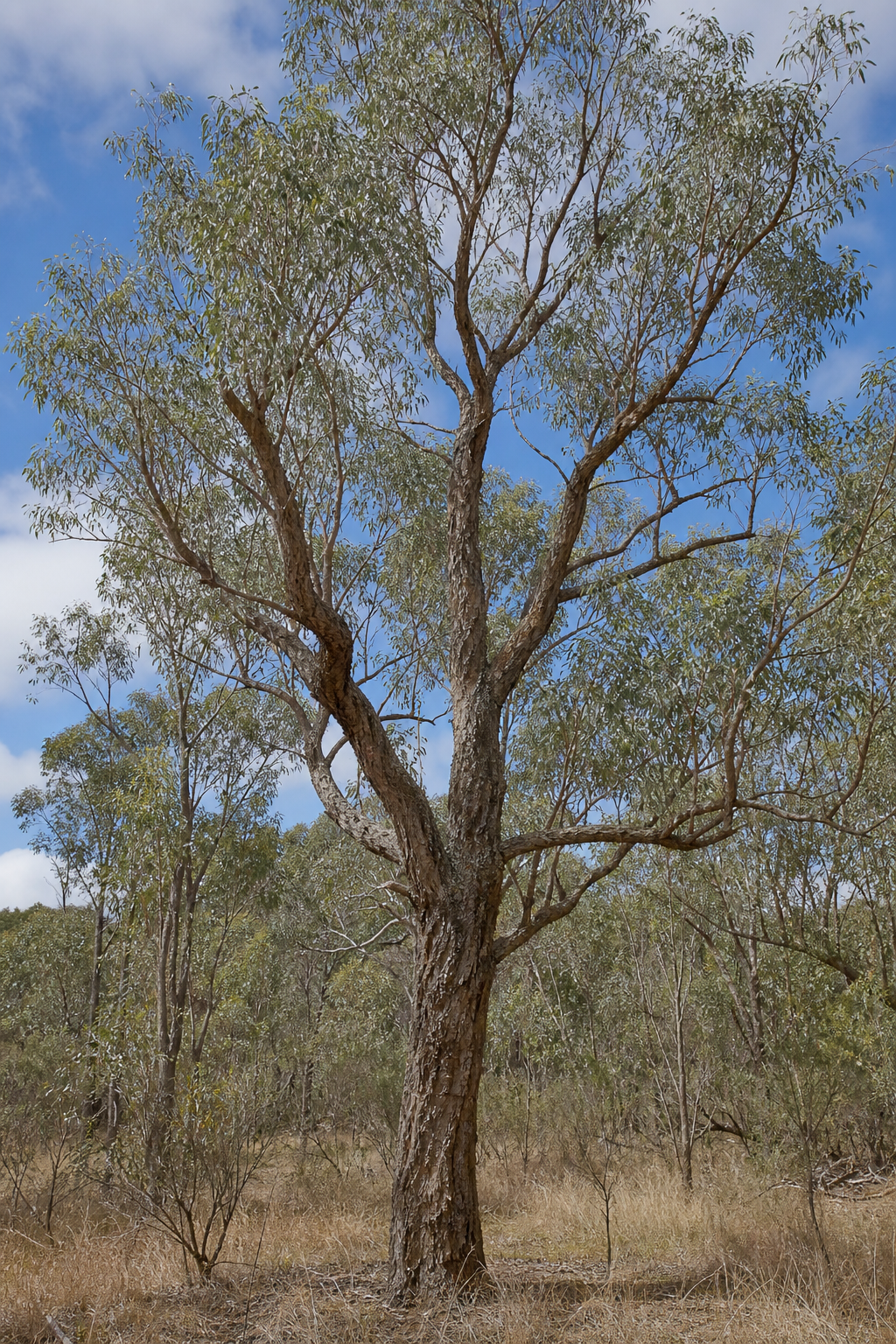
Grey Box has rough gray fibrous bark retained on the trunk and larger branches, an open irregular crown, and narrow dull gray-green adult leaves. The dense heartwood ranges from light brown to deep reddish brown, with fine-to-medium texture and commonly interlocked grain.
Key identification traits include:
- Persistent rough fibrous gray box bark on trunk and major branches
- Juvenile leaves narrow to lance-shaped and dull green
- Adult leaves narrow, dull gray-green, and often slightly curved
- Small white flowers borne in clustered umbels
- Small cup-shaped to cylindrical woody fruit
- Dense reddish-brown heartwood with fine-to-medium texture and interlocked grain
Working Properties
Grey Box is an exceptionally dense, hard timber. Its interlocked grain can make machining demanding, and careful drying is important because shrinkage can be substantial. Once properly seasoned and surfaced, the pale timber can produce durable structural components and attractive furniture.
- Use sharp carbide tooling and modest feed rates to manage the high density.
- Interlocked grain can tear during planing; light cuts and high cutting angles improve results.
- Pre-drill fastener holes to reduce splitting and excessive tool wear.
- Dry under a controlled schedule to limit checking, distortion, and shrinkage.
- Finishes well after thorough sanding and careful surface preparation.
Safety Note
As with other hardwoods, avoid breathing Grey Box dust during sawing, routing, turning, or sanding. Use effective dust extraction, suitable respiratory and eye protection, and wash exposed skin after handling. Dense timber can also generate considerable heat during machining, so keep cutters sharp and work at controlled feed rates.
Common Uses

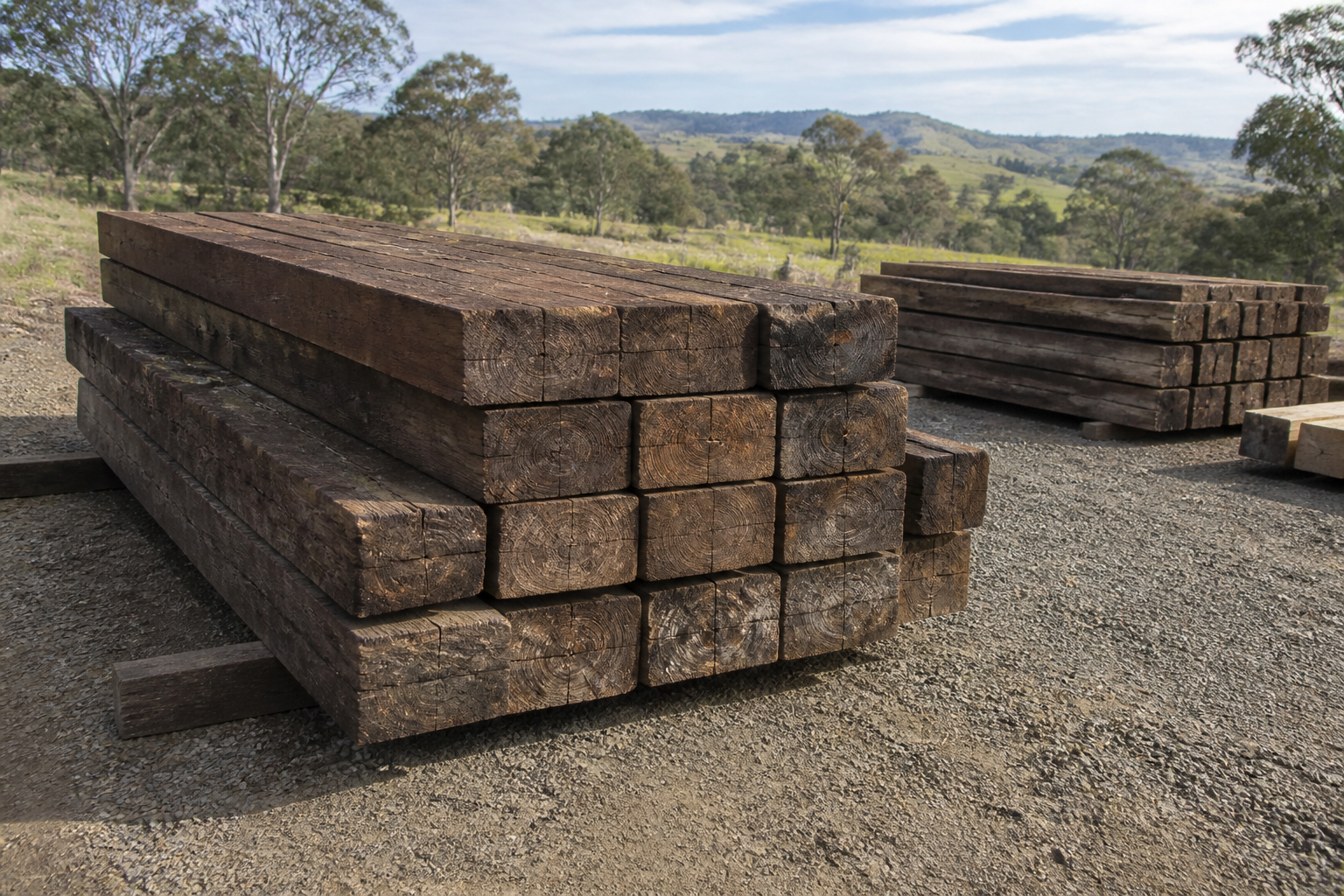
Grey Box is extremely hard, heavy, and durable. It is demanding to machine but excels in high-wear and structural applications.
- Hardwearing flooring and industrial decking, bridge decking, posts, poles, and farm structures
- Heavy engineering and structural construction
- Railway sleepers
- Flooring and durable interior joinery
- Furniture and specialty work where weight is acceptable
- Fuelwood and charcoal
Sustainability & Notes
Grey Box remains widespread but many woodland communities containing the species have been fragmented by agriculture and development. Timber should come from legal, documented forestry, plantation, salvage, or land-clearing recovery sources, with preference for credible certification where available.
Comparative Notes & Related Species
- River Red Gum – A widespread Australian eucalyptus with distinctly redder heartwood, providing a useful comparison in color, habitat, and commercial use.
- Sydney Blue Gum – A tall eastern Australian species whose pink to reddish-brown timber contrasts with Grey Box’s paler, denser wood.
- Tallowwood – Another dense Australian utility hardwood, useful for comparing color, durability, and exterior performance.
- Blackbutt – A major structural timber with generally lighter weight and broader commercial availability than Grey Box.
Related Guides
- Eucalyptus Species Overview – Compare Grey Box with other eucalyptus species and review the identification features shared across the group.
- Oceania & Pacific Woods – Explore hardwoods native to Australia, New Zealand, and neighboring Pacific regions.
- Understanding Interlocked vs. Straight Grain – Learn how grain direction affects machining, strength, figure, and surface quality.
- Preventing Tear-Out in Interlocked Grain – Review practical techniques for cleaner planing and routing of reversing grain.
- Plantation vs. Wild-Harvested Hardwoods – Understand how timber origin affects availability, growth characteristics, sustainability, and sourcing.
Compare Wood Properties
See how this species ranks in density and hardness using our Wood Density & Janka Hardness Chart. You can also explore Hardest Woods, Softest Woods, and Most Dense Woods for quick comparisons.
Collector Notes
Grey Box is a valuable reference sample for collectors because its pale color and exceptional density challenge the assumption that very heavy Australian eucalypts are always dark red. A documented specimen should include face grain and end grain, geographic origin, tree age if known, and whether the material came from a plantation, farm shelterbelt, salvage source, or the restricted native range.
Share Your Photos of This Species
Do you have lumber, wood samples, tree photographs, woodworking projects, furniture, carvings, turnings, musical instruments, or other items made from this species?
Exotic Woods of the World welcomes photographs from woodworkers, collectors, sawyers, researchers, and wood enthusiasts around the world. Selected submissions may be featured on this page and throughout our website to help document and showcase real-world examples of this species.
When submitting photos, please include the common name, scientific name (if known), a brief description, and any information you would like us to share with the image.
Wood Sample Collection
This species is part of an ongoing effort to document and preserve wood samples from around the world.
Learn more about contributing to the collection:
Resources
Authoritative botanical and forestry references used in compiling information about this species include:
• USDA Forest Service – Wood Handbook: Wood as an Engineering Material
https://www.fpl.fs.usda.gov/products/publications/
• The Wood Database – Global reference for wood identification, physical properties, and woodworking characteristics
https://www.wood-database.com/
• Royal Botanic Gardens, Kew – Plants of the World Online – Botanical taxonomy and species distribution database
https://powo.science.kew.org/
• International Union for Conservation of Nature (IUCN Red List) – Global conservation status assessments
https://www.iucnredlist.org/
• Convention on International Trade in Endangered Species (CITES) – International trade regulations for protected plant species
https://cites.org/
Additional forestry publications, academic research papers, and regional timber studies may also be referenced where available.
Love This Species?
Enjoy learning about this wood species?
Help support the continued growth of Exotic Woods of the World by participating in our Adopt a Species program. Your support helps fund species research, educational content, photography, videos, and future conservation awareness initiatives.
Support Forest Conservation
This species is part of the growing Exotic Woods of the World reference archive, dedicated to documenting and preserving knowledge of the world’s wood species.
Through the Adopt a Species program, visitors can help support ongoing species research, educational content, photography, video production, and future conservation awareness initiatives.
Contributions help fund the continued expansion of this archive while promoting sustainable forestry education and the long-term appreciation of the world’s forests.
Interested in supporting this species? Visit our Adopt a Species and Conservation Partners pages to learn more.
Availability & Where to Buy
Exotic hardwood availability can vary significantly depending on region, sustainability regulations, and supplier inventory.
As this archive grows, recommended suppliers and specialty wood retailers will be listed here to help woodworkers locate responsibly sourced material.
Lumber Suppliers:
Availability varies — see the Where to Buy Exotic Woods page for current sources.
Related Tools & Products:
Availability varies — see the Where to Buy Exotic Woods page for current sources.
Share This Wood Species
Stay Connected
Follow the latest species additions, educational resources, videos, conservation initiatives, and major project milestones through our Site Updates archive.
The Site Updates archive provides a permanent record of new content, library growth, and future developments across Exotic Woods of the World.