

Hayata’s Beech
Scientific name: Fagus pashanica
Overview
This profile uses Hayata’s Beech for the mainland Chinese species Fagus pashanica. Kew accepts it separately from Taiwan’s Fagus hayatae, although older treatments placed the mainland trees within that species. The distinction matters for collectors: a label reading only “Hayata’s Beech” is insufficient to determine which taxon a wood sample represents.
Quick Facts
- Common Name: Hayata’s Beech (mainland Chinese taxon in this profile)
- Scientific Name: Fagus pashanica
- Family: Fagaceae
- Native Range: China, including Sichuan and Zhejiang
- Synonym: Fagus hayatae subsp. pashanica
- Wood Type: Temperate hardwood
- Average Dried Weight: Reliable species-specific value not established
- Janka Hardness: Reliable species-specific value not established
Identification Characteristics
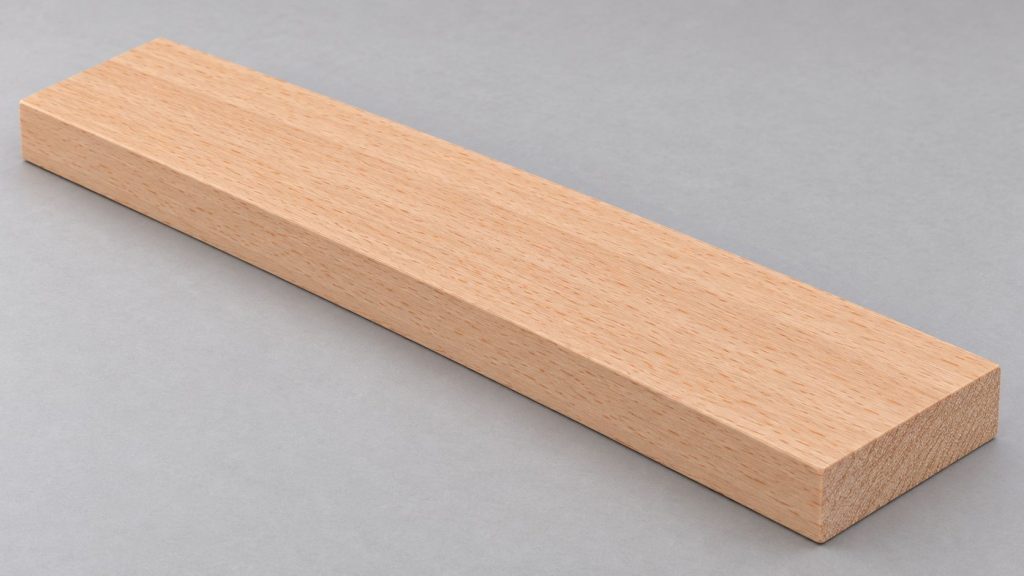
Documented origin and botanical material are essential to distinguish this mainland beech from Fagus hayatae. Older descriptions of a broadly defined Fagus hayatae may include both taxa and should be interpreted with care. Wood color and ordinary beech grain are insufficient for a confident species determination.
Key identification traits include:
- Deciduous Fagus tree native to mainland China.
- Smooth bark, elongated buds and veined leaves characteristic of the beech genus.
- Beechnuts borne within a cupule.
- Mainland provenance supports identification but should be checked against a botanical voucher.

Working Properties
Species-specific machining, shrinkage and durability data are limited. Treat general beech guidance as a starting point and test the actual stock before committing to a project.
- Use sharp tools and trial cuts to assess tearout and surface quality.
- Dry slowly, seal end grain and check for checking or distortion.
- Acclimate before final sizing; test glue joints and finishes on offcuts.
- Use indoors unless decay resistance or a protective treatment has been independently established.
Safety Note
Use effective dust extraction and suitable respiratory and eye protection when machining or sanding. Wood dust can irritate the skin and respiratory tract; stop work if a reaction develops.
Common Uses
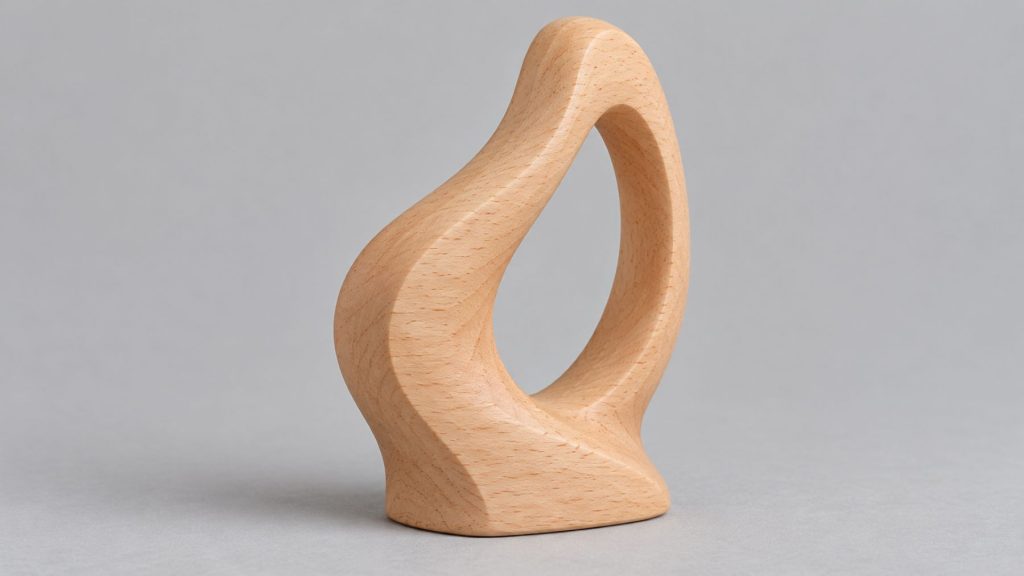
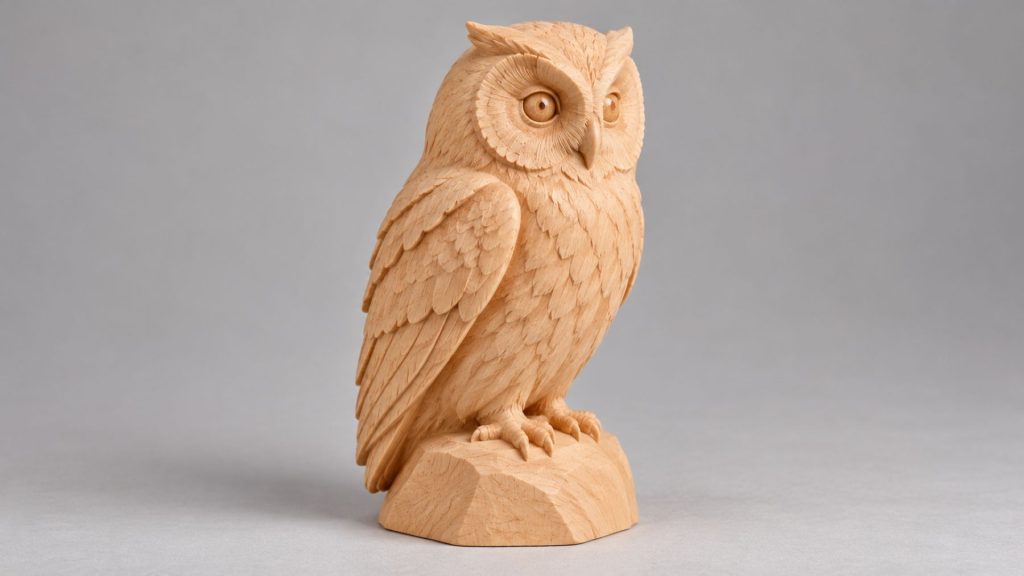
A dependable species-specific commercial use history is not established here. Authenticated specimens are most useful for botanical comparison; practical woodworking applications require tests on the available material.
- Reference wood specimens and comparative beech anatomy.
- Research documenting mainland and Taiwan beech taxonomy.
- Small experimental indoor craft pieces from legally obtained material.
Sustainability & Notes
Use documented, legally sourced material and avoid collecting from protected forest populations. Review conservation and harvest records under Fagus pashanica as well as its older Fagus hayatae names. Do not infer availability or conservation status from the broader common name.
Comparative Notes & Related Species
Related Guides
- Beech Species Guide
- Understanding Wood Shrinkage Values Explained
- Drying & Acclimating Exotic Woods
- How to Identify Wood by End Grain Patterns
- Labeling and Cataloging Wood Samples
Compare Wood Properties
See how this species ranks in density and hardness using our Wood Density & Janka Hardness Chart. You can also explore Hardest Woods, Softest Woods, and Most Dense Woods for quick comparisons.
Collector Notes
Keep the mainland locality and taxonomic history with the specimen. Record whether the source used Fagus pashanica, Fagus hayatae subsp. pashanica or another older treatment. Preserve any voucher details and foliage photographs; label uncertain specimens cautiously rather than merging them with Taiwan Beech.
Share Your Photos of This Species
Do you have lumber, wood samples, tree photographs, woodworking projects, furniture, carvings, turnings, musical instruments, or other items made from this species?
Exotic Woods of the World welcomes photographs from woodworkers, collectors, sawyers, researchers, and wood enthusiasts around the world. Selected submissions may be featured on this page and throughout our website to help document and showcase real-world examples of this species.
When submitting photos, please include the common name, scientific name (if known), a brief description, and any information you would like us to share with the image.
Wood Sample Collection
This species is part of an ongoing effort to document and preserve wood samples from around the world.
Learn more about contributing to the collection:
Resources
Authoritative botanical and forestry references used in compiling information about this species include:
• USDA Forest Service – Wood Handbook: Wood as an Engineering Material
https://www.fpl.fs.usda.gov/products/publications/
• The Wood Database – Global reference for wood identification, physical properties, and woodworking characteristics
https://www.wood-database.com/
• Royal Botanic Gardens, Kew – Plants of the World Online – Botanical taxonomy and species distribution database
https://powo.science.kew.org/
• International Union for Conservation of Nature (IUCN Red List) – Global conservation status assessments
https://www.iucnredlist.org/
• Convention on International Trade in Endangered Species (CITES) – International trade regulations for protected plant species
https://cites.org/
Additional forestry publications, academic research papers, and regional timber studies may also be referenced where available.
Love This Species?
Enjoy learning about this wood species?
Help support the continued growth of Exotic Woods of the World by participating in our Adopt a Species program. Your support helps fund species research, educational content, photography, videos, and future conservation awareness initiatives.
Support Forest Conservation
This species is part of the growing Exotic Woods of the World reference archive, dedicated to documenting and preserving knowledge of the world’s wood species.
Through the Adopt a Species program, visitors can help support ongoing species research, educational content, photography, video production, and future conservation awareness initiatives.
Contributions help fund the continued expansion of this archive while promoting sustainable forestry education and the long-term appreciation of the world’s forests.
Interested in supporting this species? Visit our Adopt a Species and Conservation Partners pages to learn more.
Availability & Where to Buy
Exotic hardwood availability can vary significantly depending on region, sustainability regulations, and supplier inventory.
As this archive grows, recommended suppliers and specialty wood retailers will be listed here to help woodworkers locate responsibly sourced material.
Lumber Suppliers:
Availability varies — see the Where to Buy Exotic Woods page for current sources.
Related Tools & Products:
Availability varies — see the Where to Buy Exotic Woods page for current sources.
Share This Wood Species
Stay Connected
Follow the latest species additions, educational resources, videos, conservation initiatives, and major project milestones through our Site Updates archive.
The Site Updates archive provides a permanent record of new content, library growth, and future developments across Exotic Woods of the World.