
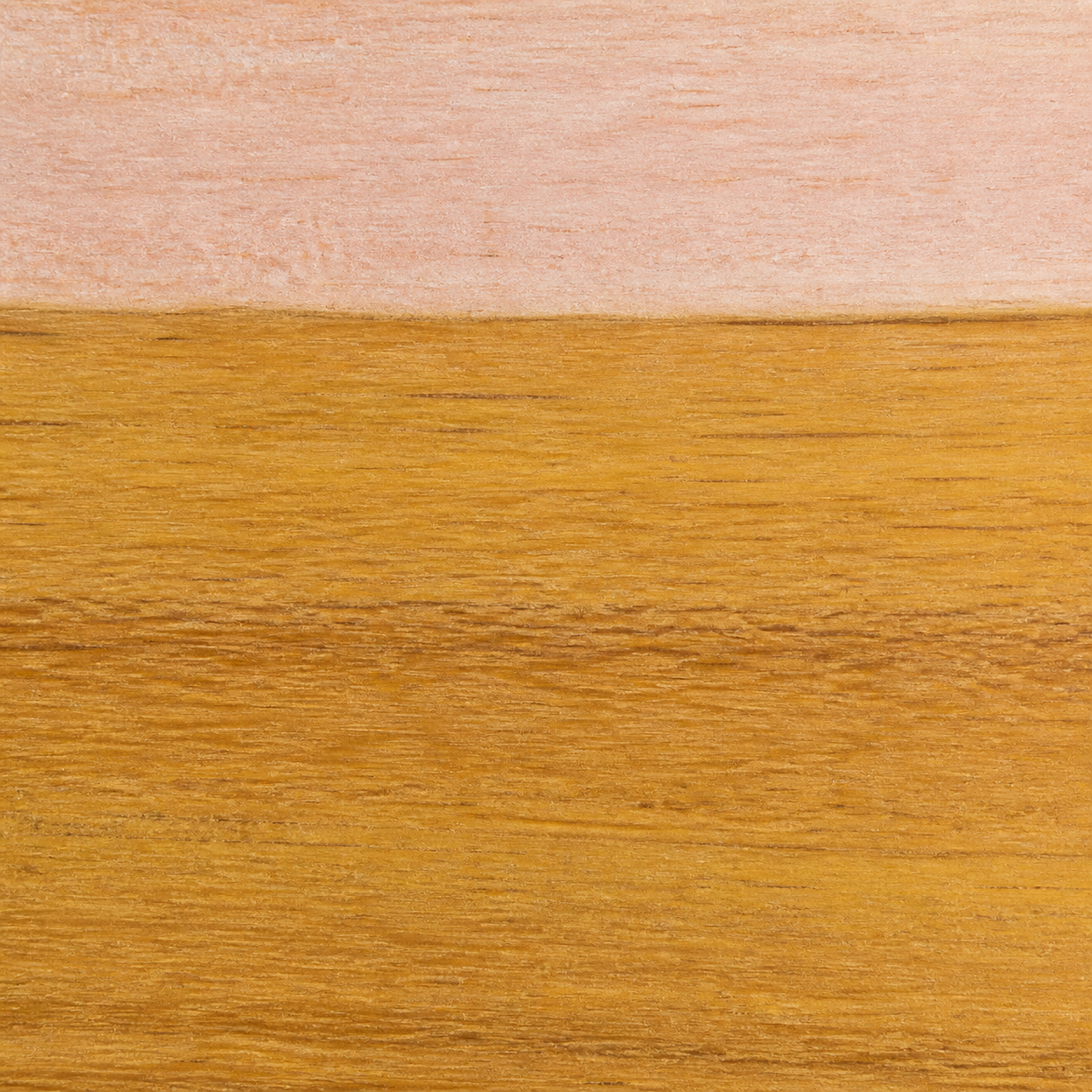
Jequitibá Branco
Scientific name: Cariniana estrellensis
Overview
Jequitibá Branco, Cariniana estrellensis, is a large South American forest tree in the Brazil-nut family. Its straight trunk can yield broad boards of moderately dense, pale timber with light pink sapwood and yellowish to reddish-yellow heartwood. The wood is generally easy to machine and has long been used for furniture, interior joinery, veneer, plywood, turned parts, boxes, and construction components kept out of severe exposure. Although broadly distributed from Brazil toward Bolivia, local populations have been affected by forest fragmentation and historical timber use.
Quick Facts
- Common Name: Jequitibá Branco
- Scientific Name: Cariniana estrellensis
- Region: South America Woods
- Tree Size: Approximately 115–148 ft (35–45 m) tall; trunk 35–47 in (90–120 cm) in diameter
- Average Dried Weight: Approximately 44–49 lb/ft³ (700–780 kg/m³) at 15% moisture content
- Janka Hardness: Reliable species-specific value not confirmed
- Color: Pale pink, yellowish, or reddish yellow
- Grain: Straight to occasionally interlocked
- Texture: Medium
Identification Characteristics
The sapwood is pale pink to off-white, while the heartwood develops a light yellowish or reddish-yellow tone; the boundary may be gradual rather than sharp. Grain is typically straight but can be interlocked, texture is medium, and luster low to moderate. The surface is generally smooth and understated. Its anatomy is exceptionally close to Jequitibá Rosa, with distinctions relying on vessel frequency and ray size rather than obvious color alone.
Key identification traits include:
- Pale pink to off-white sapwood
- Yellowish to reddish-yellow heartwood
- Straight or occasionally interlocked grain
- Medium texture and low to moderate luster
- Generally plain, even figure
- Close anatomical resemblance to Cariniana legalis


Working Properties
Jequitibá Branco has generally satisfactory working properties and low cutting resistance for its density. It saws and machines readily with power tools, though some sources note a slight blunting effect and interlocked grain can produce localized tearout. It turns, glues, and finishes well with normal care. Drying should be controlled because its tangential movement is notably greater than radial movement, and preservative treatment may be appropriate for damp or exposed service.
- Easy to saw and machine with power tools
- May have a slight blunting effect on cutters
- Interlocked grain can tear during planing
- Turns, glues, and finishes satisfactorily
- Control drying to limit distortion
- Best used indoors or protected from ground contact
Safety Note
No distinctive species-specific toxicity was confirmed in the sources reviewed. Dust from machining can irritate the eyes, skin, and respiratory tract. Use extraction at the tool, safety glasses, and appropriate respiratory protection.
Common Uses
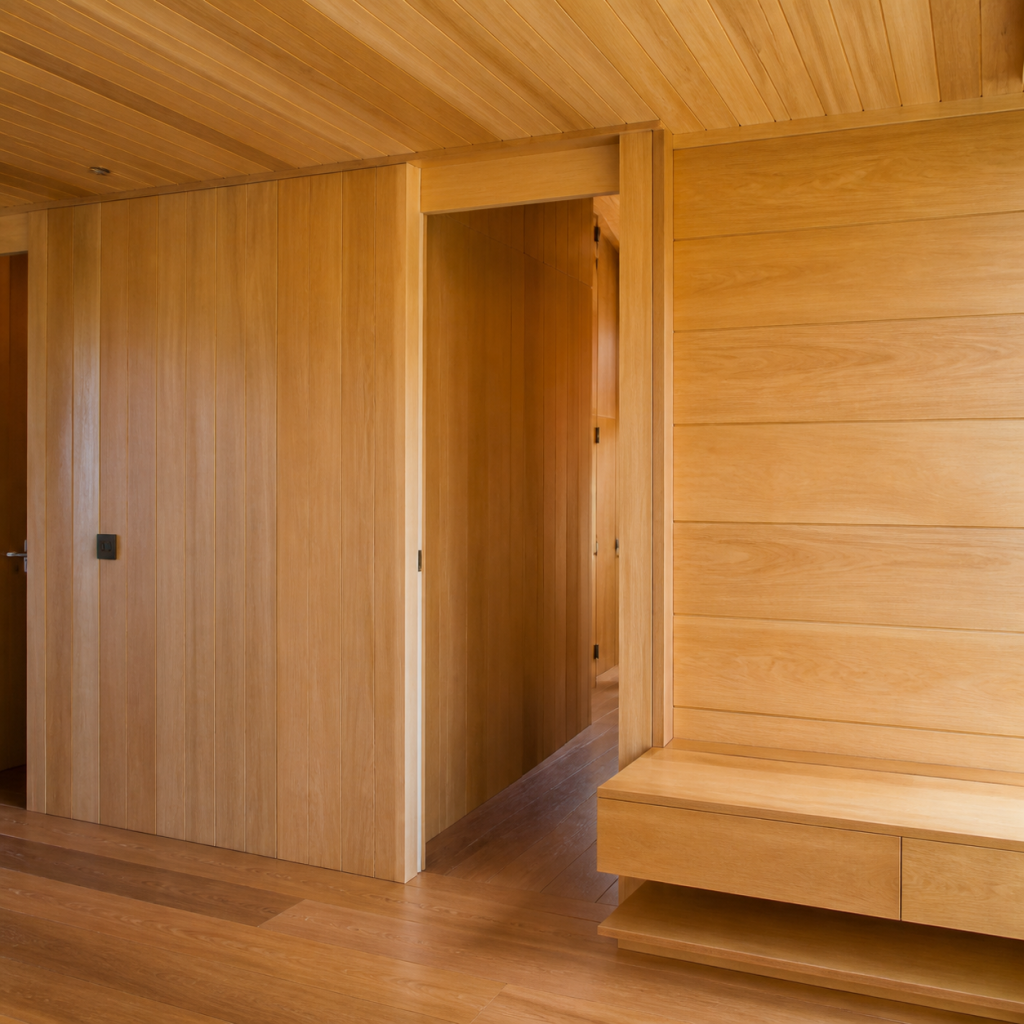

The species’ large dimensions, moderate density, and dependable machining behavior suit many protected and interior applications, including:
- Furniture and furniture frames
- Moldings, trim, paneling, and ceilings
- Interior doors and window components
- Veneer and plywood
- Turned parts and tool handles
- Boxes, crates, toys, and packaging
- Canoes and light utility work
- Pulp and paper
Sustainability & Notes
Cariniana estrellensis is accepted by Plants of the World Online and has a wider range than Jequitibá Rosa. Kew’s current page does not present a formal IUCN category, while a 2024 model predicts the species is not threatened; this prediction should not be treated as a substitute for a full assessment. Fragmented Atlantic Forest populations and a long history of timber use still warrant caution. Buyers should require traceable legal origin and avoid assuming that a common-name label confirms species or sustainability.
Comparative Notes & Related Species
Jequitibá Rosa – A closely related Cariniana timber that often shows warmer pinkish coloring.
Tauari (Brazilian Oak) – A pale Lecythidaceae timber with overlapping furniture and interior applications.
Brazil Nut – Another tropical South American member of the Lecythidaceae family.
Related Guides
Wood Families & Trade Groups – Understand botanical relationships and the limits of common trade names.
How to Identify Exotic Hardwood by Grain Pattern – Review practical visual features used in preliminary identification.
Identifying Unknown Wood Samples – Learn why provenance and anatomical evidence matter when similar woods share a name.
Compare Wood Properties
See how this species ranks in density and hardness using our Wood Density & Janka Hardness Chart. You can also explore Hardest Woods, Softest Woods, and Most Dense Woods for quick comparisons.
Collector Notes
Collectors value a verified Jequitibá Branco sample for its connection to one of South America’s great canopy trees and for comparison with Cariniana legalis. The timber is visually restrained, so diagnostic value comes from an accurately labeled specimen, end-grain preparation, and reliable provenance rather than dramatic figure.
Share Your Photos of This Species
Do you have lumber, wood samples, tree photographs, woodworking projects, furniture, carvings, turnings, musical instruments, or other items made from this species?
Exotic Woods of the World welcomes photographs from woodworkers, collectors, sawyers, researchers, and wood enthusiasts around the world. Selected submissions may be featured on this page and throughout our website to help document and showcase real-world examples of this species.
When submitting photos, please include the common name, scientific name (if known), a brief description, and any information you would like us to share with the image.
Wood Sample Collection
This species is part of an ongoing effort to document and preserve wood samples from around the world.
Learn more about contributing to the collection:
Resources
Authoritative botanical and forestry references used in compiling information about this species include:
• USDA Forest Service – Wood Handbook: Wood as an Engineering Material
https://www.fpl.fs.usda.gov/products/publications/
• The Wood Database – Global reference for wood identification, physical properties, and woodworking characteristics
https://www.wood-database.com/
• Royal Botanic Gardens, Kew – Plants of the World Online – Botanical taxonomy and species distribution database
https://powo.science.kew.org/
• International Union for Conservation of Nature (IUCN Red List) – Global conservation status assessments
https://www.iucnredlist.org/
• Convention on International Trade in Endangered Species (CITES) – International trade regulations for protected plant species
https://cites.org/
Additional forestry publications, academic research papers, and regional timber studies may also be referenced where available.
Love This Species?
Enjoy learning about this wood species?
Help support the continued growth of Exotic Woods of the World by participating in our Adopt a Species program. Your support helps fund species research, educational content, photography, videos, and future conservation awareness initiatives.
Support Forest Conservation
This species is part of the growing Exotic Woods of the World reference archive, dedicated to documenting and preserving knowledge of the world’s wood species.
Through the Adopt a Species program, visitors can help support ongoing species research, educational content, photography, video production, and future conservation awareness initiatives.
Contributions help fund the continued expansion of this archive while promoting sustainable forestry education and the long-term appreciation of the world’s forests.
Interested in supporting this species? Visit our Adopt a Species and Conservation Partners pages to learn more.
Availability & Where to Buy
Exotic hardwood availability can vary significantly depending on region, sustainability regulations, and supplier inventory.
As this archive grows, recommended suppliers and specialty wood retailers will be listed here to help woodworkers locate responsibly sourced material.
Lumber Suppliers:
Availability varies — see the Where to Buy Exotic Woods page for current sources.
Related Tools & Products:
Availability varies — see the Where to Buy Exotic Woods page for current sources.
Share This Wood Species
Stay Connected
Follow the latest species additions, educational resources, videos, conservation initiatives, and major project milestones through our Site Updates archive.
The Site Updates archive provides a permanent record of new content, library growth, and future developments across Exotic Woods of the World.