

Jequitibá Rosa
Scientific name: Cariniana legalis
Overview
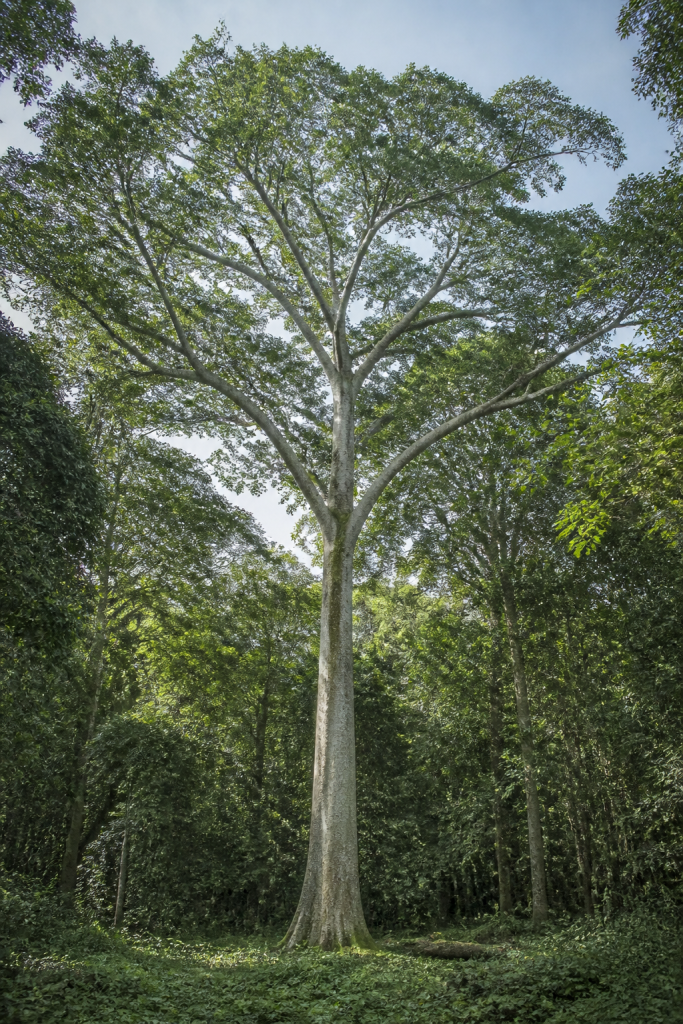
Jequitibá Rosa, Cariniana legalis, is a giant emergent tree of eastern Brazil’s Atlantic Forest and a member of the Brazil-nut family. Historically valued for large, straight logs, its pale cream to yellowish or faintly pink wood was widely used for interior construction, furniture, veneer, plywood, boxes, and utility products. The timber is generally light to medium in density, straight grained, and easy to work, but it has low natural durability without preservative treatment. Heavy historical exploitation and severe habitat fragmentation now make conservation and verified sourcing central to any discussion of this species.
Quick Facts
- Common Name: Jequitibá Rosa
- Scientific Name: Cariniana legalis
- Region: South America Woods
- Tree Size: Up to about 125 ft (38 m) tall
- Average Dried Weight: Variable; basic density approximately 25–41 lb/ft³ (400–650 kg/m³)
- Janka Hardness: Reliable species-specific value not confirmed
- Color: Cream, yellow-gray, or pale pink to pinkish brown
- Grain: Usually straight
- Texture: Medium and generally even
Identification Characteristics
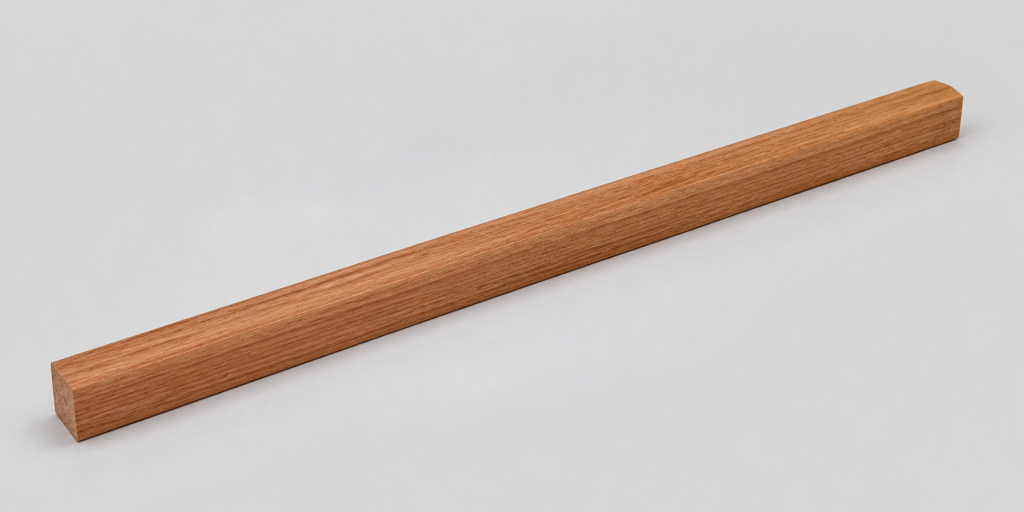
The wood is typically cream to yellowish gray and may show a subtle pink tone, with heartwood only slightly differentiated from sapwood. Grain is generally straight and texture medium, producing a plain, even surface with moderate luster. Pores and fine parenchyma patterns are useful under magnification, but C. legalis is anatomically very similar to Cariniana estrellensis; even microscopic separation can depend on vessel frequency and ray characters.
Key identification traits include:
- Pale cream to yellowish-gray heartwood
- Occasional soft pink cast
- Limited sapwood-to-heartwood contrast
- Straight grain and medium texture
- Generally plain, uniform figure
- Wood anatomy closely resembles Jequitibá Branco
Working Properties
Jequitibá Rosa is generally easy to saw, plane, and glue, and straight-grained stock can be brought to a clean finish with ordinary shop tools. Its moderate hardness and relatively even texture suit veneer and general joinery. Drying should be controlled to limit checking or distortion, and preservative treatment is advisable where decay or insect exposure is possible because natural durability is low.
- Generally easy to saw and machine
- Planes well in straight-grained stock
- Glues and finishes satisfactorily
- Suitable for veneer and plywood manufacture
- Control drying to reduce checking and distortion
- Use preservative treatment for exposed or damp service
Safety Note
No distinctive species-specific toxicity was confirmed in the sources reviewed. Wood dust can nevertheless irritate the eyes, skin, and respiratory tract. Use effective dust collection, eye protection, and an appropriate respirator during sawing, sanding, and machining.
Common Uses
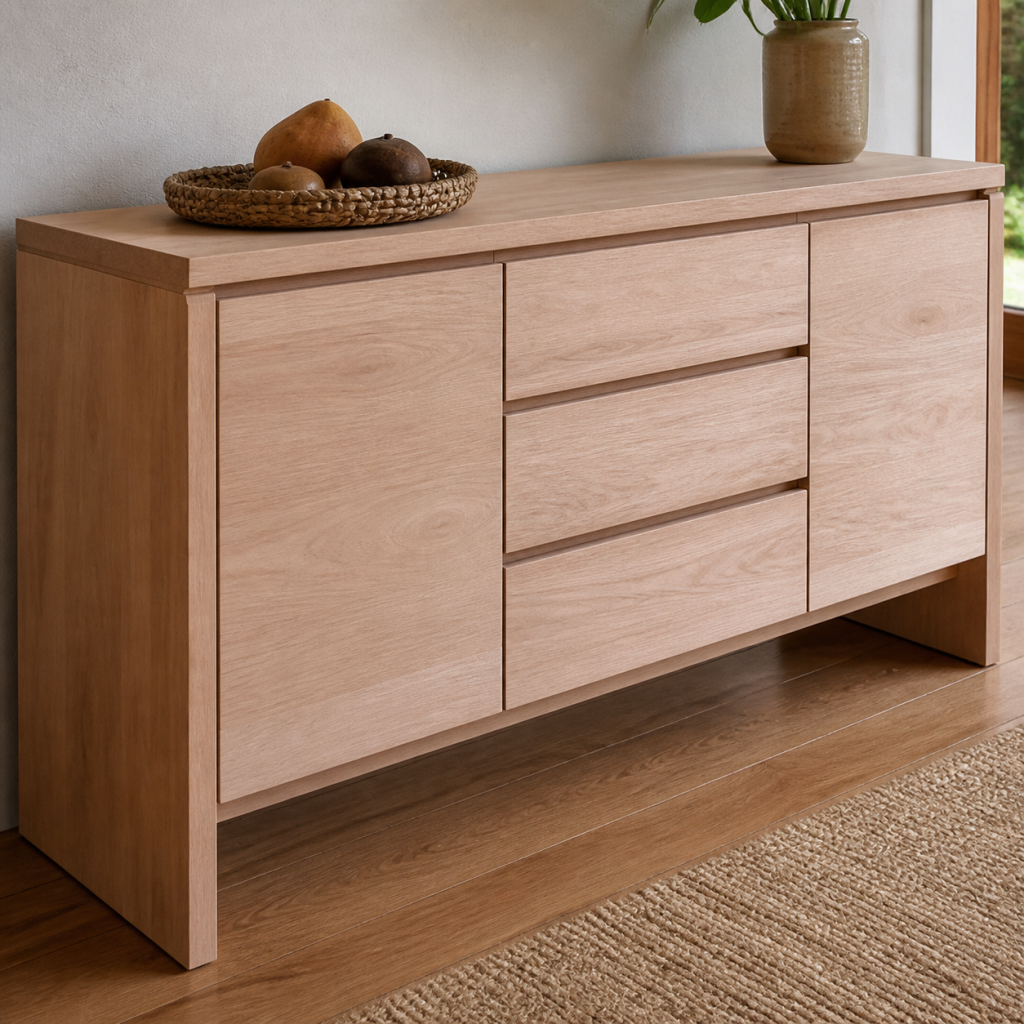

Historically, the species’ large logs, pale color, and straightforward workability supported numerous interior and utility applications, including:
- Furniture and cabinetry
- Interior construction
- Veneer and plywood
- Moldings, blinds, and trim
- Boxes and fine packaging
- Pencils and small utility products
- Musical-instrument components
Sustainability & Notes
Cariniana legalis is accepted by Plants of the World Online and is endemic to eastern Brazil. Brazil’s CNCFlora assessed it as Endangered in 2019, citing Atlantic Forest conversion, severe fragmentation, and past and ongoing logging pressure; other references report an IUCN Vulnerable assessment. It should not be assumed to be sustainably available merely because wood is offered under a common trade name. Material should have strong legal documentation and traceable, conservation-conscious origin.
Comparative Notes & Related Species
Jequitibá Branco – A closely related Cariniana timber, usually paler and sometimes denser.
Tauari (Brazilian Oak) – Another pale Lecythidaceae timber used for furniture, joinery, veneer, and plywood.
Brazil Nut – A better-known member of the same botanical family from tropical South America.
Related Guides
Wood Families & Trade Groups – Understand botanical relationships and the limits of common trade names.
How to Identify Exotic Hardwood by Grain Pattern – Review practical visual features used in preliminary identification.
Identifying Unknown Wood Samples – Learn why provenance and anatomical evidence matter when similar woods share a name.
Compare Wood Properties
See how this species ranks in density and hardness using our Wood Density & Janka Hardness Chart. You can also explore Hardest Woods, Softest Woods, and Most Dense Woods for quick comparisons.
Collector Notes
A verified sample of Cariniana legalis has strong botanical and historical value, linking a relatively plain pale wood to one of the Atlantic Forest’s most imposing emergent trees. Because closely related Cariniana woods are hard to separate and the species is threatened, collector material should be old, salvaged, or otherwise fully documented rather than sourced through uncertain modern trade.
Share Your Photos of This Species
Do you have lumber, wood samples, tree photographs, woodworking projects, furniture, carvings, turnings, musical instruments, or other items made from this species?
Exotic Woods of the World welcomes photographs from woodworkers, collectors, sawyers, researchers, and wood enthusiasts around the world. Selected submissions may be featured on this page and throughout our website to help document and showcase real-world examples of this species.
When submitting photos, please include the common name, scientific name (if known), a brief description, and any information you would like us to share with the image.
Wood Sample Collection
This species is part of an ongoing effort to document and preserve wood samples from around the world.
Learn more about contributing to the collection:
Resources
Authoritative botanical and forestry references used in compiling information about this species include:
• USDA Forest Service – Wood Handbook: Wood as an Engineering Material
https://www.fpl.fs.usda.gov/products/publications/
• The Wood Database – Global reference for wood identification, physical properties, and woodworking characteristics
https://www.wood-database.com/
• Royal Botanic Gardens, Kew – Plants of the World Online – Botanical taxonomy and species distribution database
https://powo.science.kew.org/
• International Union for Conservation of Nature (IUCN Red List) – Global conservation status assessments
https://www.iucnredlist.org/
• Convention on International Trade in Endangered Species (CITES) – International trade regulations for protected plant species
https://cites.org/
Additional forestry publications, academic research papers, and regional timber studies may also be referenced where available.
Love This Species?
Enjoy learning about this wood species?
Help support the continued growth of Exotic Woods of the World by participating in our Adopt a Species program. Your support helps fund species research, educational content, photography, videos, and future conservation awareness initiatives.
Support Forest Conservation
This species is part of the growing Exotic Woods of the World reference archive, dedicated to documenting and preserving knowledge of the world’s wood species.
Through the Adopt a Species program, visitors can help support ongoing species research, educational content, photography, video production, and future conservation awareness initiatives.
Contributions help fund the continued expansion of this archive while promoting sustainable forestry education and the long-term appreciation of the world’s forests.
Interested in supporting this species? Visit our Adopt a Species and Conservation Partners pages to learn more.
Availability & Where to Buy
Exotic hardwood availability can vary significantly depending on region, sustainability regulations, and supplier inventory.
As this archive grows, recommended suppliers and specialty wood retailers will be listed here to help woodworkers locate responsibly sourced material.
Lumber Suppliers:
Availability varies — see the Where to Buy Exotic Woods page for current sources.
Related Tools & Products:
Availability varies — see the Where to Buy Exotic Woods page for current sources.
Share This Wood Species
Stay Connected
Follow the latest species additions, educational resources, videos, conservation initiatives, and major project milestones through our Site Updates archive.
The Site Updates archive provides a permanent record of new content, library growth, and future developments across Exotic Woods of the World.