

Mersawa Durian
Scientific name: Anisoptera laevis
Overview
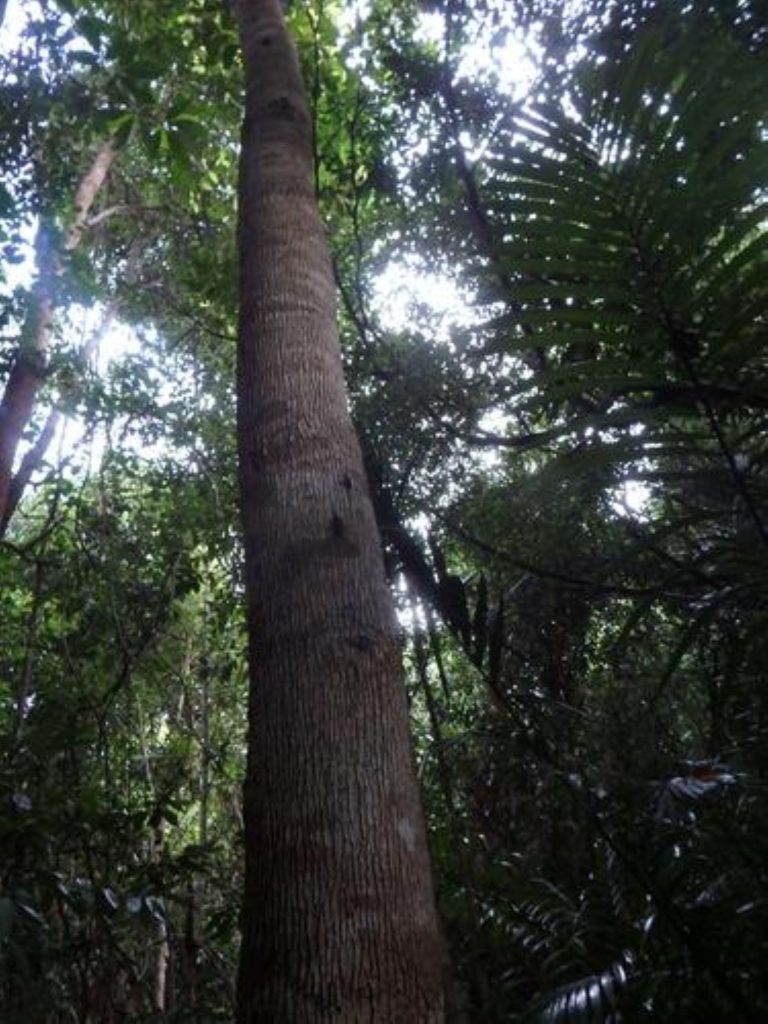
Mersawa Durian (Anisoptera laevis) is a large tropical hardwood native to the lowland rainforests of Southeast Asia. A member of the Dipterocarpaceae family, it occurs naturally throughout Peninsular Malaysia, southern Thailand, Sumatra, and Borneo, where it grows in humid lowland forests on well-drained soils. It is one of several species marketed under the commercial trade name Mersawa and has long been recognized as an important source of quality timber throughout the region.
The wood is valued for its combination of moderate strength, dependable durability, and excellent workability. While it is not as visually striking as some highly figured tropical hardwoods, Mersawa Durian has earned a solid reputation in the woodworking and construction industries because of its consistent texture, straight grain, and ability to machine and finish well. It is widely used for furniture, cabinetry, plywood, architectural millwork, and a variety of interior applications.
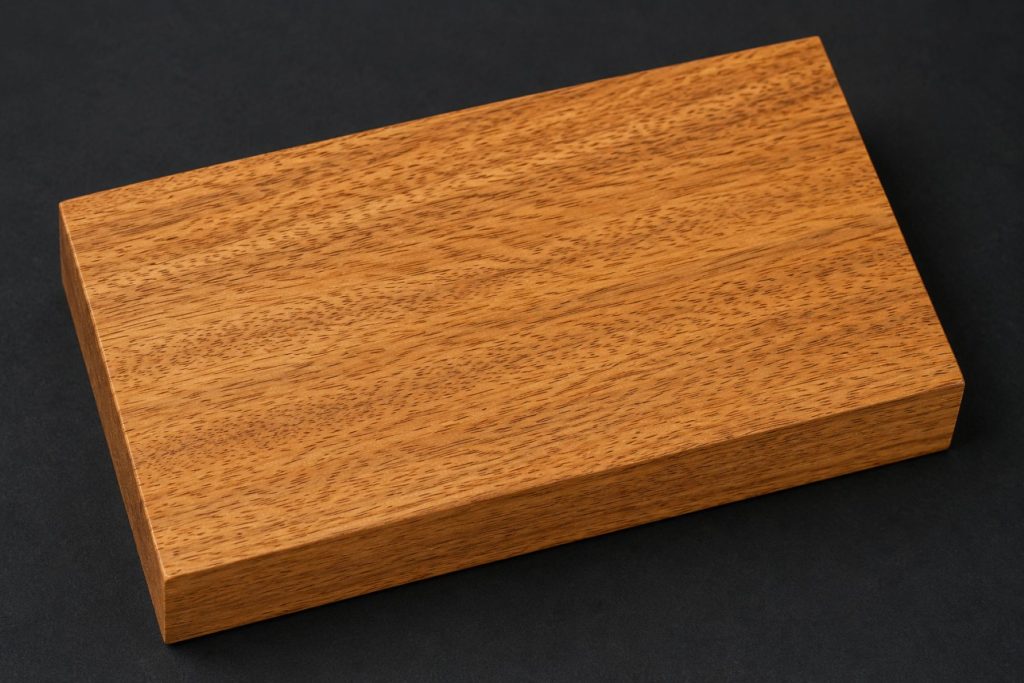
Freshly cut heartwood ranges from pale yellowish-brown to light brown before slowly deepening in color with age and exposure. The grain is typically straight but may occasionally be slightly interlocked, producing subtle figure on quartersawn lumber. Its balanced combination of strength, stability, and workability continues to make it an important commercial hardwood throughout Southeast Asia.
Within the Asian hardwood group, Mersawa Durian represents one of the commercially significant members of the Dipterocarp family that has supplied the regional timber industry for generations.
Quick Facts
- Common Name: Mersawa Durian
- Scientific Name: Anisoptera laevis
- Region: Asian Hardwoods
- Native Range: Peninsular Malaysia, Southern Thailand, Sumatra, Borneo
- Tree Size: 130–190 ft tall (40–58 m), 3–5 ft trunk diameter (0.9–1.5 m)
- Average Dried Weight: Approximately 38–44 lbs/ft³ (610–705 kg/m³)
- Janka Hardness: Approximately 1,200–1,400 lbf
- Color: Pale yellowish-brown to light brown, gradually darkening with age
- Grain: Usually straight, occasionally slightly interlocked
- Texture: Medium to moderately coarse
Identification Characteristics
Mersawa Durian is recognized by its pale yellowish-brown heartwood, generally straight grain, and uniform appearance. The sapwood is lighter in color and clearly distinguished from the heartwood. Freshly sawn lumber often displays creamy yellow to light brown tones that gradually mature into a richer golden-brown over time.
The wood has a medium texture with moderate natural luster, while the pores are evenly distributed and growth rings are generally indistinct. Although most boards exhibit straight grain, occasional interlocked grain can produce attractive ribbon figure on quartersawn surfaces.
Key identification traits include:
- Pale yellowish-brown heartwood
- Cream-colored sapwood
- Straight to slightly interlocked grain
- Medium texture
- Moderate natural luster
- Uniform appearance
- Good dimensional stability
- Subtle ribbon figure on quartersawn lumber
Working Properties
Mersawa Durian is considered a relatively easy hardwood to machine and performs well using conventional woodworking equipment. Its moderate density allows it to cut cleanly while providing good strength for both furniture and general construction applications.
The wood planes, drills, glues, and sands well, producing smooth finished surfaces. It also accepts stains and clear finishes evenly, making it suitable for both painted and natural wood projects.
- Machines easily
- Planes cleanly
- Turns well
- Sands smoothly
- Accepts glue readily
- Finishes well
- Good nail and screw holding
- Moderate dimensional stability
- Suitable for veneer production
Safety Note
Wood dust from Mersawa species may cause skin, eye, or respiratory irritation in sensitive individuals. Proper dust extraction and respiratory protection are recommended during machining and sanding operations.
Common Uses
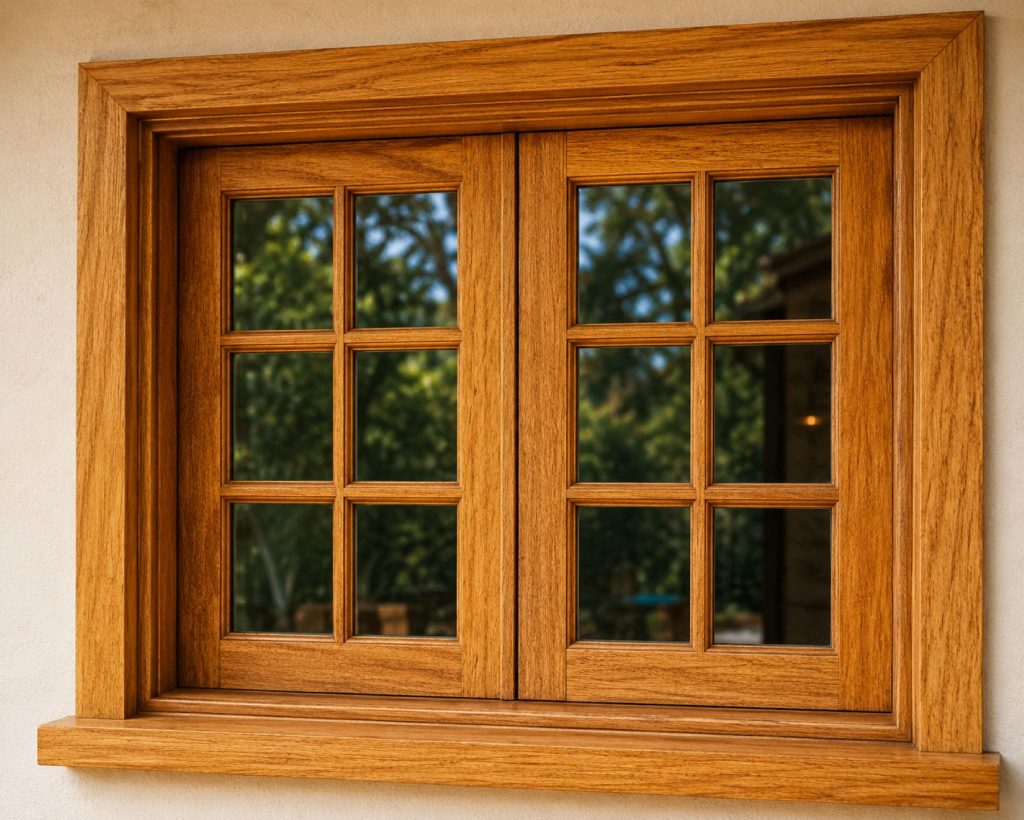
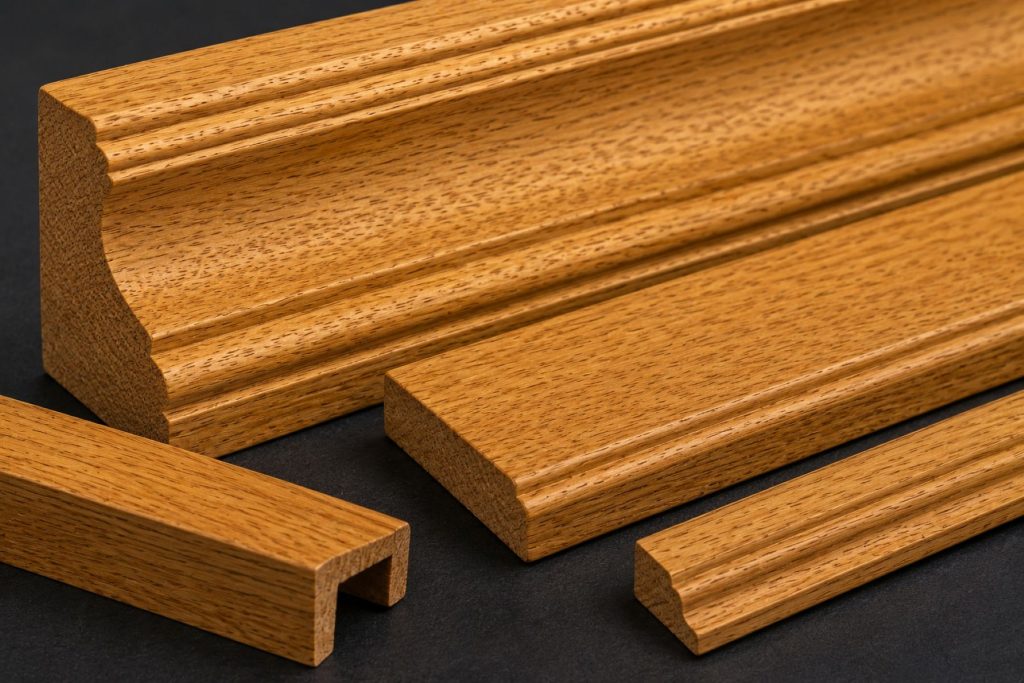
Mersawa Durian common uses include:
- Furniture
- Cabinetry
- Interior millwork
- Architectural trim
- Doors
- Window frames
- Paneling
- Plywood
- Decorative veneer
- Interior flooring
- General construction
- Utility woodworking
Sustainability & Notes
Anisoptera laevis is native to Southeast Asia’s biologically rich Dipterocarp forests, which represent some of the world’s most diverse tropical ecosystems. These forests support countless plant and animal species while supplying many of Asia’s commercially important hardwoods.
Like many tropical timber species, Mersawa Durian has experienced pressure from commercial harvesting and habitat loss in portions of its natural range. Today, sustainable forest management, responsible harvesting practices, and internationally recognized certification programs play an increasingly important role in maintaining healthy forest ecosystems while supporting long-term timber production.
Whenever possible, woodworkers are encouraged to purchase responsibly sourced lumber from reputable suppliers committed to sustainable forestry practices.
Comparative Notes & Related Species
Mersawa Paya – A closely related Anisoptera species with similar appearance, density, and woodworking characteristics.
Keruing – A heavier and more resinous Dipterocarp hardwood commonly used for heavy construction and industrial applications.
Yellow Meranti – Similar in workability but often displays warmer golden-brown coloration.
Related Guides
How to Identify Exotic Hardwood by Grain Pattern – Learn the visual characteristics used to identify tropical hardwoods by grain, texture, and appearance.
Understanding Interlocked vs Straight Grain – Discover how grain orientation affects machining, appearance, and woodworking performance.
Understanding CITES & Protected Species – Learn how international trade regulations and conservation efforts affect tropical hardwood species
Compare Wood Properties
See how this species ranks in density and hardness using our Wood Density & Janka Hardness Chart. You can also explore Hardest Woods, Softest Woods, and Most Dense Woods for quick comparisons.
Collector Notes
Mersawa Durian is an excellent representative of Southeast Asia’s commercially important hardwoods. While it lacks the dramatic coloration found in species such as Padauk or Rosewood, it provides collectors with an opportunity to document one of the region’s most significant commercial timber groups.
Well-prepared samples display clean grain, consistent texture, and subtle natural beauty while offering useful comparisons with related woods such as Mersawa Paya, Keruing, Balau, and the Meranti group. Its importance within the Dipterocarp family makes it a valuable addition to educational and regional wood collections.
Share Your Photos of This Species
Do you have lumber, wood samples, tree photographs, woodworking projects, furniture, carvings, turnings, musical instruments, or other items made from this species?
Exotic Woods of the World welcomes photographs from woodworkers, collectors, sawyers, researchers, and wood enthusiasts around the world. Selected submissions may be featured on this page and throughout our website to help document and showcase real-world examples of this species.
When submitting photos, please include the common name, scientific name (if known), a brief description, and any information you would like us to share with the image.
Wood Sample Collection
This species is part of an ongoing effort to document and preserve wood samples from around the world.
Learn more about contributing to the collection:
Resources
Authoritative botanical and forestry references used in compiling information about this species include:
• USDA Forest Service – Wood Handbook: Wood as an Engineering Material
https://www.fpl.fs.usda.gov/products/publications/
• The Wood Database – Global reference for wood identification, physical properties, and woodworking characteristics
https://www.wood-database.com/
• Royal Botanic Gardens, Kew – Plants of the World Online – Botanical taxonomy and species distribution database
https://powo.science.kew.org/
• International Union for Conservation of Nature (IUCN Red List) – Global conservation status assessments
https://www.iucnredlist.org/
• Convention on International Trade in Endangered Species (CITES) – International trade regulations for protected plant species
https://cites.org/
Additional forestry publications, academic research papers, and regional timber studies may also be referenced where available.
Love This Species?
Enjoy learning about this wood species?
Help support the continued growth of Exotic Woods of the World by participating in our Adopt a Species program. Your support helps fund species research, educational content, photography, videos, and future conservation awareness initiatives.
Support Forest Conservation
This species is part of the growing Exotic Woods of the World reference archive, dedicated to documenting and preserving knowledge of the world’s wood species.
Through the Adopt a Species program, visitors can help support ongoing species research, educational content, photography, video production, and future conservation awareness initiatives.
Contributions help fund the continued expansion of this archive while promoting sustainable forestry education and the long-term appreciation of the world’s forests.
Interested in supporting this species? Visit our Adopt a Species and Conservation Partners pages to learn more.
Availability & Where to Buy
Exotic hardwood availability can vary significantly depending on region, sustainability regulations, and supplier inventory.
As this archive grows, recommended suppliers and specialty wood retailers will be listed here to help woodworkers locate responsibly sourced material.
Lumber Suppliers:
Availability varies — see the Where to Buy Exotic Woods page for current sources.
Related Tools & Products:
Availability varies — see the Where to Buy Exotic Woods page for current sources.
Share This Wood Species
Stay Connected
Follow the latest species additions, educational resources, videos, conservation initiatives, and major project milestones through our Site Updates archive.
The Site Updates archive provides a permanent record of new content, library growth, and future developments across Exotic Woods of the World.