
Muiratinga
Scientific name: Maquira sclerophylla
Overview
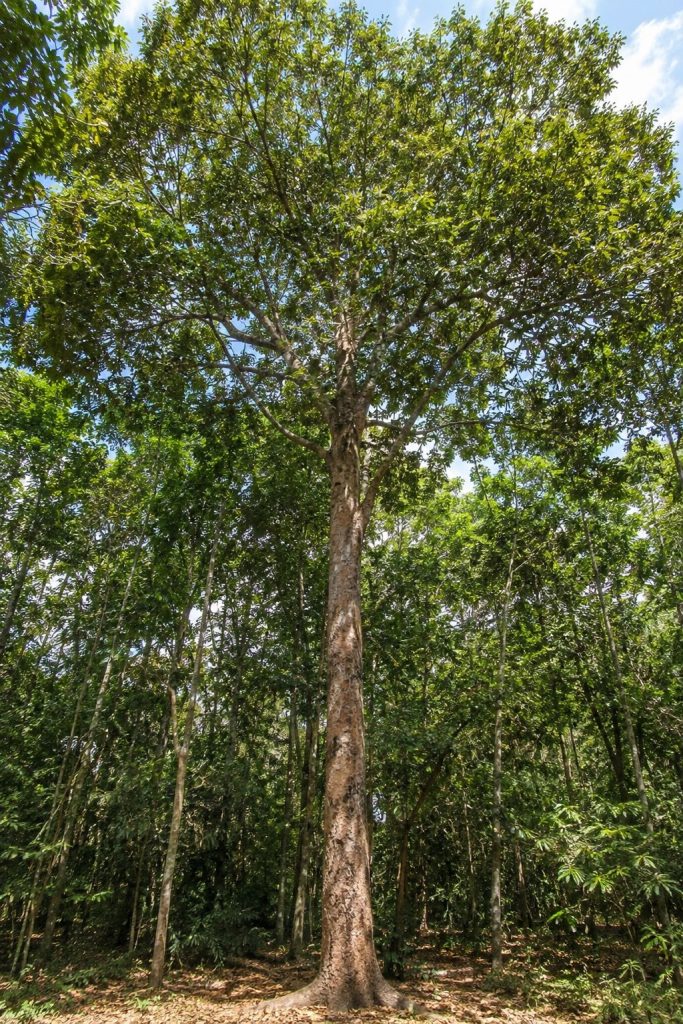
Muiratinga is a tropical South American hardwood native to the Amazon Basin, particularly Brazil and neighboring areas of northern South America. Maquira sclerophylla belongs to the Moraceae family, the same botanical family that includes mulberries, figs, and breadfruit.
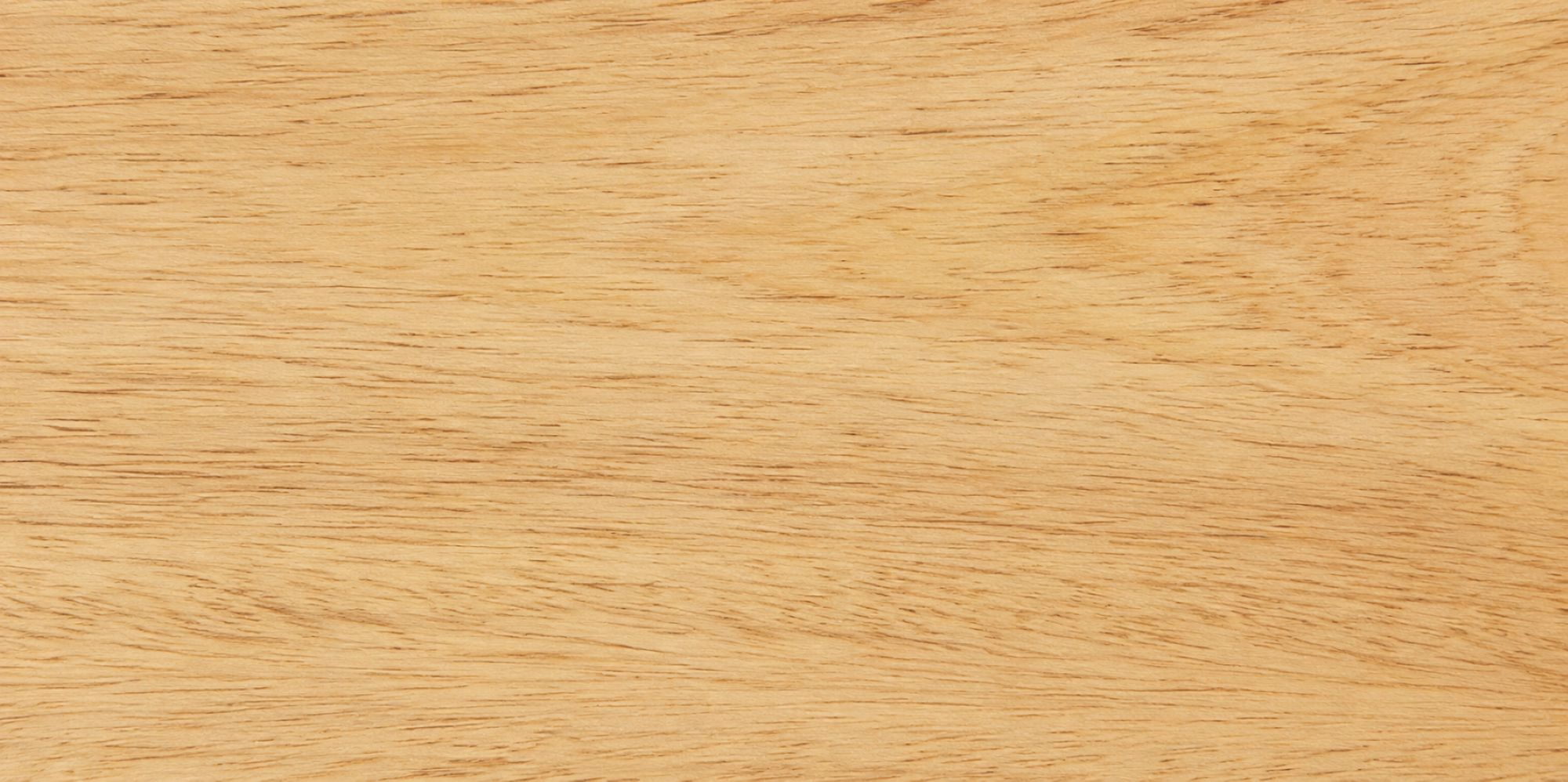
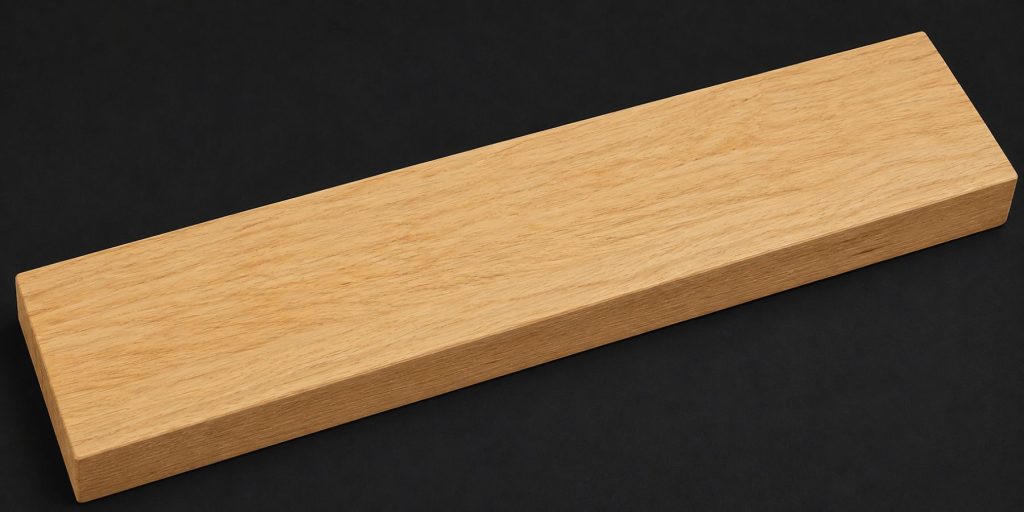
The wood is generally pale yellowish brown to medium brown, sometimes developing warmer golden or reddish-brown tones with age. Grain is typically straight to interlocked, while texture ranges from medium to moderately coarse. Muiratinga is valued regionally for construction, furniture, cabinetry, interior joinery, flooring, and general woodworking.
Although considerably less familiar internationally than many major Amazonian hardwoods, Muiratinga represents the enormous diversity of useful timber species found within South America’s tropical forests and makes an excellent addition to a documented exotic wood collection.
Quick Facts
- Common Name: Muiratinga
- Scientific Name: Maquira sclerophylla
- Region: South American Woods
- Tree Size: Approximately 80–120 ft (24–37 m) tall, with trunks potentially reaching 2–4 ft (0.6–1.2 m) in diameter
- Average Dried Weight: Approximately 45–50 lbs/ft³ (720–800 kg/m³), with natural variation
- Janka Hardness: Reliable standardized species-specific value not widely documented
- Grain: Straight to interlocked
- Texture: Medium to moderately coarse
Identification Characteristics
Heartwood and sapwood are not sharply differentiated, producing a generally uniform yellowish-white to light yellowish-brown appearance. Growth rings are poorly defined. The wood is diffuse-porous, with straight to interlocked grain, medium texture, faint luster, and little pronounced figure.
Key identification traits include:
- Yellowish-white to light yellowish-brown wood
- Heartwood and sapwood indistinct
- Straight to interlocked grain
- Medium, even texture
- Growth rings poorly defined
- Faint natural luster and little figure
- Diffuse-porous anatomy with relatively sparse medium-sized vessels
Working Properties
Muiratinga is reported to saw and plane with fair to medium ease. Drying can be very rapid, but careful schedules are important because checking, cupping, bowing, twisting, and casehardening may occur. Published Brazilian tests found satisfactory adhesive performance, especially with phenol-resorcinol resin; sharp tooling and controlled stock preparation remain advisable.
- Sawing: Fair to medium
- Planing: Fair to medium
- Drying: Very rapid, with distortion and casehardening risk
- Gluing: Demonstrated good bond strength in published testing
- Movement: Tangential shrinkage 9.4%; radial shrinkage 4.2%
Safety Note
Species-specific reaction data are limited. As with other hardwoods, airborne dust may irritate the eyes, skin, or respiratory tract. Use effective dust extraction, eye protection, and a properly fitted respirator, and handle rough stock carefully to avoid splinters.
Common Uses
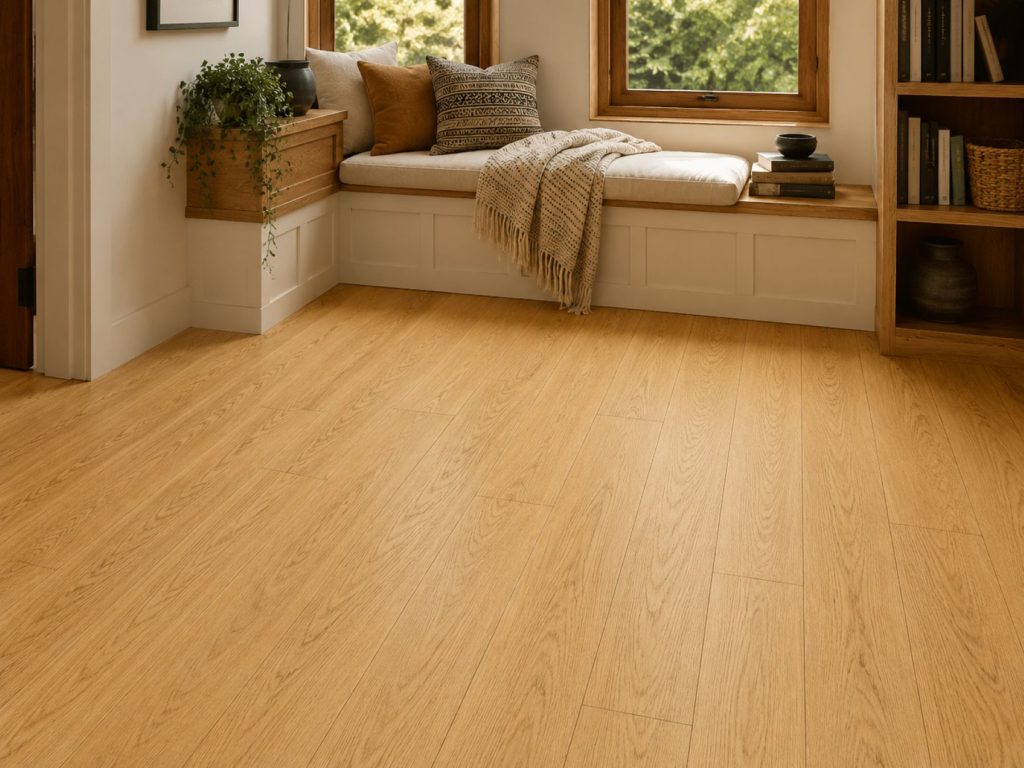
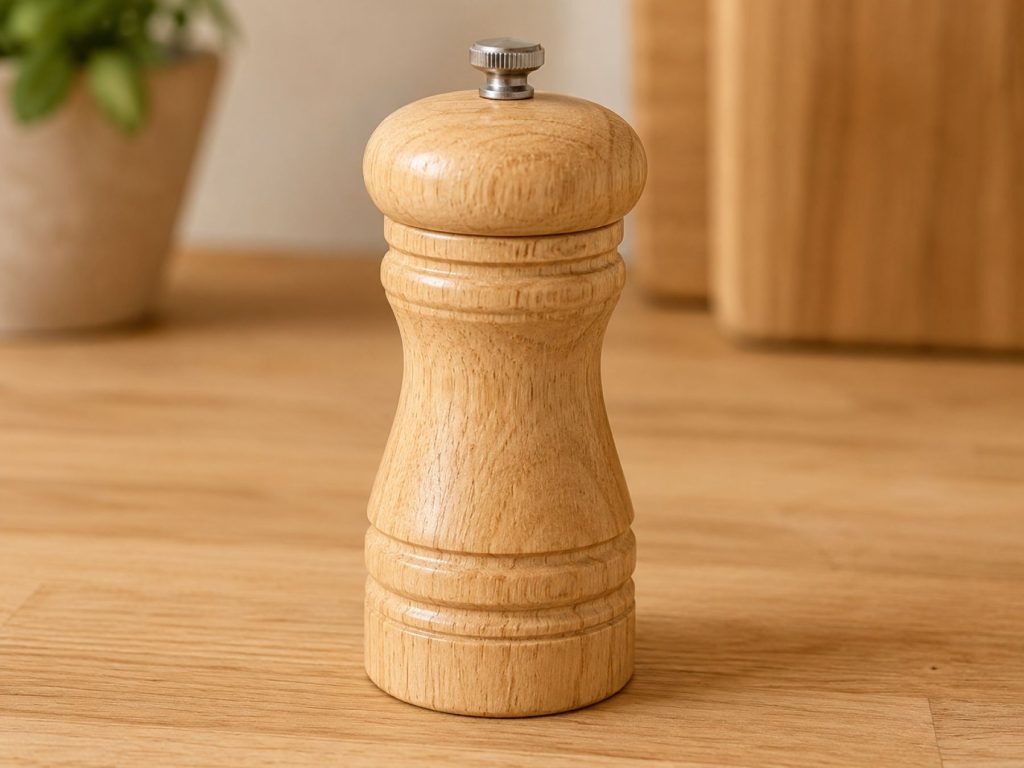
Its useful strength, attractive appearance, and general workability make Muiratinga suitable for numerous woodworking applications, including:
- Furniture
- Cabinetry
- Flooring
- Interior joinery
- Construction
- Architectural millwork
- Turned objects
- Decorative woodworking
- General carpentry
- Wood collections
Sustainability & Notes
Maquira sclerophylla is accepted by Kew and occurs in northern South America and western Brazil in wet tropical forest. World Flora Online reports a Least Concern IUCN category, while ITTO reports no CITES restriction for the timber; legality and sourcing still depend on national and local rules. Because Muiratinga is harvested from Amazonian forests, buyers should favor traceable material from responsibly managed sources.
Comparative Notes & Related Species
Breadfruit – Another member of the Moraceae family producing relatively workable tropical wood and providing a useful botanical comparison with Muiratinga.
Shortleaf Fig – A tropical American member of the Moraceae family with generally lighter wood and much less commercial timber importance.
Osage Orange – A dramatically harder and more brightly colored member of the Moraceae family, illustrating the considerable variation in wood properties found within this botanical group.
Related Guides
Wood Families & Trade Groups
Learn how botanical families connect wood species and why related trees can sometimes produce dramatically different colors, densities, and woodworking characteristics.
Understanding Interlocked vs. Straight Grain
Explore how grain direction influences appearance, figure, machining behavior, strength, and finished surface quality.
Preventing Tear-Out in Interlocked Grain
Learn techniques for obtaining cleaner surfaces when planing and machining hardwoods with reversing or interlocked grain.
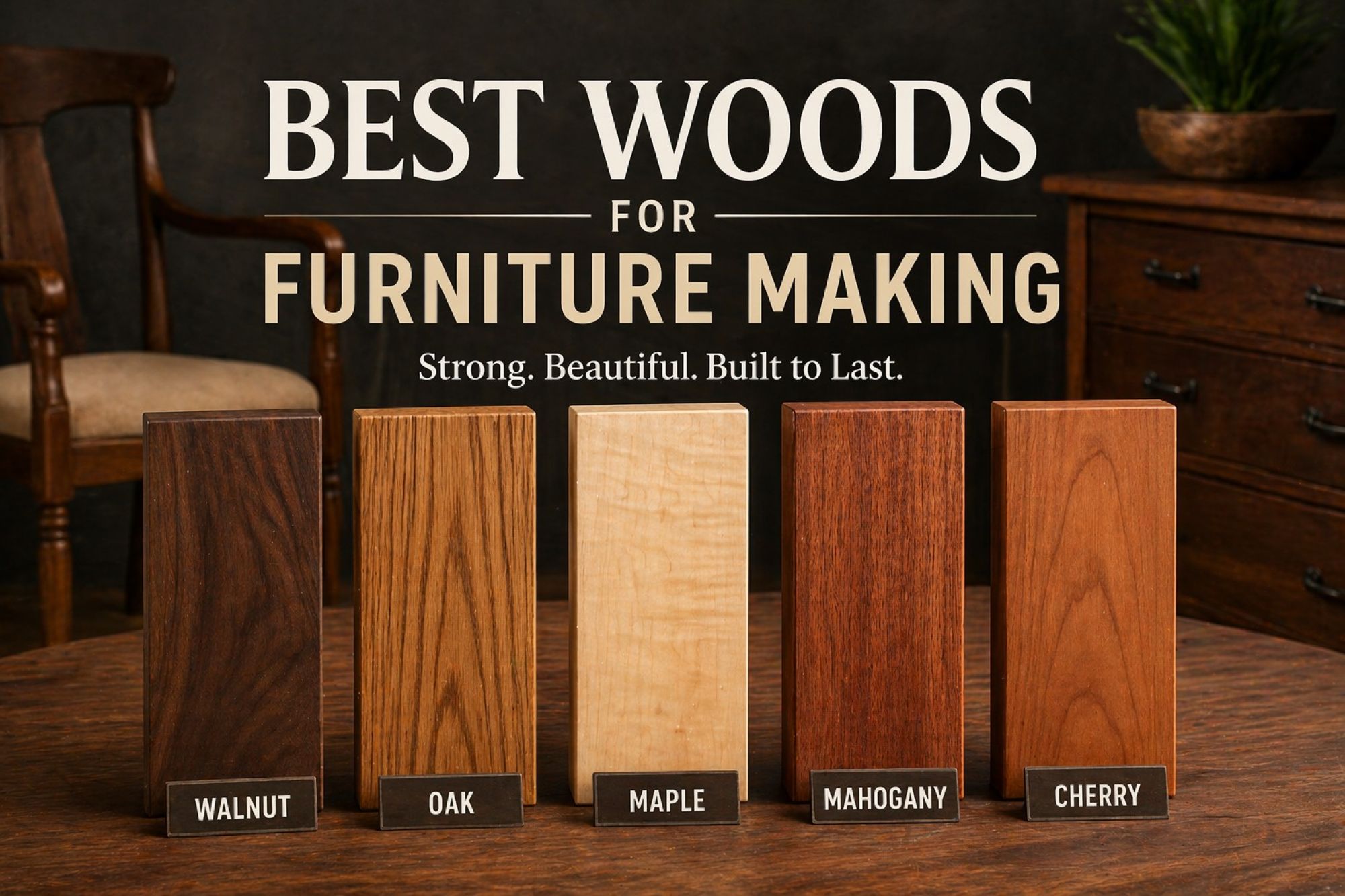
Best Woods for Furniture Making
Compare furniture woods based on appearance, strength, stability, workability, durability, and finishing characteristics.
How to Identify Exotic Hardwood by Grain Pattern
Learn how grain structure, texture, figure, coloration, and other visible characteristics can help identify unfamiliar tropical hardwoods.
Compare Wood Properties
See how this species ranks in density and hardness using our Wood Density & Janka Hardness Chart. You can also explore Hardest Woods, Softest Woods, and Most Dense Woods for quick comparisons.
Collector Notes
Muiratinga is an excellent collector species because it represents one of the lesser-known hardwoods of the Amazon Basin. Unlike internationally familiar South American woods such as Ipe, Purpleheart, or Brazilian Rosewood, authenticated Muiratinga specimens are considerably less likely to appear in ordinary exotic wood collections.
A properly documented sample also expands representation of the Moraceae family. Displaying Muiratinga alongside Breadfruit, Shortleaf Fig, Mulberry, and Osage Orange can demonstrate the remarkable differences in coloration, density, grain, and commercial importance found among related woods.
Scientific identification, geographic origin, supplier information, and acquisition date should be retained whenever available.
Share Your Photos of This Species
Do you have lumber, wood samples, tree photographs, woodworking projects, furniture, carvings, turnings, musical instruments, or other items made from this species?
Exotic Woods of the World welcomes photographs from woodworkers, collectors, sawyers, researchers, and wood enthusiasts around the world. Selected submissions may be featured on this page and throughout our website to help document and showcase real-world examples of this species.
When submitting photos, please include the common name, scientific name (if known), a brief description, and any information you would like us to share with the image.
Wood Sample Collection
This species is part of an ongoing effort to document and preserve wood samples from around the world.
Learn more about contributing to the collection:
Resources
Authoritative botanical and forestry references used in compiling information about this species include:
• USDA Forest Service – Wood Handbook: Wood as an Engineering Material
https://www.fpl.fs.usda.gov/products/publications/
• The Wood Database – Global reference for wood identification, physical properties, and woodworking characteristics
https://www.wood-database.com/
• Royal Botanic Gardens, Kew – Plants of the World Online – Botanical taxonomy and species distribution database
https://powo.science.kew.org/
• International Union for Conservation of Nature (IUCN Red List) – Global conservation status assessments
https://www.iucnredlist.org/
• Convention on International Trade in Endangered Species (CITES) – International trade regulations for protected plant species
https://cites.org/
Additional forestry publications, academic research papers, and regional timber studies may also be referenced where available.
Love This Species?
Enjoy learning about this wood species?
Help support the continued growth of Exotic Woods of the World by participating in our Adopt a Species program. Your support helps fund species research, educational content, photography, videos, and future conservation awareness initiatives.
Support Forest Conservation
This species is part of the growing Exotic Woods of the World reference archive, dedicated to documenting and preserving knowledge of the world’s wood species.
Through the Adopt a Species program, visitors can help support ongoing species research, educational content, photography, video production, and future conservation awareness initiatives.
Contributions help fund the continued expansion of this archive while promoting sustainable forestry education and the long-term appreciation of the world’s forests.
Interested in supporting this species? Visit our Adopt a Species and Conservation Partners pages to learn more.
Availability & Where to Buy
Exotic hardwood availability can vary significantly depending on region, sustainability regulations, and supplier inventory.
As this archive grows, recommended suppliers and specialty wood retailers will be listed here to help woodworkers locate responsibly sourced material.
Lumber Suppliers:
Availability varies — see the Where to Buy Exotic Woods page for current sources.
Related Tools & Products:
Availability varies — see the Where to Buy Exotic Woods page for current sources.
Share This Wood Species
Stay Connected
Follow the latest species additions, educational resources, videos, conservation initiatives, and major project milestones through our Site Updates archive.
The Site Updates archive provides a permanent record of new content, library growth, and future developments across Exotic Woods of the World.