
September Elm
Scientific name: Ulmus serotina
Overview
September Elm is a comparatively uncommon native elm most associated with Tennessee, Arkansas, and neighboring parts of the east-central United States. Its autumn flowering distinguishes it from the spring-flowering habit of many familiar elms. In the timber trade it is generally combined with other hard elms rather than kept as a distinct lumber species.
This profile keeps that commercial grouping separate from species-specific measurements. Figures published for mixed rock elm lumber cannot automatically be assigned to a confirmed September Elm sample. For a woodworker, a trial piece and the behavior of the actual boards are more useful than a borrowed hardness or weight value.
Quick Facts
- Common Name: September Elm
- Alternate Common Names: Red elm (a name also used for other elms)
- Scientific Name: Ulmus serotina
- Region: North American Woods — scattered populations in the east-central and southeastern United States, especially Tennessee and Arkansas
- Family: Ulmaceae
- Tree Size: A medium-sized tree that may reach about 82 ft (25 m) tall and 2–3 ft (0.6–0.9 m) in trunk diameter
- Average Dried Weight: A separate, dependable species-specific dried-weight average was not established; commercial hard-elm figures should be treated as group data
- Janka Hardness: A verified species-specific Janka value was not established; do not substitute another hard elm’s rating
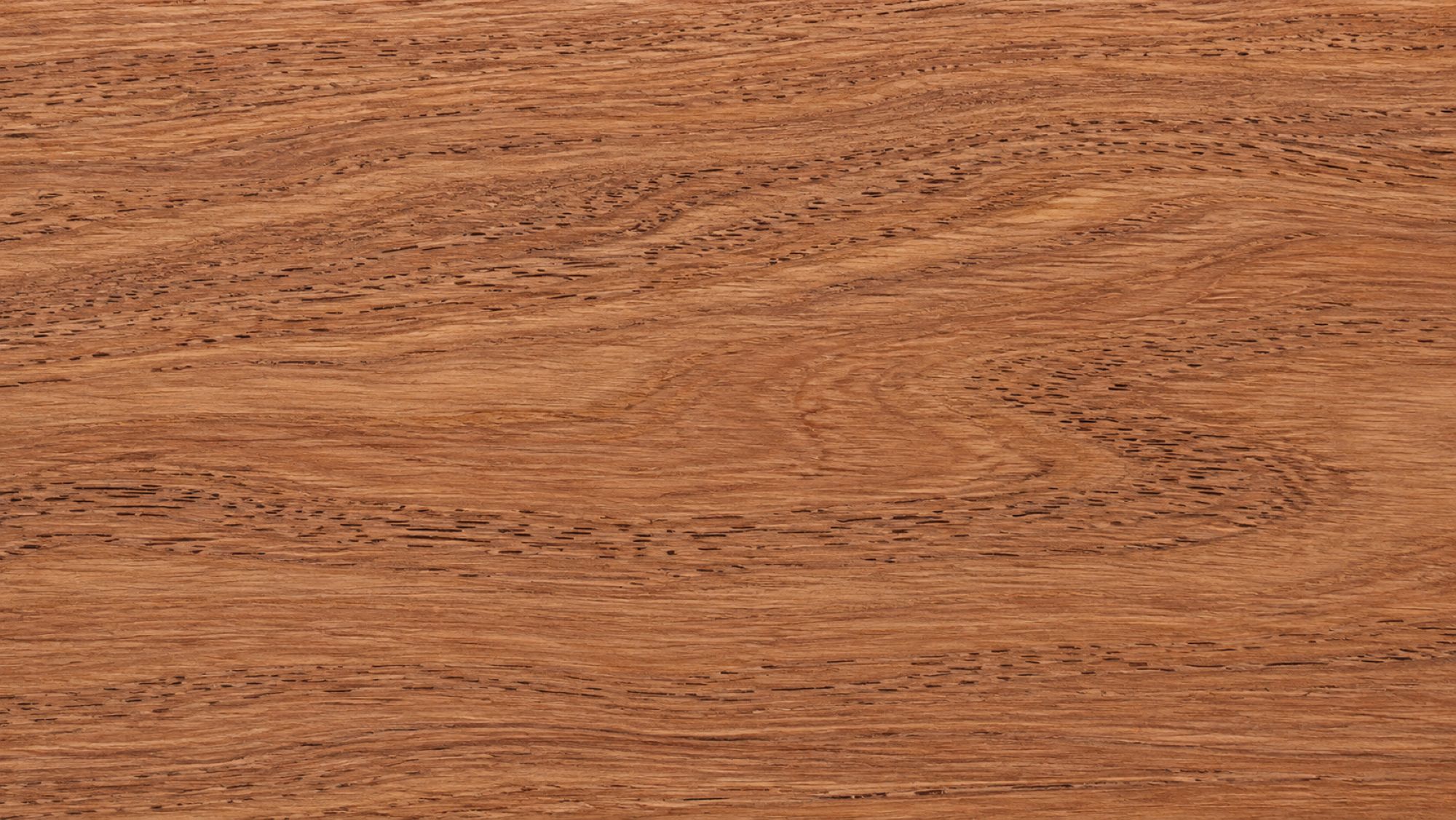
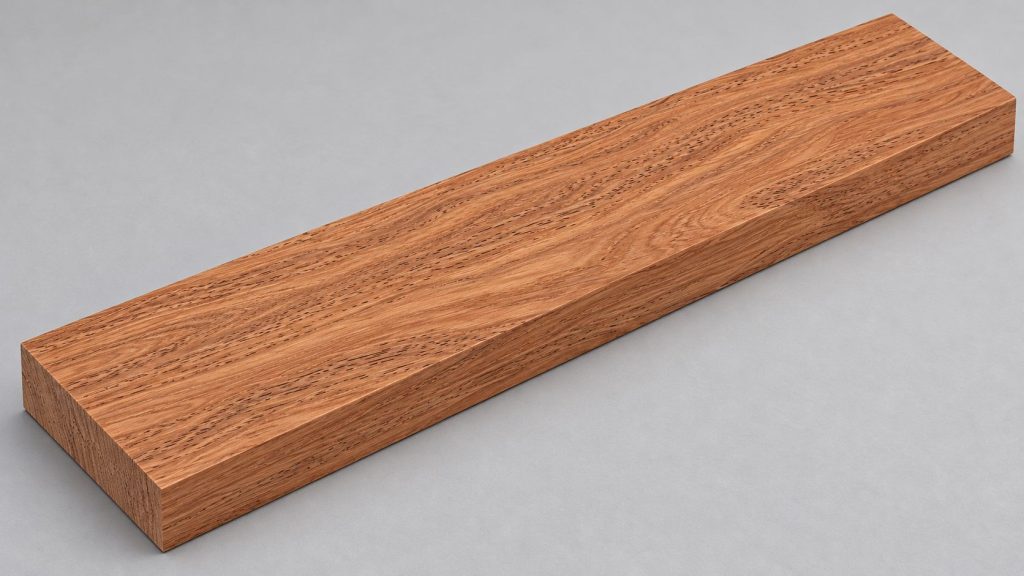
- Color: Reddish-brown heartwood, with lighter sapwood
- Grain: Often interlocked; evaluate the individual board
- Texture: Elm-like texture with visible growth rings
Identification Characteristics
The wood is described as reddish brown and strong, and it falls within the commercial hard elm grouping. Examine a prepared end-grain surface for elm pore patterns, but regard this as evidence for a wood group rather than a complete species identification.
For this less familiar elm, a tree record is particularly valuable. Document leaves, twigs, fruit, flowering season, and the collection locality. Autumn flowers and fruit are useful clues, although Cedar Elm also flowers in autumn, so season alone does not separate the two.
Key identification traits include:
- Elm growth-ring and pore patterns visible on a prepared cross section
- Reddish-brown wood with paler outer sapwood
- Often confused with other elms in mixed lumber
- Autumn flowering useful as supporting tree evidence
- A documented source is essential for a reference specimen

Working Properties
Start with small trial cuts when using a newly obtained board. Changing fiber direction can leave torn patches, so check the grain on all faces before choosing a cutting direction. A sharp scraper or a light abrasive pass may improve a difficult surface without removing excessive thickness.
Bring the wood to the intended indoor moisture condition and leave allowance during rough sizing. Recheck flatness before final joinery, especially in wide or resawn stock. Keep panels free to move across the grain, and test glue and finish on offcuts from the same material.
- Use sharp tools and light final cuts
- Compare machining results on radial and tangential faces
- Check moisture and distortion before final dimensioning
- Test bent parts before making matching finished components
- Trial the complete finish on a representative offcut
Safety Note
Elm dust can irritate the eyes, skin, and respiratory tract, and sensitization has been reported. Use effective dust extraction, eye protection, and suitable respiratory protection during machining and sanding. Inspect salvaged stock for embedded metal and unsound wood before cutting.
Common Uses

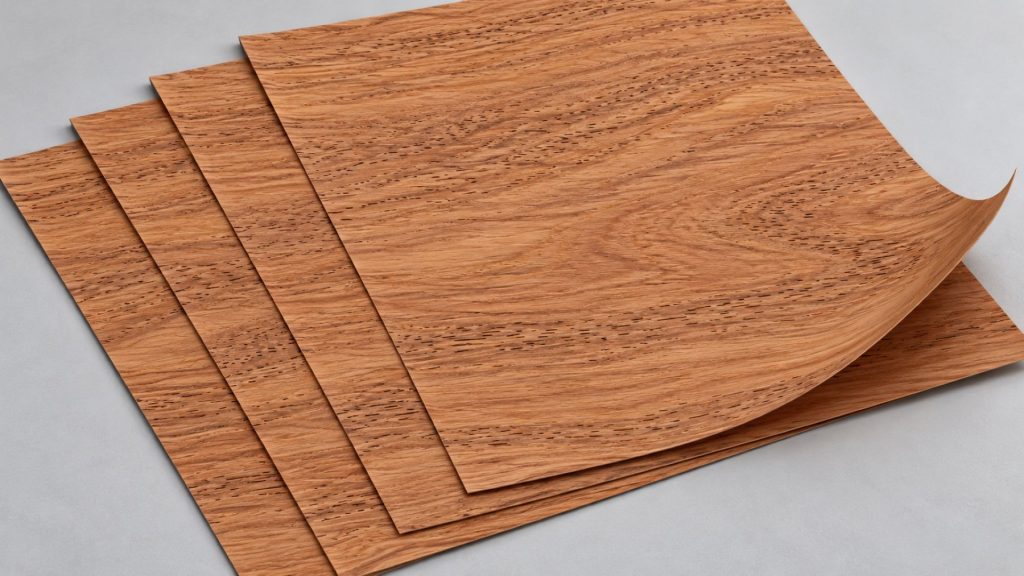
September Elm has been sold with other hard elms for general woodworking. A well-documented, sound piece can be considered for furniture parts, veneer, decorative panels, or small projects according to its dimensions and grain. It is not usually a dependable source of large, matching retail lumber packs.
Historic use of mixed elm does not establish a modern structural design value for this species. For load-bearing work, use a properly specified product. For ordinary projects, assess cracks, grain deviation, and soundness directly and keep untreated material protected from persistent dampness.
- Selected furniture and interior components
- Decorative veneer from suitable logs
- Small boxes and specialty woodworking
- Trial bentwood components
- Reference specimens and educational comparison sets
Sustainability & Notes
September Elm occurs as scattered trees and is susceptible to Dutch elm disease. Scarce retail availability should not be confused with a formal conservation assessment, and a useful wood sample need not come from harvesting a healthy tree.
Prefer documented existing lumber, suitable storm salvage, or material from necessary tree removals. Follow local handling and transport guidance for elm, and retain uncertainty on the label when the tree identification was incomplete.
Comparative Notes & Related Species
Related Guides
- Elm Species Guide
- How to Identify Wood by End Grain Patterns
- Labeling and Cataloging Wood Samples
- Building a Documented Wood Collection
- Understanding Interlocked vs Straight Grain
Compare Wood Properties
See how this species ranks in density and hardness using our Wood Density & Janka Hardness Chart. You can also explore Hardest Woods, Softest Woods, and Most Dense Woods for quick comparisons.
Collector Notes
This is a particularly useful species for a collection with a Tennessee or wider regional focus. Record the exact locality, source tree, identification method, and collection date; photographs taken while leaves or fruit are present can greatly improve the record.
Keep a measured, unfinished specimen rather than using appearance alone to compare it with Rock Elm or Cedar Elm. If density is measured from a sample, record moisture content and method, and label the result as a specimen measurement rather than a species average.
Share Your Photos of This Species
Do you have lumber, wood samples, tree photographs, woodworking projects, furniture, carvings, turnings, musical instruments, or other items made from this species?
Exotic Woods of the World welcomes photographs from woodworkers, collectors, sawyers, researchers, and wood enthusiasts around the world. Selected submissions may be featured on this page and throughout our website to help document and showcase real-world examples of this species.
When submitting photos, please include the common name, scientific name (if known), a brief description, and any information you would like us to share with the image.
Wood Sample Collection
This species is part of an ongoing effort to document and preserve wood samples from around the world.
Learn more about contributing to the collection:
Resources
Authoritative botanical and forestry references used in compiling information about this species include:
• USDA Forest Service – Wood Handbook: Wood as an Engineering Material
https://www.fpl.fs.usda.gov/products/publications/
• The Wood Database – Global reference for wood identification, physical properties, and woodworking characteristics
https://www.wood-database.com/
• Royal Botanic Gardens, Kew – Plants of the World Online – Botanical taxonomy and species distribution database
https://powo.science.kew.org/
• International Union for Conservation of Nature (IUCN Red List) – Global conservation status assessments
https://www.iucnredlist.org/
• Convention on International Trade in Endangered Species (CITES) – International trade regulations for protected plant species
https://cites.org/
Additional forestry publications, academic research papers, and regional timber studies may also be referenced where available.
Love This Species?
Enjoy learning about this wood species?
Help support the continued growth of Exotic Woods of the World by participating in our Adopt a Species program. Your support helps fund species research, educational content, photography, videos, and future conservation awareness initiatives.
Support Forest Conservation
This species is part of the growing Exotic Woods of the World reference archive, dedicated to documenting and preserving knowledge of the world’s wood species.
Through the Adopt a Species program, visitors can help support ongoing species research, educational content, photography, video production, and future conservation awareness initiatives.
Contributions help fund the continued expansion of this archive while promoting sustainable forestry education and the long-term appreciation of the world’s forests.
Interested in supporting this species? Visit our Adopt a Species and Conservation Partners pages to learn more.
Availability & Where to Buy
Exotic hardwood availability can vary significantly depending on region, sustainability regulations, and supplier inventory.
As this archive grows, recommended suppliers and specialty wood retailers will be listed here to help woodworkers locate responsibly sourced material.
Lumber Suppliers:
Availability varies — see the Where to Buy Exotic Woods page for current sources.
Related Tools & Products:
Availability varies — see the Where to Buy Exotic Woods page for current sources.
Share This Wood Species
Stay Connected
Follow the latest species additions, educational resources, videos, conservation initiatives, and major project milestones through our Site Updates archive.
The Site Updates archive provides a permanent record of new content, library growth, and future developments across Exotic Woods of the World.