

Tauari (Brazilian Oak)
Scientific name: Couratari oblongifolia
Overview
Tauari is an Amazonian hardwood from Couratari oblongifolia, a member of the Brazil-nut family. The pale yellowish-white to light beige timber has a straight grain, medium texture, and moderate weight, offering a clean, understated appearance that has encouraged its use in furniture, interior joinery, veneers, plywood, flooring, and manufactured wood products. “Brazilian Oak” is a trade comparison rather than a botanical relationship: tauari is not an oak, and timber sold under the tauari name may also come from other closely similar Couratari species.
Quick Facts
- Common Name: Tauari (Brazilian Oak)
- Scientific Name: Couratari oblongifolia
- Region: Central & South America
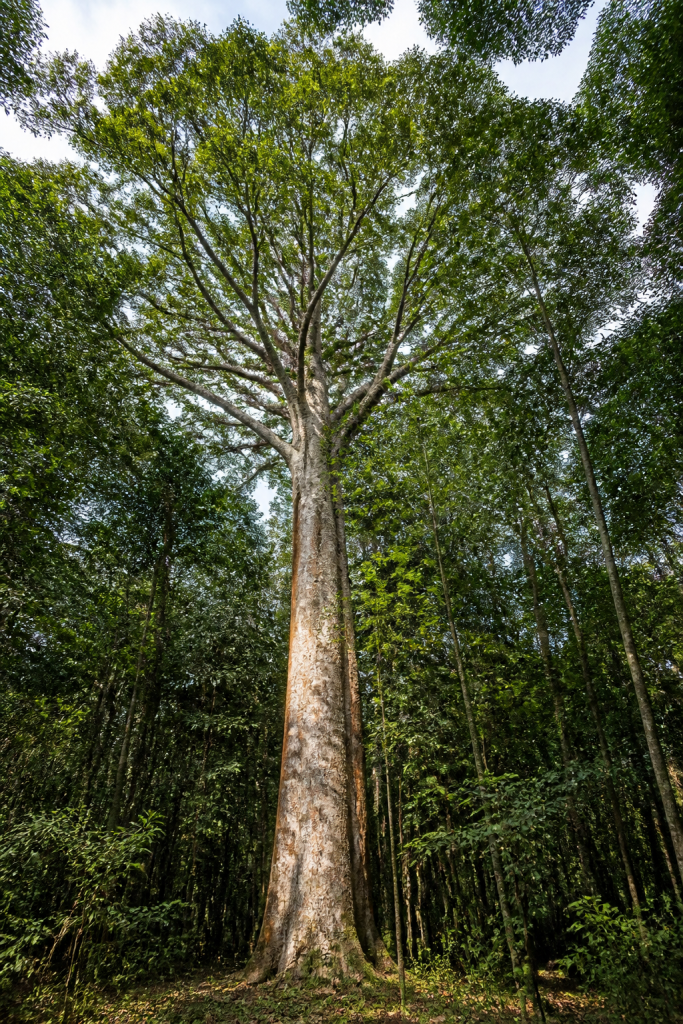
- Tree Size: Up to about 164 ft (50 m) tall
- Average Dried Weight: Approximately 38 lb/ft³ (610 kg/m³)
- Janka Hardness: Approximately 1,195 lbf (5,315 N)
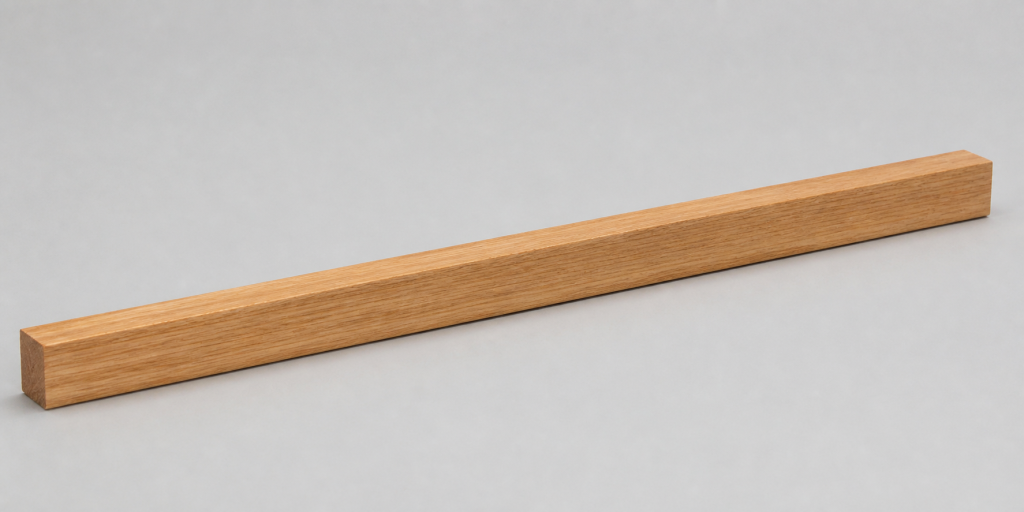
- Color: Pale cream to beige or light yellow-brown
- Grain: Usually straight; occasionally interlocked
- Texture: Medium and generally even
Identification Characteristics
Heartwood and sapwood are generally indistinct, producing a uniform yellowish-white to pale beige surface that may show a faint pink cast. The grain is normally straight, the texture medium, and luster low to moderate. Pores are visible to the unaided eye and occur singly and in multiples; growth layers may be marked by fibrous zones. Figure is usually subdued, so identification relies more on color, anatomy, density, and provenance than dramatic grain.
Key identification traits include:
- Little color distinction between heartwood and sapwood
- Yellowish-white to pale beige color
- Straight grain and medium texture
- Low to moderate natural luster
- Visible medium-sized pores
- Generally plain, even figure
Working Properties
Tauari is rated fair to good in standard machining operations and is relatively soft to cut for its moderate density. Straight-grained stock planes and molds cleanly, while sharp tools help avoid fuzzy surfaces. The timber dries rapidly with relatively modest distortion in documented schedules, glues and finishes satisfactorily, and can be bent or curved for suitable products. Its porous structure also accepts preservative treatment readily.
- Fair to good overall machining performance
- Planes and shapes well when grain is straight
- Glues, sands, and finishes satisfactorily
- Dries rapidly with controlled kiln schedules
- Readily accepts preservative treatment
- Suitable for veneer, plywood, and bent components
Safety Note
Tauari dust may irritate the eyes, skin, and respiratory tract, as can dust from many tropical hardwoods. Reports for timber sold under this trade name may involve more than one Couratari species, so species-specific reaction data should be interpreted cautiously. Use dust extraction, eye protection, and appropriate respiratory protection during machining and sanding.
Common Uses
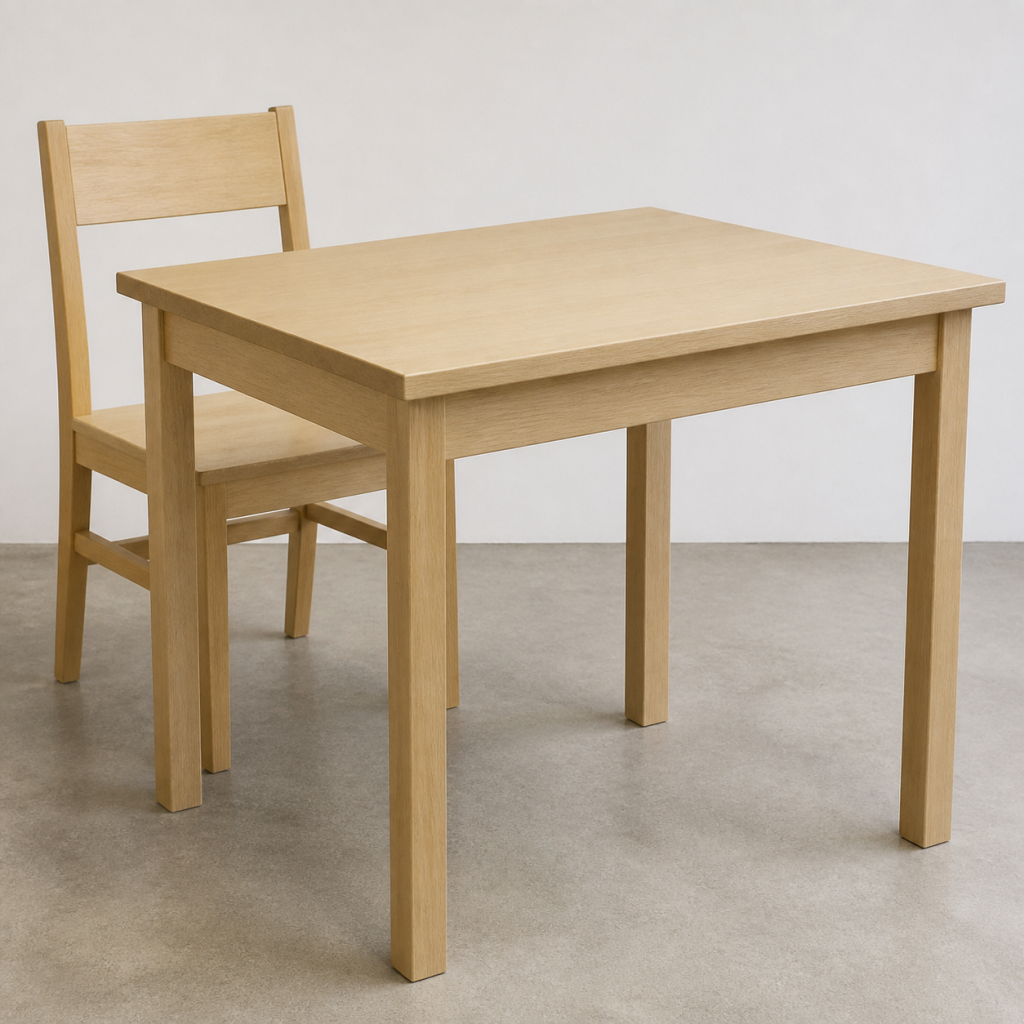

Tauari’s pale color, moderate density, and dependable machining qualities support a broad range of interior and manufactured applications, including:
- Furniture and furniture components
- Interior doors, windows, trim, and paneling
- Flooring
- Veneer and plywood
- Boxes, crates, pallets, and packaging
- Toys and sporting goods
- Musical-instrument components
- Dowels, handles, bobbins, and turned utility items
Sustainability & Notes
Couratari oblongifolia is accepted by Plants of the World Online and occurs across the Guianas and northern, northeastern, and west-central Brazil. A species-specific IUCN assessment was not confirmed in the sources reviewed, and no CITES listing should be inferred from the trade name alone. Because “tauari” can pool several anatomically similar Couratari species, responsible purchasing requires botanical identification, traceable origin, and documentation of legal harvest from managed Amazonian forests.
Comparative Notes & Related Species
Jequitibá Rosa – A Brazilian Lecythidaceae timber with pinkish tones and a similar range of interior uses.
Jequitibá Branco – A related pale Brazilian timber that can resemble lighter tauari stock.
Brazil Nut – Another South American member of the Lecythidaceae family used for timber and non-timber forest products.
Related Guides
Wood Families & Trade Groups – Understand botanical relationships and the limits of common trade names.
How to Identify Exotic Hardwood by Grain Pattern – Review practical visual features used in preliminary identification.
Identifying Unknown Wood Samples – Learn why provenance and anatomical evidence matter when similar woods share a name.
Compare Wood Properties
See how this species ranks in density and hardness using our Wood Density & Janka Hardness Chart. You can also explore Hardest Woods, Softest Woods, and Most Dense Woods for quick comparisons.
Collector Notes
A documented sample of Couratari oblongifolia is useful because commercial tauari often represents a multi-species trade group. The wood’s pale, even appearance may seem ordinary beside strongly figured exotics, but a verified specimen provides important reference value for distinguishing Couratari from oak and from other light Amazonian hardwoods.
Share Your Photos of This Species
Do you have lumber, wood samples, tree photographs, woodworking projects, furniture, carvings, turnings, musical instruments, or other items made from this species?
Exotic Woods of the World welcomes photographs from woodworkers, collectors, sawyers, researchers, and wood enthusiasts around the world. Selected submissions may be featured on this page and throughout our website to help document and showcase real-world examples of this species.
When submitting photos, please include the common name, scientific name (if known), a brief description, and any information you would like us to share with the image.
Wood Sample Collection
This species is part of an ongoing effort to document and preserve wood samples from around the world.
Learn more about contributing to the collection:
Resources
Authoritative botanical and forestry references used in compiling information about this species include:
• USDA Forest Service – Wood Handbook: Wood as an Engineering Material
https://www.fpl.fs.usda.gov/products/publications/
• The Wood Database – Global reference for wood identification, physical properties, and woodworking characteristics
https://www.wood-database.com/
• Royal Botanic Gardens, Kew – Plants of the World Online – Botanical taxonomy and species distribution database
https://powo.science.kew.org/
• International Union for Conservation of Nature (IUCN Red List) – Global conservation status assessments
https://www.iucnredlist.org/
• Convention on International Trade in Endangered Species (CITES) – International trade regulations for protected plant species
https://cites.org/
Additional forestry publications, academic research papers, and regional timber studies may also be referenced where available.
Love This Species?
Enjoy learning about this wood species?
Help support the continued growth of Exotic Woods of the World by participating in our Adopt a Species program. Your support helps fund species research, educational content, photography, videos, and future conservation awareness initiatives.
Support Forest Conservation
This species is part of the growing Exotic Woods of the World reference archive, dedicated to documenting and preserving knowledge of the world’s wood species.
Through the Adopt a Species program, visitors can help support ongoing species research, educational content, photography, video production, and future conservation awareness initiatives.
Contributions help fund the continued expansion of this archive while promoting sustainable forestry education and the long-term appreciation of the world’s forests.
Interested in supporting this species? Visit our Adopt a Species and Conservation Partners pages to learn more.
Availability & Where to Buy
Exotic hardwood availability can vary significantly depending on region, sustainability regulations, and supplier inventory.
As this archive grows, recommended suppliers and specialty wood retailers will be listed here to help woodworkers locate responsibly sourced material.
Lumber Suppliers:
Availability varies — see the Where to Buy Exotic Woods page for current sources.
Related Tools & Products:
Availability varies — see the Where to Buy Exotic Woods page for current sources.
Share This Wood Species
Stay Connected
Follow the latest species additions, educational resources, videos, conservation initiatives, and major project milestones through our Site Updates archive.
The Site Updates archive provides a permanent record of new content, library growth, and future developments across Exotic Woods of the World.