

Black Ash
Scientific name: Fraxinus nigra
Overview
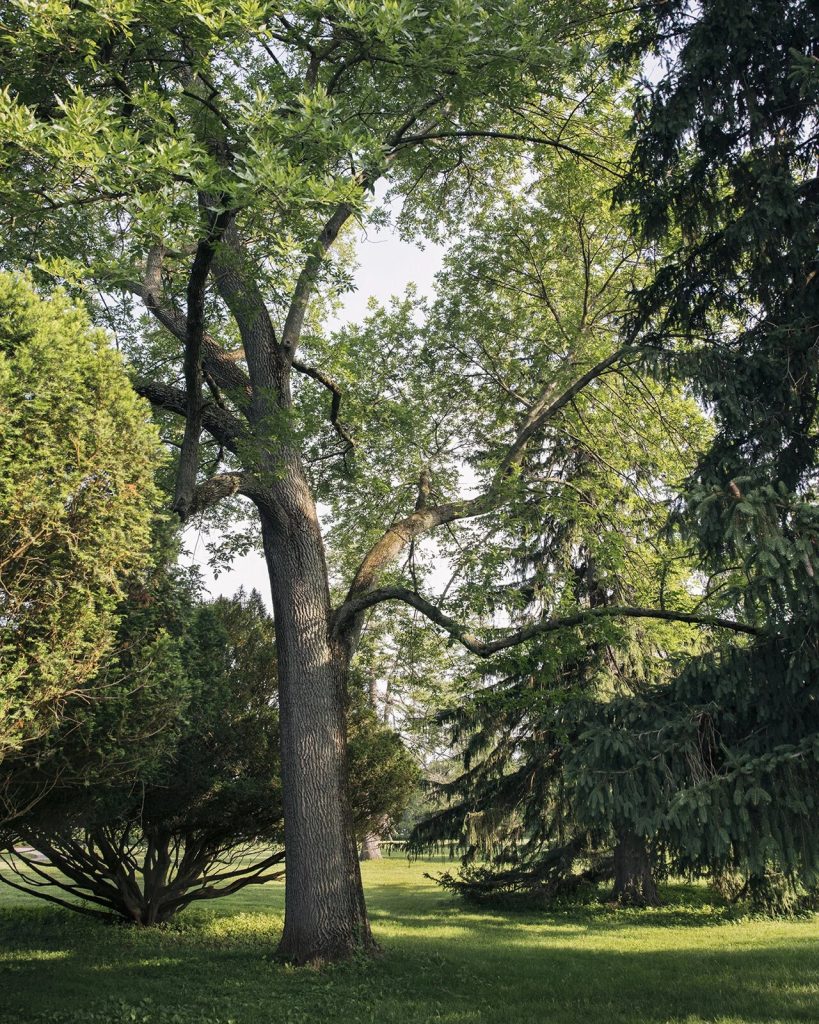
Black Ash is a northern North American hardwood of swamps, wet woods and poorly drained lowlands. Its names Brown Ash and Basket Ash reflect both the timber’s appearance and its long association with splint basketry. It belongs to the olive family and is a true ash, rather than one of the unrelated trees also sold under an ash name.
A defining feature is the contrast between porous earlywood and tougher latewood. Skilled basket makers pound selected logs to release annual growth layers, then divide and smooth them into flexible weaving splints. Black Ash also supplies useful interior lumber, but its relatively low weight and hardness distinguish it from heavier commercial ashes.
Quick Facts
- Common Name: Black Ash
- Alternate Common Names: Brown Ash, Basket Ash, Swamp Ash
- Scientific Name: Fraxinus nigra
- Region: North American Woods — Northeastern United States, Great Lakes region and southeastern Canada
- Family: Oleaceae
- Tree Size: Commonly 40–70 ft (12–21 m) tall; mature trunks often 1–2 ft (0.3–0.6 m) in diameter
- Average Dried Weight: Approximately 34 lb/ft³ (545 kg/m³)
- Janka Hardness: Approximately 850 lbf (3,780 N)
- Color: Pale sapwood with brown to gray-brown heartwood
- Grain: Usually straight, with distinct growth rings
- Texture: Coarse and ring-porous
Identification Characteristics
A clean transverse surface shows a band of large earlywood vessels at each growth-ring boundary, followed by smaller pores in the latewood. Face grain can display strong sweeping patterns, even when the color difference between sapwood and heartwood is modest.
Neither a dark color nor a swamp origin proves the species. Ash lumber is often grouped commercially, and source-tree documentation is more reliable than assigning a species from a finished board. Black Ash leaves normally have stalkless lateral leaflets, which can help confirm a documented tree sample.
Key identification traits include:
- Distinct bands of large earlywood pores
- Brown or gray-brown heartwood with lighter sapwood
- Usually straight grain and a coarse surface texture
- Fine rays rather than the broad ray fleck of oak
- Annual layers separable in suitable basket-grade logs
- Opposite compound leaves with stalkless lateral leaflets

Working Properties
Treat Black Ash as a workable interior hardwood with a special aptitude for splint work. Basket-grade selection is demanding: straight, clean sections and suitable growth rings matter more than simply finding a tree of the correct species. A usable sawlog is not automatically a suitable basket log.
For furniture, plan cuts around knots and grain runout, and support thin edges to reduce breakout. Keep smoothing and scraping tools sharp. Its open pores remain visible under a clear finish; use a test panel when deciding between an open-grain appearance and a filled, smooth surface.
- Saw and machine sound stock with sharp tools
- Keep thin sections supported during shaping
- Select clean, straight grain for bending and splints
- Expect lower dent resistance than White Ash
- Acclimate dried lumber before final sizing
- Allow cross-grain movement in panels and seats
- Test stains on both face and end grain
- Choose adhesive and finish using a prepared offcut
Safety Note
Wood dust can irritate the skin, eyes and respiratory tract. Use effective dust extraction, eye protection and suitable respiratory protection when machining or sanding. Inspect salvaged material for embedded metal, cracks and decay before cutting, and assess dead standing trees professionally before removal.
Common Uses
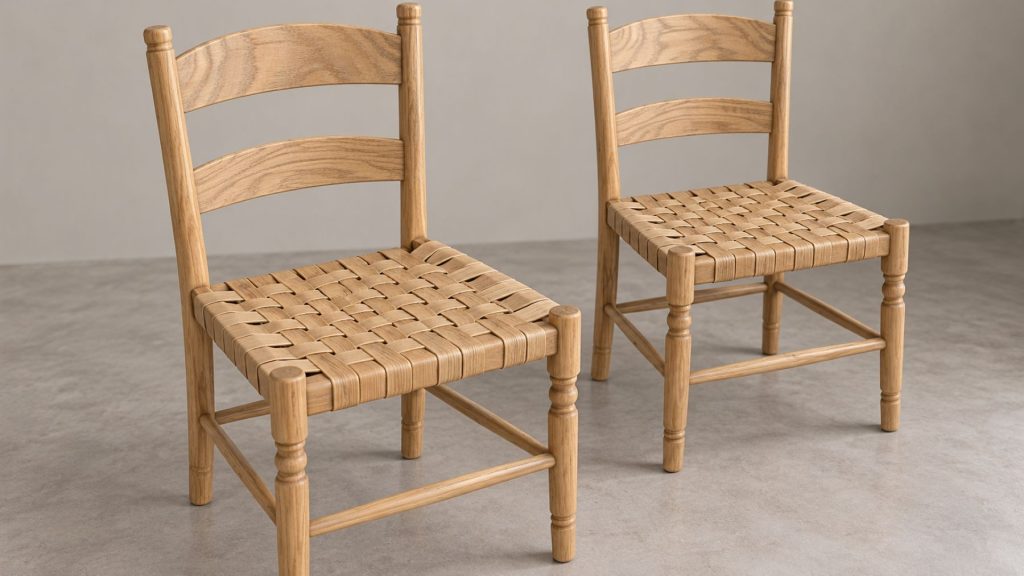
Black Ash is especially valued in Indigenous basket-making traditions of northeastern North America. The material’s ability to yield long, pliable growth-ring splints supports baskets and woven chair seats that cannot be understood simply as ordinary sawn-lumber products.
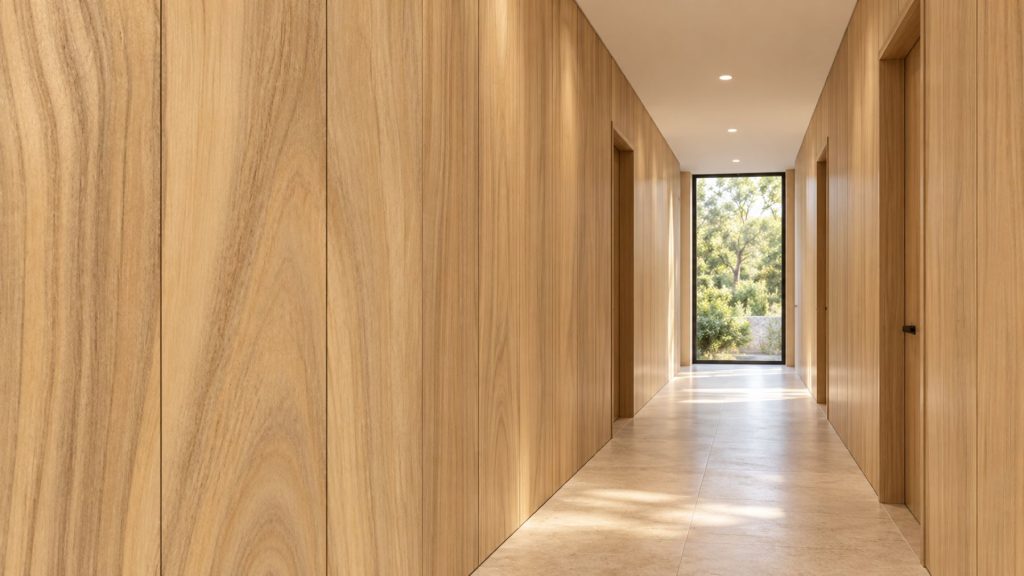
Other recorded uses include furniture, cabinetry, paneling and interior trim. Match the stock to the job: a light decorative panel has different demands from a bent component or a repeatedly loaded handle.
- Splint baskets
- Woven chair seats
- Furniture and cabinet components
- Interior paneling and trim
- Traditional hoops and bent components
- Documented wood samples and educational collections
Sustainability & Notes
Emerald ash borer is a serious threat to Black Ash, with consequences for wetland forests and the communities whose cultural practices depend on basket-grade trees. Responsible sourcing includes the continuity of those traditions as well as the recovery of usable timber.
Prefer documented, authorized material and coordinate specialty log recovery with experienced basket makers where appropriate. Salvage does not remove pest-transport concerns: follow current local requirements for logs, bark and firewood, and inspect stock for decay before use.
Comparative Notes & Related Species
Related Guides
- Ash Species Guide
- How to Identify Wood by End Grain Patterns
- Best Woods for Furniture Making
- Moisture Content & Long Term Stability
- Labeling and Cataloging Wood Samples
Compare Wood Properties
See how this species ranks in density and hardness using our Wood Density & Janka Hardness Chart. You can also explore Hardest Woods, Softest Woods, and Most Dense Woods for quick comparisons.
Collector Notes
Keep a transverse sample showing several complete rings, plus radial and tangential faces. When possible, preserve a separate prepared splint so the relationship between the annual ring and the woven material can be studied without damaging the main specimen.
Record the source tree, locality, preparation method and whether the material was selected for basketry or sawn lumber. Retain the maker’s attribution with any woven example. A generic “swamp ash” label is insufficient evidence of species.
Share Your Photos of This Species
Do you have lumber, wood samples, tree photographs, woodworking projects, furniture, carvings, turnings, musical instruments, or other items made from this species?
Exotic Woods of the World welcomes photographs from woodworkers, collectors, sawyers, researchers, and wood enthusiasts around the world. Selected submissions may be featured on this page and throughout our website to help document and showcase real-world examples of this species.
When submitting photos, please include the common name, scientific name (if known), a brief description, and any information you would like us to share with the image.
Wood Sample Collection
This species is part of an ongoing effort to document and preserve wood samples from around the world.
Learn more about contributing to the collection:
Resources
Authoritative botanical and forestry references used in compiling information about this species include:
• USDA Forest Service – Wood Handbook: Wood as an Engineering Material
https://www.fpl.fs.usda.gov/products/publications/
• The Wood Database – Global reference for wood identification, physical properties, and woodworking characteristics
https://www.wood-database.com/
• Royal Botanic Gardens, Kew – Plants of the World Online – Botanical taxonomy and species distribution database
https://powo.science.kew.org/
• International Union for Conservation of Nature (IUCN Red List) – Global conservation status assessments
https://www.iucnredlist.org/
• Convention on International Trade in Endangered Species (CITES) – International trade regulations for protected plant species
https://cites.org/
Additional forestry publications, academic research papers, and regional timber studies may also be referenced where available.
Love This Species?
Enjoy learning about this wood species?
Help support the continued growth of Exotic Woods of the World by participating in our Adopt a Species program. Your support helps fund species research, educational content, photography, videos, and future conservation awareness initiatives.
Support Forest Conservation
This species is part of the growing Exotic Woods of the World reference archive, dedicated to documenting and preserving knowledge of the world’s wood species.
Through the Adopt a Species program, visitors can help support ongoing species research, educational content, photography, video production, and future conservation awareness initiatives.
Contributions help fund the continued expansion of this archive while promoting sustainable forestry education and the long-term appreciation of the world’s forests.
Interested in supporting this species? Visit our Adopt a Species and Conservation Partners pages to learn more.
Availability & Where to Buy
Exotic hardwood availability can vary significantly depending on region, sustainability regulations, and supplier inventory.
As this archive grows, recommended suppliers and specialty wood retailers will be listed here to help woodworkers locate responsibly sourced material.
Lumber Suppliers:
Availability varies — see the Where to Buy Exotic Woods page for current sources.
Related Tools & Products:
Availability varies — see the Where to Buy Exotic Woods page for current sources.
Share This Wood Species
Stay Connected
Follow the latest species additions, educational resources, videos, conservation initiatives, and major project milestones through our Site Updates archive.
The Site Updates archive provides a permanent record of new content, library growth, and future developments across Exotic Woods of the World.