

Dildo Wood
Scientific name: Acanthocereus tetragonus
Overview
Dildo Wood is a regional Caribbean name applied to several species, most commonly associated with columnar cactus-like trees and certain dense tropical hardwoods used locally for small-scale applications. The name originates from traditional Caribbean terminology and is not indicative of its woodworking value or characteristics.
In woodworking contexts, Dildo Wood is typically referenced for its dense structure, durability, and use in small crafted or utility items. It is not a commercial lumber species but holds regional importance and adds to the diversity of Caribbean hardwoods represented in local use.
Quick Facts
- Common Name: Dildo Wood
- Scientific Name: Acanthocereus tetragonus
- Region: Caribbean & West Indies Hardwoods
- Tree Size: Varies widely depending on species; often small to medium-sized
- Average Dried Weight: Variable (generally moderate to high depending on species)
- Janka Hardness: Not officially rated
- Color: Light tan to medium brown
- Grain: Irregular to fibrous depending on species
- Texture: Coarse to variable
Identification Characteristics
Dildo Wood varies significantly depending on the exact species being referenced, but it is generally recognized by its irregular structure and fibrous or coarse texture. Unlike traditional hardwoods, it may not exhibit a clean, uniform grain pattern.
Key identification traits include:
- Variable coloration from light tan to brown
- Irregular or fibrous structure
- Coarse texture in many cases
- Often sourced in small or non-standard pieces


Working Properties
Dildo Wood is not typically used in standard woodworking due to its irregular structure and variable density. When workable, it is usually used for small items or carved pieces rather than precision joinery. Its performance can vary significantly depending on the exact species and material quality.
- Variable machinability depending on species
- Better suited for carving than fine joinery
- May require stabilization for certain uses
- Not ideal for structural or precision applications
- Typically used in small, simple forms
Safety Note
Due to variability across species, dust and handling effects are not well documented. Standard precautions including dust protection and proper ventilation should always be used.
Common Uses
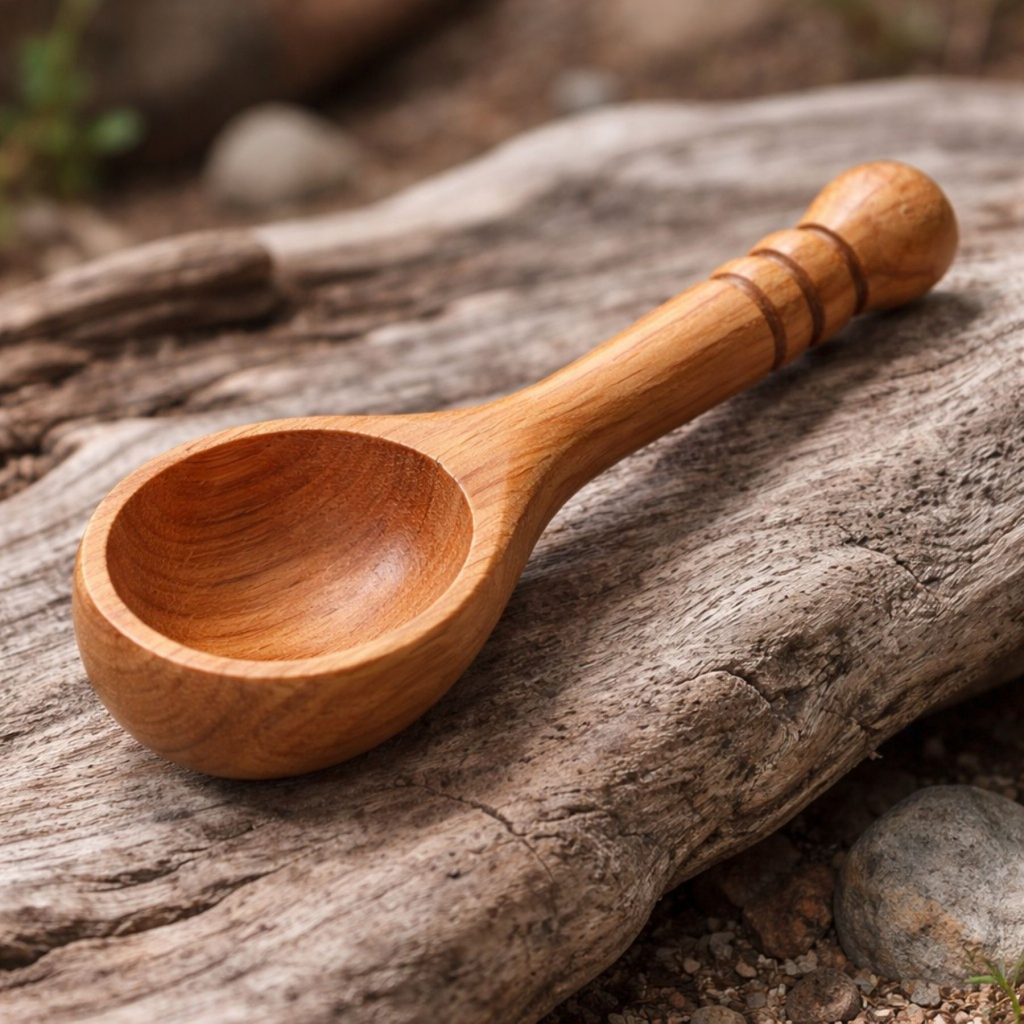
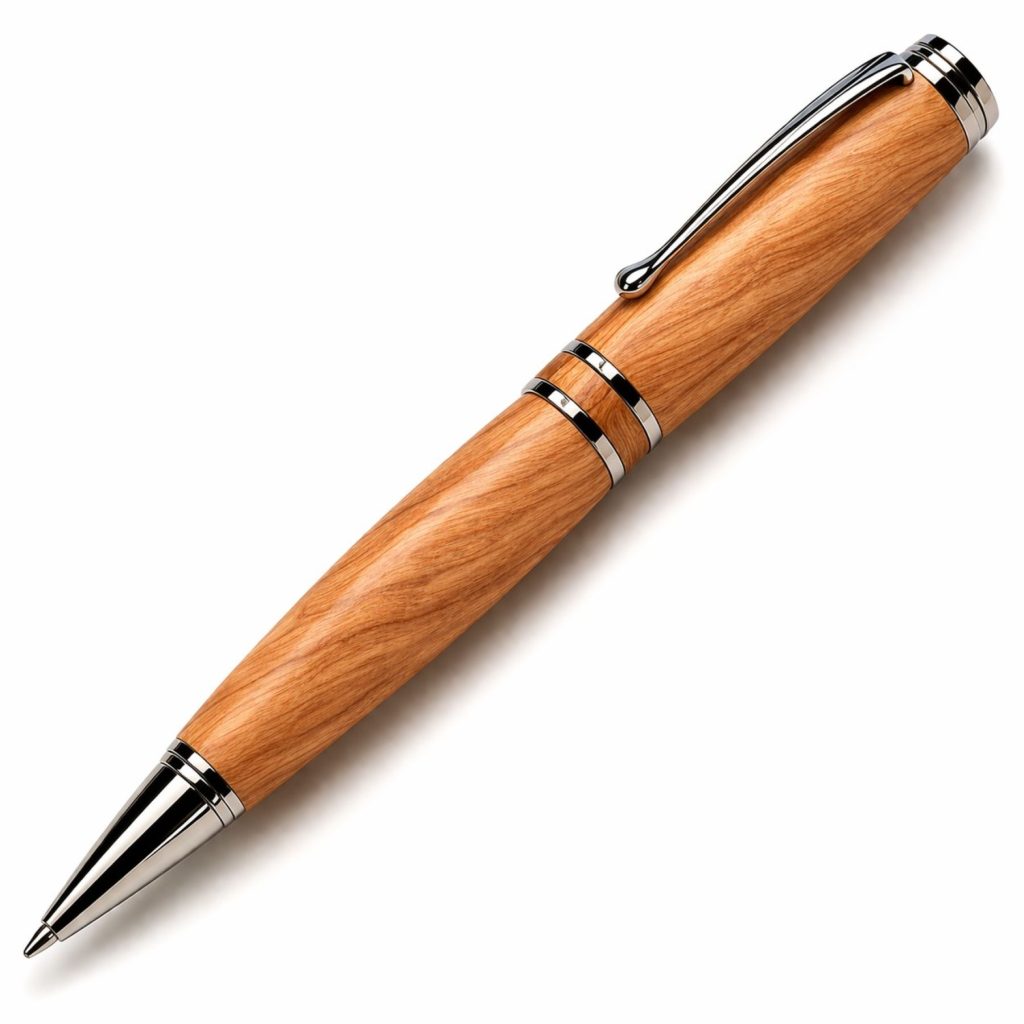
Dildo Wood is primarily used in small-scale or traditional applications rather than commercial woodworking.
- Carved objects
- Small craft items
- Decorative pieces
- Regional or traditional uses
- Novelty or specialty items
Sustainability & Notes
Because the name applies to multiple species and is typically used in localized contexts, there is limited large-scale harvesting or trade. Its use is generally small-scale and regionally contained, with minimal commercial impact.
Comparative Notes & Related Species
Spanish Cedar — More refined and stable with a consistent grain and natural resistance to insects, making it far more suitable for cabinetry and interior applications.
Ceiba — Another lightweight tropical species with a less defined grain structure, though generally easier to work and more consistent than Dildo Wood.
Caribbean Pine — More uniform and predictable in structure, commonly used in construction and general woodworking compared to the irregular nature of Dildo Wood.
Related Guides
How to Identify Exotic Hardwood by Grain Pattern — Helps distinguish irregular or non-traditional wood structures like those found in Dildo Wood.
Drying & Acclimating Exotic Woods — Important when working with variable-density materials that may behave unpredictably.
Why Some Species Become Restricted — Provides context on lesser-known regional species and their limited commercial presence.
Compare Wood Properties
See how this species ranks in density and hardness using our Wood Density & Janka Hardness Chart. You can also explore Hardest Woods, Softest Woods, and Most Dense Woods for quick comparisons.
Collector Notes
Dildo Wood is more of a curiosity or regional representation piece than a traditional collector wood. Its value lies in its uniqueness and the diversity it adds to a Caribbean-focused collection rather than in visual appeal or rarity.
Share Your Photos of This Species
Do you have lumber, wood samples, tree photographs, woodworking projects, furniture, carvings, turnings, musical instruments, or other items made from this species?
Exotic Woods of the World welcomes photographs from woodworkers, collectors, sawyers, researchers, and wood enthusiasts around the world. Selected submissions may be featured on this page and throughout our website to help document and showcase real-world examples of this species.
When submitting photos, please include the common name, scientific name (if known), a brief description, and any information you would like us to share with the image.
Wood Sample Collection
This species is part of an ongoing effort to document and preserve wood samples from around the world.
Learn more about contributing to the collection:
Resources
Authoritative botanical and forestry references used in compiling information about this species include:
• USDA Forest Service – Wood Handbook: Wood as an Engineering Material
https://www.fpl.fs.usda.gov/products/publications/
• The Wood Database – Global reference for wood identification, physical properties, and woodworking characteristics
https://www.wood-database.com/
• Royal Botanic Gardens, Kew – Plants of the World Online – Botanical taxonomy and species distribution database
https://powo.science.kew.org/
• International Union for Conservation of Nature (IUCN Red List) – Global conservation status assessments
https://www.iucnredlist.org/
• Convention on International Trade in Endangered Species (CITES) – International trade regulations for protected plant species
https://cites.org/
Additional forestry publications, academic research papers, and regional timber studies may also be referenced where available.
Love This Species?
Enjoy learning about this wood species?
Help support the continued growth of Exotic Woods of the World by participating in our Adopt a Species program. Your support helps fund species research, educational content, photography, videos, and future conservation awareness initiatives.
Support Forest Conservation
This species is part of the growing Exotic Woods of the World reference archive, dedicated to documenting and preserving knowledge of the world’s wood species.
Through the Adopt a Species program, visitors can help support ongoing species research, educational content, photography, video production, and future conservation awareness initiatives.
Contributions help fund the continued expansion of this archive while promoting sustainable forestry education and the long-term appreciation of the world’s forests.
Interested in supporting this species? Visit our Adopt a Species and Conservation Partners pages to learn more.
Availability & Where to Buy
Exotic hardwood availability can vary significantly depending on region, sustainability regulations, and supplier inventory.
As this archive grows, recommended suppliers and specialty wood retailers will be listed here to help woodworkers locate responsibly sourced material.
Lumber Suppliers:
Availability varies — see the Where to Buy Exotic Woods page for current sources.
Related Tools & Products:
• RUITOOL Japanese Double Edge Ryoba Pull Saw for precise flush cuts, joinery, and detailed woodworking
https://amzn.to/4ukw5Vg
• 800W Compact Wood Router Tool Kit with 15-Piece Router Bit Set for trimming, edge work, and shaping wood surfaces
https://amzn.to/498gKP4
• IRWIN Quick-Grip One-Handed Mini Bar Clamps for holding woodworking pieces securely during assembly and glue-ups
https://amzn.to/4wvTvsl
Share This Wood Species
Stay Connected
Follow the latest species additions, educational resources, videos, conservation initiatives, and major project milestones through our Site Updates archive.
The Site Updates archive provides a permanent record of new content, library growth, and future developments across Exotic Woods of the World.