
Dwarf Birch
Scientific name: Betula nana
Overview
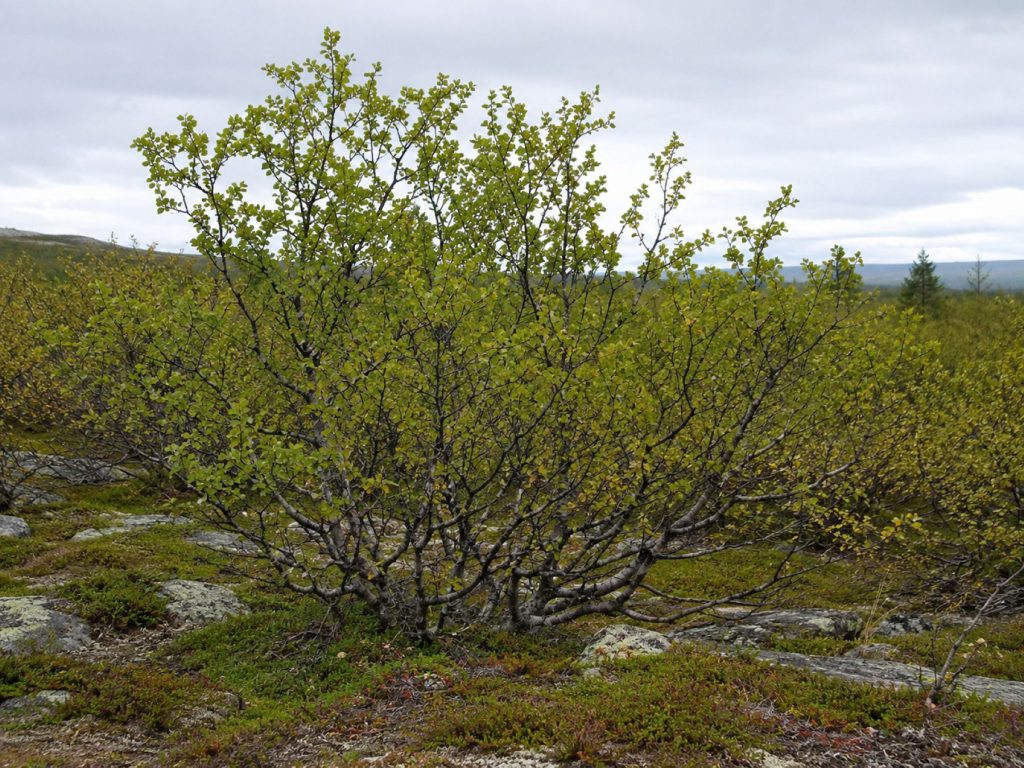
Dwarf Birch is a small, cold-hardy member of the birch family native to Arctic, subarctic, and high-elevation regions of Europe, Asia, Greenland, and northern North America. Unlike the large timber-producing birches, Betula nana typically grows as a low shrub, often forming dense thickets across tundra, heathlands, bogs, and exposed mountain environments.
Because of its extremely small size, Dwarf Birch has essentially no commercial lumber importance. Its wood is primarily encountered in small branches and stems suitable for crafts, carving, educational specimens, and wood collections. The species is nevertheless important botanically and ecologically because it demonstrates the remarkable ability of woody plants to survive in some of the world’s coldest environments.
Quick Facts
- Common Name: Dwarf Birch
- Scientific Name: Betula nana
- Region: European Hardwoods / Circumboreal Regions
- Tree Size: Typically 1–4 ft (0.3–1.2 m) tall
- Average Dried Weight: Limited reliable species-specific data available
- Janka Hardness: Reliable species-specific value not widely documented
- Grain: Generally straight to irregular
- Texture: Fine
Identification Characteristics
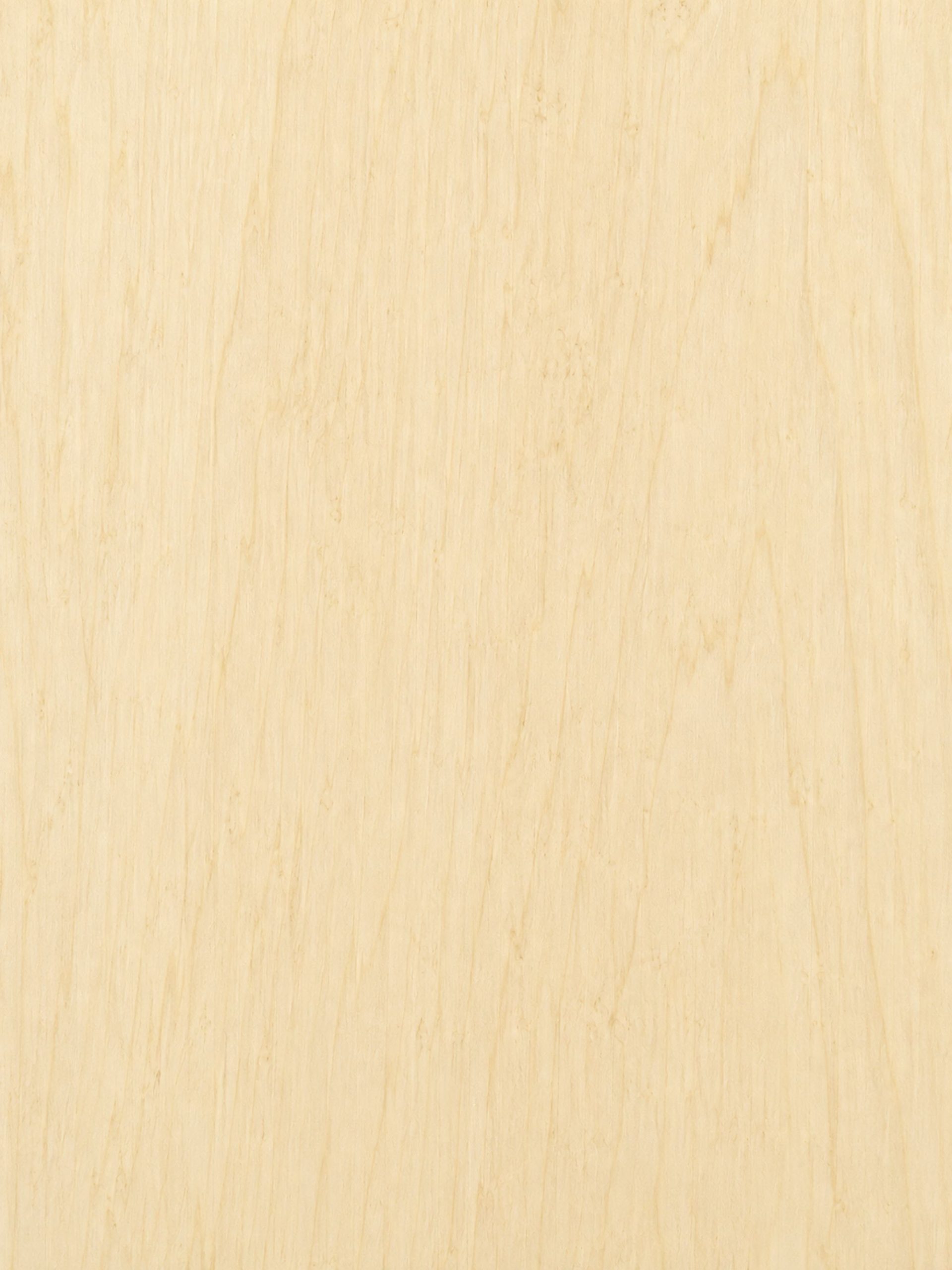
Dwarf Birch produces very small woody stems with pale cream to light brown coloration. There is generally little visual distinction between heartwood and sapwood because of the limited diameter of mature stems. The grain is fine but can become irregular due to the shrub’s twisted, low-growing form and exposure to severe environmental conditions.
Key identification traits include:
- Pale cream to light brown wood
- Very small stem diameter
- Fine texture
- Straight to irregular grain
- Little distinction between heartwood and sapwood
- Dense, shrubby growth habit
- Extremely limited availability as usable lumber
Working Properties
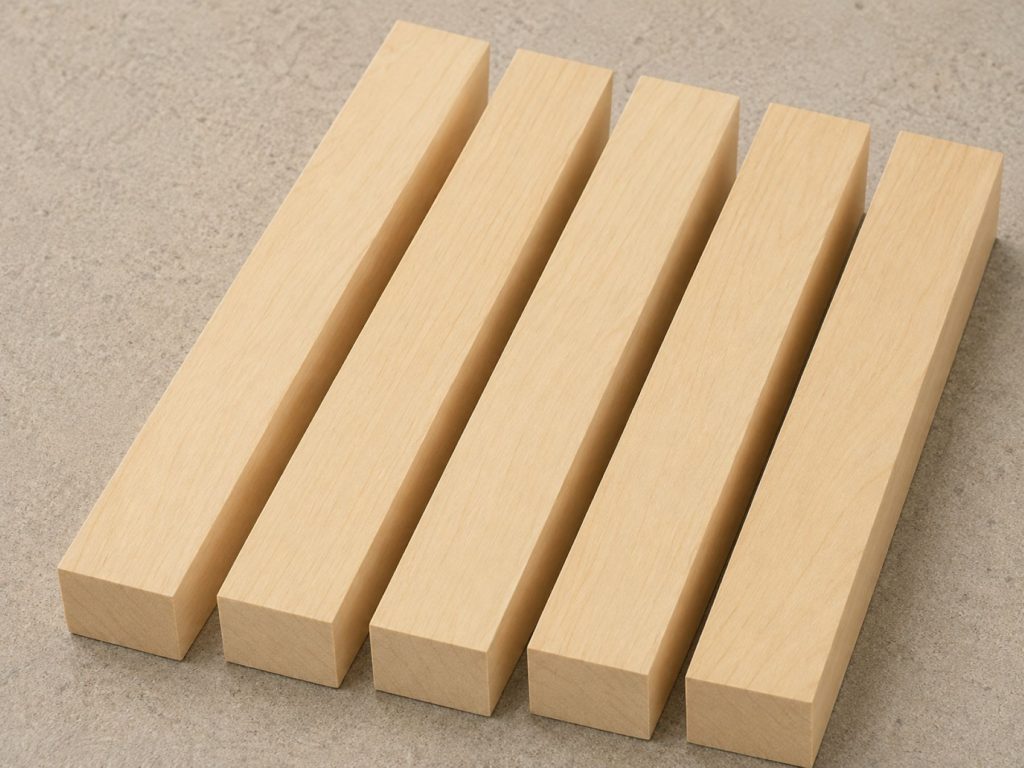
Dwarf Birch is rarely processed using conventional lumber-making methods because its stems are too small to produce standard boards. Small pieces can be carved, turned, sanded, and polished for specialty projects. Irregular grain and curved stems can make machining unpredictable, but the fine texture is capable of producing a smooth finished surface.
- Carves well in small pieces
- Suitable for miniature turning
- Sands to a smooth surface
- Accepts clear finishes well
- Small stems severely limit usable dimensions
- Irregular growth may produce unpredictable grain
- Primarily suitable for craft and collector applications
Safety Note
Birch wood dust may cause skin, eye, or respiratory irritation in sensitive individuals. Appropriate dust collection, eye protection, and respiratory protection are recommended whenever the wood is cut, carved, or sanded.
Common Uses

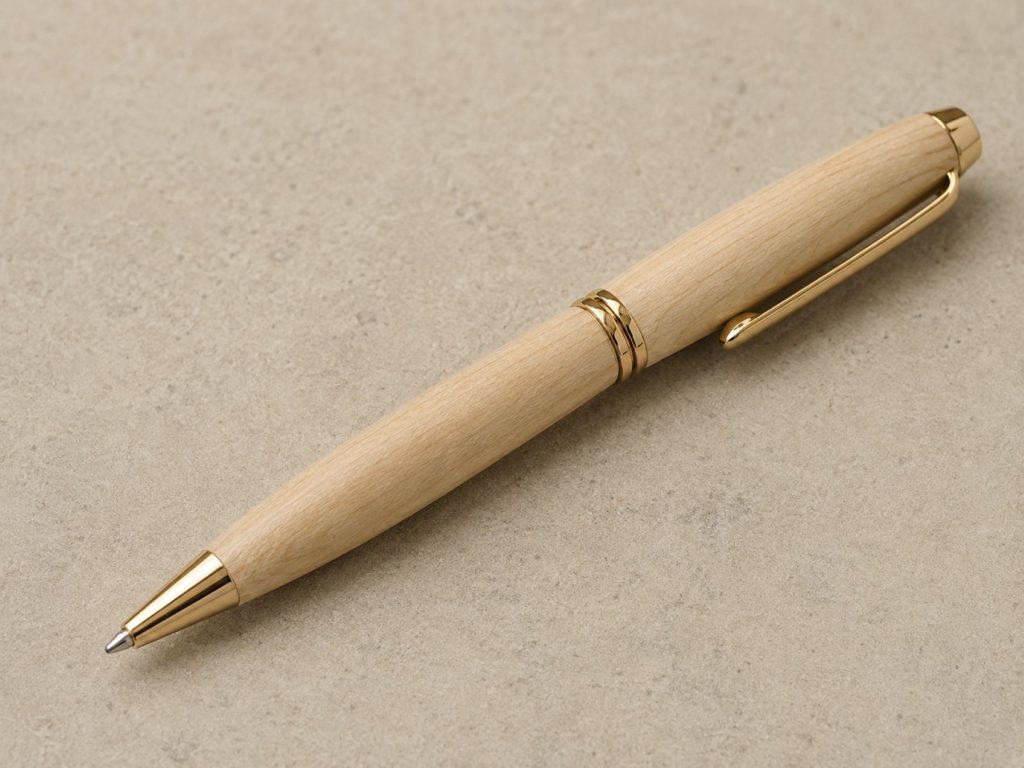
Its extremely small size limits Dwarf Birch to numerous small-scale and specialty woodworking applications, including:
- Wood carvings
- Small turned objects
- Decorative crafts
- Walking-stick details
- Miniature woodworking
- Educational specimens
- Botanical collections
- Wood sample collections
- Natural decorative pieces
- Specialty craft projects
Sustainability & Notes
Dwarf Birch is widely distributed across northern circumpolar regions and is particularly well adapted to tundra and subarctic environments. Its low-growing form helps protect the plant from extreme winds, cold temperatures, and heavy snow.
The species can play an important ecological role in northern landscapes by providing cover and browse for wildlife and contributing organic material to nutrient-poor soils. Because it has essentially no commercial timber industry, harvesting pressure for wood is minimal compared with larger birch species.
Climate-related changes in Arctic and subarctic vegetation may influence the future distribution and abundance of dwarf shrubs such as Dwarf Birch.
Comparative Notes & Related Species
Downy Birch – A much larger northern birch that overlaps portions of Dwarf Birch’s range and can produce usable commercial timber.
Silver Birch – A widespread European birch that grows considerably larger and is important for furniture, plywood, turning, and general woodworking.
Gray Birch – A relatively small North American birch that provides an interesting comparison with the much smaller shrub-like growth of Dwarf Birch.
Related Guides
Birch Species Guide – Explore birch species from around the world and compare their size, distribution, appearance, and woodworking characteristics.
How to Store Exotic Wood Samples – Learn proper storage methods for protecting small, unusual, and difficult-to-replace specimens in a wood collection.
Building a Documented Wood Collection – Discover how provenance, botanical identification, labeling, and recordkeeping can increase the educational value of uncommon specimens.
Compare Wood Properties
See how this species ranks in density and hardness using our Wood Density & Janka Hardness Chart. You can also explore Hardest Woods, Softest Woods, and Most Dense Woods for quick comparisons.
Collector Notes
Dwarf Birch is particularly interesting as a collector species because it represents the opposite end of the size spectrum from major commercial birches. Rather than providing large boards or veneer logs, the species produces tiny woody stems adapted to severe northern environments. A properly documented specimen adds ecological and botanical diversity to a collection and provides an excellent comparison with Downy Birch, Silver Birch, and larger members of the Betula genus.
Share Your Photos of This Species
Do you have lumber, wood samples, tree photographs, woodworking projects, furniture, carvings, turnings, musical instruments, or other items made from this species?
Exotic Woods of the World welcomes photographs from woodworkers, collectors, sawyers, researchers, and wood enthusiasts around the world. Selected submissions may be featured on this page and throughout our website to help document and showcase real-world examples of this species.
When submitting photos, please include the common name, scientific name (if known), a brief description, and any information you would like us to share with the image.
Wood Sample Collection
This species is part of an ongoing effort to document and preserve wood samples from around the world.
Learn more about contributing to the collection:
Resources
Authoritative botanical and forestry references used in compiling information about this species include:
• USDA Forest Service – Wood Handbook: Wood as an Engineering Material
https://www.fpl.fs.usda.gov/products/publications/
• The Wood Database – Global reference for wood identification, physical properties, and woodworking characteristics
https://www.wood-database.com/
• Royal Botanic Gardens, Kew – Plants of the World Online – Botanical taxonomy and species distribution database
https://powo.science.kew.org/
• International Union for Conservation of Nature (IUCN Red List) – Global conservation status assessments
https://www.iucnredlist.org/
• Convention on International Trade in Endangered Species (CITES) – International trade regulations for protected plant species
https://cites.org/
Additional forestry publications, academic research papers, and regional timber studies may also be referenced where available.
Love This Species?
Enjoy learning about this wood species?
Help support the continued growth of Exotic Woods of the World by participating in our Adopt a Species program. Your support helps fund species research, educational content, photography, videos, and future conservation awareness initiatives.
Support Forest Conservation
This species is part of the growing Exotic Woods of the World reference archive, dedicated to documenting and preserving knowledge of the world’s wood species.
Through the Adopt a Species program, visitors can help support ongoing species research, educational content, photography, video production, and future conservation awareness initiatives.
Contributions help fund the continued expansion of this archive while promoting sustainable forestry education and the long-term appreciation of the world’s forests.
Interested in supporting this species? Visit our Adopt a Species and Conservation Partners pages to learn more.
Availability & Where to Buy
Exotic hardwood availability can vary significantly depending on region, sustainability regulations, and supplier inventory.
As this archive grows, recommended suppliers and specialty wood retailers will be listed here to help woodworkers locate responsibly sourced material.
Lumber Suppliers:
Availability varies — see the Where to Buy Exotic Woods page for current sources.
Related Tools & Products:
Availability varies — see the Where to Buy Exotic Woods page for current sources.
Share This Wood Species
Stay Connected
Follow the latest species additions, educational resources, videos, conservation initiatives, and major project milestones through our Site Updates archive.
The Site Updates archive provides a permanent record of new content, library growth, and future developments across Exotic Woods of the World.