
Gray Birch
Scientific name: Betula populifolia
Overview
Gray Birch is a small northeastern North American hardwood that readily occupies old fields, burned ground and other open disturbed sites. It often forms slender clustered stems. Pale bark marked with dark patches gives the tree a distinctive appearance, although the wood itself is more subdued.
Its limited stem size helps explain why Gray Birch is better known for small woodenware and fuel than for wide furniture boards. The wood can be worked into useful turned and specialty objects, and it provides a helpful comparison with the heavier, harder birches used more widely for furniture and flooring.
Quick Facts
- Common Name: Gray Birch
- Alternate Common Names: Grey Birch, Old-Field Birch, Wire Birch
- Scientific Name: Betula populifolia
- Region: North American Woods — Northeastern United States and southeastern Canada, with scattered outlying populations
- Family: Betulaceae
- Tree Size: Usually 20–40 ft (6–12 m) tall, with slender trunks often much smaller than 1 ft (0.3 m) in diameter
- Average Dried Weight: Approximately 35 lb/ft³ (560 kg/m³)
- Janka Hardness: Approximately 760 lbf (3,380 N)
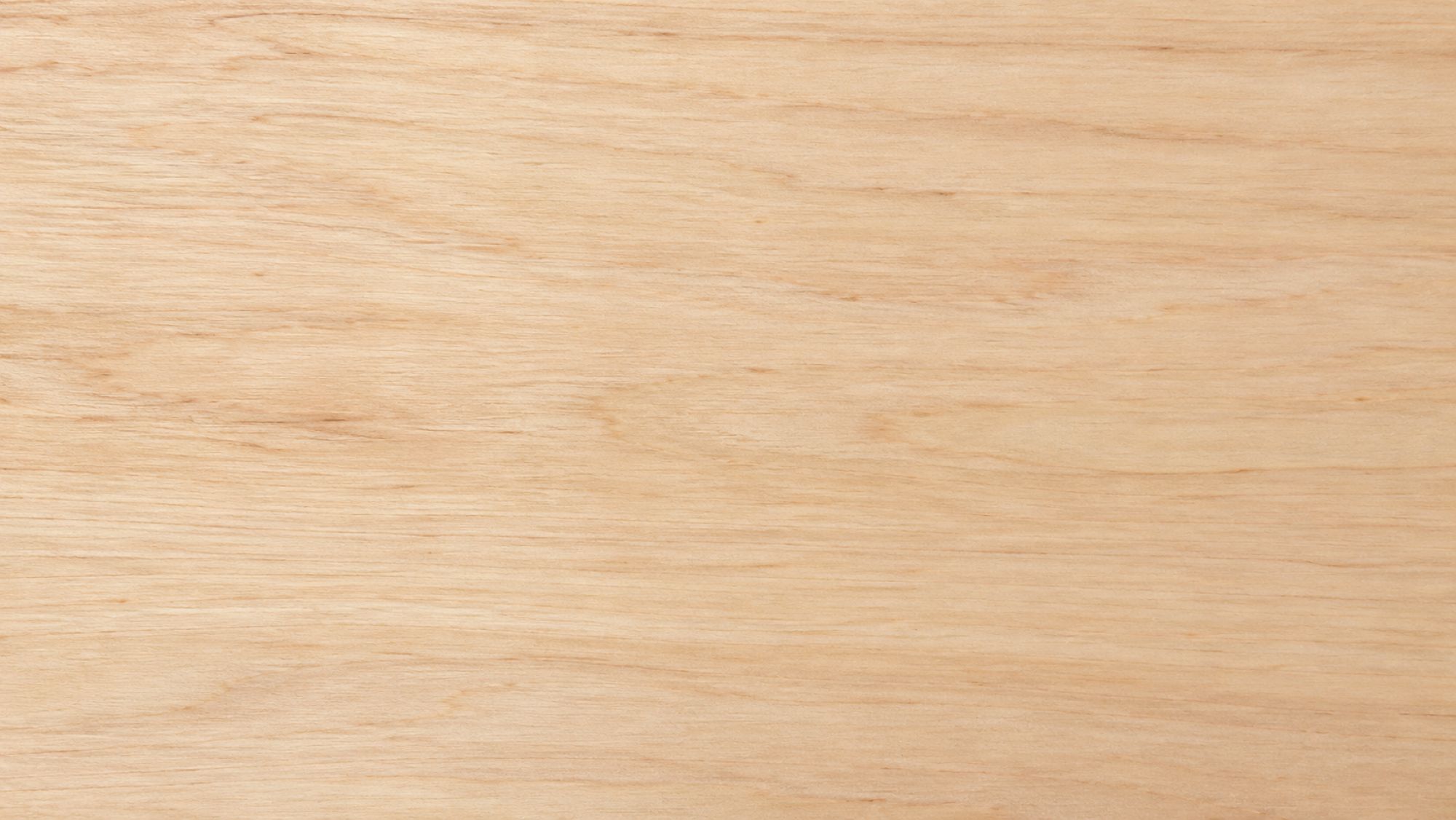
- Color: Nearly white sapwood and light reddish-brown heartwood
- Grain: Usually straight or slightly wavy
- Texture: Fine and even; diffuse-porous
Identification Characteristics
The wood has a fine, even texture with pores distributed through the annual ring. Nearly white sapwood and light reddish-brown heartwood can resemble other birches; growth-ring contrast is generally modest. A clean end-grain view is more informative than an old or stained face.
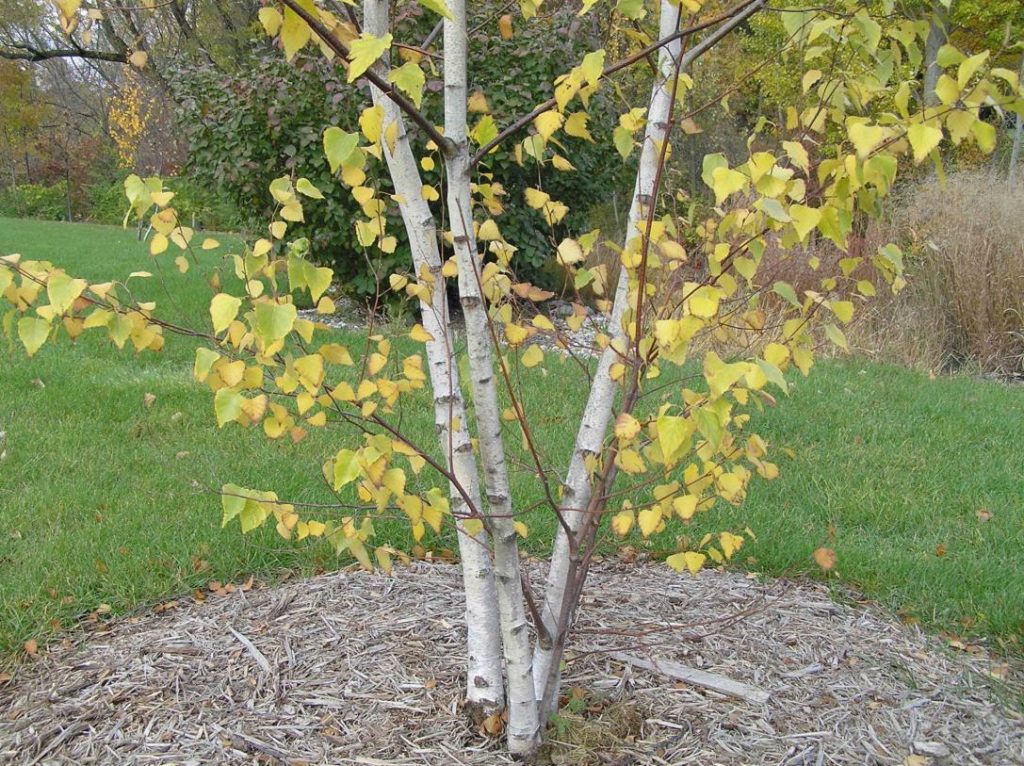
On the living tree, look for tight pale bark that does not peel in the broad papery sheets typical of Paper Birch, dark triangular patches below branches, and leaves with long pointed tips. These source-tree characters are especially valuable because the woods of several birch species are difficult to separate visually.
Key identification traits include:
- Diffuse-porous wood with relatively even vessel distribution
- Fine surface texture and modest ring contrast
- Pale sapwood with reddish-brown heartwood
- Generally straight or slightly wavy grain
- Tight pale bark with dark triangular branch markings
- Slender stems and long-pointed leaves on the source tree
Working Properties
Gray Birch usually machines, glues and turns readily, with extra care needed around wavy or irregular grain. Its lower hardness means finished edges and surfaces can dent more easily than those of heavier birches. Avoid over-tightening clamps and protect prepared parts while fitting adjacent components.
Small stems can contain a high proportion of pith, knots and curved grain. Plan the cut list before sawing: several short clear blanks may be more useful than one long piece with a weak center. Dry with support, check the moisture condition and make the final fit only after the material has acclimated.
- Separate pith and checks from small blanks
- Plan around knots and curved grain
- Use sharp tools to reduce tear-out
- Support narrow sections during shaping
- Protect soft surfaces from clamp marks
- Test stain and topcoat together
- Allow movement in solid-wood assemblies
- Keep finished objects in dry indoor service
Safety Note
Birch dust can irritate the skin and respiratory tract and may cause sensitization in some people. Use effective dust extraction, eye protection and suitable respiratory protection. Before turning small salvaged blanks, check for pith cracks, loose bark, decay and hidden defects.
Common Uses

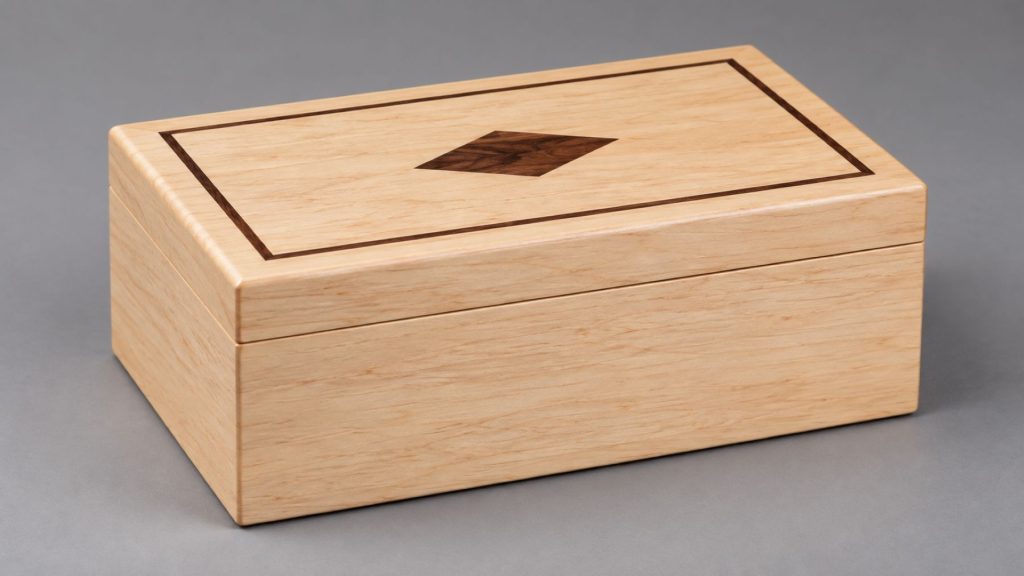
Gray Birch has a documented history in spools, spindles and other turned woodenware, as well as fuelwood. These applications fit a tree that commonly provides modest-diameter stems rather than large sawlogs.
For small projects, select sound grain and adequate wall or edge thickness. A species described as a hardwood is not automatically a high-wear material: Gray Birch’s botanical classification does not give it the dent resistance of Sweet Birch or other denser woods.
- Spools and spindles
- Small turned articles
- Woodenware
- Small boxes and interior specialty pieces
- Fuelwood
- Documented botanical and wood collections
Sustainability & Notes
Gray Birch is a pioneer tree that helps revegetate disturbed ground and provides food or cover for wildlife. Its presence on a rough or recently cleared site does not make every stem expendable; consider the role of the stand and the landowner’s management plans before obtaining material.
Local abundance varies across the range, so use traceable supply and check site restrictions when collecting. Small authorized offcuts or removal material are usually enough for a reference specimen. Keep stored wood dry and follow local guidance on moving bark-covered logs and firewood.
Comparative Notes & Related Species
Related Guides
- Birch Species Guide
- How to Identify Wood by End Grain Patterns
- Understanding Wood Shrinkage Values Explained
- Drying & Acclimating Exotic Woods
- Labeling and Cataloging Wood Samples
Compare Wood Properties
See how this species ranks in density and hardness using our Wood Density & Janka Hardness Chart. You can also explore Hardest Woods, Softest Woods, and Most Dense Woods for quick comparisons.
Collector Notes
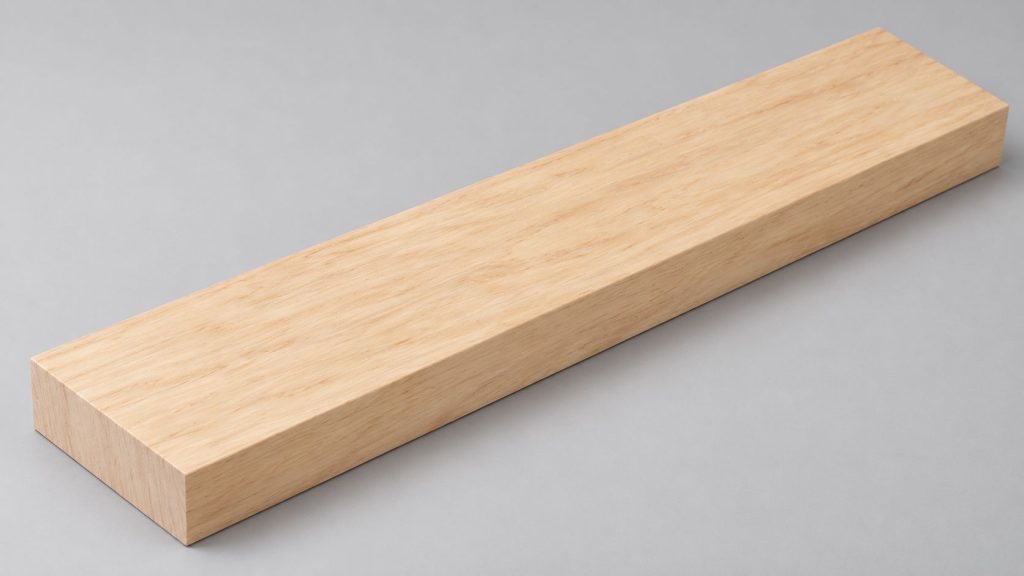
Pair a wood block with source-tree photographs showing the bark and pointed leaves. A separate bark fragment can help explain the distinction from Paper Birch without confusing the bark’s appearance with a diagnostic feature of the sawn wood.
Include transverse, radial and tangential faces, and record the specimen’s locality, source and drying history. Comparing equal-sized, similarly conditioned samples of Gray, Paper and Sweet Birch makes weight differences easier to assess, while also showing why color alone is an unreliable species test.
Share Your Photos of This Species
Do you have lumber, wood samples, tree photographs, woodworking projects, furniture, carvings, turnings, musical instruments, or other items made from this species?
Exotic Woods of the World welcomes photographs from woodworkers, collectors, sawyers, researchers, and wood enthusiasts around the world. Selected submissions may be featured on this page and throughout our website to help document and showcase real-world examples of this species.
When submitting photos, please include the common name, scientific name (if known), a brief description, and any information you would like us to share with the image.
Wood Sample Collection
This species is part of an ongoing effort to document and preserve wood samples from around the world.
Learn more about contributing to the collection:
Resources
Authoritative botanical and forestry references used in compiling information about this species include:
• USDA Forest Service – Wood Handbook: Wood as an Engineering Material
https://www.fpl.fs.usda.gov/products/publications/
• The Wood Database – Global reference for wood identification, physical properties, and woodworking characteristics
https://www.wood-database.com/
• Royal Botanic Gardens, Kew – Plants of the World Online – Botanical taxonomy and species distribution database
https://powo.science.kew.org/
• International Union for Conservation of Nature (IUCN Red List) – Global conservation status assessments
https://www.iucnredlist.org/
• Convention on International Trade in Endangered Species (CITES) – International trade regulations for protected plant species
https://cites.org/
Additional forestry publications, academic research papers, and regional timber studies may also be referenced where available.
Love This Species?
Enjoy learning about this wood species?
Help support the continued growth of Exotic Woods of the World by participating in our Adopt a Species program. Your support helps fund species research, educational content, photography, videos, and future conservation awareness initiatives.
Support Forest Conservation
This species is part of the growing Exotic Woods of the World reference archive, dedicated to documenting and preserving knowledge of the world’s wood species.
Through the Adopt a Species program, visitors can help support ongoing species research, educational content, photography, video production, and future conservation awareness initiatives.
Contributions help fund the continued expansion of this archive while promoting sustainable forestry education and the long-term appreciation of the world’s forests.
Interested in supporting this species? Visit our Adopt a Species and Conservation Partners pages to learn more.
Availability & Where to Buy
Exotic hardwood availability can vary significantly depending on region, sustainability regulations, and supplier inventory.
As this archive grows, recommended suppliers and specialty wood retailers will be listed here to help woodworkers locate responsibly sourced material.
Lumber Suppliers:
Availability varies — see the Where to Buy Exotic Woods page for current sources.
Related Tools & Products:
Availability varies — see the Where to Buy Exotic Woods page for current sources.
Share This Wood Species
Stay Connected
Follow the latest species additions, educational resources, videos, conservation initiatives, and major project milestones through our Site Updates archive.
The Site Updates archive provides a permanent record of new content, library growth, and future developments across Exotic Woods of the World.