

Erman’s Birch
Scientific name: Betula ermanii
Overview
Erman’s Birch is a deciduous mountain birch native from Siberia through northeastern Asia to Japan. Also known as Dakekamba or Rock Birch, it is an important component of cool upland forests and can form the forest limit on exposed mountains. The timber belongs to the Japanese commercial birch group and has been used for construction and practical wooden articles. Unlike the strongly reddish heartwood associated with some Monarch Birch, Erman’s Birch usually presents paler timber with a less obvious boundary between sapwood and heartwood.
Quick Facts
- Common Name: Erman’s Birch
- Scientific Name: Betula ermanii
- Family: Betulaceae
- Region: Asian Woods
- Other Names: Dakekamba; Rock Birch; Russian Rock Birch
- Native Range: Siberia, the Russian Far East, northeastern China, Korea, and Japan
- Tree Size: Commonly around 15–20 m (49–66 ft) in cited botanical accounts; shrubby near exposed mountain limits
- Average Dried Weight: A representative species-wide air-dry average is not established here
- Janka Hardness: A reliable measured value was not verified for this profile
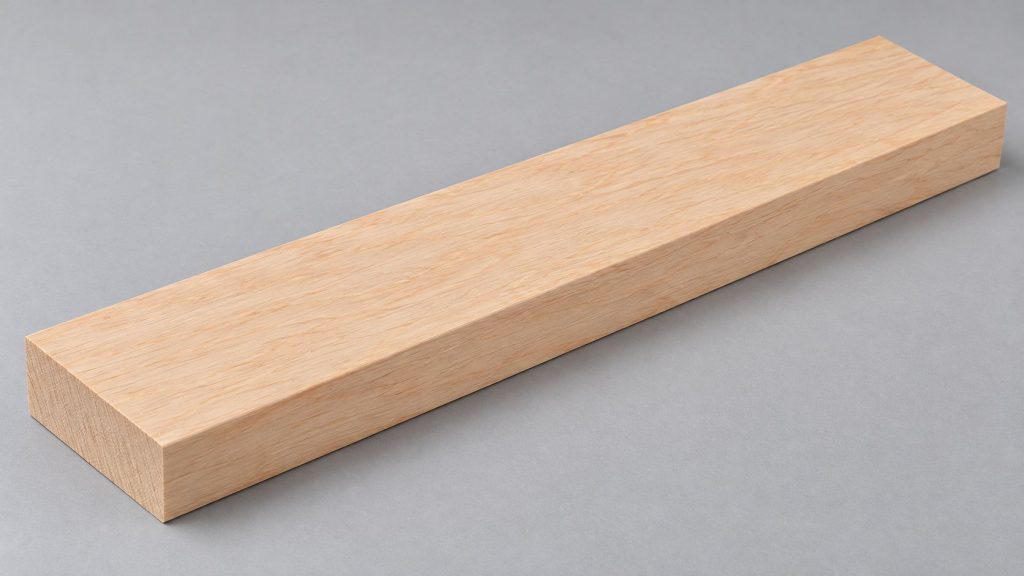
- Color: White sapwood and pale yellow-brown heartwood; boundary often indistinct
- Grain: Variable; inspect individual boards
- Texture: Diffuse-porous, with relatively inconspicuous growth rings
Identification Characteristics
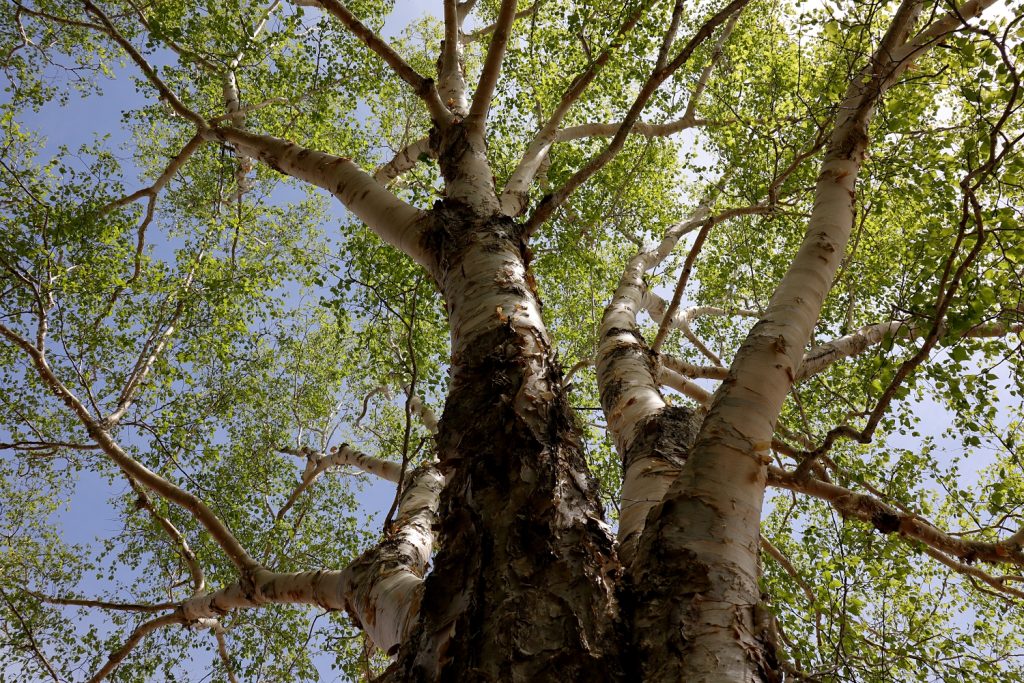
Erman’s Birch has peeling pale bark, toothed ovate to triangular leaves, and a spreading mountain-tree habit. Exposed trees can become low and irregular, so height alone is a poor identifier. In the wood, diffuse pores and subtle growth rings contrast with the broad earlywood bands of ash. The pale color and indistinct sapwood boundary are useful observations, but closely related birches still require collection or supplier records for reliable separation.
Key identification traits include:
- Pale peeling bark, often with a cream or pink cast
- Ovate to triangular leaves with toothed margins
- A mountain or sub-boreal forest origin
- White to pale yellow-brown timber with limited sapwood contrast
- Diffuse pores rather than a broad ring of large earlywood vessels
Working Properties
Japanese timber studies include Erman’s Birch in bending and compression tests and show that wood properties vary across the stem. Before selecting material for furniture or practical articles, check each board for soundness, grain direction, and drying condition. A short machining and finishing trial helps reveal how the specific stock behaves. Pale color by itself is not proof of clear, defect-free timber.
- Machining: Trial representative stock with sharp cutters
- Planing: Adjust cut direction and depth around irregular grain
- Drying: Verify moisture content and acclimate before assembly
- Joinery: Predrill where necessary and inspect for splitting around fasteners
- Finishing: Compare finishes on an offcut before coating pale visible surfaces
Safety Note
Use effective dust extraction and appropriate eye and respiratory protection when machining or sanding. Fine wood dust can irritate the skin and respiratory tract. Keep tools and work surfaces clear of dust and avoid unnecessary exposure.
Common Uses
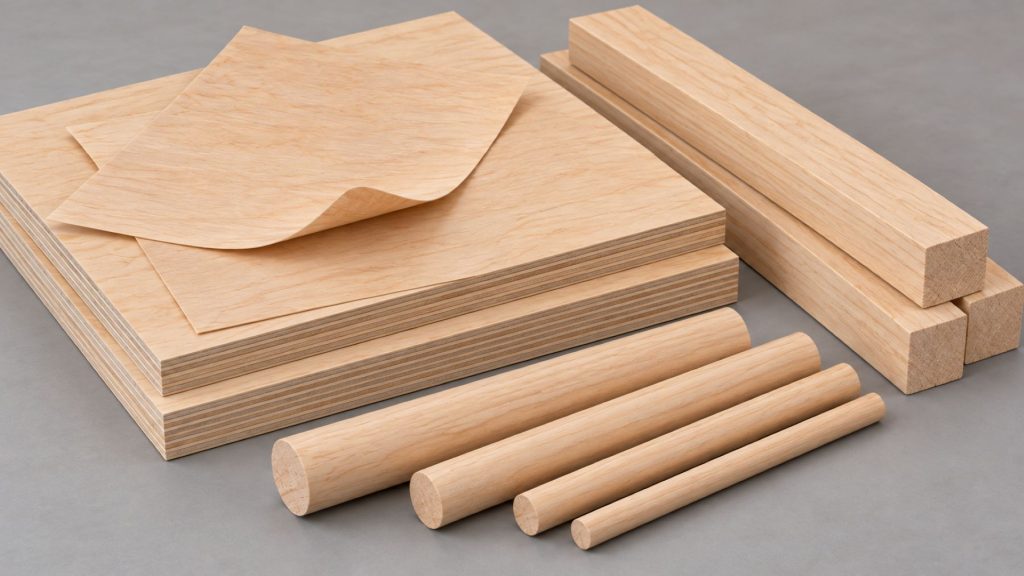
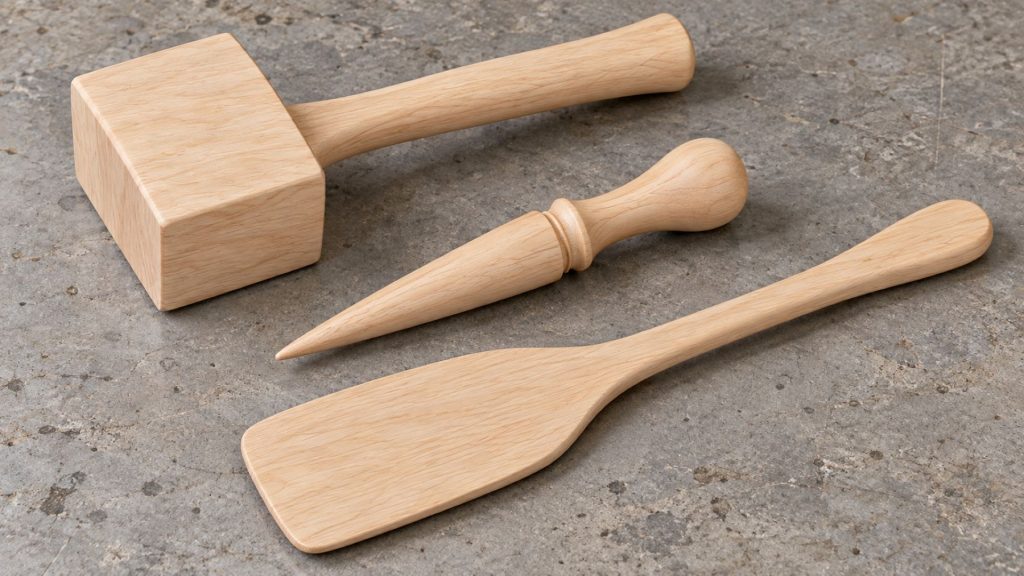
Japanese forestry accounts identify construction and utility articles as uses, and the species also contributes to commercial birch material.
- General construction timber where suitably graded
- Wooden implements and utility articles
- Interior wood components selected from sound stock
- Commercial birch products
- Reference samples and teaching collections
Sustainability & Notes
Kew reports Erman’s Birch as Least Concern under its cited IUCN assessment. The species is important in mountain forests, and Japanese forestry research documents regeneration methods for birch stands in Hokkaido. The ability to regenerate does not make every harvest suitable. Request origin and supplier documentation, and distinguish timber from managed production areas from material collected in sensitive mountain habitats.
Comparative Notes & Related Species
Related Guides
- Birch Species Guide
- How to Identify Wood by End Grain Patterns
- Drying & Acclimating Exotic Woods
- Wood Movement and Seasonal Expansion Explained
- Labeling and Cataloging Wood Samples
Compare Wood Properties
See how this species ranks in density and hardness using our Wood Density & Janka Hardness Chart. You can also explore Hardest Woods, Softest Woods, and Most Dense Woods for quick comparisons.
Collector Notes
Keep Betula ermanii, the collection locality, and any variety determination with each specimen. Record whether the material came from a tall forest tree or a low tree near the forest limit, since growth form and defects can differ. Preserve a clean end-grain face and an unfinished surface. A pale sample with its original supplier label is more informative than an unidentified piece described only as Japanese birch.
Share Your Photos of This Species
Do you have lumber, wood samples, tree photographs, woodworking projects, furniture, carvings, turnings, musical instruments, or other items made from this species?
Exotic Woods of the World welcomes photographs from woodworkers, collectors, sawyers, researchers, and wood enthusiasts around the world. Selected submissions may be featured on this page and throughout our website to help document and showcase real-world examples of this species.
When submitting photos, please include the common name, scientific name (if known), a brief description, and any information you would like us to share with the image.
Wood Sample Collection
This species is part of an ongoing effort to document and preserve wood samples from around the world.
Learn more about contributing to the collection:
Resources
Authoritative botanical and forestry references used in compiling information about this species include:
• USDA Forest Service – Wood Handbook: Wood as an Engineering Material
https://www.fpl.fs.usda.gov/products/publications/
• The Wood Database – Global reference for wood identification, physical properties, and woodworking characteristics
https://www.wood-database.com/
• Royal Botanic Gardens, Kew – Plants of the World Online – Botanical taxonomy and species distribution database
https://powo.science.kew.org/
• International Union for Conservation of Nature (IUCN Red List) – Global conservation status assessments
https://www.iucnredlist.org/
• Convention on International Trade in Endangered Species (CITES) – International trade regulations for protected plant species
https://cites.org/
Additional forestry publications, academic research papers, and regional timber studies may also be referenced where available.
Love This Species?
Enjoy learning about this wood species?
Help support the continued growth of Exotic Woods of the World by participating in our Adopt a Species program. Your support helps fund species research, educational content, photography, videos, and future conservation awareness initiatives.
Support Forest Conservation
This species is part of the growing Exotic Woods of the World reference archive, dedicated to documenting and preserving knowledge of the world’s wood species.
Through the Adopt a Species program, visitors can help support ongoing species research, educational content, photography, video production, and future conservation awareness initiatives.
Contributions help fund the continued expansion of this archive while promoting sustainable forestry education and the long-term appreciation of the world’s forests.
Interested in supporting this species? Visit our Adopt a Species and Conservation Partners pages to learn more.
Availability & Where to Buy
Exotic hardwood availability can vary significantly depending on region, sustainability regulations, and supplier inventory.
As this archive grows, recommended suppliers and specialty wood retailers will be listed here to help woodworkers locate responsibly sourced material.
Lumber Suppliers:
Availability varies — see the Where to Buy Exotic Woods page for current sources.
Related Tools & Products:
Availability varies — see the Where to Buy Exotic Woods page for current sources.
Share This Wood Species
Stay Connected
Follow the latest species additions, educational resources, videos, conservation initiatives, and major project milestones through our Site Updates archive.
The Site Updates archive provides a permanent record of new content, library growth, and future developments across Exotic Woods of the World.