

Balsam Fir
Scientific name: Abies balsamea
Overview
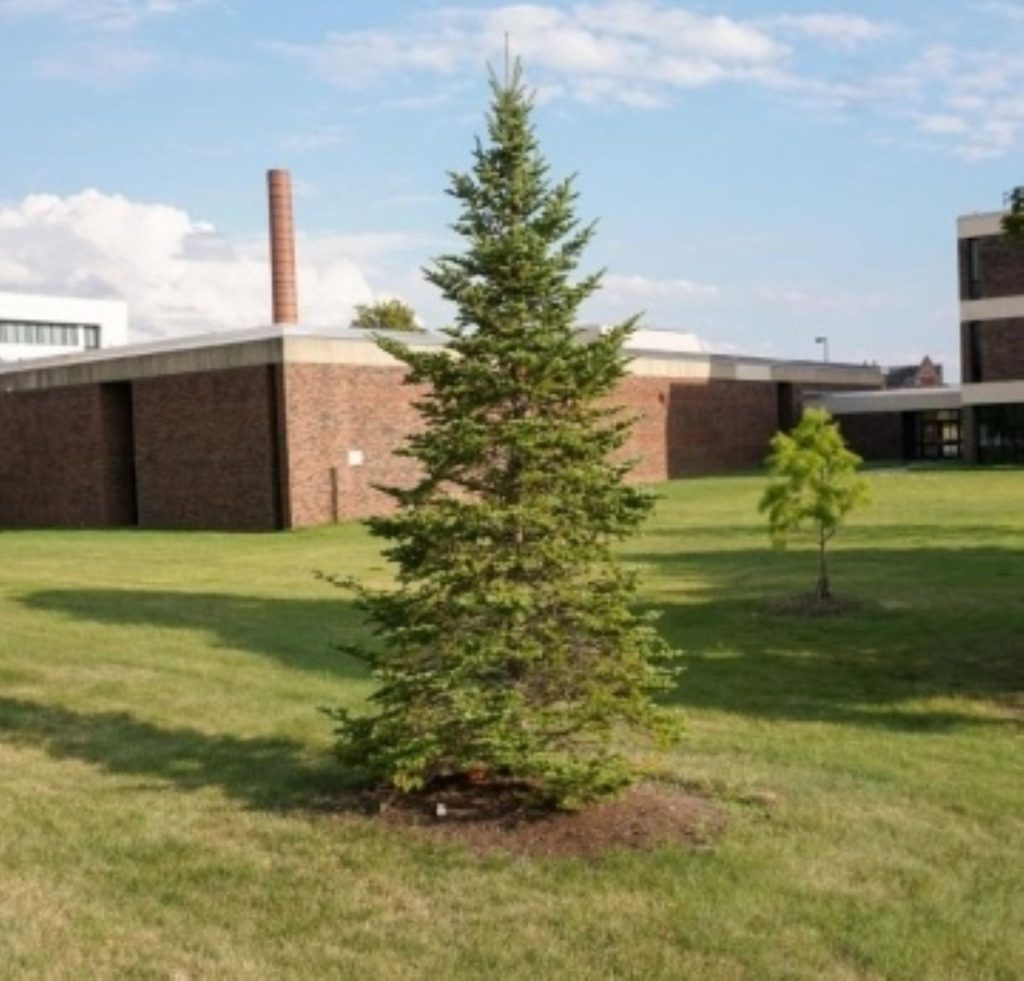
Balsam Fir is an eastern North American true fir whose timber is valued primarily for light construction and pulp. It is also familiar as a Christmas tree, but its foliage and fragrant bark resin should not be confused with the behavior of the sawn wood. The wood itself usually has little distinctive odor.
Commercial boards may enter spruce-pine-fir, or SPF, lumber supplies rather than being sold under an exact botanical name. This makes a documented Balsam Fir sample more useful to a collector than an unidentified board selected only because it looks like fir. Its pale appearance and low weight suit modest interior projects where surface hardness is not the main requirement.
Quick Facts
- Common Name: Balsam Fir
- Alternate Common Names: Balsam; Canadian balsam
- Scientific Name: Abies balsamea
- Region: North American Woods — Canada and the northeastern United States, with extensions into the Great Lakes and Appalachian regions
- Family: Pinaceae
- Tree Size: Commonly 40–65 ft (12–20 m) tall, with a trunk 1–2 ft (0.3–0.6 m) in diameter
- Average Dried Weight: Approximately 25 lb/ft³ (400 kg/m³)
- Janka Hardness: Approximately 400 lbf (1,780 N)
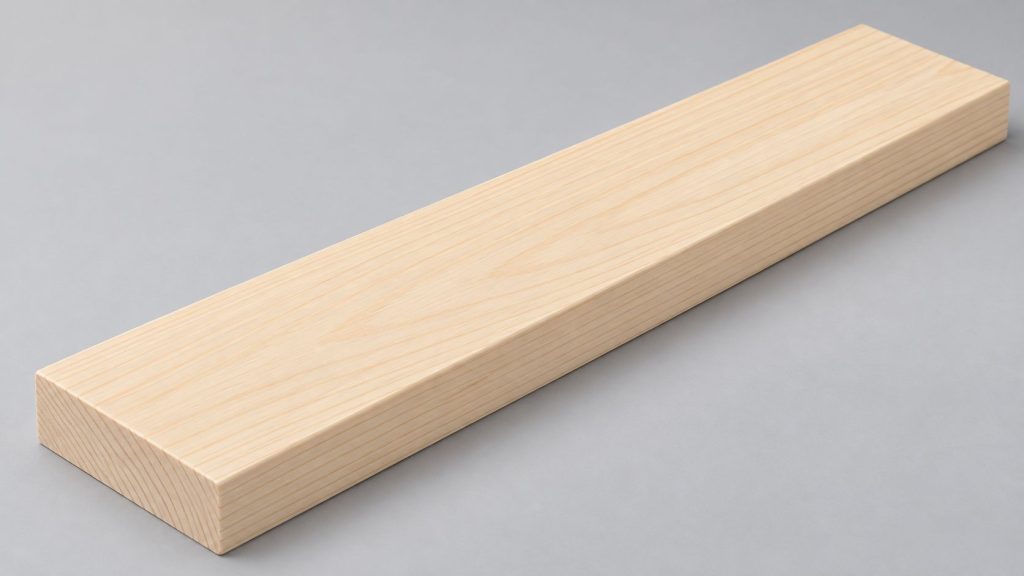
- Color: Creamy white to pale brown or reddish brown; sapwood usually indistinct
- Grain: Generally straight, with gradual growth-ring transitions
- Texture: Even, medium to moderately coarse
Identification Characteristics
Prepare a smooth cross section and inspect it with a hand lens. Normal resin canals are absent in true fir, unlike pine and spruce, although injury can produce exceptional traumatic canals. Growth rings generally change gradually from earlywood to latewood.
A small wood block cannot reliably distinguish Balsam Fir from every other true fir. Hemlock can also be difficult to exclude from casual appearance alone. Tree identification and origin provide the strongest supporting evidence, particularly when the timber has passed through a mixed commercial lumber stream.
Key identification traits include:
- Lightweight, pale wood with limited heartwood contrast
- Generally straight grain and subdued ring boundaries
- No normal resin canals in the wood
- Dry wood usually lacks a strong identifying scent
- Species attribution requires provenance beyond color or weight
Working Properties
For interior work, select straight stock and examine knots before laying out joinery. Support soft edges during routing and use a backing board when drilling through the far face. Very sharp tools help sever fibers cleanly rather than leaving a woolly surface.
The low surface hardness calls for gentle clamping and careful handling. Use broad cauls, avoid overdriving fasteners, and test finishes on an offcut. A sample board is especially helpful before staining, since differences in absorption can remain visible beneath a clear topcoat.
- Take light finishing cuts and sand with a firm backing
- Use cauls to avoid pressure marks during assembly
- Predrill near ends and avoid relying on screws into end grain
- Allow lumber to reach the intended indoor moisture condition
- Keep broad panels free to move across the grain
Safety Note
Wood dust can irritate the skin, eyes and respiratory tract. Use effective dust extraction, eye protection and suitable respiratory protection when machining or sanding. Inspect salvaged material for embedded metal, cracks and decay before cutting, and assess dead standing trees professionally before removal.
Common Uses
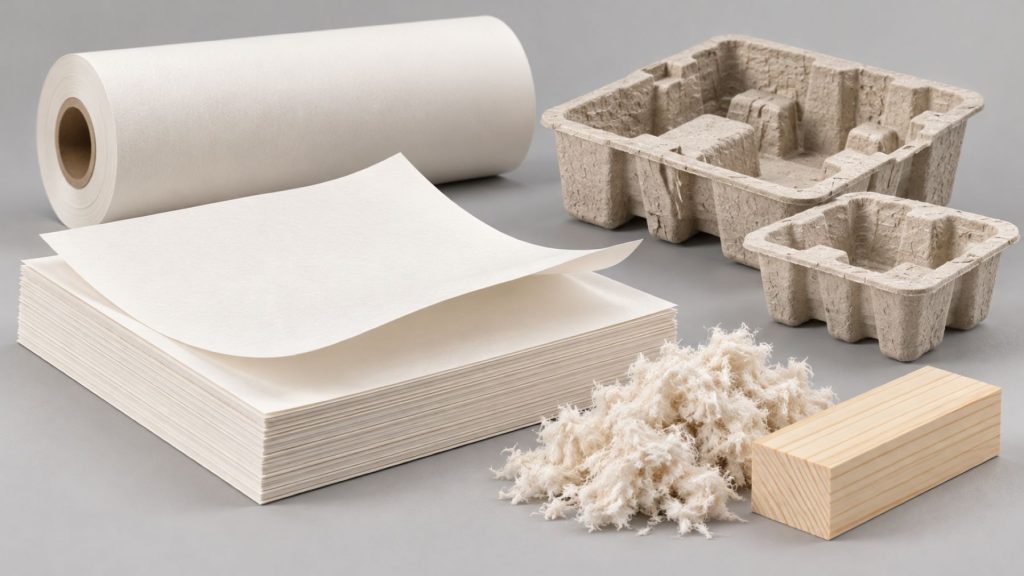
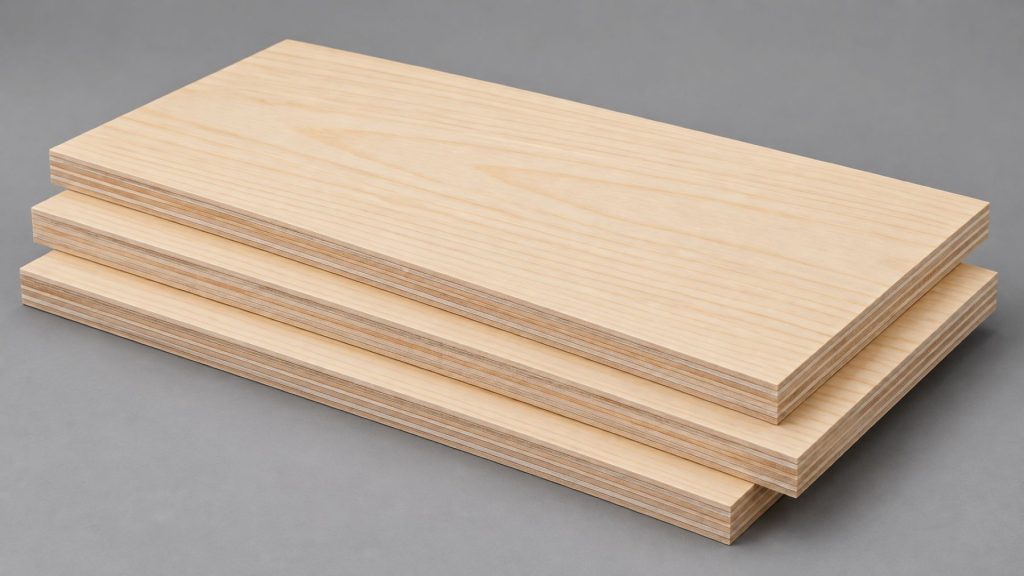
Balsam Fir is an established source of pulpwood and light framing lumber. It can also be used in plywood and general utility products. For structural work, use the grade stamp and applicable design specification; species-average hardness is not a load rating.
Selected clear pieces can serve in painted interior work, small boxes, display components, or light shelving where the design accounts for softness. Avoid exposed ground contact and repeated wetting: the wood has low natural resistance to decay and insect damage.
- Graded SPF framing and light construction
- Paper pulp and fiber products
- Plywood and utility panels
- Packaging and general utility woodworking
- Protected interior components from suitably selected stock
Sustainability & Notes
Balsam Fir is a widespread component of northern and northeastern forests. Forest health, regeneration, and the source stand matter more to a purchasing decision than a generic claim that all softwood lumber is sustainable. Ask for a named source or credible forest certification where available.
The species is sensitive to several insects and diseases, including spruce budworm damage in affected forests. Salvaged or damaged trees may still yield usable wood, but inspect each board for decay and defects rather than assuming salvage origin guarantees sound material.
Comparative Notes & Related Species
Related Guides
- Fir Species Guide
- How to Identify Wood by End Grain Patterns
- Moisture Content & Long Term Stability
- Best Woods for Furniture Making
- Labeling and Cataloging Wood Samples
Compare Wood Properties
See how this species ranks in density and hardness using our Wood Density & Janka Hardness Chart. You can also explore Hardest Woods, Softest Woods, and Most Dense Woods for quick comparisons.
Collector Notes
Record whether the sample came directly from an identified tree or from a mixed SPF shipment. Retain a supplier label and locality; if the precise species is uncertain, keep that uncertainty on the collection record.
An end-grain photograph beside a spruce or pine sample is useful for illustrating normal resin canals versus their absence. Include scale and preparation details, and preserve an unfinished face to document the original pale color.
Share Your Photos of This Species
Do you have lumber, wood samples, tree photographs, woodworking projects, furniture, carvings, turnings, musical instruments, or other items made from this species?
Exotic Woods of the World welcomes photographs from woodworkers, collectors, sawyers, researchers, and wood enthusiasts around the world. Selected submissions may be featured on this page and throughout our website to help document and showcase real-world examples of this species.
When submitting photos, please include the common name, scientific name (if known), a brief description, and any information you would like us to share with the image.
Wood Sample Collection
This species is part of an ongoing effort to document and preserve wood samples from around the world.
Learn more about contributing to the collection:
Resources
Authoritative botanical and forestry references used in compiling information about this species include:
• USDA Forest Service – Wood Handbook: Wood as an Engineering Material
https://www.fpl.fs.usda.gov/products/publications/
• The Wood Database – Global reference for wood identification, physical properties, and woodworking characteristics
https://www.wood-database.com/
• Royal Botanic Gardens, Kew – Plants of the World Online – Botanical taxonomy and species distribution database
https://powo.science.kew.org/
• International Union for Conservation of Nature (IUCN Red List) – Global conservation status assessments
https://www.iucnredlist.org/
• Convention on International Trade in Endangered Species (CITES) – International trade regulations for protected plant species
https://cites.org/
Additional forestry publications, academic research papers, and regional timber studies may also be referenced where available.
Love This Species?
Enjoy learning about this wood species?
Help support the continued growth of Exotic Woods of the World by participating in our Adopt a Species program. Your support helps fund species research, educational content, photography, videos, and future conservation awareness initiatives.
Support Forest Conservation
This species is part of the growing Exotic Woods of the World reference archive, dedicated to documenting and preserving knowledge of the world’s wood species.
Through the Adopt a Species program, visitors can help support ongoing species research, educational content, photography, video production, and future conservation awareness initiatives.
Contributions help fund the continued expansion of this archive while promoting sustainable forestry education and the long-term appreciation of the world’s forests.
Interested in supporting this species? Visit our Adopt a Species and Conservation Partners pages to learn more.
Availability & Where to Buy
Exotic hardwood availability can vary significantly depending on region, sustainability regulations, and supplier inventory.
As this archive grows, recommended suppliers and specialty wood retailers will be listed here to help woodworkers locate responsibly sourced material.
Lumber Suppliers:
Availability varies — see the Where to Buy Exotic Woods page for current sources.
Related Tools & Products:
Availability varies — see the Where to Buy Exotic Woods page for current sources.
Share This Wood Species
Stay Connected
Follow the latest species additions, educational resources, videos, conservation initiatives, and major project milestones through our Site Updates archive.
The Site Updates archive provides a permanent record of new content, library growth, and future developments across Exotic Woods of the World.