
Spanish Fir
Scientific name: Abies pinsapo
Overview
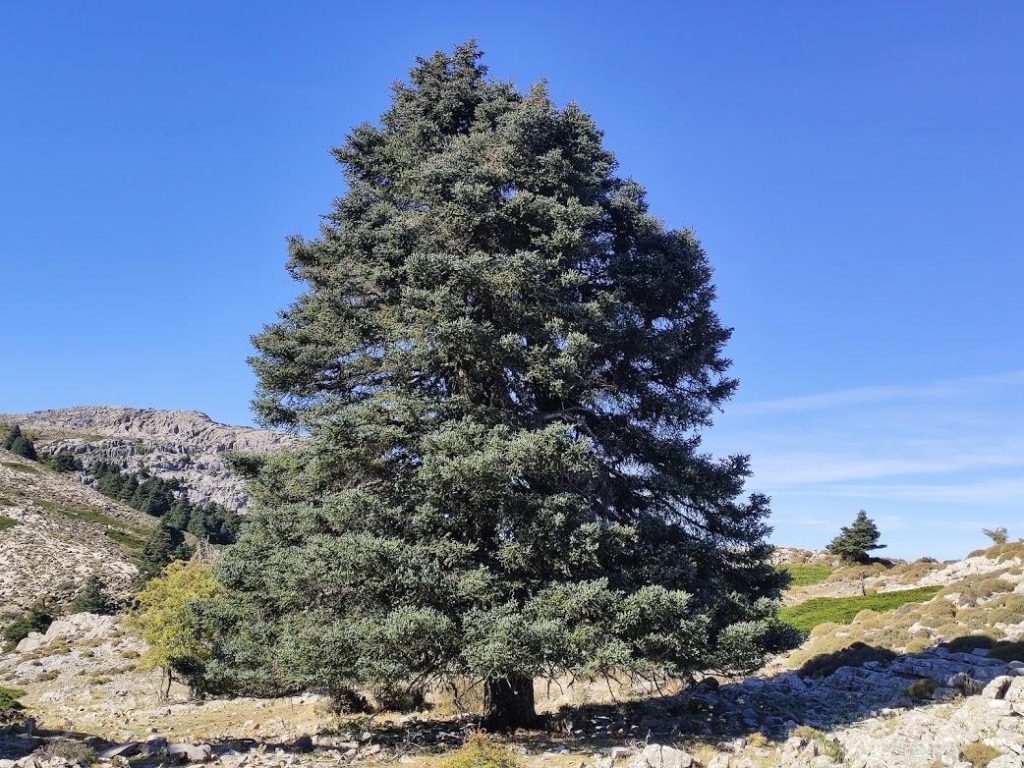
Spanish Fir is a distinctive evergreen conifer native to a very limited area of southern Spain. Abies pinsapo belongs to the Pinaceae family and is one of Europe’s most geographically restricted native firs. Natural populations occur primarily in mountainous areas of Andalusia, where the species forms distinctive high-elevation forests adapted to Mediterranean mountain conditions.
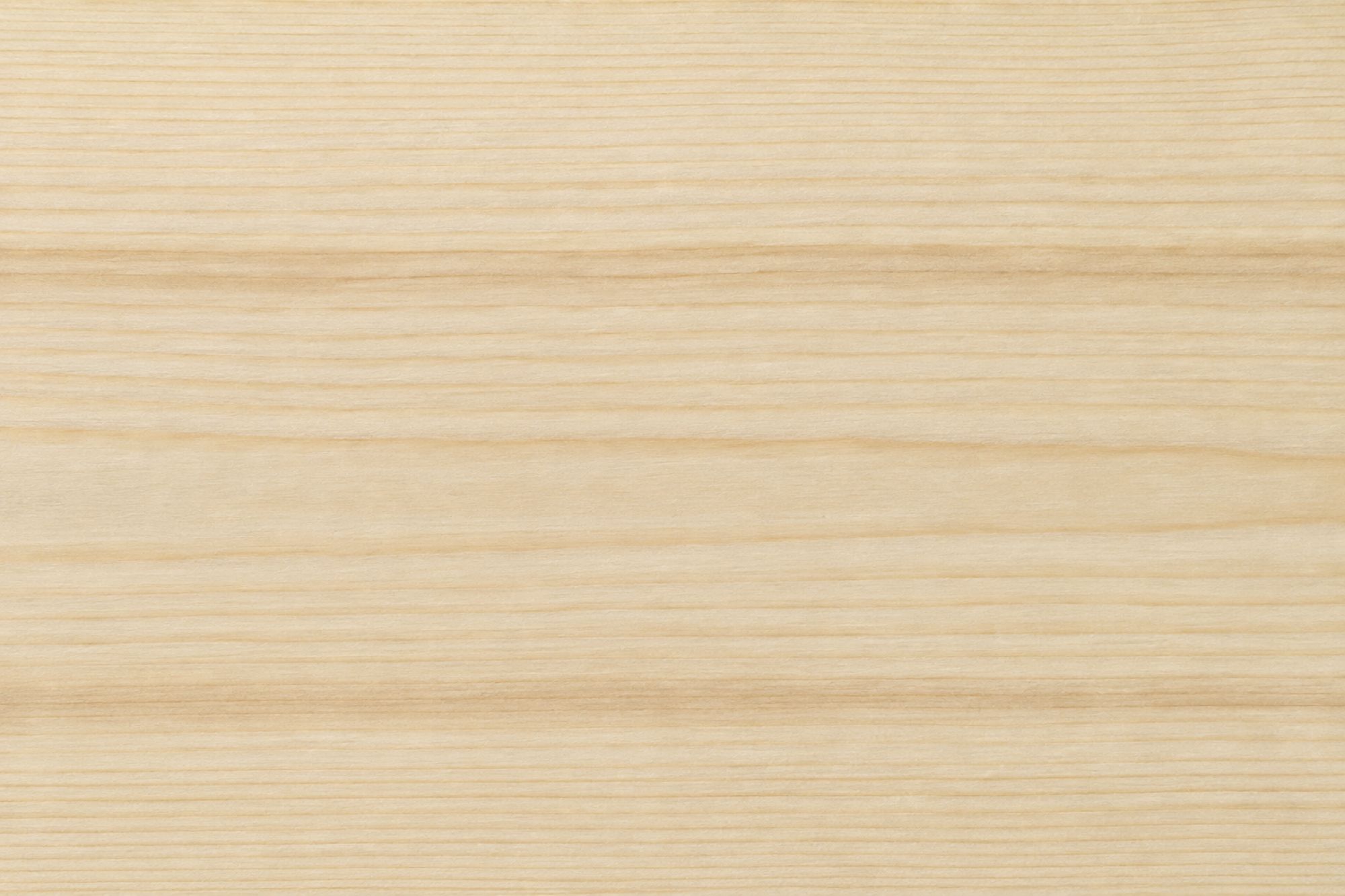
The wood is generally pale cream to yellowish white, sometimes developing light tan or faint pinkish-brown tones with age. As with most true firs, heartwood and sapwood are usually difficult to distinguish visually. Grain is generally straight, while texture is fine to medium and relatively uniform.
Spanish Fir is not an important modern commercial timber species. Its restricted distribution and conservation importance make the living forests considerably more significant than the wood as a lumber resource. Historically or locally available material can be used for construction, carpentry, interior work, boxes, and other light-duty applications. Properly documented specimens are particularly valuable for educational and botanical wood collections.
Quick Facts
- Common Name: Spanish Fir
- Alternate Common Name: Pinsapo Fir
- Scientific Name: Abies pinsapo
- Region: European Softwoods
- Tree Size: Approximately 65–100 ft (20–30 m) tall, occasionally larger
- Average Dried Weight: Approximately 28–32 lbs/ft³ (450–515 kg/m³), with natural variation
- Janka Hardness: Reliable standardized species-specific value is not widely documented
- Grain: Generally straight
- Texture: Fine to medium
Identification Characteristics
Spanish Fir generally produces cream, yellowish-white, or very pale tan wood. Heartwood and sapwood normally show little visible contrast.
Grain is usually straight, producing a relatively uniform appearance. Growth rings are visible, although earlywood-to-latewood contrast is generally moderate rather than dramatic.
Like other true firs, Spanish Fir normally lacks the prominent resin canals characteristic of pine wood.
Key identification traits include:
- Cream to yellowish-white wood
- Occasional pale tan or pinkish coloration
- Little visible heartwood and sapwood contrast
- Generally straight grain
- Fine to medium texture
- Relatively uniform appearance
- Visible growth rings

Working Properties
Spanish Fir generally has the workable characteristics associated with relatively lightweight true firs. Straight-grained material can be cut, shaped, planed, and sanded readily using conventional woodworking equipment.
Its comparatively soft surface can dent under heavy use, while dull cutting edges may compress fibers or leave fuzzy surfaces. Sharp tools improve finished surface quality.
- Machines readily with sharp tools
- Cuts and planes easily
- Sands effectively
- Glues satisfactorily
- Accepts paints and clear finishes
- Suitable for light carving and utility work
- Relatively soft surfaces can dent
Safety Note
Fir wood dust may cause skin, eye, or respiratory irritation in sensitive individuals. Repeated exposure to fine wood dust should be minimized.
Appropriate dust collection, eye protection, and respiratory protection are recommended during sawing, routing, carving, and sanding.
Common Uses

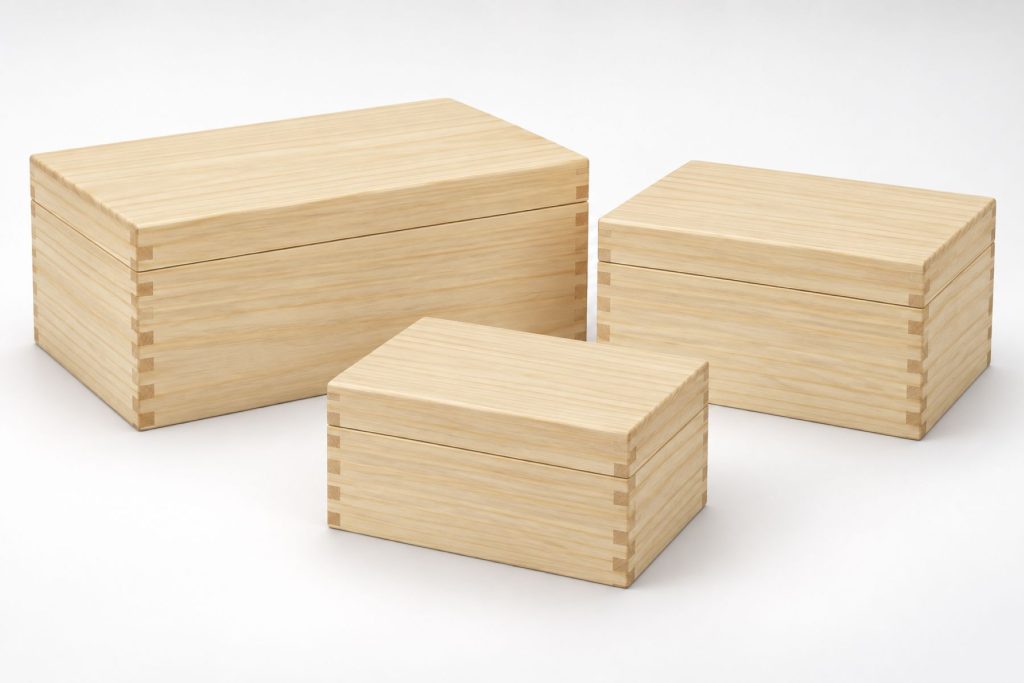
Spanish Fir is not a major modern commercial timber. Historically or where legitimately available, its wood may be suitable for:
- Carpentry
- Light construction
- Interior joinery
- Paneling
- Boxes and crates
- Furniture components
- Utility woodworking
- Carving
- Small specialty projects
- Collector specimens
Sustainability & Notes
Spanish Fir is especially important from a conservation perspective because its natural distribution is extremely restricted. Native forests survive in mountainous areas of southern Spain, particularly within Andalusia.
These populations face pressures that can include wildfire, drought, climate change, pests, disease, habitat fragmentation, and the inherent vulnerability associated with a limited geographic range.
Spanish Fir forests also provide important mountain habitat, watershed protection, soil stabilization, and biodiversity value.
For these reasons, Spanish Fir should be regarded primarily as a conservation-sensitive European conifer rather than a commercial lumber resource. Collector material with legitimate provenance, historical origin, or documented salvage is particularly appropriate.
Comparative Notes & Related Species
Greek Fir – A southeastern European Mediterranean fir that provides an excellent comparison in geographic distribution, mountain habitat, and wood characteristics.
Bulgarian Fir – A Balkan fir with a complex botanical history and another useful example of Europe’s regional Abies diversity.
Sicilian Fir – An exceptionally rare Mediterranean fir native to Sicily and an especially relevant comparison for conservation and restricted geographic distribution.
Related Guides
Fir Species Guide
Explore fir species from around the world and compare their geographic ranges, appearance, wood characteristics, ecological adaptations, and traditional uses.
Why Some Species Become Restricted
Learn how limited natural ranges, habitat loss, harvesting pressure, slow regeneration, environmental change, and other factors can make certain tree species increasingly vulnerable.
FSC Certification Explained
Explore how forest certification can help identify timber originating from responsibly managed forests and transparent supply chains.
How to Store Exotic Wood Samples
Learn how to protect rare and documented wood specimens from moisture fluctuations, ultraviolet exposure, insects, contamination, and physical damage.
Labeling and Cataloging Wood Samples
Learn how scientific names, geographic origin, acquisition date, source information, and provenance can be preserved with important collector specimens.
Compare Wood Properties
See how this species ranks in density and hardness using our Wood Density & Janka Hardness Chart. You can also explore Hardest Woods, Softest Woods, and Most Dense Woods for quick comparisons.
Collector Notes
Spanish Fir is particularly significant for collectors because authenticated wood represents a geographically restricted European conifer that is seldom encountered in the ordinary lumber trade.
For this species, provenance is substantially more important than dramatic color or figure. A specimen with documented Spanish origin, particularly one connected to legitimate salvage, historical material, botanical research, or an established collection, can have considerable educational value.
Collector specimens should retain the scientific name Abies pinsapo, geographic origin, acquisition date, source, and any supporting documentation permanently with the sample.
Share Your Photos of This Species
Do you have lumber, wood samples, tree photographs, woodworking projects, furniture, carvings, turnings, musical instruments, or other items made from this species?
Exotic Woods of the World welcomes photographs from woodworkers, collectors, sawyers, researchers, and wood enthusiasts around the world. Selected submissions may be featured on this page and throughout our website to help document and showcase real-world examples of this species.
When submitting photos, please include the common name, scientific name (if known), a brief description, and any information you would like us to share with the image.
Wood Sample Collection
This species is part of an ongoing effort to document and preserve wood samples from around the world.
Learn more about contributing to the collection:
Resources
Authoritative botanical and forestry references used in compiling information about this species include:
• USDA Forest Service – Wood Handbook: Wood as an Engineering Material
https://www.fpl.fs.usda.gov/products/publications/
• The Wood Database – Global reference for wood identification, physical properties, and woodworking characteristics
https://www.wood-database.com/
• Royal Botanic Gardens, Kew – Plants of the World Online – Botanical taxonomy and species distribution database
https://powo.science.kew.org/
• International Union for Conservation of Nature (IUCN Red List) – Global conservation status assessments
https://www.iucnredlist.org/
• Convention on International Trade in Endangered Species (CITES) – International trade regulations for protected plant species
https://cites.org/
Additional forestry publications, academic research papers, and regional timber studies may also be referenced where available.
Love This Species?
Enjoy learning about this wood species?
Help support the continued growth of Exotic Woods of the World by participating in our Adopt a Species program. Your support helps fund species research, educational content, photography, videos, and future conservation awareness initiatives.
Support Forest Conservation
This species is part of the growing Exotic Woods of the World reference archive, dedicated to documenting and preserving knowledge of the world’s wood species.
Through the Adopt a Species program, visitors can help support ongoing species research, educational content, photography, video production, and future conservation awareness initiatives.
Contributions help fund the continued expansion of this archive while promoting sustainable forestry education and the long-term appreciation of the world’s forests.
Interested in supporting this species? Visit our Adopt a Species and Conservation Partners pages to learn more.
Availability & Where to Buy
Exotic hardwood availability can vary significantly depending on region, sustainability regulations, and supplier inventory.
As this archive grows, recommended suppliers and specialty wood retailers will be listed here to help woodworkers locate responsibly sourced material.
Lumber Suppliers:
Availability varies — see the Where to Buy Exotic Woods page for current sources.
Related Tools & Products:
Availability varies — see the Where to Buy Exotic Woods page for current sources.
Share This Wood Species
Stay Connected
Follow the latest species additions, educational resources, videos, conservation initiatives, and major project milestones through our Site Updates archive.
The Site Updates archive provides a permanent record of new content, library growth, and future developments across Exotic Woods of the World.